Understanding Retro Fitting in the Lighting Industry
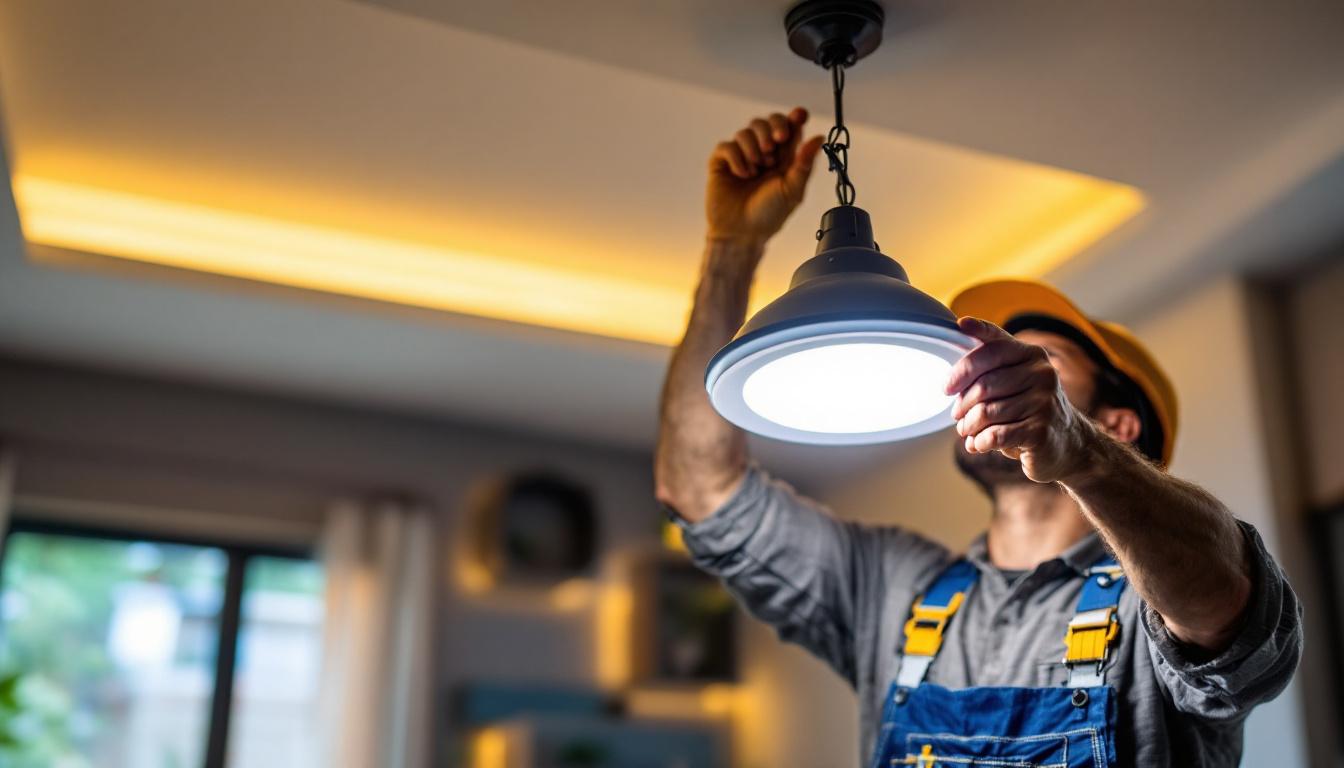
Retro fitting lights involves upgrading or replacing existing lighting fixtures with newer, more efficient technologies without completely overhauling the entire system. For lighting contractors, this process is more than just a technical task-it’s a strategic opportunity that directly impacts profitability and client satisfaction.
Unlike new installations, retro fitting requires a deep understanding of the existing infrastructure, the compatibility of new components, and the specific needs of the client. This complexity can either be a hurdle or a competitive advantage depending on how contractors approach the project.
The Growing Demand for Retro Fitting
Energy efficiency standards and sustainability goals are pushing businesses and homeowners to reconsider their lighting setups. Many are opting to retrofit rather than replace entirely because it’s less disruptive and more cost-effective in the short term. This trend means more work for contractors who specialize in retro fitting, but it also demands precision and expertise.
Statistics show that retro fitting projects can reduce energy consumption by up to 60%, which is a compelling selling point for clients looking to cut operational costs. Lighting contractors who can clearly communicate these benefits and deliver quality retro fits are positioned to increase their project volume and revenue.
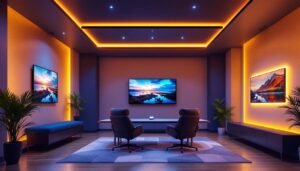
Moreover, the integration of smart lighting technologies into retro fitting projects is becoming increasingly popular. Smart lighting systems not only enhance energy efficiency but also offer features such as remote control, automated dimming, and adaptive lighting based on occupancy. This added layer of sophistication can significantly improve the user experience and provide contractors with an edge in a competitive market. As clients become more aware of the benefits of smart technologies, contractors who can incorporate these elements into their retro fitting services will likely see a surge in demand.
Additionally, the environmental impact of retro fitting cannot be overlooked. By choosing to retrofit rather than completely replace lighting systems, clients contribute to waste reduction and lower their carbon footprint. This eco-friendly approach aligns with the growing consumer preference for sustainable practices, making retro fitting not just a smart financial decision but also a socially responsible one. Contractors who emphasize these environmental benefits can strengthen their relationships with clients and position themselves as leaders in sustainable lighting solutions.
Financial Implications of Retro Fitting for Contractors
Retro fitting can significantly influence a contractor’s bottom line, both positively and negatively. Understanding the financial dynamics involved is crucial for maximizing profit margins.
Cost Considerations and Pricing Strategies
One of the biggest challenges in retro fitting is accurately estimating costs. Unlike new builds, retro fitting often uncovers unforeseen issues such as outdated wiring, incompatible fixtures, or structural limitations. These surprises can lead to increased labor hours and material expenses.
Contractors must develop flexible pricing models that account for these variables. Transparent communication with clients about potential extra costs helps build trust and prevents disputes. Offering tiered pricing options-basic retro fit, premium upgrades, or full system integration-can also cater to different budgets and increase sales opportunities. Additionally, contractors should consider implementing a contingency budget, typically around 10-15% of the total project cost, to cover unexpected expenses that may arise during the retro fitting process. This proactive approach not only safeguards profit margins but also enhances client satisfaction by minimizing the likelihood of project delays and financial surprises.
Labor Efficiency and Project Timelines
Retro fitting projects often require more intricate work than new installations. Navigating around existing infrastructure demands skill and patience, which can extend project timelines. However, experienced contractors who streamline their processes and train their teams effectively can reduce labor costs and complete jobs faster.
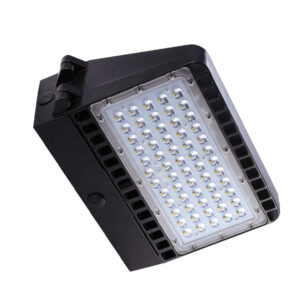
Investing in specialized tools and technologies that facilitate retro fitting-such as LED retrofit kits or modular components-can improve efficiency. Faster project completion means contractors can take on more jobs, directly boosting revenue. Moreover, leveraging project management software can enhance coordination among team members, ensuring that tasks are completed in a timely manner and resources are allocated efficiently. By utilizing data analytics, contractors can also track performance metrics, identify bottlenecks, and make informed decisions to optimize future projects. This combination of technology and strategic planning not only enhances productivity but also positions contractors to better meet client expectations and adapt to evolving market demands.
Enhancing Service Offerings Through Retro Fitting
Expanding into retro fitting allows contractors to diversify their service portfolio. This diversification not only attracts a broader client base but also creates opportunities for recurring revenue.
Energy Audits and Consulting Services
Many clients are unaware of how much they could save by upgrading their lighting systems. Contractors who offer energy audits and lighting assessments position themselves as trusted advisors rather than just installers. These services can lead to retro fitting contracts and ongoing maintenance agreements.
Providing detailed reports that quantify energy savings and return on investment helps clients justify the upfront costs. This consultative approach enhances customer loyalty and can lead to referrals. Furthermore, by staying updated on the latest energy-efficient technologies and incentives, contractors can provide clients with tailored recommendations that align with their specific needs and budgets. This not only showcases the contractor’s expertise but also builds a long-term relationship based on trust and transparency.
Maintenance and Warranty Packages
Retro fitted lighting systems may require specialized maintenance to ensure optimal performance. Contractors who bundle maintenance and warranty packages with their retro fitting services create additional revenue streams. These packages also provide clients with peace of mind, increasing satisfaction and retention.
Additionally, offering tiered maintenance plans can cater to different client needs, from basic check-ups to comprehensive service agreements that include emergency repairs. This flexibility allows clients to choose a plan that best fits their operational demands and budget constraints. By establishing a proactive maintenance schedule, contractors can help clients avoid costly downtimes and ensure that their lighting systems operate at peak efficiency, further solidifying the contractor’s role as a vital partner in their clients’ success.
Challenges and Risks in Retro Fitting Projects
While retro fitting offers many benefits, it is not without risks. Lighting contractors must navigate these challenges carefully to protect their reputation and profitability.
Compatibility Issues and Technical Limitations
Not all new lighting technologies are compatible with older fixtures or electrical systems. Misjudging compatibility can result in costly rework or even project failure. Contractors need to conduct thorough assessments and stay updated on the latest products and standards.
Partnering with reliable suppliers and manufacturers who provide technical support can mitigate these risks. Additionally, ongoing training for installation teams is essential to keep pace with evolving technologies. This training can include workshops on the latest lighting controls, energy-efficient solutions, and integration with smart building systems, which are becoming increasingly prevalent in modern retrofits. Furthermore, having a robust inventory management system can help ensure that all necessary components are on hand, reducing delays caused by supply chain issues.
Client Expectations and Communication
Clients often expect retro fitting to be a quick and inexpensive fix. Managing these expectations is critical. Clear communication about what retro fitting entails, potential disruptions, and realistic timelines prevents misunderstandings.
Providing visual aids like before-and-after simulations or case studies can help clients grasp the value of the retrofit and the work involved. Setting milestones and regular updates during the project also build confidence. Additionally, educating clients on the long-term benefits of retrofitting, such as energy savings and improved lighting quality, can enhance their appreciation of the project. Offering post-installation support and maintenance options can further solidify the contractor-client relationship, ensuring that clients feel supported even after the project is completed. This proactive approach not only fosters trust but also opens up opportunities for future projects and referrals.
Leveraging Technology to Improve Retro Fitting Outcomes
Technology plays a pivotal role in enhancing the efficiency and quality of retro fitting projects. Lighting contractors who embrace digital tools and innovative products gain a competitive edge.
Smart Lighting and IoT Integration
Incorporating smart lighting solutions during retro fits adds value for clients looking to modernize their spaces. Internet of Things (IoT) enabled lighting allows for remote control, energy monitoring, and adaptive lighting environments.
Contractors who can install and configure these systems tap into a growing market segment. Although these projects may require higher upfront investment and technical expertise, the potential for upselling and long-term service contracts is significant.
Design Software and Project Management Tools
Using advanced lighting design software helps contractors visualize retro fit outcomes and optimize fixture placement for maximum efficiency. These tools reduce guesswork and improve accuracy, leading to fewer on-site adjustments.
Project management platforms streamline scheduling, resource allocation, and client communication. Efficient project execution reduces costs and enhances client satisfaction, both of which positively impact the bottom line.
Building a Sustainable Business Model Around Retro Fitting
Success in retro fitting requires more than technical skill-it demands a strategic approach to business development and client relations.
Marketing Retro Fitting Services
Highlighting the cost savings, environmental benefits, and improved lighting quality of retro fitting attracts clients who might not have considered upgrading otherwise. Case studies, testimonials, and educational content can effectively communicate these advantages.
Targeting commercial properties, educational institutions, and municipal buildings-sectors often mandated to improve energy efficiency-can generate steady leads. Networking with architects, facility managers, and energy consultants expands referral opportunities.
Training and Certification
Investing in certifications related to energy-efficient lighting and retro fitting techniques enhances credibility. Clients are more likely to trust contractors who demonstrate expertise through recognized credentials.
Regular training ensures teams are proficient with the latest products and installation methods, reducing errors and increasing project success rates.
Conclusion: The Bottom Line Impact
Retro fitting lights is a lucrative niche that can significantly boost a lighting contractor’s revenue and reputation. It requires a blend of technical knowledge, strategic pricing, effective communication, and embracing new technologies.
Contractors who master the complexities of retro fitting not only meet the growing demand for energy-efficient solutions but also create sustainable business growth. The key lies in viewing each retro fit as an opportunity to deliver value, build lasting client relationships, and differentiate from competitors.
Get Your Spec-Grade Lighting Supplies at LumenWholesale
Ready to enhance your retro fitting services and outshine the competition? LumenWholesale is here to support your success. With our extensive selection of top-quality, spec-grade lighting products at unbeatable wholesale prices, you can confidently tackle any project, knowing you’re backed by the best in the business. Say goodbye to middleman markups and hello to superior lighting solutions that meet the highest industry standards. Plus, with free shipping on bulk orders, you’ll enjoy the perfect blend of quality, affordability, and convenience. Don’t compromise on your lighting supplies—choose LumenWholesale for Wholesale Lighting at the Best Value and illuminate your path to a brighter bottom line.