Overlooking the Importance of Color Rendering Index (CRI)
One of the most frequent errors lighting contractors make when selecting studio lights is underestimating the significance of the Color Rendering Index, or CRI. CRI measures a light source’s ability to reveal the colors of objects faithfully compared to natural light. In a studio environment, where color accuracy is paramount, a low CRI can lead to misleading visuals and post-production headaches.
Lights with a CRI below 90 often fail to reproduce colors accurately, causing skin tones to appear unnatural and objects to lose their true hues. This can be especially problematic for photography, videography, and product shoots where color fidelity is non-negotiable. Contractors sometimes prioritize brightness or cost over CRI, which ultimately compromises the final output.
Choosing lights with a CRI of 95 or higher ensures that the studio environment closely mimics natural daylight. This attention to detail not only improves the quality of the footage or images but also reduces the time spent correcting colors in post-production. Furthermore, a high CRI can enhance the overall mood and atmosphere of a shoot, allowing for more creative freedom in lighting design. For instance, in fashion photography, accurate color representation can make a significant difference in how garments are perceived, affecting everything from consumer appeal to brand integrity.
Moreover, different types of lighting technologies can impact CRI differently. For example, LED lights have come a long way in improving their CRI ratings, but not all LED fixtures are created equal. It’s essential for contractors to research and select products from reputable manufacturers that provide transparent CRI ratings. Additionally, understanding the spectral distribution of the light source can help in making more informed decisions, as some lights may have a high CRI but still produce undesirable color casts. By investing time in selecting the right lighting based on CRI, contractors can ensure that their projects not only meet industry standards but also exceed client expectations, resulting in a more successful and professional output.
Failing to Consider Light Temperature and Consistency
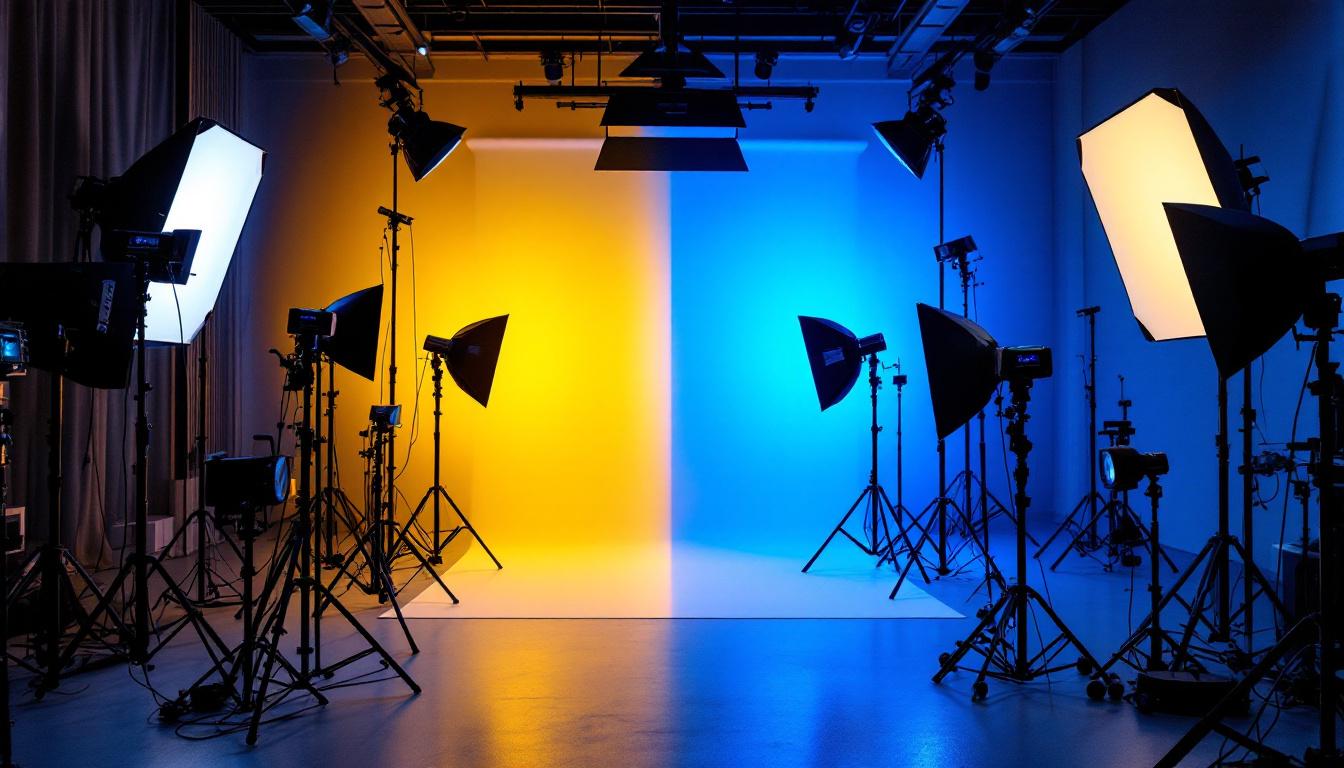
Another common mistake is neglecting the importance of consistent color temperature across all lighting fixtures. Studio lighting often requires a specific Kelvin temperature—typically between 3200K (warm) and 5600K (daylight)—depending on the project’s needs. Mixing lights with different color temperatures can create uneven lighting, color shifts, and unwanted shadows. For instance, a warm tungsten light can clash dramatically with a cooler LED light, resulting in a visually jarring effect that detracts from the overall quality of the shoot.
Lighting contractors sometimes mix tungsten and LED lights without proper gels or adjustments, leading to a confusing color balance on camera. This inconsistency forces photographers and videographers to spend extra time balancing colors during shoots or in post-production, which can delay project timelines and increase costs. Moreover, the impact of inconsistent lighting can extend beyond mere aesthetics; it can influence the mood of the scene and the emotional response of the audience. A poorly lit scene can detract from the narrative, making it crucial to get the lighting right from the outset.
Standardizing color temperature across all fixtures is essential. Using lights with adjustable color temperature or employing gels to match different sources can help maintain a uniform look. This consistency enhances the studio’s versatility and streamlines workflow. Additionally, understanding the color rendering index (CRI) of lighting fixtures is vital, as it indicates how accurately colors are represented under different lights. A higher CRI rating means more true-to-life colors, which is particularly important in fields like fashion photography or product shoots, where color accuracy is paramount. By investing in high-quality lights and ensuring all fixtures are compatible, studios can achieve a professional finish that resonates with both clients and audiences alike.
Ignoring the Role of Light Modifiers and Diffusion
Brightness alone doesn’t make a light suitable for studio use. The quality of light—how soft or harsh it appears—is equally critical. Many contractors overlook the importance of light modifiers such as softboxes, umbrellas, and diffusion panels.
Hard, direct light can create unflattering shadows and highlights, which are difficult to control. Without proper diffusion, subjects may appear washed out or overly contrasted. This is especially detrimental in portrait or product photography where subtlety in lighting can make or break the shot.
Incorporating diffusion tools softens the light, creating a more flattering and natural appearance. Contractors who fail to account for this often deliver lighting setups that require additional adjustments or replacements, increasing client dissatisfaction.
Moreover, the choice of light modifier can significantly influence the mood and tone of the photograph. For instance, a large softbox can envelop the subject in a gentle glow, ideal for romantic or serene themes, while a smaller, harder light source may be more suitable for dramatic or high-contrast imagery. Understanding the nuances of each modifier allows photographers to tailor their lighting to the specific needs of a shoot, enhancing the overall storytelling aspect of their work.
Additionally, the positioning of these modifiers plays a crucial role in achieving the desired effect. A light source placed too far from the subject may lose its softening qualities, while one positioned too close can create overwhelming brightness. Experimentation with angles and distances can yield surprising results, transforming a simple setup into a dynamic visual experience. This level of attention to detail not only elevates the quality of the final images but also demonstrates a contractor’s commitment to their craft, fostering trust and satisfaction among clients.
Underestimating Power and Heat Management
Studio lights can generate significant heat, particularly traditional tungsten or halogen fixtures. Contractors sometimes disregard the impact of heat on both the equipment and the studio environment. Excessive heat can cause discomfort for talent and crew, risk damage to sensitive equipment, and even pose safety hazards.
LED technology has mitigated many heat-related issues, but not all LED fixtures are created equal. Some cheaper models still produce noticeable heat and may lack adequate cooling mechanisms. Additionally, power consumption is a critical factor. Overloading circuits or failing to plan for the electrical load can lead to outages or equipment failure during shoots.
Proper planning includes selecting energy-efficient lights with built-in cooling, ensuring the studio’s electrical infrastructure can handle the load, and considering ventilation or air conditioning solutions to maintain a comfortable environment.
Neglecting Flexibility and Control Features
Studio lighting demands versatility. Contractors often make the mistake of installing fixed or limited-control lighting systems that restrict creative options. Modern lighting solutions offer features like dimming, remote control, adjustable beam angles, and programmable presets.
Without these capabilities, adjusting lighting setups becomes cumbersome and time-consuming. This limitation can frustrate photographers and filmmakers who need to adapt lighting quickly to changing scenes or moods.
Investing in lights with advanced control features enhances the studio’s functionality. Wireless control systems, for example, allow operators to tweak settings without interrupting the shoot. This flexibility not only improves efficiency but also elevates the overall production quality.
Overlooking Maintenance and Durability
Durability is often an afterthought when selecting studio lights. Contractors sometimes choose fixtures based solely on initial price or specifications without considering long-term reliability. Studio environments can be demanding, with frequent setup changes, transportation, and extended use.
Lights that are fragile or prone to failure increase downtime and maintenance costs. Additionally, replacing bulbs or components frequently can disrupt production schedules and inflate budgets.
Prioritizing robust construction, easy maintenance, and availability of replacement parts can save headaches down the line. Investing in reputable brands known for durability ensures that the lighting setup remains dependable over time.
Misjudging the Importance of Beam Angle and Coverage
Beam angle determines how widely light spreads from a fixture. A common oversight is selecting lights with inappropriate beam angles for the studio’s size and intended use. Narrow beams concentrate light in a small area, while wide beams cover larger spaces but with less intensity.
Using a narrow beam light in a large studio can create hotspots and uneven illumination, whereas a wide beam light in a small space might lack the necessary focus and contrast. Contractors must carefully assess the studio layout and shooting requirements to choose the correct beam angles.
Combining lights with varying beam angles can also provide layered lighting effects, enhancing depth and dimension in images or footage. Ignoring this aspect limits creative possibilities and can result in flat, uninspiring visuals.
Failing to Plan for Future Expansion and Upgrades
Studios evolve. Lighting needs change as technology advances and client demands shift. Contractors often make the mistake of installing systems that lack scalability or compatibility with emerging technologies.
Choosing lights and control systems that integrate easily with future upgrades saves time and money. For example, modular lighting systems allow for adding or swapping fixtures without overhauling the entire setup. Similarly, selecting fixtures compatible with standard mounts and accessories ensures flexibility.
Planning for growth demonstrates foresight and professionalism. It positions contractors as partners who understand the dynamic nature of creative studios and are committed to providing long-term value.
Conclusion: Elevating Studio Lighting Through Informed Choices
Lighting contractors play a pivotal role in shaping the quality and efficiency of studio productions. Avoiding common pitfalls-such as ignoring CRI, color temperature consistency, light quality, power management, and control features-can dramatically improve outcomes.
Successful studio lighting hinges on a balance of technical knowledge, practical experience, and attention to detail. By prioritizing color accuracy, flexibility, durability, and scalability, contractors not only meet but exceed client expectations. This approach fosters trust, enhances reputation, and ultimately drives business growth in a competitive market.
Illuminate Your Projects with LumenWholesale
Ready to avoid the common pitfalls and elevate your studio lighting game? At LumenWholesale, we provide contractors with the high-quality, spec-grade lighting solutions you need to succeed. Our extensive selection is designed to meet the highest industry standards, offering you reliable and high-performance lighting at unbeatable wholesale prices. Say goodbye to inflated markups and hello to hassle-free bulk buying with free shipping. Don’t compromise on quality or value—choose LumenWholesale for the perfect blend of affordability and convenience. Elevate your studio lighting now by visiting Wholesale Lighting at the Best Value.