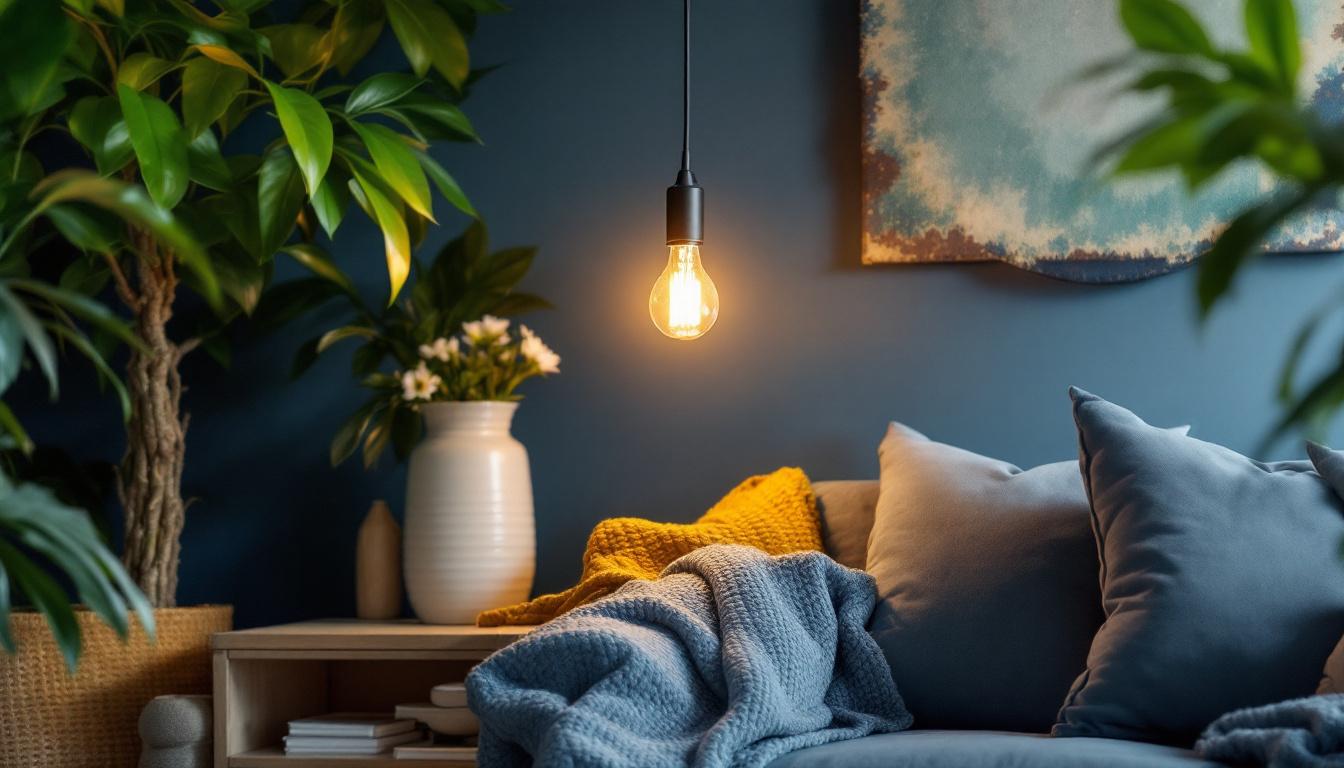
In the realm of lighting, incandescent bulbs have long been a staple due to their warm glow and familiar design. However, one of the most significant drawbacks of these bulbs is their tendency to generate heat. Understanding this characteristic is essential for lighting contractors aiming to optimize their projects for efficiency and safety. This article delves into the heat production of incandescent bulbs and offers strategies to enhance lighting efficiency.
The Science Behind Heat Generation in Incandescent Bulbs
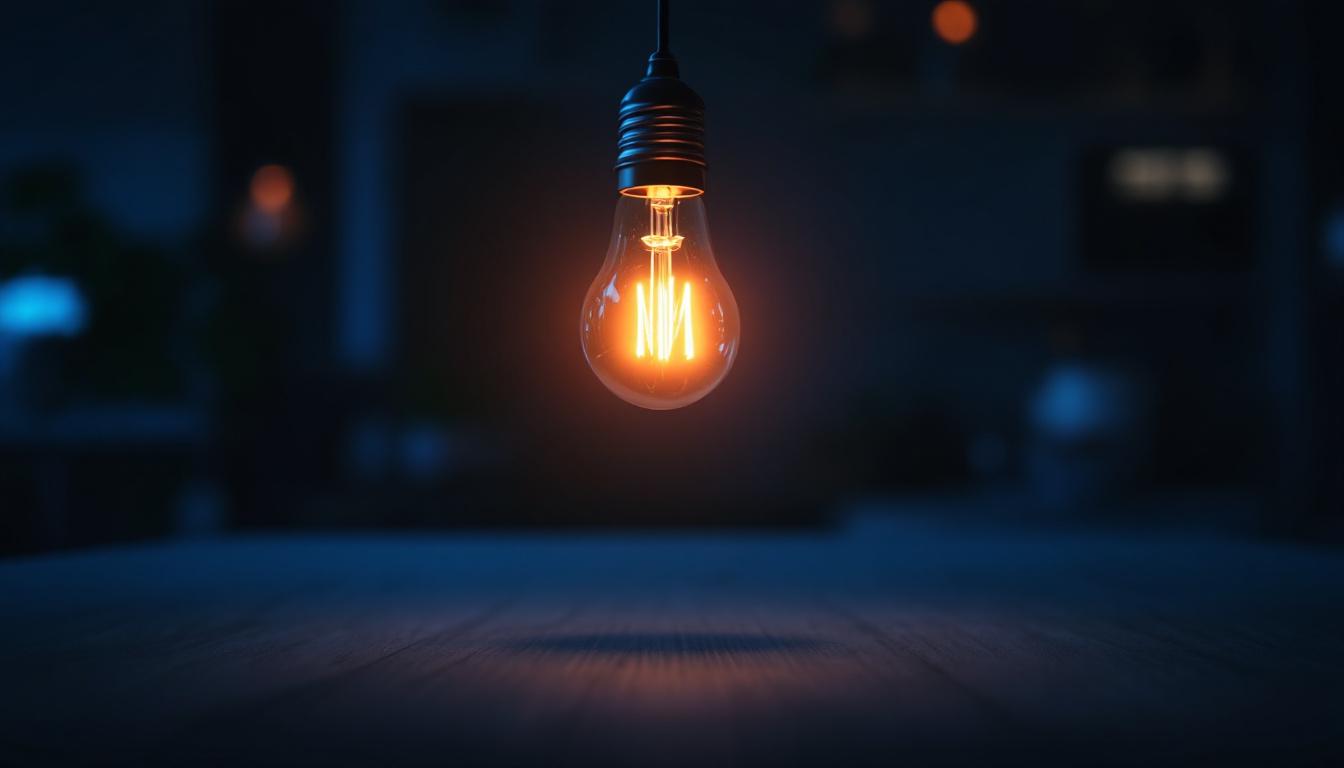
Incandescent light bulbs operate on a straightforward principle: electricity passes through a filament, heating it until it glows and emits light. This process, while effective for producing illumination, is inherently inefficient. A substantial amount of the energy consumed by the bulb is converted into heat rather than light.
How Incandescent Bulbs Work
The filament in an incandescent bulb is typically made from tungsten, which has a high melting point. When electric current flows through the filament, it encounters resistance, leading to the generation of heat. This heat is what causes the filament to reach temperatures around 2,200 to 2,700 degrees Fahrenheit, allowing it to emit visible light.
However, the efficiency of this process is quite low. Only about 10% of the electrical energy used is transformed into light, while the remaining 90% is wasted as heat. This inefficiency not only impacts energy consumption but also raises concerns regarding safety and comfort in various environments. The high temperatures reached by the filament can also lead to a shorter lifespan for the bulb, as the constant thermal cycling can cause the tungsten to evaporate and eventually break the filament.
Heat Dissipation and Its Implications
The heat generated by incandescent bulbs can have several implications, especially in confined spaces or areas with poor ventilation. High temperatures can lead to discomfort for occupants, increase cooling costs in warmer climates, and pose fire hazards if bulbs are placed too close to flammable materials.
Understanding the heat dissipation characteristics of incandescent bulbs is crucial for lighting contractors. Proper placement and selection of fixtures can mitigate these risks and enhance the overall effectiveness of the lighting system. Additionally, the design of the surrounding environment, including the use of heat-resistant materials and adequate airflow, can significantly influence the performance and safety of these bulbs. For example, using lampshades made from heat-resistant glass can help contain the heat while still allowing for effective light diffusion, thereby improving both safety and aesthetics in living spaces.
Moreover, the choice of wattage in incandescent bulbs can further affect heat output. Higher wattage bulbs produce more light but also generate significantly more heat, which can exacerbate the issues mentioned earlier. Therefore, it is essential for consumers and professionals alike to consider the specific lighting needs of a space and select bulbs that balance brightness with safety and energy efficiency. This careful consideration can lead to a more comfortable environment while also reducing energy waste, making it a win-win for both users and the planet.
Evaluating the Efficiency of Incandescent Bulbs
When considering the efficiency of incandescent bulbs, it is vital to look beyond just the initial cost and light output. Factors such as energy consumption, lifespan, and heat generation all play a critical role in determining overall efficiency.
Energy Consumption and Cost
Incandescent bulbs are often less expensive to purchase than their energy-efficient counterparts, such as compact fluorescent lamps (CFLs) or light-emitting diodes (LEDs). However, their higher energy consumption can lead to increased electricity bills over time. Lighting contractors should educate clients about the long-term costs associated with using incandescent bulbs, especially in high-usage areas.
By comparing the wattage of incandescent bulbs to that of more energy-efficient options, contractors can provide clients with a clearer picture of potential savings. For instance, a 60-watt incandescent bulb can be replaced with a 10-watt LED bulb that provides the same light output, drastically reducing energy consumption. Additionally, the energy used by incandescent bulbs is largely converted into heat rather than light, which not only contributes to higher energy bills but can also affect the cooling costs in warmer climates, making the choice of lighting even more critical for overall energy efficiency.
Lifespan and Replacement Frequency
Another critical aspect of efficiency is the lifespan of the bulb. Incandescent bulbs typically last about 1,000 hours, while LED bulbs can last up to 25,000 hours or more. This significant difference means that incandescent bulbs require more frequent replacements, adding to maintenance costs and waste.
Contractors should consider the implications of lifespan when designing lighting systems. In commercial settings, where lights are often on for extended periods, the longevity of the bulb can dramatically affect operational efficiency and costs. Moreover, the environmental impact of disposing of incandescent bulbs, which are not as easily recyclable as LEDs, should be a consideration for businesses aiming to enhance their sustainability practices. By opting for longer-lasting lighting solutions, companies can not only reduce their carbon footprint but also contribute to a circular economy by minimizing waste and promoting the use of recyclable materials.
Strategies for Optimizing Incandescent Lighting
While incandescent bulbs have their limitations, there are several strategies that lighting contractors can employ to optimize their use. By focusing on placement, fixture selection, and supplementary technologies, it is possible to enhance the efficiency and effectiveness of incandescent lighting.
Optimal Placement of Incandescent Bulbs
Placement is crucial when it comes to maximizing the efficiency of incandescent lighting. By strategically positioning bulbs, contractors can minimize heat buildup and enhance light distribution. For instance, placing bulbs in well-ventilated areas can help dissipate heat more effectively.
Additionally, using dimmers can allow for better control over light output, reducing energy consumption and heat generation. By adjusting the brightness based on the time of day or activity, contractors can create a more comfortable environment while extending the lifespan of the bulbs. Furthermore, considering the height at which bulbs are installed can also play a significant role. Installing bulbs at a height that aligns with the eye level of occupants can enhance the perceived brightness and quality of light, making spaces feel more inviting and well-lit.
Choosing the Right Fixtures
The choice of fixtures can also significantly impact the performance of incandescent bulbs. Selecting fixtures that allow for adequate airflow can help manage heat levels. For example, open or semi-open fixtures can facilitate better heat dissipation compared to enclosed designs.
Moreover, using reflectors within fixtures can enhance light distribution, allowing for fewer bulbs to achieve the desired illumination level. This not only reduces energy consumption but also minimizes heat production, making the lighting system more efficient overall. It’s also beneficial to consider the color and material of the fixtures; lighter colors can reflect more light, while materials that conduct heat well can help maintain optimal temperatures. By combining aesthetic appeal with functional design, contractors can create lighting solutions that are both visually pleasing and energy-efficient.
Alternatives to Incandescent Lighting
While incandescent bulbs have been a popular choice for many years, advancements in lighting technology have introduced several alternatives that offer greater efficiency and reduced heat generation. Understanding these options can help contractors make informed decisions when designing lighting systems. As energy costs rise and environmental concerns become increasingly pressing, exploring these alternatives is not just beneficial but essential for modern lighting design.
Compact Fluorescent Lamps (CFLs)
CFLs are a well-known alternative to incandescent bulbs, offering significant energy savings. They use about 70% less energy than incandescent bulbs and can last up to ten times longer. CFLs operate by passing electricity through a gas-filled tube, which produces ultraviolet light that excites a phosphor coating inside the bulb, creating visible light.
While CFLs do contain small amounts of mercury, which requires careful disposal, their energy efficiency and longer lifespan make them a viable option for many applications. Contractors should consider recommending CFLs to clients looking for more sustainable lighting solutions. Furthermore, CFLs are available in various shapes and sizes, making them suitable for a wide range of fixtures, from table lamps to recessed lighting. Their ability to dim and provide a warm light similar to incandescent bulbs can also help ease the transition for clients who are accustomed to traditional lighting.
Light-Emitting Diodes (LEDs)
LEDs represent the pinnacle of lighting technology, providing unparalleled energy efficiency and longevity. Consuming up to 80% less energy than incandescent bulbs, LEDs can last 25,000 hours or more. They produce very little heat, making them an ideal choice for various applications.
In addition to their efficiency, LEDs are available in a wide range of color temperatures and designs, allowing for greater flexibility in lighting design. Contractors can leverage the advantages of LEDs to create innovative and energy-efficient lighting solutions for their clients. The versatility of LEDs extends beyond just residential use; they are increasingly being utilized in commercial settings, street lighting, and even in horticulture for plant growth. Moreover, advancements in smart LED technology have enabled features such as remote control and programmable settings, enhancing user experience and energy management. This adaptability not only meets the diverse needs of clients but also contributes to a more sustainable future by reducing overall energy consumption.
Conclusion: Balancing Warmth and Efficiency in Lighting
Incandescent light bulbs have played a significant role in the evolution of lighting, providing a warm and inviting glow that many still appreciate. However, their inefficiency and heat generation cannot be overlooked. By understanding the science behind their operation and exploring strategies for optimization, lighting contractors can enhance the overall effectiveness of their lighting designs.
While alternatives like CFLs and LEDs offer substantial benefits in terms of energy efficiency and heat reduction, there are still scenarios where incandescent bulbs may be suitable. The key lies in finding a balance between warmth and efficiency, ensuring that clients receive the best possible lighting solutions for their needs.
As the lighting industry continues to evolve, staying informed about advancements in technology and energy efficiency will empower contractors to make better choices for their projects. By prioritizing efficiency and safety, lighting professionals can contribute to a more sustainable future while meeting the diverse needs of their clients.
Illuminate Your Projects with LumenWholesale
Ready to elevate your lighting projects with efficiency and style? Look no further than LumenWholesale, where we offer an exceptional range of spec-grade lighting products designed to meet your every need. Say goodbye to local distributor markups and hello to premium lighting at wholesale prices. With our commitment to quality, affordability, and convenience, you’ll find the perfect lighting solutions to balance warmth and efficiency in any space. Take advantage of our hassle-free bulk buying and free shipping today. Discover the value that LumenWholesale brings to your projects by visiting Wholesale Lighting at the Best Value.