Understanding Flat Ceiling Lights and Their Role in Modern Lighting
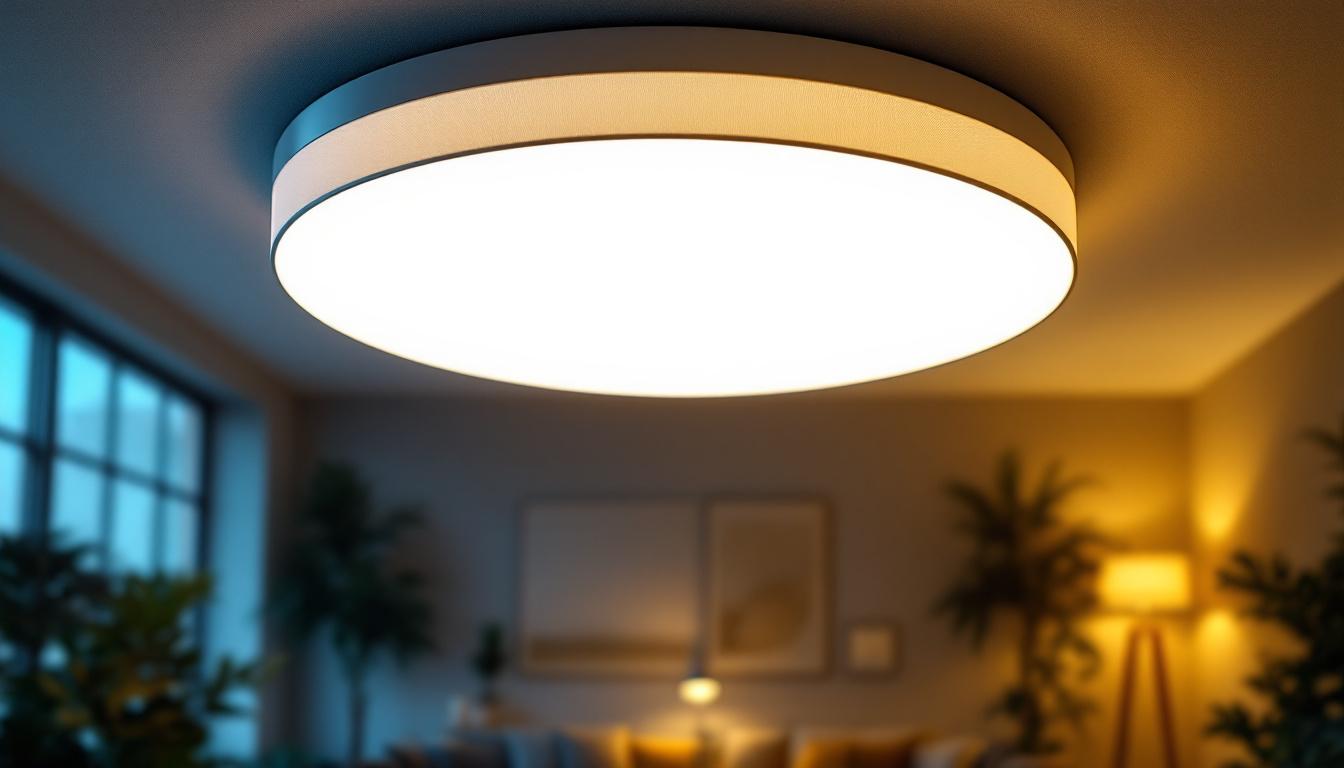
Flat ceiling lights have become a staple in contemporary lighting design, especially in commercial and residential projects where a sleek, minimalist aesthetic is desired. Unlike traditional bulky fixtures, flat ceiling lights offer a low-profile solution that blends seamlessly with the ceiling surface, providing uniform illumination without drawing attention to the fixture itself.
For lighting contractors, understanding the nuances of flat ceiling lights is crucial. These fixtures are not only about aesthetics; they play a significant role in energy efficiency, light distribution, and overall ambiance. Their design often incorporates advanced LED technology, which significantly reduces energy consumption compared to older lighting methods.
Moreover, flat ceiling lights are versatile and can be used in various settings—from office spaces and retail environments to residential kitchens and hallways. Their ability to deliver consistent, glare-free light makes them an excellent choice for environments where visual comfort and energy efficiency are priorities.
In addition to their functional benefits, flat ceiling lights also offer a range of design options that can enhance the overall aesthetic of a space. Many models come in various finishes, sizes, and shapes, allowing designers to select fixtures that complement the existing decor. For instance, a brushed nickel finish can add a modern touch to a minimalist room, while a matte black option might suit an industrial-themed space. Furthermore, some flat ceiling lights are designed to be dimmable, providing flexibility in lighting levels to suit different activities, from bright task lighting to soft ambient illumination.
Another important aspect to consider is the integration of smart technology in flat ceiling lights. Many contemporary models now come equipped with smart features that allow users to control lighting remotely via smartphone apps or voice-activated devices. This capability not only enhances convenience but also allows for personalized lighting experiences tailored to individual preferences and routines. For example, homeowners can program their lights to gradually brighten in the morning, simulating a natural sunrise, or set them to dim in the evening as part of a wind-down routine. Such innovations are increasingly appealing to tech-savvy consumers looking to create a more connected and efficient living environment.
Key Factors Influencing Efficiency in Flat Ceiling Lighting
Light Source and Technology
The efficiency of flat ceiling lights largely depends on the type of light source used. LED technology dominates this segment due to its superior energy efficiency, longevity, and low heat output. LEDs consume significantly less power than incandescent or fluorescent bulbs while delivering the same or higher levels of brightness.
When selecting LED flat ceiling lights, pay attention to the luminous efficacy, measured in lumens per watt (lm/W). Higher lm/W values indicate more light output for less energy consumption, which is essential for optimizing efficiency. Additionally, choosing LEDs with a high Color Rendering Index (CRI) ensures that colors appear natural and vibrant, enhancing the quality of light in the space. Beyond just energy savings, the longevity of LEDs—often rated for up to 25,000 hours or more—means less frequent replacements, reducing both maintenance costs and environmental impact.
Fixture Design and Materials
The design of the fixture itself impacts light distribution and efficiency. Flat ceiling lights with well-engineered reflectors and diffusers can maximize light output and reduce glare. Materials used in the diffuser, such as frosted acrylic or polycarbonate, help scatter light evenly, preventing harsh shadows and hotspots. The choice of materials not only affects aesthetics but also plays a role in the fixture’s overall durability and performance in various environments.
Furthermore, the fixture’s thermal management system is vital. Efficient heat dissipation prolongs the lifespan of LEDs and maintains consistent performance. Lighting contractors should evaluate the fixture’s build quality and thermal design to ensure long-term reliability and efficiency. Additionally, innovative designs that incorporate features like adjustable angles or modular components can enhance versatility, allowing users to tailor lighting to specific tasks or moods, thereby increasing the overall functionality of the space.
Installation and Placement
Proper installation is critical to achieving maximum efficiency. Flat ceiling lights should be strategically placed to optimize light coverage and minimize the number of fixtures needed. Factors such as ceiling height, room dimensions, and the intended use of the space must be considered. For instance, in areas with higher ceilings, using fixtures with higher lumen output or adjustable mounting heights can ensure adequate illumination without excessive energy use.
Using lighting simulation tools can aid in determining the optimal layout, ensuring uniform illumination while avoiding over-lighting or dark spots. Additionally, integrating dimming controls and occupancy sensors can further enhance efficiency by adjusting light levels based on actual usage. This not only conserves energy but also contributes to a more comfortable environment, as lighting can be tailored to the activity at hand, whether it’s focused work or relaxed social gatherings. Moreover, considering the integration of smart home technology can provide users with the ability to control their lighting remotely, further enhancing both convenience and efficiency in modern living spaces.
Strategies for Maximizing Efficiency in Flat Ceiling Lighting
Utilize Advanced LED Drivers and Controls
Modern LED drivers with dimming capabilities and smart controls allow for dynamic lighting adjustments. Implementing these technologies enables lighting contractors to tailor light output to the needs of the space, reducing energy consumption during periods of low activity.
Integration with building management systems (BMS) or standalone smart lighting controls can provide real-time monitoring and automated adjustments, optimizing energy use without compromising comfort or functionality.
Incorporate Daylight Harvesting Techniques
Daylight harvesting involves using natural light to supplement artificial lighting, reducing the need for electric light during daylight hours. Flat ceiling lights can be paired with sensors that detect ambient light levels and adjust artificial lighting accordingly.
This approach not only conserves energy but also enhances occupant well-being by maintaining a connection to natural light cycles. Lighting contractors should consider the orientation of the space and window placement when designing lighting layouts to maximize the benefits of daylight harvesting.
Choose Fixtures with High Efficacy and Longevity
Investing in high-quality flat ceiling lights with proven efficacy and long operational life reduces maintenance costs and energy use over time. Fixtures that meet or exceed industry standards, such as those certified by ENERGY STAR or DLC (DesignLights Consortium), offer assurance of performance and efficiency.
Additionally, selecting products with modular components can simplify future upgrades or replacements, ensuring the lighting system remains efficient as technology evolves.
Case Studies: Successful Implementation of Efficient Flat Ceiling Lighting
Commercial Office Space Retrofit
A mid-sized commercial office underwent a lighting retrofit, replacing outdated fluorescent troffers with flat LED ceiling lights. The new fixtures featured high lumen output with a CRI above 80, providing bright, natural-looking light that improved employee comfort and productivity.
By integrating occupancy sensors and daylight harvesting controls, the facility reduced its lighting energy consumption by over 40%. The retrofit also decreased maintenance costs due to the extended lifespan of the LED fixtures, demonstrating a clear return on investment.
Healthcare Facility Lighting Upgrade
In a healthcare environment, flat ceiling lights were selected for their low profile and uniform light distribution, critical for patient comfort and clinical tasks. The lighting contractor prioritized fixtures with excellent thermal management and high CRI to ensure accurate color rendering for medical assessments.
The installation included smart controls that adjusted lighting levels based on time of day and occupancy, enhancing energy efficiency while maintaining a therapeutic atmosphere. This project highlighted the importance of tailored lighting solutions in specialized settings.
Best Practices for Lighting Contractors When Specifying Flat Ceiling Lights
Conduct Comprehensive Lighting Assessments
Before specifying flat ceiling lights, perform detailed assessments of the space, considering factors such as room function, user needs, and existing lighting conditions. This ensures that the lighting design aligns with both efficiency goals and occupant comfort.
Collaborate with Manufacturers and Suppliers
Engage with reputable manufacturers to understand the latest product innovations and obtain technical support. Access to detailed photometric data and installation guidelines helps in selecting the most appropriate fixtures and ensuring proper implementation.
Prioritize Quality and Compliance
Ensure all specified products comply with relevant safety and efficiency standards. Prioritizing quality reduces the risk of premature failures and supports sustainable building practices, reinforcing the contractor’s reputation for delivering reliable lighting solutions.
Future Trends in Flat Ceiling Lighting Efficiency
Advancements in LED technology continue to push the boundaries of efficiency and design flexibility. Emerging trends include tunable white lighting, which allows for dynamic adjustment of color temperature to support circadian rhythms, and integration with Internet of Things (IoT) platforms for enhanced control and data analytics.
For lighting contractors, staying informed about these developments is essential to offer cutting-edge solutions that meet evolving client expectations and regulatory requirements. The shift towards sustainable building certifications also emphasizes the importance of efficient lighting systems in achieving environmental goals.
Conclusion
Optimizing flat ceiling lights for maximum efficiency involves a holistic approach that encompasses technology selection, fixture design, installation practices, and control strategies. Lighting contractors play a pivotal role in guiding clients through these considerations to deliver lighting solutions that are both energy-efficient and visually comfortable.
By leveraging advanced LED technology, smart controls, and thoughtful design, contractors can enhance the performance of flat ceiling lighting systems, reduce operational costs, and contribute to sustainable building practices. As the lighting industry evolves, embracing these principles will ensure continued success and client satisfaction in an increasingly competitive market.
Illuminate Your Projects with LumenWholesale
Ready to elevate your lighting game with the most efficient flat ceiling lights on the market? Look no further than LumenWholesale, where we provide lighting contractors with the highest quality, spec-grade lighting products at unbeatable wholesale prices. Say goodbye to local distributor markups and hello to superior lighting solutions that meet the highest industry standards. With our hassle-free bulk buying and free shipping, you can ensure your projects shine with premium lighting at the best value. Don’t compromise on quality or cost. Discover wholesale lighting at the best value today and light up your spaces with confidence and convenience.