Understanding Commercial Track Lighting: The Basics
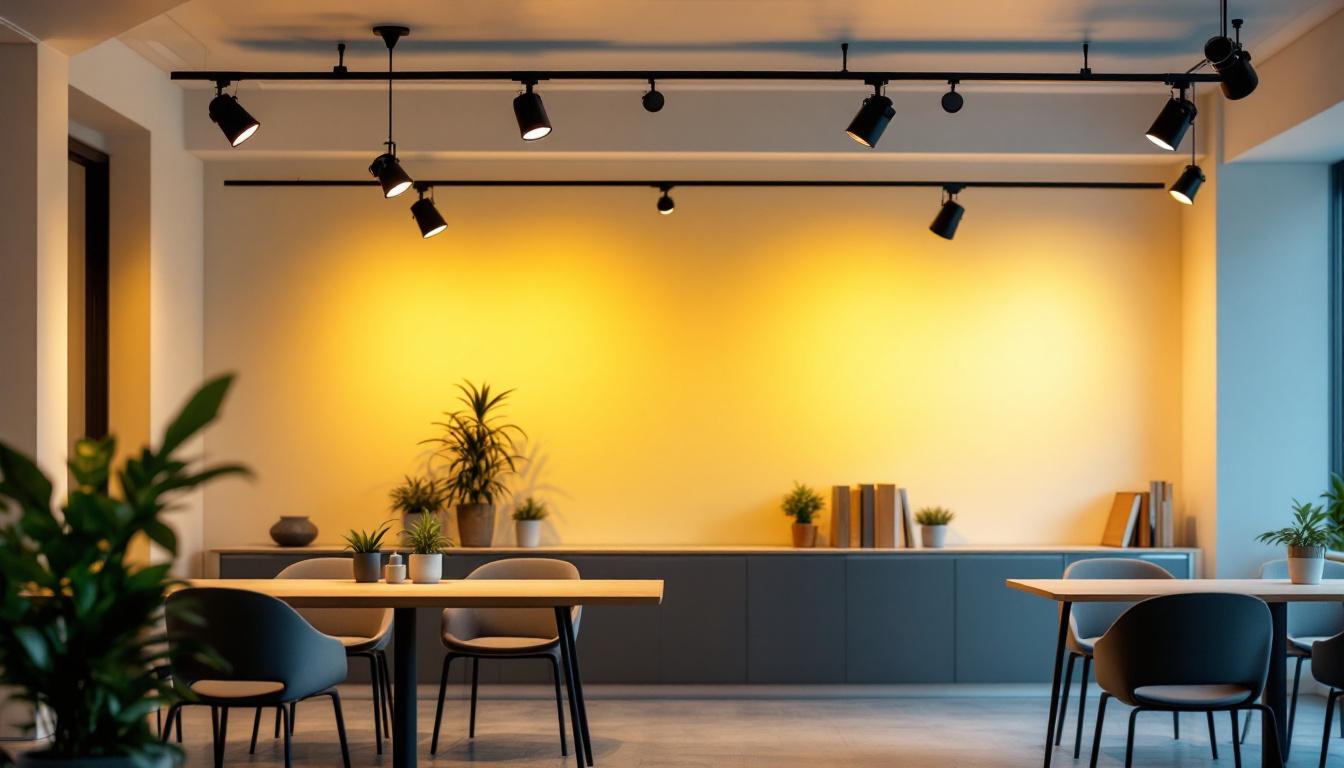
Track lighting is a versatile and efficient solution widely used in commercial spaces, from retail stores to offices and galleries. Unlike traditional fixed lighting, track lighting offers flexibility in positioning and directing light, which is crucial for dynamic environments where lighting needs can change frequently.
At its core, a commercial track lighting system consists of three main components: the track, the heads (or fixtures), and the power supply. The track is mounted on ceilings or walls and serves as the conduit for electrical current. The heads attach to the track and can be moved, rotated, or angled to illuminate specific areas or objects. This adaptability makes track lighting a favorite among lighting contractors working in commercial settings.
Why Choose Track Lighting for Commercial Applications?
Commercial environments demand lighting solutions that are both functional and aesthetically pleasing. Track lighting meets these requirements by allowing precise control over light direction and intensity. For example, in retail stores, track lighting highlights merchandise, creating focal points that attract customers. In offices, it can provide task lighting that reduces eye strain and increases productivity.
Additionally, track lighting systems are relatively easy to install and modify. This is particularly beneficial in commercial spaces where layouts often change due to renovations or evolving business needs. Lighting contractors appreciate the ability to add or reposition fixtures without extensive rewiring. Furthermore, the variety of styles and finishes available for track lighting fixtures allows businesses to align their lighting choices with their brand identity, enhancing the overall aesthetic of the space.
Moreover, modern track lighting systems often incorporate energy-efficient technologies such as LED bulbs, which not only reduce energy consumption but also offer longer lifespans compared to traditional incandescent bulbs. This shift towards energy efficiency is not only cost-effective but also aligns with the growing emphasis on sustainability in commercial design. Businesses can make a positive environmental impact while enjoying the benefits of reduced utility bills. As a result, track lighting is not just a practical choice; it is also a forward-thinking solution that reflects a commitment to modern design and responsibility.
Types of Commercial Track Lighting Systems
Not all track lighting systems are created equal. Understanding the different types available helps contractors recommend the best option for each project.
H-Type (Halo)
The H-type track is one of the most common systems used in commercial settings. It operates on 120 volts and is compatible with a wide range of fixtures. This system is known for its robust construction and ease of installation. Lighting contractors often choose H-type tracks for retail and hospitality projects due to their reliability and versatility. The ability to easily reposition fixtures along the track allows for dynamic lighting arrangements that can adapt to changing displays or layouts, making it a favorite among store designers and event planners alike. Additionally, the H-type track can accommodate various bulb types, from incandescent to LED, providing further options for energy efficiency and ambiance.
L-Type (Lightolier)
L-type tracks also operate at 120 volts but feature a different electrical configuration. They are popular in offices and galleries where subtle, adjustable lighting is needed. The L-type system supports a variety of heads, including spotlights and floodlights, making it suitable for highlighting artwork or architectural details. This flexibility allows designers to create focused lighting effects that enhance the viewer’s experience without overwhelming the space. Furthermore, the L-type’s sleek profile can blend seamlessly into modern office environments, contributing to a clean and professional aesthetic while ensuring that important areas are well-lit and visually appealing.
J-Type (Juno)
J-type tracks are similar to H-type but have a slightly different design and electrical setup. They are often used in commercial environments where a sleek, modern aesthetic is desired. J-type systems are compatible with a broad range of fixtures, offering contractors flexibility in design and function. This adaptability makes them ideal for spaces that require a balance of form and function, such as upscale retail stores or trendy restaurants. Additionally, the J-type track can support a variety of lighting technologies, including dimmable options, allowing for customizable lighting scenarios that can enhance the mood of the environment, whether it be a vibrant shopping experience or a cozy dining atmosphere.
Low-Voltage Track Lighting
Low-voltage track systems operate at 12 or 24 volts and require a transformer to step down the voltage. These systems are energy-efficient and produce less heat, making them ideal for sensitive environments like museums or galleries. However, they involve more complex installation and maintenance, which contractors should consider when planning a project. The low-voltage design allows for smaller, more compact fixtures that can produce high-quality light without the bulk of traditional lighting options. This is particularly advantageous in spaces where aesthetics are paramount, as the fixtures can be less obtrusive while still delivering powerful illumination. Additionally, low-voltage systems can often be integrated with smart technology, allowing for advanced control options such as remote dimming and scheduling, which can further enhance the functionality of the lighting in commercial settings.
Key Features and Components Lighting Contractors Should Know
When specifying or installing commercial track lighting, understanding the components and their features is essential for success.
Track Length and Mounting Options
Tracks come in various lengths, typically ranging from 2 to 8 feet. Contractors can connect multiple tracks to cover larger areas or create custom lighting layouts. Mounting options include surface-mounted, recessed, and suspended tracks, each suited to different ceiling types and design preferences.
Track Heads and Fixtures
The choice of track heads impacts both the functionality and style of the lighting system. Common types include spotlights, floodlights, and linear fixtures. Many commercial track heads feature adjustable beam angles and dimming capabilities, allowing for tailored lighting scenes. LED technology dominates this space due to its energy efficiency, long lifespan, and reduced heat output.
Power Feed and Electrical Considerations
Power feeds supply electricity to the track and can be positioned at the end, center, or side of the track. Contractors must ensure the power feed matches the track type and that the electrical load does not exceed the system’s capacity. Proper wiring and grounding are critical for safety and code compliance.
Installation Best Practices for Commercial Track Lighting
Proper installation ensures optimal performance, longevity, and safety of track lighting systems. Lighting contractors should follow industry standards and manufacturer guidelines closely.
Planning the Layout
Before installation, assess the space to determine the best track placement. Consider ceiling height, room dimensions, and the locations where focused lighting is needed. Planning helps avoid unnecessary bends or joints in the track, which can complicate wiring and reduce system reliability.
Electrical Safety and Code Compliance
Track lighting must comply with local electrical codes and standards such as the National Electrical Code (NEC). This includes using the correct gauge of wire, installing proper circuit breakers, and ensuring all connections are secure. Contractors should also verify that the total wattage of fixtures does not exceed the track’s rated capacity.
Testing and Adjustments
After installation, test the system thoroughly. Check for flickering, loose connections, and proper operation of dimmers or controls. Adjust the heads to achieve the desired lighting effect. Documenting the setup can be helpful for future maintenance or modifications.
Common Challenges and Solutions in Commercial Track Lighting
While track lighting offers many advantages, contractors often encounter challenges that require practical solutions.
Compatibility Issues
One common problem is mixing incompatible components, such as using heads designed for a different track type. This can cause poor electrical contact or mechanical instability. Always verify compatibility before installation and source all components from reputable manufacturers.
Heat Management
Although LED fixtures generate less heat than traditional bulbs, heat buildup can still occur, especially in compact track heads. Proper spacing and ventilation are essential to prevent overheating, which can shorten fixture lifespan and pose safety risks.
Maintaining Flexibility Without Sacrificing Stability
Track lighting’s flexibility is a double-edged sword. Frequent repositioning of heads can loosen connections or wear out components. Contractors should educate clients on proper handling and recommend periodic inspections to maintain system integrity.
Emerging Trends and Technologies in Commercial Track Lighting
Staying current with advances in track lighting technology can give contractors a competitive edge and offer clients better solutions.
Smart Lighting Integration
Many commercial track lighting systems now incorporate smart controls, enabling remote operation, scheduling, and scene setting through apps or building management systems. This enhances energy efficiency and user convenience, particularly in large or multi-use spaces.
Advanced LED Technologies
LED advancements continue to improve color rendering, dimming smoothness, and energy consumption. High-CRI (Color Rendering Index) LEDs are especially valuable in retail and art spaces where accurate color representation is critical.
Sustainable and Energy-Efficient Solutions
Energy codes and sustainability goals drive demand for lighting solutions that reduce power use and environmental impact. Track lighting systems with integrated occupancy sensors and daylight harvesting capabilities help meet these requirements while maintaining performance.
Final Thoughts for Lighting Contractors
Commercial track lighting is a powerful tool in a lighting contractor’s arsenal. Its adaptability, efficiency, and aesthetic appeal make it a go-to choice for diverse commercial applications. However, success depends on a deep understanding of system types, components, installation best practices, and emerging technologies.
Contractors who prioritize compatibility, safety, and client education will deliver lighting solutions that not only meet but exceed expectations. Keeping up with innovations and industry standards ensures that commercial track lighting installations remain reliable, efficient, and visually striking for years to come.
Illuminate Your Projects with LumenWholesale
Ready to elevate your commercial track lighting installations? Choose LumenWholesale for an unparalleled selection of high-quality, spec-grade lighting products at the best wholesale prices. Our commitment to cutting out the middleman means you get the most cost-effective solutions for your lighting needs. With free shipping on bulk orders, you can stock up on premium lighting without the worry of hidden fees or compromises. Don’t settle for less; ensure your projects shine with reliability and performance. Discover wholesale lighting at the best value and make LumenWholesale your trusted partner in commercial lighting excellence.