Understanding the Integral Role of Ceiling Fan Light Kits in Lighting Projects
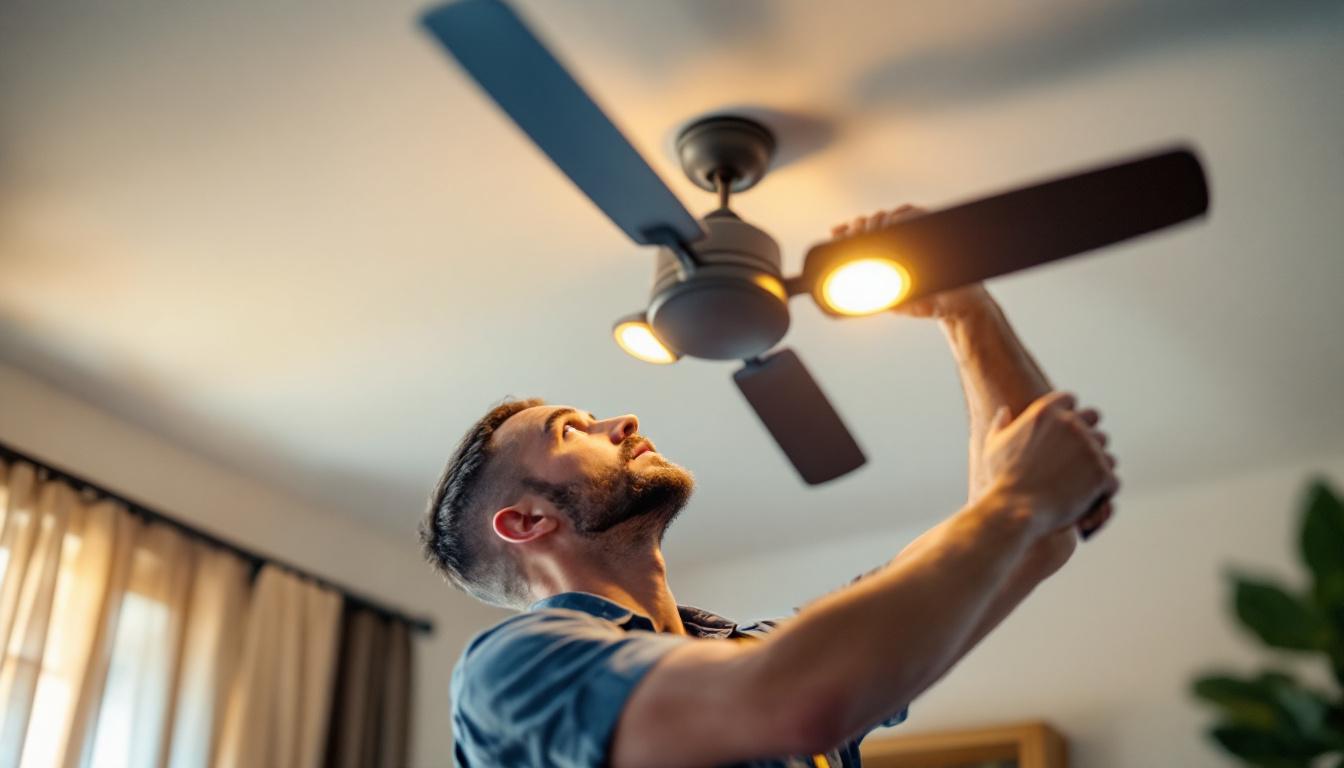
Ceiling fans with integrated lighting have become a staple in both residential and commercial environments. For lighting contractors, understanding the components that make up these fixtures is essential for delivering quality installations and maintenance services. Unlike standalone ceiling fans or lighting fixtures, ceiling fans with lights combine two functional elements into one, requiring a nuanced grasp of their parts and how they interact.
Lighting contractors often encounter clients who expect efficient, aesthetically pleasing, and safe lighting solutions. Ceiling fans with lights meet these demands by offering dual functionality—air circulation and illumination—within a single fixture. This dual-purpose design not only saves space but also enhances energy efficiency when properly installed and maintained.
Recognizing the importance of each part within these fixtures allows contractors to troubleshoot issues effectively, recommend appropriate upgrades, and ensure compliance with electrical codes and safety standards. This knowledge ultimately translates into higher customer satisfaction and fewer callbacks.
Moreover, the aesthetic appeal of ceiling fan light kits cannot be overlooked. With a variety of styles, finishes, and designs available, these fixtures can complement any interior décor, from modern minimalist to rustic charm. Contractors can guide clients in selecting a fan that not only meets their functional needs but also enhances the overall ambiance of the space. For instance, a sleek, contemporary fan with an integrated LED light can serve as a focal point in a living room, while a vintage-inspired model may add character to a cozy den.
Additionally, the technological advancements in ceiling fan light kits have introduced features such as smart controls and energy-efficient LED lighting. These innovations allow users to adjust fan speeds and light brightness remotely, creating a customizable environment that caters to their preferences. By staying informed about these developments, contractors can offer clients cutting-edge solutions that enhance comfort and convenience, ultimately positioning themselves as knowledgeable professionals in a competitive market.
Key Components of Ceiling Fans With Lights and Their Functions
Motor Assembly
The motor assembly is the heart of the ceiling fan, responsible for driving the blades to circulate air. For lighting contractors, understanding the motor’s specifications—such as horsepower, speed settings, and noise levels—is crucial. A well-functioning motor ensures that the fan operates smoothly without compromising the lighting components attached to it.
Modern motor assemblies often include energy-efficient designs, such as DC motors, which consume less power and offer quieter operation. Lighting contractors should be familiar with these technologies to advise clients on the best options for energy savings and performance. Additionally, many contemporary motors come equipped with advanced features like reverse functions, allowing users to switch the direction of airflow depending on the season, enhancing comfort and energy efficiency throughout the year.
Light Kit Assembly
The light kit is the component that houses the bulbs and diffusers, providing illumination. It can vary widely in design, from simple single-bulb fixtures to elaborate multi-light arrangements with dimming capabilities. Contractors must understand the types of bulbs compatible with the light kit, such as LED, incandescent, or CFL, as well as the wattage limits to prevent electrical hazards.
Additionally, the light kit’s mounting mechanism and wiring must be compatible with the fan’s motor assembly. Mismatched parts can lead to installation difficulties or operational failures. Lighting contractors should verify compatibility before installation to ensure seamless integration. Furthermore, the aesthetic design of the light kit can significantly affect the overall look of the room. Contractors should consider the style preferences of their clients, whether they lean towards modern, traditional, or transitional designs, to ensure that the chosen light kit complements the existing decor.
Fan Blades and Mounting Hardware
While primarily responsible for air circulation, fan blades and their mounting hardware also influence the overall balance and stability of the fixture. Uneven or improperly installed blades can cause wobbling, which may affect the light kit’s performance and longevity.
Contractors should inspect blade condition and mounting integrity during installations and maintenance visits. Replacing worn or damaged blades and tightening hardware can prevent operational issues that might otherwise be mistaken for electrical faults. Moreover, blade material and design can impact both performance and aesthetics. Wooden blades may offer a classic look and warmth, while plastic or metal blades can provide a sleek, modern appearance. Understanding these nuances allows contractors to make informed recommendations that align with client preferences and functional needs.
Electrical Wiring and Control Systems
Ceiling fans with lights require complex wiring configurations to manage both the fan motor and the lighting circuits. Lighting contractors must be adept at interpreting wiring diagrams and ensuring that connections comply with local electrical codes.
Control systems, including wall switches, remote controls, and smart home integrations, add another layer of complexity. Proper installation and programming of these controls enhance user convenience and energy efficiency, making this expertise invaluable for contractors. Additionally, the rise of smart technology has introduced features such as app-based controls and voice activation, allowing users to adjust fan speed and lighting from their smartphones or through smart assistants. This not only elevates the user experience but also opens up new avenues for contractors to offer cutting-edge solutions to their clients, ensuring they stay ahead in a competitive market.
Why Lighting Contractors Must Prioritize Quality and Compatibility
Using high-quality, compatible parts in ceiling fans with lights is not merely a matter of preference—it is a critical safety and performance consideration. Inferior components can lead to electrical shorts, overheating, or mechanical failures, posing risks to occupants and property.
Moreover, compatibility between the fan motor and light kit ensures that the fixture operates as intended. For example, some light kits are designed specifically for certain fan models and may not fit or function correctly with others. Lighting contractors who prioritize compatibility reduce the likelihood of installation errors and improve the longevity of the fixture.
In addition, quality parts often come with manufacturer warranties and certifications, providing contractors and clients with peace of mind. These assurances are particularly important in commercial settings where liability concerns are heightened.
Furthermore, the aesthetic appeal of a ceiling fan and light combination should not be overlooked. High-quality components often feature superior finishes and designs that enhance the overall look of a space. When lighting contractors select parts that are both compatible and visually appealing, they contribute to the creation of environments that are not only functional but also inviting and stylish. This attention to detail can significantly impact customer satisfaction and lead to repeat business or referrals.
Additionally, energy efficiency is another critical factor that lighting contractors must consider. Quality components typically offer better energy performance, which can lead to lower utility bills for clients and a reduced carbon footprint. By choosing energy-efficient light kits and fan motors, contractors can help their clients save money while also promoting sustainable practices. This commitment to energy efficiency not only benefits the client but also enhances the contractor’s reputation as a responsible and forward-thinking professional in the industry.
Maintenance and Troubleshooting: Essential Skills for Lighting Contractors
Ceiling fans with lights require periodic maintenance to sustain optimal performance. Lighting contractors play a vital role in diagnosing and resolving issues that arise over time, such as flickering lights, fan motor noise, or control malfunctions.
Routine maintenance tasks include cleaning fan blades and light fixtures, checking electrical connections, and inspecting control systems. Contractors should also be prepared to replace worn components, such as capacitors, bulbs, or remote control receivers, to restore full functionality. Regular maintenance not only prolongs the lifespan of the fixtures but also enhances energy efficiency, which can lead to significant savings on electricity bills for homeowners.
Effective troubleshooting begins with a thorough understanding of the fixture’s parts and their interactions. For instance, a flickering light may be caused by a loose bulb, faulty wiring, or an incompatible dimmer switch. Systematic diagnosis helps contractors identify the root cause quickly, minimizing downtime for clients. Furthermore, understanding the specific characteristics of different fan models and their electrical requirements can aid in preventing future issues, allowing contractors to provide tailored advice on usage and care.
In addition to technical skills, communication is key for lighting contractors. They must be able to explain complex electrical issues in layman’s terms to clients, ensuring that homeowners understand the importance of maintenance and the steps involved in troubleshooting. This not only builds trust but also empowers clients to recognize early warning signs of potential problems, such as unusual noises or changes in performance. By fostering a proactive approach to maintenance, contractors can help clients avoid costly repairs and enhance the overall safety of their home lighting systems.
Moreover, staying updated with the latest advancements in lighting technology is crucial for contractors. With the rise of smart lighting systems and energy-efficient LED options, understanding how these innovations work and how they can be integrated into existing setups is essential. This knowledge allows contractors to offer clients the best solutions tailored to their needs while also promoting sustainable practices. As the industry evolves, those who adapt and expand their skill set will not only remain competitive but will also provide greater value to their clients.
Emerging Trends and Innovations in Ceiling Fan Light Kits
Technological advancements continue to shape the ceiling fan with light market, offering lighting contractors new opportunities to enhance their service offerings. LED lighting has become the standard due to its energy efficiency, long lifespan, and versatility in color temperature options.
Smart ceiling fans with integrated lighting are gaining popularity, featuring app-controlled speed and brightness settings, voice activation, and integration with home automation systems. Lighting contractors who stay informed about these innovations can provide cutting-edge solutions that appeal to tech-savvy clients.
Additionally, eco-friendly materials and designs are becoming more prevalent, aligning with growing consumer demand for sustainable products. Contractors knowledgeable about these trends can advise clients on environmentally responsible choices that do not compromise performance or aesthetics.
Conclusion: Elevating Contractor Expertise Through Comprehensive Knowledge
For lighting contractors, mastery of ceiling fans with lights parts and their functions is indispensable. This expertise enables contractors to deliver installations that are safe, efficient, and tailored to client needs. It also empowers them to perform effective maintenance and troubleshooting, reducing service calls and enhancing reputation.
By prioritizing quality, compatibility, and staying abreast of industry trends, lighting contractors can position themselves as trusted professionals in a competitive market. Ultimately, a deep understanding of ceiling fan light kits not only benefits contractors but also contributes to safer, more comfortable, and energy-efficient living and working spaces.
Get Your Premium Ceiling Fan Light Kits at LumenWholesale
Ready to elevate your lighting projects with the highest quality ceiling fan light kits? Look no further than LumenWholesale, where we offer an extensive selection of spec-grade lighting products at unbeatable wholesale prices. Say goodbye to inflated markups and hello to reliable, high-performance lighting that meets the highest industry standards. Plus, with free shipping on bulk orders, you can stock up on premium lighting solutions without the hassle of hidden fees. Don’t compromise on quality or value—choose LumenWholesale for the perfect blend of affordability and convenience. Wholesale Lighting at the Best Value is just a click away.