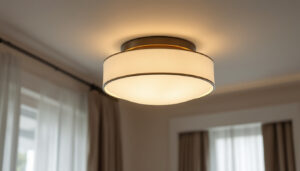
Introduction to Thin Lights and Their Growing Popularity
Lighting contractors are constantly seeking innovative solutions that streamline installation processes, reduce costs, and enhance client satisfaction. One such innovation gaining traction in the industry is the use of thin lights. These ultra-slim lighting fixtures offer a modern aesthetic combined with practical benefits that can transform how lighting projects are approached.
Thin lights, often referred to as slim-profile LED panels or thin LED fixtures, are designed to be significantly thinner than traditional lighting options. Their sleek form factor allows for versatile applications in both residential and commercial settings, fitting seamlessly into tight spaces where conventional lights might be bulky or impractical. This adaptability makes them ideal for use in drop ceilings, under cabinets, and even in wall-mounted installations, providing a clean and unobtrusive lighting solution that enhances the overall design of a space.
As the demand for energy-efficient, aesthetically pleasing, and easy-to-install lighting solutions grows, understanding the advantages of thin lights becomes essential for lighting contractors aiming to stay competitive and maximize profitability. Beyond their space-saving design, thin lights often come equipped with advanced features such as dimming capabilities, color temperature adjustments, and smart technology integration, allowing users to customize their lighting experience. This level of flexibility not only meets the diverse needs of clients but also aligns with the increasing trend towards smart home and office environments, where lighting can be controlled remotely or programmed for various settings.
Moreover, the energy efficiency of thin lights significantly contributes to long-term cost savings. Utilizing LED technology, these fixtures consume considerably less power than traditional incandescent or fluorescent lights, leading to reduced energy bills and a smaller carbon footprint. Many thin lights also boast impressive lifespans, often exceeding 50,000 hours, which means less frequent replacements and lower maintenance costs. As sustainability becomes a key consideration in both residential and commercial projects, the adoption of thin lights can position contractors as forward-thinking professionals committed to eco-friendly practices.
Time-Saving Benefits of Thin Lights for Lighting Contractors
Streamlined Installation Process
One of the most significant advantages of thin lights is their ease of installation. Traditional lighting fixtures often require complex mounting hardware, deep ceiling cavities, or extensive wiring adjustments. Thin lights, by contrast, are designed with installation efficiency in mind. Their slim profiles allow them to be mounted directly onto surfaces or recessed into shallow cavities, reducing the need for structural modifications.
For lighting contractors, this means less labor time per fixture, which translates into faster project completion. In environments where time is money—such as commercial build-outs or renovations—being able to install lighting quickly without compromising quality can be a major competitive edge. Moreover, the reduced installation time can lead to increased customer satisfaction, as clients appreciate the swift turnaround on their projects. This efficiency can also open the door for contractors to take on more jobs simultaneously, ultimately boosting their revenue potential.
Reduced Need for Additional Materials
Thin lights often come with integrated drivers and simplified wiring systems, which reduce the number of components contractors need to manage on-site. This consolidation minimizes the risk of installation errors and decreases the time spent troubleshooting or sourcing replacement parts.
Additionally, the lightweight nature of these fixtures means less effort is required for handling and positioning, further speeding up the installation process and reducing worker fatigue. This can be particularly beneficial in large-scale projects where multiple teams are working simultaneously. By minimizing the physical strain on workers, contractors can maintain a higher level of productivity throughout the project duration. Furthermore, the reduced material requirements can lead to lower overall project costs, making thin lights an attractive option for budget-conscious clients.
Compatibility with Modern Building Designs
Modern architectural trends favor clean lines and minimalistic designs, often incorporating slim ceiling profiles and narrow wall spaces. Thin lights are perfectly suited to these environments, allowing contractors to meet design specifications without extensive adjustments.
By aligning with contemporary design requirements, contractors can avoid costly delays caused by incompatible fixtures or the need for custom modifications, thereby saving both time and money. Additionally, the aesthetic appeal of thin lights complements modern interiors, enhancing the overall ambiance of a space without overwhelming it. This compatibility not only helps in fulfilling client expectations but also positions contractors as knowledgeable professionals who are attuned to current design trends. As a result, they can build a reputation for delivering stylish, functional lighting solutions that resonate with today’s design sensibilities.
Cost-Efficiency of Thin Lights in Lighting Projects
Lower Material and Shipping Costs
Due to their reduced size and weight, thin lights generally cost less to manufacture and transport compared to bulkier traditional fixtures. For contractors managing multiple projects or large-scale installations, these savings can accumulate significantly.
Smaller packaging also means that more units can be shipped at once, reducing freight expenses and the environmental footprint associated with transportation. This efficiency benefits contractors who prioritize sustainable practices alongside cost control. Additionally, the lightweight nature of thin lights allows for easier handling on-site, which can lead to faster installation times and less labor cost. As contractors can move and position these fixtures with greater ease, they can allocate their workforce more effectively, optimizing productivity across the project.
Energy Savings and Reduced Maintenance
Thin lights predominantly utilize LED technology, which is known for its superior energy efficiency and extended lifespan. LEDs consume up to 75% less energy than incandescent bulbs and last 25 times longer, according to industry data. This translates into lower operating costs for clients and fewer service calls for contractors.
For contractors, recommending thin LED lights can enhance client satisfaction by delivering long-term value, potentially leading to repeat business and referrals. Moreover, fewer maintenance visits free up contractor resources to take on additional projects, increasing overall profitability. The long lifespan of these fixtures also means that clients can enjoy significant savings on their energy bills over time, making thin lights an attractive option for budget-conscious consumers. Furthermore, the reduced heat output of LEDs minimizes the strain on HVAC systems, contributing to additional energy savings and a more comfortable indoor environment.
Minimized Installation Errors and Warranty Claims
The simplified design and integrated components of thin lights reduce the likelihood of installation errors that can lead to fixture failure or safety issues. This reliability means contractors face fewer warranty claims and callbacks, which are costly in terms of both time and reputation.
By choosing thin lights, contractors can improve project outcomes and maintain stronger client relationships, ultimately protecting their bottom line. The streamlined installation process not only enhances efficiency but also allows for more flexibility in design layouts, enabling contractors to adapt quickly to any last-minute changes or client requests. Additionally, many thin light models come with user-friendly installation guides and support, further reducing the potential for errors and empowering contractors to complete their projects with confidence and precision.
Practical Applications and Case Studies
Commercial Office Spaces
In commercial office environments, thin lights are increasingly used to create uniform, glare-free illumination that enhances productivity and comfort. Their slim design allows them to be installed in suspended ceilings with minimal disruption to existing infrastructure.
One notable example involved a lighting contractor tasked with retrofitting an office building. By switching to thin LED panels, the contractor reduced installation time by 30%, lowered material costs, and improved the building’s energy efficiency, resulting in significant client savings.
Residential Renovations
Homeowners often seek lighting solutions that blend seamlessly with interior design while providing adequate illumination. Thin lights are ideal for under-cabinet lighting, hallway fixtures, and accent lighting where space is limited.
Contractors working on residential renovations have reported that thin lights simplify the installation process in tight spaces, reducing labor hours and minimizing disruption to homeowners. This ease of installation often leads to positive client feedback and increased referrals.
Retail and Hospitality Settings
Retail stores and hospitality venues require flexible lighting solutions that can be adapted to changing layouts and branding needs. Thin lights offer versatility and aesthetic appeal, enabling contractors to meet these demands efficiently.
In one retail project, a lighting contractor utilized thin LED strips and panels to create dynamic lighting effects while maintaining a low profile. The slim fixtures allowed for quick installation during a tight renovation schedule, saving both time and money.
Choosing the Right Thin Lights for Your Projects
Assessing Project Requirements
Before selecting thin lights, contractors should carefully evaluate the specific needs of each project, including ceiling height, ambient light levels, and aesthetic preferences. Understanding these factors helps ensure the chosen fixtures provide optimal performance and client satisfaction.
Contractors should also consider compatibility with existing electrical systems and any relevant building codes or regulations to avoid costly adjustments during installation.
Evaluating Quality and Manufacturer Support
Not all thin lights are created equal. It is crucial to select products from reputable manufacturers that offer robust warranties and technical support. High-quality fixtures typically feature better heat dissipation, consistent color rendering, and longer lifespans, all of which contribute to reduced maintenance and improved client outcomes.
Contractors should also seek products that are easy to install and come with clear instructions, as this can further reduce installation time and potential errors.
Incorporating Smart Lighting Features
Many thin lights now come equipped with smart capabilities such as dimming, color temperature adjustment, and integration with building automation systems. These features can add value to projects by enhancing user control and energy management.
While smart lighting may involve a higher upfront cost, the long-term benefits in energy savings and client satisfaction often justify the investment. Contractors familiar with these technologies can differentiate themselves in a competitive market.
Conclusion: Maximizing Efficiency and Profitability with Thin Lights
Thin lights represent a compelling opportunity for lighting contractors to save time and money while delivering high-quality, modern lighting solutions. Their streamlined installation, cost-efficiency, and compatibility with contemporary design trends make them an ideal choice for a wide range of projects.
By embracing thin lighting technology, contractors can enhance operational efficiency, reduce overhead costs, and improve client satisfaction—key factors that contribute to sustained business growth in a competitive industry.
As the lighting landscape continues to evolve, staying informed about innovations like thin lights will empower contractors to deliver superior results while optimizing their workflows and profitability.
Discover the LumenWholesale Advantage
Ready to elevate your lighting projects with the efficiency and cost savings of thin lights? Look no further than LumenWholesale for an unmatched selection of spec-grade lighting solutions. Our commitment to quality and affordability ensures you receive the best value on every purchase. Say goodbye to middleman markups and hello to hassle-free bulk buying with free shipping. Transform your lighting installations with the durability and performance that only LumenWholesale can provide. Take the first step towards smarter lighting procurement and explore our wholesale lighting options today.