In the world of interior design, lighting plays a crucial role in establishing ambiance, enhancing aesthetics, and ensuring functionality. While traditional lighting fixtures like chandeliers and wall sconces have long been the mainstays of lighting design, ceiling fans are increasingly becoming a pivotal element in creating well-rounded lighting solutions. This article explores the intersection of ceiling fans and lighting design, highlighting how the sales of ceiling fans can contribute to more effective lighting strategies.
The Dual Functionality of Ceiling Fans
Ceiling fans are often perceived merely as tools for air circulation, but their role in lighting design is equally significant. By combining airflow with illumination, ceiling fans can create a more comfortable and visually appealing environment.
Enhancing Comfort and Aesthetics
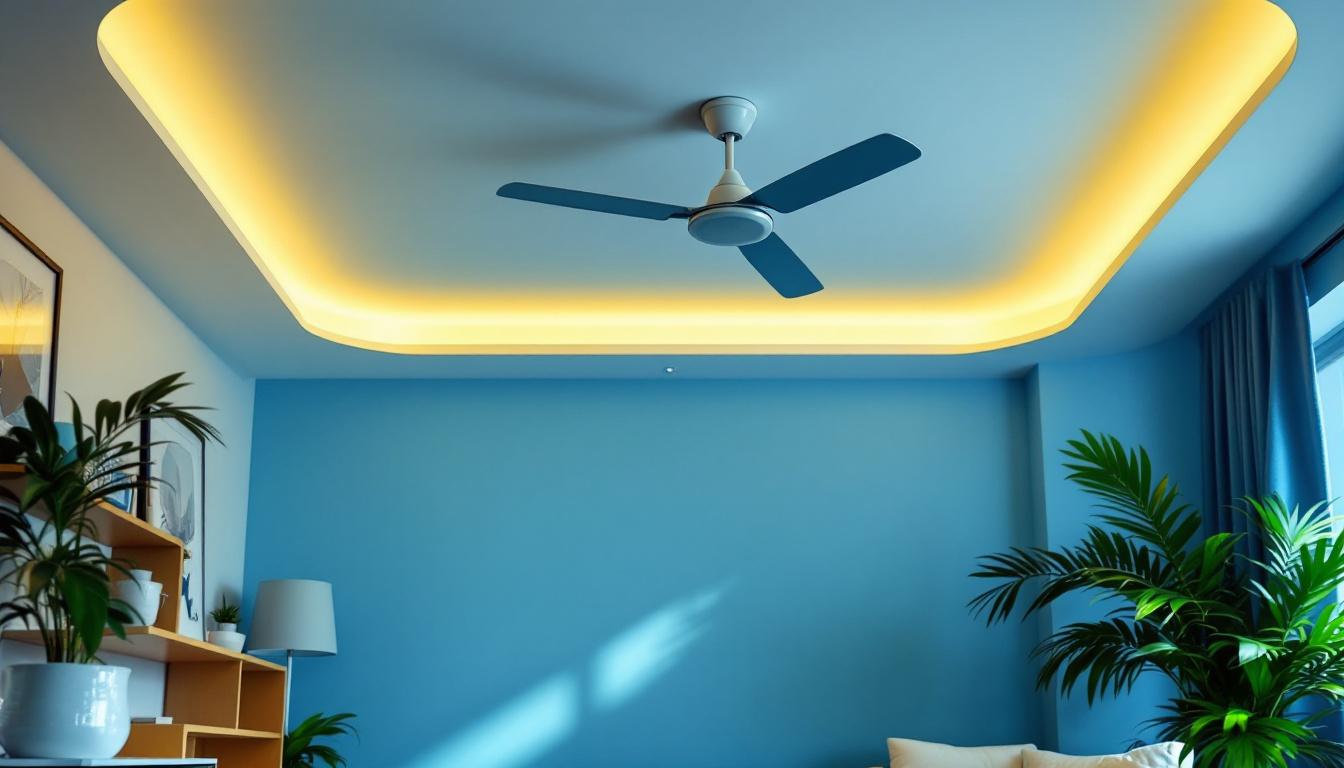
One of the primary advantages of ceiling fans is their ability to enhance comfort levels in a room. By providing a gentle breeze, they help regulate temperature, making spaces feel cooler during warmer months. This comfort is complemented by the right lighting choices, which can transform a room’s atmosphere. For instance, a well-placed ceiling fan with integrated lighting can serve as a focal point, drawing the eye while providing essential illumination.
Moreover, ceiling fans come in a variety of styles, finishes, and sizes, allowing them to blend seamlessly with different design themes. Whether it’s a modern, minimalist fan or a vintage-inspired model, the aesthetic appeal of ceiling fans can enhance the overall design of a space, making them a versatile choice for lighting contractors. Additionally, many ceiling fans now feature customizable options, such as interchangeable blades and light kits, enabling homeowners to tailor their fans to match their unique decor. This personalization not only elevates the visual interest of a room but also allows for a cohesive design narrative that resonates with the homeowner’s personal style.
Energy Efficiency and Sustainability
As energy efficiency becomes a priority for homeowners and businesses alike, ceiling fans present an eco-friendly alternative to traditional lighting solutions. Many ceiling fans are designed with energy-efficient bulbs, which consume less power and have a longer lifespan compared to standard incandescent bulbs. This not only reduces energy costs but also minimizes the environmental impact.
Incorporating ceiling fans into lighting designs can help achieve a balance between functionality and sustainability. By promoting the use of ceiling fans with energy-efficient lighting, lighting contractors can appeal to environmentally conscious clients while enhancing their design offerings. Furthermore, the integration of smart technology in ceiling fans has revolutionized their functionality. Many modern ceiling fans can now be controlled via smartphone apps or smart home systems, allowing users to adjust both the fan speed and lighting intensity with ease. This level of control not only enhances user comfort but also promotes energy conservation, as homeowners can optimize their usage based on their specific needs and preferences. By embracing these advancements, lighting professionals can offer innovative solutions that align with the growing demand for smart, efficient home environments.
Ceiling Fans as a Lighting Solution
Incorporating ceiling fans into lighting designs opens up a world of possibilities for creating dynamic and layered lighting schemes. The versatility of ceiling fans allows them to serve multiple purposes, making them an invaluable asset in any lighting project.
Integrated Lighting Options
Many modern ceiling fans come equipped with integrated lighting options, which can simplify the design process. These fans often feature adjustable brightness levels and color temperatures, allowing for customization based on the time of day or specific activities. For instance, a warm light setting can create a cozy atmosphere for evenings, while brighter, cooler tones can enhance productivity during the day.
Lighting contractors can leverage these integrated options to create cohesive designs that meet the diverse needs of their clients. By selecting ceiling fans with adjustable lighting features, they can ensure that spaces are both functional and inviting. Additionally, some ceiling fans are now designed with smart technology, enabling users to control lighting and fan speed through mobile apps or voice commands. This innovation not only enhances convenience but also allows for energy-efficient settings that can adapt to changing needs throughout the day.
Layering Light with Ceiling Fans
Layering light is a fundamental principle of effective lighting design. By combining ambient, task, and accent lighting, designers can create depth and interest in a space. Ceiling fans can play a pivotal role in this layering process. For example, a ceiling fan with a central light fixture can serve as the ambient light source, while additional wall sconces or table lamps can provide task lighting for specific areas.
This approach not only enhances the overall aesthetic but also allows for greater flexibility in how spaces are used. Lighting contractors can work with clients to develop a holistic lighting strategy that incorporates ceiling fans as a key component, ensuring that every area of a room is well-lit and functional. Furthermore, the design of ceiling fans has evolved to include various styles and finishes, from sleek modern designs to rustic farmhouse looks, allowing them to seamlessly blend into any décor. This adaptability means that ceiling fans can enhance the visual appeal of a room while simultaneously providing essential lighting, making them a dual-purpose fixture that elevates both form and function.
Choosing the Right Ceiling Fan for Lighting Design
Selecting the right ceiling fan is essential for achieving the desired lighting effect. There are several factors to consider, including size, style, and functionality. By understanding these elements, lighting contractors can make informed recommendations to their clients.
Size Matters
The size of the ceiling fan is critical to its effectiveness in a room. A fan that is too small may not provide adequate airflow or lighting, while one that is too large can overwhelm the space. As a general rule, the diameter of the fan should correspond to the size of the room. For example, a fan with a 42-inch blade span is suitable for rooms up to 144 square feet, while larger rooms may require fans with 52-inch blades or more.
Additionally, the height at which the fan is installed can impact both its performance and the quality of light it provides. Ideally, ceiling fans should be installed 8 to 9 feet above the floor, allowing for optimal airflow and light distribution. Lighting contractors should consider these factors when advising clients on ceiling fan selections. Furthermore, it’s important to take into account the ceiling height; for rooms with vaulted ceilings, downrod extensions may be necessary to ensure the fan operates effectively and maintains the right aesthetic balance.
Style and Design Compatibility
The style of the ceiling fan should complement the overall design theme of the room. From sleek and modern to rustic and traditional, there are countless options available. Lighting contractors should encourage clients to choose fans that harmonize with existing décor, ensuring that the fan becomes a cohesive part of the overall design.
Moreover, color and finish play a significant role in the visual impact of a ceiling fan. A fan with a brushed nickel finish may suit a contemporary space, while a fan with a distressed wood finish could enhance a farmhouse-style room. By considering these design elements, contractors can help clients select fans that enhance their lighting designs. Additionally, the blade shape and material can also influence both the fan’s performance and its aesthetic appeal. For instance, wooden blades might evoke a more classic feel, while metal blades can lend a sleek, industrial touch. The choice of blade pitch is another critical aspect; a steeper pitch can generate more airflow, making it ideal for larger spaces or warmer climates, while a flatter pitch may be more suitable for decorative purposes in smaller rooms.
Marketing Ceiling Fans to Clients
As ceiling fans gain popularity as essential components of lighting design, it is crucial for lighting contractors to effectively market these products to clients. Educating clients on the benefits and versatility of ceiling fans can lead to increased sales and greater client satisfaction.
Highlighting the Benefits
When discussing ceiling fans with clients, it is important to highlight the numerous benefits they offer. From energy efficiency to improved comfort, clients may not fully appreciate the value that ceiling fans bring to their lighting designs. By emphasizing these advantages, contractors can position ceiling fans as a smart investment.
Furthermore, showcasing the aesthetic appeal of ceiling fans can help clients envision how they will enhance their spaces. Providing visual examples, such as photos or design renderings, can be an effective way to illustrate the potential impact of ceiling fans on lighting design.
Offering Customization Options
Clients often appreciate the opportunity to customize their lighting solutions. Offering a range of ceiling fan styles, sizes, and finishes allows clients to select options that align with their personal preferences and design goals. Lighting contractors can create a more engaging experience by providing samples or catalogs that showcase various ceiling fan options.
Additionally, discussing the possibility of integrating smart technology into ceiling fans can further entice clients. Many modern ceiling fans now come with smart features that allow users to control lighting and fan speed via smartphone apps or voice commands, adding an extra layer of convenience and sophistication.
Conclusion
Ceiling fans are more than just functional appliances; they are integral components of effective lighting design. By understanding the dual functionality of ceiling fans and their role in enhancing comfort, aesthetics, and energy efficiency, lighting contractors can elevate their design offerings. The ability to integrate ceiling fans with lighting solutions allows for greater customization and versatility, ultimately leading to more satisfied clients.
As the demand for innovative and sustainable lighting solutions continues to grow, the sales of ceiling fans will likely play a significant role in shaping the future of lighting design. By embracing this trend, lighting contractors can position themselves as leaders in the industry, providing clients with comprehensive solutions that enhance both the functionality and beauty of their spaces.
Illuminate Your Projects with LumenWholesale
Ready to revolutionize your lighting designs with the latest in ceiling fan technology? At LumenWholesale, we provide lighting contractors with an exceptional range of high-quality, spec-grade ceiling fans that merge style with efficiency. Our wholesale prices mean you get the best value for your investment, ensuring your projects shine without stretching your budget. With free shipping on bulk orders, you can stock up on innovative lighting solutions that promise to elevate any space. Don’t let middleman markups dim your creative vision. Discover wholesale lighting at the best value today and light up your designs with LumenWholesale.