Understanding Ceiling Fan Wall Controllers: Why They Matter
Ceiling fan wall controllers are more than just convenient switches. For lighting contractors, these devices represent an opportunity to enhance client satisfaction, streamline installation, and reduce callbacks. A well-chosen and properly installed wall controller can transform the way a space feels, offering precise control over both fan speed and lighting levels.
Clients increasingly expect smart, intuitive solutions that integrate seamlessly with their home or commercial environment. Wall controllers that combine fan and light management meet this demand, providing a clean, centralized control point that eliminates the need for multiple switches or pull chains. This not only improves aesthetics but also increases safety and accessibility.
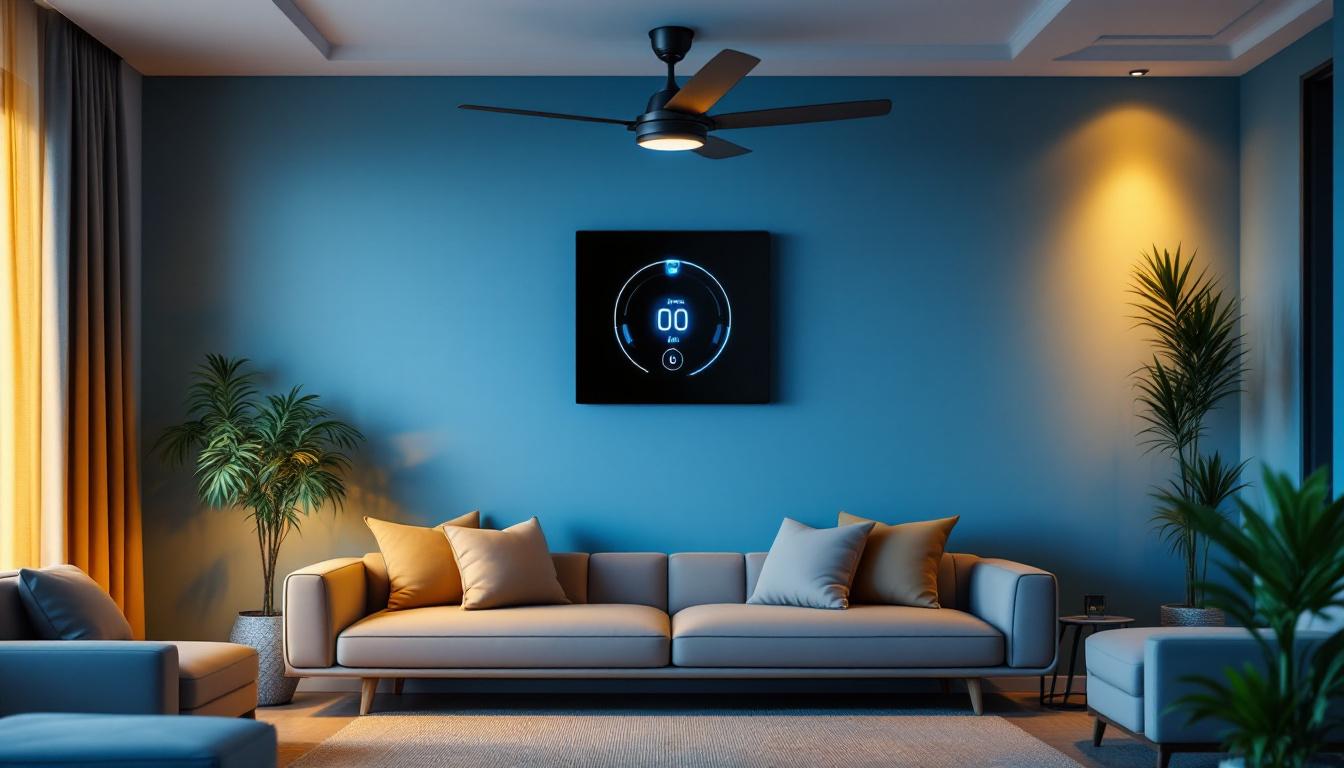
Moreover, the technological advancements in wall controllers have led to the emergence of smart models that can be integrated with home automation systems. These smart controllers allow users to adjust their ceiling fans and lighting through mobile apps or voice commands, adding a layer of convenience and modernity to any space. Imagine being able to set the perfect ambiance for a dinner party or movie night with just a few taps on your smartphone or a simple voice command. This level of control not only enhances the user experience but also positions contractors as forward-thinking professionals who are in tune with the latest trends in home automation.
In addition to convenience, energy efficiency is another compelling reason to consider ceiling fan wall controllers. Many of these devices come equipped with features that optimize energy consumption, such as timers and programmable settings. This means that fans can be set to operate only when needed, reducing unnecessary energy use and lowering utility bills. As clients become more environmentally conscious, offering solutions that promote energy savings can be a significant selling point for contractors, showcasing their commitment to sustainability while meeting the evolving needs of their customers.
Choosing the Right Wall Controller for the Job
Compatibility with Fan and Lighting Fixtures
Not all wall controllers work with every ceiling fan or lighting setup. Before recommending or installing a controller, verify compatibility with the fan’s motor type and the lighting load. For example, some fans use DC motors that require specific controllers designed to handle their unique electrical characteristics. Installing an incompatible controller can lead to poor performance or even damage. It’s also important to consider the specific features of the fan, such as reverse functionality or speed settings, which may require advanced controllers to fully utilize these options.
Lighting loads also vary. Incandescent, LED, and CFL bulbs each have different dimming requirements. Selecting a controller that supports the lighting type in use is critical to avoid flickering, buzzing, or reduced bulb lifespan. Additionally, some modern LED systems may include smart technology that allows for remote control or integration with home automation systems. This can enhance the user experience significantly, allowing for tailored lighting scenes or schedules that fit the homeowner’s lifestyle.
Single vs. Dual Control Panels
Wall controllers come in single-function and dual-function models. Single-function controllers operate either the fan or the light, while dual-function units handle both from the same panel. Dual controllers are often preferred for their streamlined design and user convenience. However, they can be more complex to wire and program. When selecting a dual-function controller, it’s essential to review the user interface, as some models offer intuitive touchscreen controls, while others rely on traditional switches, which may affect ease of use.
When working in retrofit situations, consider the existing wiring infrastructure. Some older homes may not have separate wiring for fan and light control, which can limit options. In such cases, contractors may need to run additional wiring or opt for controllers that can operate both functions over a single line. Furthermore, it’s worth exploring wireless options that utilize RF or Wi-Fi technology. These systems can provide flexibility in installation and allow for future upgrades without the need for extensive rewiring, making them an attractive choice for homeowners looking to modernize their spaces.
Installation Best Practices for Lighting Contractors
Pre-Installation Planning
Before stepping onto the job site, review the project’s wiring diagrams and fan specifications. Confirm the power source, switch box size, and wiring type. These details impact the choice of controller and installation method.
Always test the fan and light operation before installing the wall controller. This helps isolate any pre-existing issues that could complicate the installation. Additionally, verify that the circuit breaker is off to ensure safety during wiring.
Moreover, it’s beneficial to conduct a site assessment to identify any potential obstacles that may arise during installation. This includes checking the ceiling height, the proximity of the power source to the installation site, and any existing fixtures that may need to be removed or adjusted. Having a clear understanding of the space can streamline the installation process and help avoid unexpected delays.
Wiring Tips and Common Pitfalls
Correct wiring is crucial. Miswiring can cause the fan to run at incorrect speeds or the light to fail to dim properly. Labeling wires during removal of old switches can save time and reduce errors.
Many modern wall controllers require a neutral wire for proper operation. Older homes may lack this, so contractors should check the switch box for a neutral wire before purchasing the controller. If absent, options include running a neutral wire or selecting a controller model that does not require one.
Grounding is another important consideration. Ensure the controller’s ground wire is connected securely to the electrical box or grounding conductor to comply with electrical codes and enhance safety.
Additionally, be mindful of the wire gauge used in the installation. Using the correct gauge is essential for preventing overheating and ensuring that the electrical load is handled safely. If unsure, consult local electrical codes or a professional electrician to determine the appropriate gauge for the specific application.
Programming and Calibration
Some advanced wall controllers offer programmable settings such as speed presets, light dimming curves, and timer functions. Take the time to familiarize yourself with the manufacturer’s programming instructions. Proper calibration ensures the fan operates smoothly across all speeds and the lighting responds accurately to dimming commands.
Demonstrate the controller’s features to the client upon completion. This not only adds value but also reduces the likelihood of service calls related to user error or misunderstanding.
Furthermore, consider providing the client with a brief written guide or a digital manual that outlines the key features and troubleshooting tips for the controller. This can empower them to make the most of their new installation and enhance their overall satisfaction with the project. Engaging with clients in this way fosters trust and encourages them to reach out with any questions or concerns, ultimately leading to a stronger professional relationship.
Enhancing Client Experience with Advanced Features
Smart Home Integration
Smart ceiling fan controllers that integrate with home automation systems are gaining traction. These controllers allow users to control fan speed and lighting remotely via smartphone apps, voice assistants, or automation schedules. With the rise of the Internet of Things (IoT), homeowners are increasingly looking for ways to streamline their daily routines, and smart ceiling fans fit seamlessly into this trend. Imagine a morning where your ceiling fan starts to gently circulate air as your alarm goes off, creating a comfortable environment before you even step out of bed.
For contractors, offering smart controllers can differentiate your services and appeal to tech-savvy clients. However, ensure the chosen controller is compatible with popular platforms such as Amazon Alexa, Google Home, or Apple HomeKit. Also, consider the network requirements and security implications. Providing a thorough explanation of how these systems work can help clients feel more confident in their investment. Additionally, showcasing the ability to create custom scenes or routines—like a “movie night” setting that dims lights and adjusts the fan for optimal comfort—can further entice potential buyers.
Energy Efficiency and Noise Reduction
Modern controllers often include features that promote energy savings. For example, soft-start functions reduce motor strain and power surges during startup, extending the fan’s lifespan. Variable speed control allows clients to fine-tune airflow, reducing energy consumption compared to fans running at full speed constantly. This not only leads to lower energy bills but also contributes to a more sustainable lifestyle, which is increasingly important to environmentally conscious consumers. By educating clients on how these features can lead to long-term savings, contractors can enhance their value proposition.
Noise reduction is another selling point. Controllers that enable smooth speed transitions help minimize motor noise and vibration. This is especially important in bedrooms, offices, and other quiet environments. Some advanced models even feature sound-dampening technology that can make a significant difference in the overall ambiance of a room. As clients seek to create serene spaces for relaxation or productivity, highlighting these benefits can resonate deeply. Furthermore, integrating noise reduction features with smart technology can provide clients with a holistic solution that enhances both comfort and tranquility in their homes.
Troubleshooting Common Issues
Fan Not Responding to Controller
If the fan fails to respond after installing a wall controller, double-check wiring connections and ensure the controller is compatible with the fan type. Sometimes, resetting the controller or power cycling the circuit can resolve communication glitches.
Light Flickering or Buzzing
Flickering lights often indicate incompatible dimmer settings or bulb types. Switching to dimmable LED bulbs or adjusting the controller’s dimming range can help. If buzzing persists, verify that all connections are tight and that the controller is rated for the lighting load.
Fan Speed Issues
Fans that don’t reach full speed or have uneven speed changes may require recalibration of the controller. Also, inspect the fan motor and blades for mechanical issues that could affect performance.
Final Thoughts for Lighting Contractors
Ceiling fan wall controllers are a vital component in delivering a polished, functional lighting and ventilation solution. Selecting the right controller, executing a precise installation, and educating clients on usage can elevate the overall project quality.
Staying current with emerging technologies like smart controls and energy-efficient features positions contractors as trusted experts in their field. Attention to detail during installation and troubleshooting ensures long-term client satisfaction and fewer service calls.
By mastering the nuances of ceiling fan wall controllers, lighting contractors can add value to their services and build stronger client relationships.
Get Your Premium Ceiling Fan Wall Controllers at LumenWholesale
Ready to elevate your lighting projects with the finest ceiling fan wall controllers? Look no further than LumenWholesale, where we offer an exceptional range of spec-grade lighting products at unbeatable wholesale prices. Say goodbye to inflated markups and hello to high-performance, reliable lighting that meets the highest industry standards. With LumenWholesale, bulk buying is a breeze, thanks to our hassle-free process and free shipping. Don’t compromise on quality or value—click now to explore our selection and experience the ultimate in contractor convenience at Wholesale Lighting at the Best Value.