Understanding the Importance of Proper Cabinet Lighting
Cabinet lighting is more than just a decorative touch; it plays a crucial role in enhancing functionality and aesthetics in kitchens, bathrooms, and other spaces. For lighting contractors, the challenge lies in selecting and installing fixtures that not only illuminate effectively but also complement the cabinetry and overall design.
Incorrect choices or poor installation can lead to uneven lighting, glare, or even damage to cabinetry. These issues often result in costly callbacks, dissatisfied clients, and wasted materials. Recognizing the impact of cabinet lighting on both form and function is the first step toward avoiding expensive mistakes.
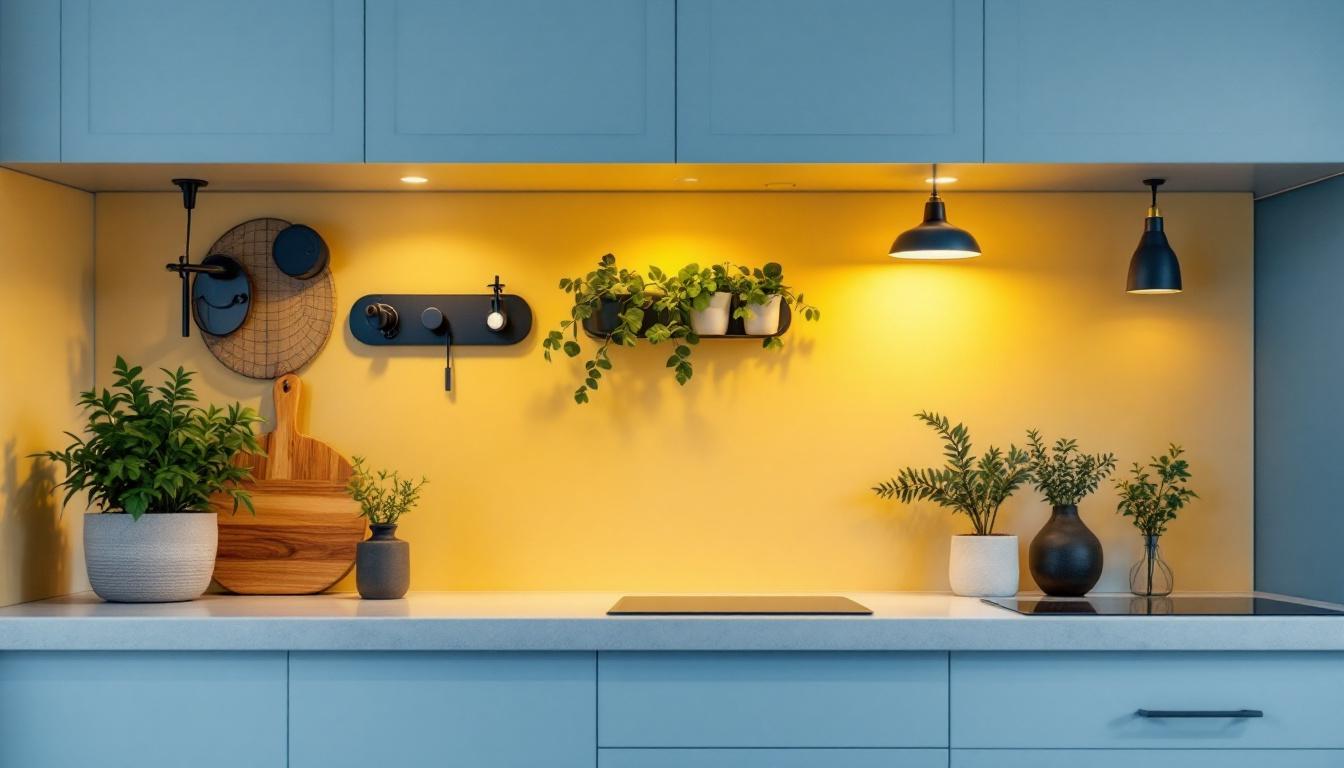
Furthermore, the type of lighting chosen can significantly influence the mood and usability of a space. For instance, warm LED lights can create a cozy atmosphere in a kitchen, making it more inviting for family gatherings, while cooler lights might be more suitable for a modern bathroom, enhancing clarity and focus during grooming routines. Additionally, dimmable options allow homeowners to adjust the brightness according to their needs, providing versatility that can transform the ambiance from functional to relaxed with just a flick of a switch.
Incorporating smart technology into cabinet lighting systems is another trend that is gaining traction. With the advent of smart home devices, homeowners can control their cabinet lighting remotely or set schedules for when lights should turn on or off. This not only adds convenience but also contributes to energy efficiency, as lights can be programmed to operate only when needed. As lighting contractors, staying abreast of these technological advancements can provide a competitive edge, allowing for innovative solutions that meet the evolving demands of clients seeking both style and practicality in their home environments.
Common Mistakes in Cabinet Lighting Projects
Ignoring the Lighting Layer Concept
One frequent error is treating cabinet lighting as an isolated element rather than part of a layered lighting scheme. Cabinet fixtures should work harmoniously with ambient, task, and accent lighting to create a balanced environment. Focusing solely on cabinet lighting can cause shadows or overly bright spots, disrupting the room’s visual comfort. A well-thought-out layering approach allows for flexibility in adjusting the mood and functionality of the space. For instance, combining warm ambient lighting with cooler task lighting can enhance the usability of kitchen countertops while creating a cozy atmosphere for dining areas.
Choosing the Wrong Fixture Type
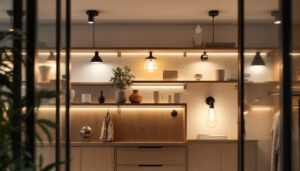
There is a wide array of cabinet lighting options: LED strips, puck lights, tape lights, and linear fixtures, among others. Selecting the wrong type for the cabinet style or usage can lead to poor illumination or installation difficulties. For example, puck lights might create uneven pools of light, while LED strips provide consistent illumination but require careful placement. Additionally, considering the aesthetic appeal of the fixtures is crucial; sleek, modern designs may complement contemporary cabinetry, while vintage-inspired fixtures can enhance traditional styles. The right choice not only improves functionality but also contributes to the overall design narrative of the room.
Overlooking Color Temperature and CRI
Color temperature and Color Rendering Index (CRI) significantly affect how colors appear under cabinet lighting. Using fixtures with a harsh or mismatched color temperature can make surfaces look unnatural. Low CRI lights may distort colors, which is problematic in kitchens where accurate color perception is essential for food preparation. Furthermore, the choice of color temperature can influence the ambiance; warmer tones can create a welcoming environment, while cooler tones may be more suitable for workspaces. Understanding the psychological impact of color temperature can help homeowners select fixtures that enhance both functionality and mood.
Neglecting Heat Management
Cabinet fixtures, especially those installed in enclosed or tight spaces, can generate heat. Without proper ventilation or heat dissipation measures, this can damage cabinetry materials or shorten the lifespan of the lighting components. This oversight often leads to premature fixture failure and costly repairs. Implementing heat management strategies, such as using fixtures designed for enclosed spaces or incorporating heat sinks, can mitigate these risks. Additionally, selecting energy-efficient LED options can significantly reduce heat output, ensuring a safer and longer-lasting lighting solution.
Failing to Plan for Accessibility and Maintenance
Lighting fixtures hidden inside or under cabinets can be difficult to access once installed. If maintenance or bulb replacement is complicated, clients may face frustration and additional service calls. Planning for easy access during installation saves time and money in the long run. It’s also wise to consider the longevity of the chosen fixtures; opting for LED lights with a longer lifespan can reduce the frequency of maintenance. Furthermore, incorporating features like removable panels or strategically placed switches can enhance the user experience, making it easier to manage lighting adjustments without hassle.
Planning Your Cabinet Lighting Project
Assess the Space and Client Needs
Start by thoroughly evaluating the cabinet layout, materials, and the client’s lighting preferences. Determine the primary function of the lighting—whether it’s for task illumination, accentuating design features, or general ambiance. This assessment guides fixture selection and placement. For instance, if the cabinets are primarily used for cooking, brighter task lighting may be necessary to ensure safety and efficiency. Conversely, if the space is intended for entertaining, softer, ambient lighting can create a welcoming atmosphere. Engaging the client in this discussion can also reveal personal touches they may want, such as under-cabinet lighting that highlights decorative items or artwork.
Calculate Power and Wiring Requirements
Understanding the power demands and wiring logistics is essential. LED fixtures are energy-efficient but still require proper voltage and wiring to avoid flickering or failure. Plan circuits with enough capacity and consider integrating dimmers or smart controls if the client desires adjustable lighting. Additionally, it’s crucial to account for the total wattage of all fixtures to ensure the circuit can handle the load without tripping breakers. Consulting with an electrician can provide insights into local codes and best practices, ensuring the installation is both safe and compliant.
Choose Fixtures with Appropriate Specifications
Look for fixtures with high CRI ratings (above 90) for accurate color rendering and select color temperatures that complement the room’s palette—typically between 2700K and 3500K for warm, inviting light. Verify fixture dimensions and mounting options to ensure compatibility with cabinet design. Moreover, consider the style of the fixtures; whether the client prefers modern, minimalist designs or more traditional, ornate styles can significantly impact the overall aesthetic. It’s also beneficial to explore energy-efficient options that come with longer lifespans, reducing maintenance and replacement costs over time.
Consider Environmental Factors
Humidity and temperature variations, especially in kitchens and bathrooms, can affect fixture performance. Select fixtures rated for damp or wet locations when necessary to prevent corrosion or electrical hazards. Additionally, think about the placement of fixtures in relation to heat sources, such as ovens or stovetops, which can influence the longevity of the lighting. It may also be worthwhile to explore fixtures with built-in heat resistance or those designed to dissipate heat effectively, ensuring they maintain optimal performance in challenging environments. This attention to detail not only enhances safety but also contributes to the durability of the lighting installation.
Installation Best Practices
Precision in Placement
Position fixtures to minimize shadows and glare. Under-cabinet lights should be installed near the front edge to illuminate countertops evenly. Avoid placing lights too close to reflective surfaces that can cause visual discomfort.
Secure and Conceal Wiring
Neat wiring not only looks professional but also reduces the risk of damage or electrical issues. Use cable management systems and conceal wires within cabinet structures whenever possible. Ensure all connections are secure and comply with electrical codes.
Test Before Finalizing
Before closing up cabinets or securing fixtures permanently, power on the lighting to check for proper function, brightness, and color consistency. This step allows for adjustments without the hassle of disassembly.
Document the Installation
Providing clients with documentation on fixture types, locations, and maintenance instructions adds value and reduces future service calls. It also serves as a reference for any warranty or repair needs.
Maintenance and Client Education
Routine Inspection and Cleaning
Advise clients on the importance of regular cleaning to prevent dust buildup, which can reduce light output and fixture lifespan. Recommend inspection intervals to catch any issues early.
Replacing Components Correctly
Guide clients or maintenance personnel on using compatible replacement bulbs or LED modules. Incorrect replacements can cause electrical problems or void warranties.
Encouraging Smart Use
Educate clients on using dimmers or timers to extend fixture life and save energy. Smart lighting controls can also enhance the user experience by allowing scene setting and remote operation.
Case Studies: Lessons from Real Projects
Case Study 1: Overcoming Heat Damage in a High-End Kitchen
A lighting contractor was called back to a luxury kitchen where under-cabinet LED strips had caused warping of the wood cabinetry. The issue stemmed from poor heat dissipation and enclosed fixture placement. The solution involved replacing the fixtures with low-heat, high-efficiency LEDs and adding ventilation gaps. This case highlights the necessity of considering heat management early in the design phase.
Case Study 2: Avoiding Glare with Proper Fixture Selection
In a commercial kitchen project, puck lights installed too close to the countertop created distracting glare and uneven lighting. The contractor replaced them with linear LED tape lights that provided uniform illumination without hotspots. This example demonstrates how fixture type and placement directly affect lighting quality and client satisfaction.
Final Thoughts: Investing Time to Save Costs
Cabinet lighting projects demand attention to detail from planning through installation and maintenance. Avoiding costly mistakes hinges on understanding the space, selecting the right fixtures, and executing precise installation. For lighting contractors, these practices not only enhance reputation but also contribute to long-term client relationships and business growth.
Every lighting project is an opportunity to showcase expertise. Taking the time to get cabinet lighting right the first time pays dividends in reduced callbacks and delighted clients.
Illuminate Your Projects with LumenWholesale
Ready to elevate your lighting projects with fixtures that promise quality and value? Look no further than LumenWholesale. Our extensive range of spec-grade lighting products is designed to meet the needs of the most discerning contractors. With unbeatable wholesale prices and the convenience of free shipping on bulk orders, you can trust us to light up your installations without stretching your budget. Say goodbye to costly mistakes and hello to superior lighting solutions. Wholesale Lighting at the Best Value is just a click away. Partner with LumenWholesale today and experience the difference quality lighting can make.