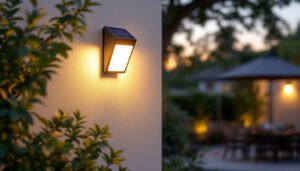
Understanding the Importance of Bright Work Lights in Professional Lighting
For lighting contractors, choosing the right work light is more than just a matter of convenience—it’s a critical factor that directly impacts the quality, safety, and efficiency of any job site. Bright work lights illuminate dark or dimly lit areas, enabling contractors to perform precise tasks, inspect installations, and maintain safety standards. The brightness of a work light can mean the difference between spotting a wiring fault or missing it entirely, which could lead to costly repairs or hazards down the line.
Moreover, the construction and electrical industries often operate in environments where natural light is insufficient or unavailable, such as basements, attics, or outdoor night projects. In these scenarios, having a reliable, bright work light is indispensable. The right lighting not only improves visibility but also reduces eye strain and fatigue, enhancing overall productivity and job satisfaction for contractors.
In addition to brightness, the design and portability of work lights are crucial considerations for professionals. Many modern work lights come equipped with features such as adjustable brightness levels, rechargeable batteries, and rugged designs that can withstand harsh conditions. These features allow contractors to tailor their lighting solutions to specific tasks and environments, ensuring that they have the right amount of light exactly where it’s needed. Furthermore, with advancements in LED technology, work lights are now more energy-efficient and longer-lasting than ever before, providing a cost-effective solution for long-term projects.
Safety is another paramount concern in the construction industry, and bright work lights play a vital role in mitigating risks. Proper lighting can help prevent accidents by ensuring that all areas of a job site are well-lit, allowing workers to navigate safely and identify potential hazards. Additionally, the use of high-quality work lights can enhance compliance with safety regulations, as many standards require adequate illumination in work areas. By investing in reliable work lighting, contractors not only protect their workers but also foster a culture of safety that can lead to improved morale and reduced liability.
Key Metrics for Evaluating the Brightness of Work Lights
Lumens: The Primary Indicator of Brightness
Lumens measure the total amount of visible light emitted by a source. Unlike watts, which indicate energy consumption, lumens directly reflect brightness. For lighting contractors, understanding lumens is essential when selecting a work light that meets the demands of various job sites.
Work lights can range from a few hundred lumens to over 10,000 lumens. For example, a compact LED work light might emit around 500 to 1,000 lumens, suitable for small, close-up tasks. On the other hand, large floodlights used in expansive construction zones can emit upwards of 5,000 lumens or more, providing wide-area illumination. This variability allows contractors to tailor their lighting solutions to the specific requirements of each project, ensuring safety and efficiency in their work environment.
Moreover, the distribution of lumens is also crucial. A work light that emits a high number of lumens but has poor beam distribution may not effectively illuminate the intended area. Therefore, contractors should also consider the beam angle and how the light is dispersed across the workspace. A narrow beam might be ideal for focused tasks, while a wider beam is necessary for general illumination in larger areas.
Color Temperature and Its Impact on Visibility
Color temperature, measured in Kelvins (K), describes the hue of the light emitted. Work lights typically range from 3,000K (warm white) to 6,500K (daylight). For most construction and electrical work, a cooler temperature around 5,000K to 6,500K is preferred because it mimics natural daylight, enhancing contrast and detail visibility.
Choosing the right color temperature can reduce eye strain and improve accuracy when working with intricate wiring or detailed installations. Lighting contractors should consider the specific tasks and environments to select the optimal color temperature for their work lights. Additionally, the psychological effects of color temperature cannot be overlooked; cooler lights can create a more alert and focused atmosphere, while warmer lights might promote relaxation but could lead to decreased alertness in high-stakes work environments.
Furthermore, the ability to adjust color temperature in some modern work lights allows for versatility in different settings. For instance, a contractor might prefer a cooler light for precision tasks during the day but switch to a warmer tone in the evening to create a more comfortable working environment. This adaptability can enhance productivity and ensure that workers maintain their focus and efficiency throughout the day.
Types of Bright Work Lights and Their Applications
LED Work Lights: Efficiency and Longevity
LED technology has revolutionized work lighting by offering high brightness with low energy consumption. LEDs provide instant full brightness without warm-up time and have a significantly longer lifespan compared to traditional bulbs. This makes them ideal for contractors who need reliable lighting over extended periods.
Additionally, LED work lights are often designed to be rugged and weather-resistant, suitable for both indoor and outdoor use. Their compact size and lightweight design enhance portability, which is crucial for contractors moving between job sites.
Halogen Work Lights: High Brightness with Heat Considerations
Halogen lights are known for their intense brightness and excellent color rendering. They produce a warm light that can be beneficial in certain applications. However, halogen bulbs generate considerable heat, which can be a safety concern in confined spaces or near flammable materials.
While halogen lights are generally less energy-efficient and have a shorter lifespan than LEDs, some contractors still prefer them for specific tasks requiring very bright, focused light. Proper handling and placement are essential to mitigate heat-related risks.
Fluorescent Work Lights: Balanced Brightness and Energy Use
Fluorescent lights offer a middle ground between halogen and LED options. They provide good brightness with moderate energy consumption and produce less heat than halogen bulbs. However, they can be bulkier and may require a warm-up period to reach full brightness.
Fluorescent work lights are often used in workshops or indoor job sites where consistent, diffused lighting is needed. Their color rendering is generally good, but not as crisp as LEDs, which can be a consideration for detailed electrical work.
Essential Features Beyond Brightness for Lighting Contractors
Durability and Weather Resistance
Work lights must withstand harsh job site conditions, including dust, moisture, and accidental drops. Lighting contractors should prioritize models with robust housings made from materials like aluminum or impact-resistant plastics. IP ratings (Ingress Protection) indicate the level of dust and water resistance, with IP65 or higher being ideal for outdoor use.
Durability extends the lifespan of work lights and reduces downtime caused by equipment failure, ultimately saving contractors time and money.
Portability and Mounting Options
Since contractors often move between locations, portability is a key consideration. Lightweight designs with ergonomic handles or straps improve ease of transport. Additionally, adjustable stands, magnetic bases, or hooks allow flexible mounting, enabling hands-free operation and optimal light positioning.
Some advanced models offer telescoping stands or swivel heads, which can be invaluable for illuminating hard-to-reach areas or adjusting the beam angle without moving the entire unit.
Power Sources: Corded vs. Cordless
Corded work lights provide continuous power without the need for recharging but can limit mobility and pose tripping hazards. Cordless, battery-powered lights offer greater flexibility and are increasingly popular due to advancements in lithium-ion battery technology, which delivers longer runtimes and faster charging.
For contractors working in remote locations or where power outlets are scarce, cordless lights are often the preferred choice. However, having a backup corded option or extra batteries ensures uninterrupted work.
Safety Considerations When Using Bright Work Lights
Preventing Glare and Eye Strain
While brightness is crucial, excessive glare can impair vision and create unsafe conditions. Lighting contractors should select work lights with diffusers or adjustable brightness settings to control light intensity. Positioning lights to avoid direct exposure to the eyes is also essential.
Ergonomic lighting setups that reduce eye strain contribute to better focus and fewer errors, which is especially important during long shifts or detailed tasks.
Heat Management and Fire Safety
High-intensity lights, particularly halogen models, can become very hot during operation. Contractors must ensure that work lights are placed away from flammable materials and monitored regularly to prevent overheating. Using LED lights can mitigate many heat-related risks due to their cooler operation.
Proper ventilation around lighting fixtures and adherence to manufacturer guidelines further enhance safety on the job site.
Emerging Trends and Innovations in Work Lighting
Smart Lighting and Connectivity
Recent advancements have introduced smart work lights equipped with Bluetooth or Wi-Fi connectivity. These lights can be controlled remotely via smartphone apps, allowing contractors to adjust brightness, color temperature, and timers without physically accessing the unit.
This technology enhances convenience and efficiency, especially on large or complex job sites where multiple lights are used simultaneously.
Solar-Powered and Sustainable Lighting Solutions
With growing emphasis on sustainability, solar-powered work lights are gaining traction. These units harness solar energy during the day to provide bright illumination at night, reducing reliance on grid power and lowering operating costs.
While solar lights may not yet match the brightness of traditional models in all conditions, ongoing improvements in battery capacity and solar panel efficiency are making them viable options for eco-conscious contractors.
Conclusion: Making Informed Choices for Optimal Work Lighting
For lighting contractors, selecting the brightest work light involves balancing multiple factors beyond raw lumens. Understanding the nuances of brightness measurement, light quality, durability, portability, and safety ensures that contractors invest in lighting solutions that enhance productivity and protect workers.
LED technology currently stands out as the most efficient and versatile option, but knowledge of alternative lighting types and emerging innovations empowers contractors to tailor their choices to specific job requirements. Ultimately, well-informed decisions about work lighting contribute to higher quality workmanship, safer job sites, and greater client satisfaction.
Illuminate Your Projects with LumenWholesale
Ready to elevate your lighting game? Look no further than LumenWholesale for the brightest work lights and spec-grade lighting products. Our commitment to quality and affordability means you get the best value on the market, without the middleman markups. With our extensive selection that meets rigorous industry standards, you can ensure your job sites are always safe, efficient, and brilliantly lit. Plus, enjoy the convenience of free shipping on bulk orders. Don’t compromise on quality or price—Wholesale Lighting at the Best Value is just a click away. Light up your next project with LumenWholesale.