Understanding the Importance of Bright Outdoor Solar Wall Lights
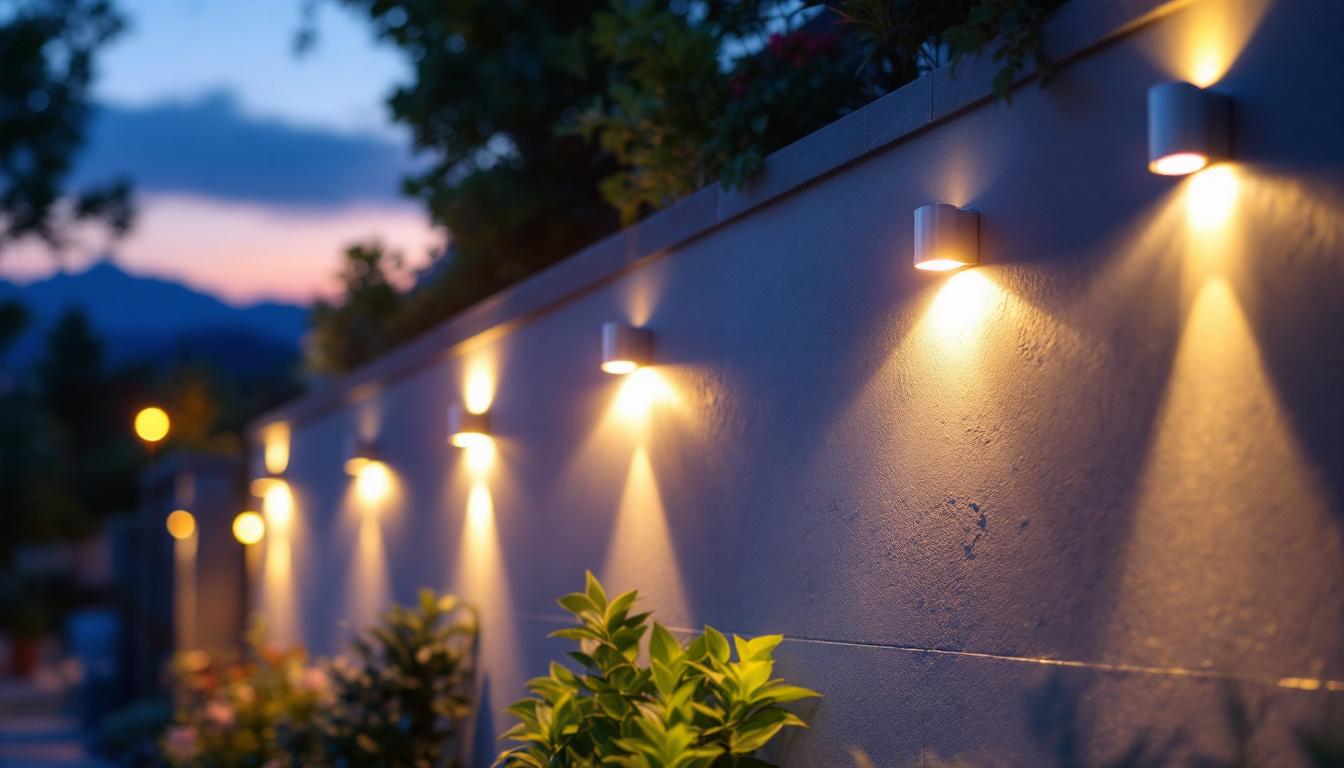
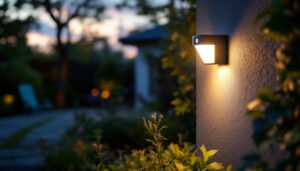
For lighting contractors, selecting the right outdoor solar wall lights is more than just a matter of aesthetics; it’s about functionality, energy efficiency, and client satisfaction. Brightness plays a pivotal role in outdoor lighting, especially when it comes to security, safety, and enhancing the architectural features of a property.
Outdoor solar wall lights have surged in popularity due to their eco-friendly nature and ease of installation. However, not all solar lights deliver the same level of brightness or reliability. Lighting contractors must understand the key factors that influence brightness and overall performance to recommend and install the best solutions for their clients.
Why Brightness Matters in Outdoor Solar Lighting
Brightness, measured in lumens, determines how well an area is illuminated. For outdoor applications, sufficient brightness can deter intruders, reduce accidents by illuminating pathways, and highlight landscaping or building facades effectively. Contractors need to balance brightness with energy consumption and battery life to ensure long-lasting performance.
Inadequate lighting can lead to client dissatisfaction, increased maintenance calls, and reputational damage. Conversely, overly bright lights may cause glare or light pollution, which can be a nuisance in residential neighborhoods. Mastering this balance is a critical skill for lighting professionals.
Moreover, the technology behind solar wall lights has evolved significantly, with advancements in LED technology providing brighter outputs while consuming less energy. This means that contractors can offer solutions that not only meet the brightness requirements but also align with sustainability goals. For instance, some modern solar lights come equipped with motion sensors that enhance security while conserving energy, as they only activate when movement is detected. This feature is particularly appealing to clients looking to minimize their environmental footprint without sacrificing safety.
Additionally, the aesthetic appeal of solar wall lights cannot be overlooked. Many designs now incorporate stylish finishes and shapes that complement various architectural styles, allowing homeowners to enhance their outdoor living spaces while benefiting from practical lighting solutions. By understanding the diverse range of products available, contractors can tailor their recommendations to suit individual client preferences, ensuring that the final installation is not only functional but also visually pleasing.
Key Factors Influencing Brightness in Solar Wall Lights
Several technical and environmental factors impact the brightness of solar wall lights. Lighting contractors must consider these variables during product selection and installation to optimize performance.
Solar Panel Efficiency and Placement
The solar panel’s efficiency directly affects how much energy the light can store during the day. Panels made from monocrystalline silicon typically offer higher efficiency compared to polycrystalline or amorphous panels. A high-efficiency panel can charge the battery faster and provide brighter illumination for longer periods.
Proper placement is equally important. Panels must be installed where they receive maximum sunlight exposure, ideally facing south in the northern hemisphere, and free from shadows caused by trees, buildings, or other obstructions. Even the brightest light will underperform if its solar panel cannot gather sufficient energy. Additionally, seasonal changes can affect sunlight availability; therefore, contractors should consider the angle of the sun throughout the year to ensure optimal performance. Regular maintenance, such as cleaning the panels to remove dust and debris, can also significantly enhance their efficiency.
Battery Capacity and Type
The battery stores the energy collected by the solar panel and powers the LED lights at night. Larger capacity batteries allow for longer illumination times and can support higher brightness levels. Lithium-ion batteries are preferred for their longevity and ability to hold charge better than traditional nickel-metal hydride (NiMH) or lead-acid batteries.
Contractors should verify the battery specifications and ensure they align with the expected usage patterns. For example, a light installed in a shaded area might require a larger battery to compensate for reduced charging efficiency. Additionally, understanding the discharge rates and temperature tolerance of different battery types can help in selecting the most suitable option for specific environments. Extreme temperatures can affect battery performance, so selecting batteries rated for a wider temperature range can enhance reliability and longevity.
LED Technology and Lumens Output
LEDs have revolutionized outdoor lighting with their high brightness and low power consumption. The lumen rating indicates the total amount of visible light emitted. For outdoor solar wall lights, a lumen output between 800 and 1500 lumens is generally considered bright enough for security and general illumination.
Color temperature also affects perceived brightness. Lights with a cooler color temperature (5000K to 6500K) tend to appear brighter and more vibrant, whereas warmer tones (2700K to 3000K) offer a softer glow better suited for ambiance. Moreover, the design and optics of the LED fixtures can influence how light is distributed in the surrounding area. Fixtures with reflective surfaces or lenses can enhance light dispersion, creating a more uniform illumination pattern that maximizes the effectiveness of the light source. Understanding these nuances can help contractors select the best products for their specific lighting needs, ensuring both functionality and aesthetic appeal in outdoor spaces.
Installation Techniques to Maximize Brightness and Efficiency
Even the brightest solar wall light can underperform if installed incorrectly. Lighting contractors must apply best practices to ensure optimal functionality and client satisfaction.
Optimal Mounting Height and Angle
Mounting height influences the light’s coverage area and intensity. Typically, solar wall lights should be installed between 6 to 10 feet above ground level to balance brightness and coverage. Installing them too high can diffuse the light excessively, while too low may create harsh shadows.
The angle of the solar panel is just as critical. Adjusting the panel to the correct tilt based on geographic location maximizes solar absorption. Many solar lights come with adjustable brackets, allowing contractors to fine-tune the angle during installation.
Minimizing Obstructions and Reflective Surfaces
Shadows cast by nearby objects can drastically reduce the solar panel’s efficiency. Contractors should survey the installation site carefully and recommend trimming foliage or relocating fixtures to avoid shading.
Additionally, reflective surfaces such as white walls or light-colored pavements can enhance brightness by bouncing light into darker areas. Strategically positioning lights to take advantage of these surfaces can improve overall illumination without increasing power consumption.
Integrating Motion Sensors and Smart Controls
Motion sensors not only enhance security but also conserve battery life by activating lights only when movement is detected. This feature allows for higher brightness settings without draining the battery prematurely.
Smart controls, including timers and dimmers, enable customization of light intensity and operating hours. Lighting contractors can offer clients advanced solutions that balance brightness with energy efficiency, extending the lifespan of the solar lighting system.
Choosing the Right Products: What Lighting Contractors Look For
With countless solar wall lights available on the market, contractors must rely on specific criteria to identify products that meet professional standards and client expectations.
Durability and Weather Resistance
Outdoor lighting fixtures must withstand harsh weather conditions, including rain, snow, and extreme temperatures. Look for products with high IP (Ingress Protection) ratings—IP65 or higher is recommended for outdoor solar wall lights.
Materials such as die-cast aluminum or high-grade plastics ensure longevity and resistance to corrosion. A robust fixture reduces maintenance costs and enhances client trust in the contractor’s recommendations.
Warranty and Manufacturer Support
Reliable warranty terms indicate a manufacturer’s confidence in their product. Lighting contractors should prioritize brands offering comprehensive warranties covering both the fixture and battery components.
Access to responsive customer support and replacement parts also facilitates smoother project execution and after-sales service, which is crucial for maintaining professional relationships.
Energy Efficiency Certifications
Certifications such as ENERGY STAR or equivalent regional standards provide assurance of energy efficiency and performance. These certifications help contractors justify product choices to environmentally conscious clients and comply with local regulations.
Energy-efficient solar wall lights reduce operational costs and environmental impact, aligning with the growing demand for sustainable building practices.
Case Studies: Successful Applications of Bright Outdoor Solar Wall Lights
Real-world examples demonstrate how mastering the selection and installation of bright solar wall lights can transform outdoor spaces and enhance client satisfaction.
Residential Security Enhancement
A lighting contractor installed high-lumen solar wall lights equipped with motion sensors around a suburban home. By positioning the lights strategically at entry points and along pathways, the homeowner reported a significant reduction in nighttime trespassing incidents.
The use of adjustable mounting brackets allowed the contractor to optimize solar panel angles, ensuring consistent brightness even during overcast days. The client praised the eco-friendly solution that required no wiring or electricity costs.
Commercial Property Facade Lighting
For a commercial office building, a contractor selected solar wall lights with a cool color temperature and high lumen output to accentuate architectural details. The fixtures featured durable aluminum housings and IP67 ratings, suitable for the urban environment.
The installation included smart controls synchronized with business hours, providing bright illumination during peak times and dimming overnight to reduce light pollution. The project enhanced the building’s curb appeal and contributed to its green building certification.
Public Park Pathway Illumination
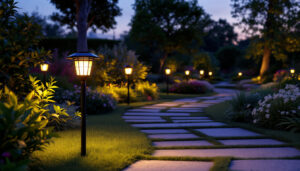
In a public park setting, solar wall lights were installed along walking trails to improve safety without extensive trenching or electrical work. The contractor chose lights with large lithium-ion batteries and monocrystalline solar panels to ensure reliable brightness throughout the night.
Community feedback highlighted the improved sense of security and enjoyment of the park after dark, validating the contractor’s expertise in selecting and deploying the right solar lighting technology.
Conclusion: Mastering Bright Outdoor Solar Wall Lights as a Lighting Contractor
Bright outdoor solar wall lights represent a convergence of technology, design, and environmental responsibility. For lighting contractors, mastering the secrets behind their brightness and performance is essential to delivering superior results.
By understanding the interplay of solar panel efficiency, battery capacity, LED technology, and installation best practices, professionals can confidently recommend and install lighting solutions that meet the highest standards. Prioritizing durability, certifications, and manufacturer support further ensures client satisfaction and long-term success.
Ultimately, the ability to harness the brightest and most efficient solar wall lights not only elevates a contractor’s reputation but also contributes to sustainable and innovative outdoor lighting projects that stand the test of time.
Illuminate Your Projects with LumenWholesale
Ready to elevate your lighting projects with the brightest outdoor solar wall lights on the market? At LumenWholesale, we provide lighting contractors like you with the highest quality, spec-grade lighting products at prices that can’t be beaten. Say goodbye to the middleman and hello to unbeatable wholesale value. Our extensive selection is designed to meet rigorous industry standards, ensuring you deliver reliable, high-performance lighting solutions to your clients. Plus, with the convenience of hassle-free bulk buying and free shipping, you can secure premium lighting at the best price — without any hidden fees. Don’t compromise on quality or cost. Wholesale Lighting at the Best Value is just a click away. Experience the LumenWholesale difference today!