Understanding the Role of Grow Lights in Commercial and Residential Projects
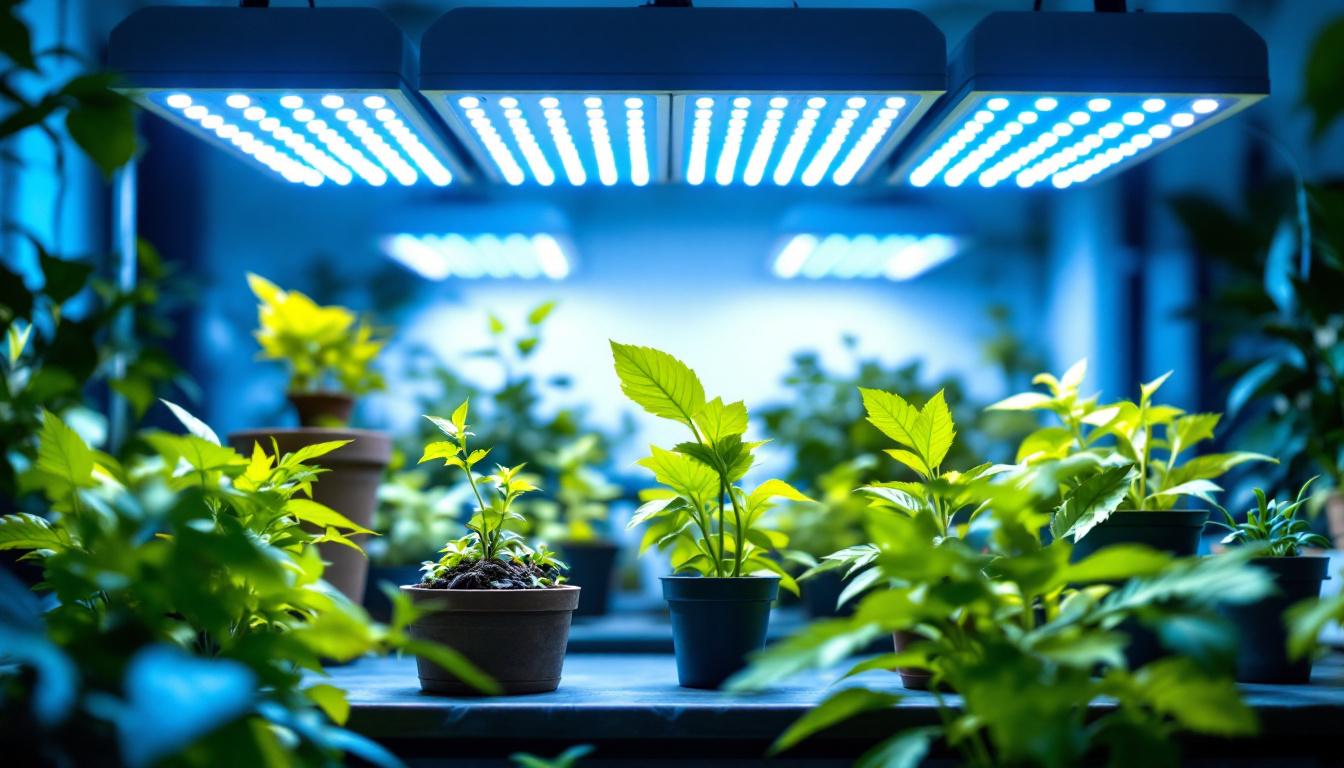
Lighting contractors often encounter projects that extend beyond traditional illumination needs. Grow lights, designed to support plant growth indoors or in controlled environments, have become a critical component in both commercial horticulture and residential gardening setups. These lights simulate natural sunlight, providing the specific light spectrum plants require for photosynthesis, flowering, and fruiting.
For contractors, recognizing the importance of grow lights means more than just installing a fixture. It involves understanding plant biology, light spectrum requirements, and energy efficiency. This knowledge ensures that the lighting solutions provided are not only functional but also optimized for the plants’ health and growth cycles.
Whether it’s a vertical farm, a greenhouse retrofit, or a home grow room, lighting contractors must tailor their approach to the unique demands of each project. This includes selecting the right type of grow light, calculating the appropriate light intensity, and integrating the system seamlessly with existing electrical infrastructure.
In commercial settings, the stakes are often higher, as growers rely on optimal lighting to maximize yield and quality. For instance, in a vertical farm, where space is limited, the use of LED grow lights can be particularly advantageous due to their efficiency and low heat output. These lights can be strategically positioned to ensure that every plant receives adequate light, regardless of its position in the growing system. Additionally, advanced lighting systems can be programmed to mimic natural light cycles, adjusting the spectrum and intensity throughout the day to promote different growth stages, from seedling to harvest.
On the residential side, the rise of urban gardening and indoor plant care has led to an increased interest in grow lights among hobbyists and enthusiasts. Homeowners are now more aware of the benefits of using grow lights for their houseplants, herbs, and vegetables, especially in areas with limited natural sunlight. By incorporating grow lights into their setups, they can extend the growing season, produce healthier plants, and even experiment with growing a wider variety of species. Furthermore, many modern grow lights come with user-friendly features such as timers and adjustable settings, making it easier for novices to achieve optimal results without extensive horticultural knowledge.
Types of Big Grow Lights and Their Applications
High-Intensity Discharge (HID) Lights
HID lights, including Metal Halide (MH) and High-Pressure Sodium (HPS) lamps, have long been favored in large-scale grow operations. MH bulbs emit a blue-white light spectrum ideal for vegetative growth, while HPS bulbs produce a red-orange spectrum that encourages flowering and fruiting.
These lights are powerful and effective but require ballasts and generate significant heat, which can impact the environment and energy costs. Contractors must plan for adequate ventilation and cooling systems when installing HID grow lights to maintain optimal growing conditions. Additionally, the use of reflective materials in the grow space can enhance light distribution, ensuring that plants receive uniform exposure and maximizing yield potential. As growers become more knowledgeable about light cycles, they often implement strategies such as staggered lighting schedules to optimize energy consumption while maintaining robust plant health.
Light Emitting Diodes (LEDs)
LED grow lights have revolutionized the industry with their efficiency and versatility. They offer customizable light spectrums, lower heat output, and longer lifespans compared to HID lamps. For lighting contractors, LEDs represent a future-proof solution that aligns with energy-saving regulations and client demands for sustainable practices.
LEDs are particularly advantageous in projects where precise control over light quality is necessary, such as research facilities or high-value crop production. Their modular design also simplifies installation and maintenance, reducing labor costs over time. Furthermore, the ability to adjust the light spectrum allows growers to tailor their lighting to specific plant stages, enhancing growth rates and improving overall crop quality. As technology advances, smart LED systems that integrate with environmental sensors are becoming increasingly popular, providing real-time adjustments based on plant needs and further optimizing energy use.
Fluorescent Grow Lights
Fluorescent lights, including T5 and compact fluorescent lamps (CFLs), are typically used for seedlings and small-scale indoor gardens. Though less powerful than HID or LED systems, they produce minimal heat and are cost-effective for low-intensity applications.
Contractors working on residential grow rooms or propagation stations often recommend fluorescent lights due to their ease of installation and affordability. However, for large-scale commercial projects, their limited output makes them less suitable. Despite this, fluorescents have a unique advantage in nurturing young plants, as their gentle light promotes healthy seedling development without the risk of light burn. Additionally, the wide availability of various bulb sizes and configurations allows for flexibility in designing grow spaces, making them an excellent choice for hobbyists and small-scale operations looking to maximize their growing potential without a significant financial investment.
Key Considerations for Lighting Contractors When Installing Big Grow Lights
Electrical Load and Safety
Big grow lights can draw substantial power, especially HID and large LED arrays. Lighting contractors must conduct thorough load calculations to ensure the existing electrical system can handle the additional demand without risk of overload or fire hazards.
Proper wiring, circuit breakers, and grounding are critical. Adhering to local electrical codes and standards is non-negotiable. Additionally, contractors should consider surge protection and backup power options to maintain consistent lighting, which is vital for plant health. The integration of smart technology can further enhance safety; for instance, using smart circuit breakers that can monitor load levels in real-time can alert contractors to potential issues before they escalate. This proactive approach not only safeguards the installation but also reassures clients about the reliability of their grow operation.
Heat Management and Ventilation
Heat generated by grow lights affects both plant growth and the safety of the installation. Excessive heat can stress plants, reduce yields, and potentially damage electrical components. Contractors need to integrate ventilation systems, exhaust fans, or air conditioning units to maintain stable temperatures.
In some cases, especially with HID installations, heat management becomes a significant portion of the project scope. Proper spacing between lights and plants, as well as strategic placement of cooling equipment, ensures a balanced environment. Furthermore, the use of thermal imaging cameras can help identify hot spots that may not be visible to the naked eye, allowing for adjustments to be made before they become problematic. Incorporating automated climate control systems can also optimize both temperature and humidity levels, creating an ideal growth environment that can adapt to the plants’ needs throughout their growth cycle.
Light Placement and Coverage
Uniform light distribution is essential for consistent plant growth. Lighting contractors must calculate the optimal height and spacing of grow lights based on the crop type, growth stage, and fixture intensity.
Using tools such as light meters and photometric analysis software helps in designing layouts that avoid shadows and hotspots. This precision reduces wasted energy and maximizes crop yield, which is a critical selling point for clients. Additionally, understanding the photoperiod needs of different plants can influence light placement decisions. For instance, some crops may thrive under longer exposure to specific wavelengths, while others may require a more balanced spectrum. Contractors should also consider the potential for future expansion; designing a flexible layout that allows for additional fixtures or adjustments can save time and resources down the line, ensuring that the installation can grow alongside the client’s business ambitions.
Integrating Smart Controls and Automation
Modern grow light systems often incorporate smart controls that allow for automation of light cycles, intensity adjustments, and remote monitoring. These features enable growers to mimic natural day-night rhythms and adapt lighting to specific plant needs dynamically.
For lighting contractors, installing these systems adds value by enhancing operational efficiency and reducing manual intervention. Integration with environmental sensors-such as humidity and temperature monitors-creates a comprehensive climate control system.
Clients increasingly expect these advanced capabilities, particularly in commercial operations where precision agriculture techniques drive profitability. Contractors should be familiar with popular control platforms and ensure compatibility with the grow lights and electrical infrastructure.
Energy Efficiency and Sustainability
Energy consumption is a major concern in grow light installations. Lighting contractors play a pivotal role in advising clients on solutions that balance performance with cost-effectiveness. LEDs, for example, consume up to 50% less energy than traditional HID lights while delivering comparable or superior light output.
Incorporating timers, dimmers, and occupancy sensors can further reduce unnecessary energy use. Additionally, contractors should consider the environmental impact of their installations, promoting recyclable materials and sustainable disposal of old lighting equipment.
Clients in regulated industries or those seeking certifications for sustainable practices will appreciate contractors who prioritize energy-efficient designs and can document compliance with green building standards.
Maintenance and Longevity of Grow Light Systems
Big grow lights require regular maintenance to ensure consistent performance and longevity. Lighting contractors should educate clients on cleaning protocols, bulb replacement schedules, and system inspections.
LED systems generally require less maintenance due to their extended lifespan, often exceeding 50,000 hours. HID and fluorescent lamps, however, degrade over time and need periodic replacement to maintain light quality.
Contractors can offer maintenance contracts or training sessions to help clients manage their grow light systems effectively. Proactive maintenance reduces downtime and protects the investment in lighting infrastructure.
Conclusion: Delivering Value Through Expertise
Lighting contractors who master the essentials of big grow lights position themselves as indispensable partners in the horticulture and indoor agriculture sectors. Understanding the nuances of different lighting technologies, electrical requirements, environmental controls, and client goals enables contractors to deliver tailored solutions that drive success.
From initial design to installation and ongoing support, the expertise lighting contractors bring to grow light projects enhances plant health, operational efficiency, and sustainability. This comprehensive approach not only meets client expectations but also opens doors to new business opportunities in a rapidly expanding market.
Get Your Grow Lights at LumenWholesale
Ready to elevate your lighting projects with the best grow lights in the market? Look no further than LumenWholesale, where we offer an extensive selection of high-quality, spec-grade lighting products at unbeatable wholesale prices. Say goodbye to middleman markups and hello to superior lighting solutions that meet the highest industry standards. With free shipping on bulk orders, you can stock up on reliable, high-performance lighting for your horticultural and indoor agriculture projects without any hidden fees. Don’t compromise on quality or value—choose LumenWholesale for the perfect blend of affordability and convenience. Visit our website and discover Wholesale Lighting at the Best Value today!