Understanding the Role of Big Blade Ceiling Fans in Modern Lighting Projects
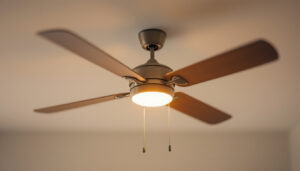
Lighting contractors are increasingly encountering big blade ceiling fans as a significant component in both residential and commercial projects. These fans are not only functional for air circulation but also serve as a design element that complements lighting fixtures. Understanding their role helps contractors deliver integrated solutions that meet client expectations for comfort, aesthetics, and energy efficiency.
Big blade ceiling fans typically feature blades that range from 60 inches to over 72 inches in diameter. Their size allows them to move larger volumes of air at lower speeds, which can reduce noise and increase comfort. For lighting contractors, this means the fan’s design and motor specifications must be carefully considered to ensure compatibility with lighting installations and electrical systems.
Incorporating big blade ceiling fans into lighting projects requires a holistic approach. Contractors must evaluate the spatial dynamics, ceiling height, and existing lighting layout to optimize both airflow and illumination. This integration can enhance the overall ambiance and functionality of a space, making the contractor’s expertise invaluable in the planning and execution phases.
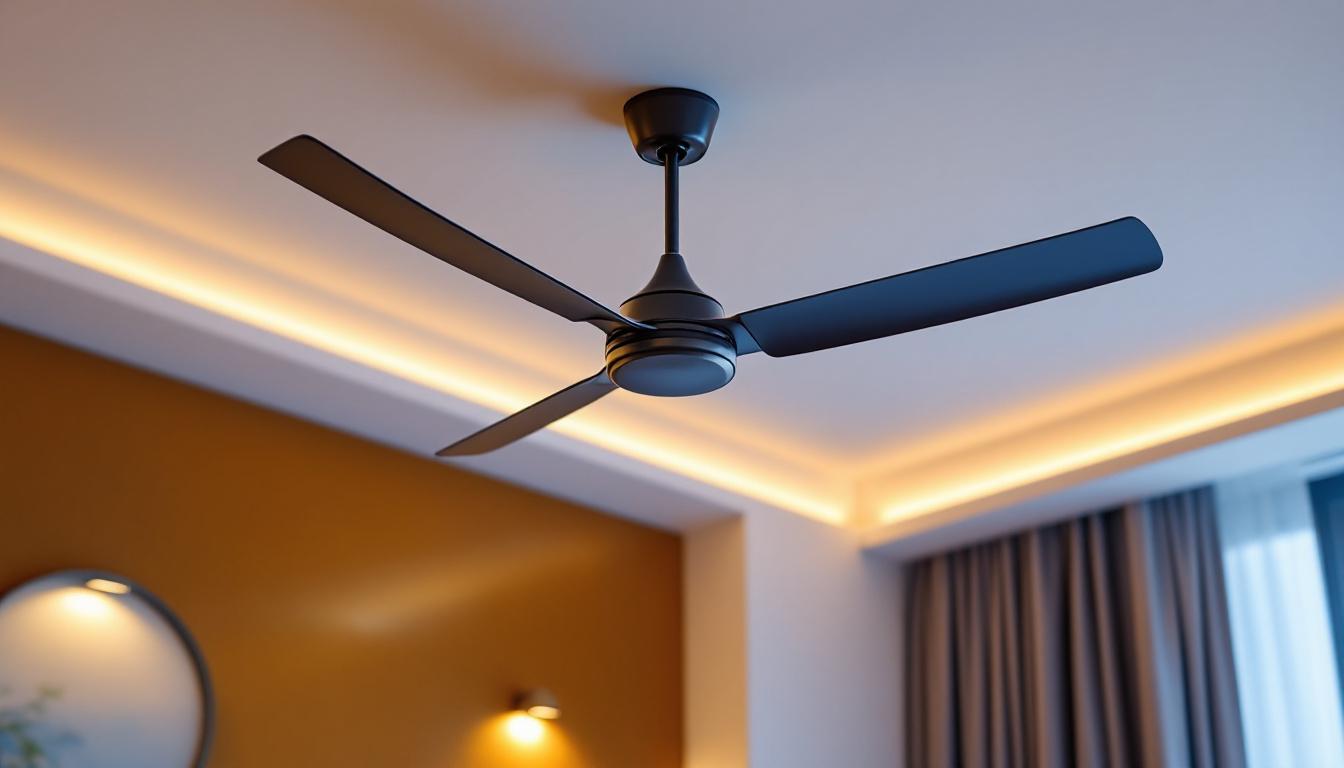
Moreover, the aesthetic appeal of big blade ceiling fans can significantly influence the overall design narrative of a room. With a variety of styles, finishes, and materials available, these fans can seamlessly blend into various decor themes, from rustic to contemporary. For instance, a sleek, modern fan can serve as a striking focal point in an open-concept living area, while a vintage-inspired model may add a touch of charm to a cozy den. This versatility allows contractors to tailor their selections to align with the client’s vision, enhancing the project’s overall coherence.
Additionally, the energy efficiency of big blade ceiling fans cannot be overlooked. Many modern fans are equipped with energy-efficient motors and smart technology that allows for remote control and scheduling. This not only contributes to lower energy bills but also supports sustainable building practices, which are increasingly important in today’s eco-conscious market. By educating clients on the benefits of these features, contractors can position themselves as knowledgeable partners in creating environmentally friendly and cost-effective solutions that enhance the quality of life in both residential and commercial spaces.
Key Technical Considerations for Lighting Contractors
Electrical Load and Wiring Requirements
Big blade ceiling fans often come with powerful motors that demand specific electrical capacities. Lighting contractors should assess the existing wiring infrastructure to ensure it can handle the additional load without compromising safety or performance. This may involve upgrading circuit breakers or installing dedicated lines for the fan and integrated lighting components. Furthermore, it is essential to consider the total electrical load of all devices connected to the same circuit. By calculating the cumulative wattage, contractors can prevent overload situations that could lead to tripped breakers or, in severe cases, electrical fires.
Many modern big blade fans include LED lighting modules or are compatible with various lighting kits. Contractors must verify the voltage and wattage requirements for these integrated lights to avoid overloading circuits. Additionally, the use of dimmers or smart controls requires compatible wiring and control systems, which should be planned during the initial installation phase. It may also be beneficial to educate clients about energy-efficient lighting options and the potential for reduced electricity bills, making the installation not only a technical upgrade but also a financially savvy choice.
Mounting and Structural Support
The size and weight of big blade ceiling fans necessitate robust mounting solutions. Lighting contractors should collaborate with electricians and structural engineers to confirm that ceiling joists or mounting brackets can support the fan’s weight and operational stresses. Inadequate support can lead to safety hazards and premature equipment failure. Additionally, it is crucial to consider the ceiling height and the fan’s intended airflow direction, as improper installation can diminish the fan’s effectiveness and create discomfort in the living space.
For spaces with high or vaulted ceilings, extended downrods may be required to position the fan at an optimal height for airflow and lighting distribution. Contractors must calculate the appropriate length to balance performance and aesthetics while ensuring compliance with building codes. Moreover, using adjustable downrods can provide flexibility in installation, allowing for future adjustments if the room’s layout changes. This adaptability can enhance the long-term value of the installation, catering to evolving design preferences and functional needs.
Integration with Lighting Controls
Advanced lighting control systems are becoming standard in modern installations. Big blade ceiling fans with integrated lighting often support smart home technologies, including remote controls, voice activation, and programmable settings. Lighting contractors should be familiar with these systems to provide seamless integration that enhances user convenience and energy management. Understanding the nuances of different smart home ecosystems can also empower contractors to recommend the best solutions tailored to the client’s lifestyle, ensuring that the technology enhances rather than complicates their daily routines.
Compatibility with popular control platforms such as Zigbee, Z-Wave, or Wi-Fi-based systems can influence the choice of fan models and lighting kits. Contractors should also consider the ease of installation and future maintenance when selecting control solutions. Providing clients with a user-friendly interface for managing their lighting and fan settings can significantly improve their overall satisfaction with the installation. Additionally, offering training sessions on how to utilize these advanced features can foster a positive relationship, positioning the contractor as a knowledgeable resource for future projects or upgrades.
Design and Aesthetic Considerations
Matching Fan Design with Lighting Fixtures
Big blade ceiling fans come in a variety of styles, from industrial and rustic to sleek and contemporary. Lighting contractors must consider the visual harmony between the fan and the lighting fixtures in a space. Coordinating materials, finishes, and color schemes enhances the overall design coherence.
For example, a fan with wooden blades and bronze accents pairs well with warm-toned pendant lights or chandeliers, while a fan with metal blades and a matte black finish complements minimalist or modern lighting designs. Thoughtful selection can elevate the interior’s appeal and satisfy client preferences.
Lighting Distribution and Fan Blade Impact
The large blades of these fans can affect how light is distributed within a room. Contractors should evaluate how the fan’s position and blade movement influence shadows and glare. In some cases, additional lighting may be required to compensate for areas shaded by the fan blades.
Adjusting the placement of recessed lights, wall sconces, or accent lighting can help achieve balanced illumination. Understanding the interplay between airflow and light patterns is essential for creating comfortable and visually pleasing environments.
Energy Efficiency and Sustainability
Energy Savings through Efficient Airflow
Big blade ceiling fans are designed to move air efficiently at lower speeds, which can reduce energy consumption compared to smaller, high-speed fans. For lighting contractors, this presents an opportunity to promote sustainable solutions that align with green building standards and energy codes.
By improving air circulation, these fans can reduce reliance on HVAC systems, leading to lower utility bills and decreased environmental impact. Contractors should highlight these benefits to clients seeking energy-efficient upgrades or LEED certification.
LED Lighting Integration
Many big blade ceiling fans incorporate LED lighting, known for its longevity and low power consumption. Lighting contractors should prioritize fans with high-quality LED modules that offer adjustable color temperatures and dimming capabilities. This flexibility allows for tailored lighting scenes that enhance occupant comfort and productivity.
Additionally, LED integration supports smart controls and automation, enabling users to optimize lighting based on time of day or occupancy. These features contribute to overall energy savings and modern living standards.
Installation Best Practices and Safety Guidelines
Pre-Installation Planning
Thorough planning is critical when installing big blade ceiling fans. Lighting contractors should conduct site assessments to determine ceiling height, structural integrity, and electrical capacity. Coordination with other trades, such as HVAC and interior design, ensures a cohesive approach.
Documenting the layout and specifying fan placement relative to lighting fixtures helps avoid conflicts and facilitates smooth installation. Contractors should also verify that all components comply with local building codes and safety regulations.
Proper Installation Techniques
During installation, ensuring secure mounting and correct wiring connections is paramount. Contractors should use manufacturer-recommended hardware and follow detailed instructions to prevent operational issues. Balancing the fan blades after installation reduces vibration and noise, enhancing user experience.
Testing the integrated lighting and control systems before project completion helps identify any faults early. Providing clients with clear instructions on operation and maintenance supports long-term satisfaction and reduces service calls.
Maintenance and Troubleshooting
Lighting contractors should advise clients on routine maintenance practices, such as cleaning fan blades and checking electrical connections. Periodic inspections can detect wear or damage, preventing costly repairs. Understanding common troubleshooting scenarios, like flickering lights or unbalanced blades, enables contractors to offer prompt support.
Offering maintenance contracts or service packages can also create ongoing business opportunities while ensuring the fan and lighting systems perform optimally over time.
Conclusion: Elevating Lighting Projects with Big Blade Ceiling Fans
Big blade ceiling fans represent a convergence of functionality, design, and technology that lighting contractors must master to deliver superior project outcomes. By understanding the technical requirements, aesthetic considerations, and energy efficiency benefits, contractors can provide integrated solutions that enhance indoor environments.
Successful installation and integration of these fans with lighting systems require careful planning, collaboration, and adherence to safety standards. As demand for sophisticated and sustainable interior solutions grows, lighting contractors who embrace the nuances of big blade ceiling fans position themselves as valuable partners in the evolving construction and renovation landscape.
Ultimately, the ability to seamlessly combine lighting and airflow not only improves occupant comfort but also adds tangible value to any space, reinforcing the lighting contractor’s role as a key contributor to modern building success.
Get Your Premium Big Blade Ceiling Fans at LumenWholesale
Ready to elevate your lighting projects with the finest big blade ceiling fans? Look no further than LumenWholesale. Our commitment to quality and affordability ensures that you have access to the best spec-grade lighting products at wholesale prices. With LumenWholesale, you can forget about the middleman and enjoy superior lighting solutions that meet the highest industry standards. Plus, with free shipping on bulk orders, you can stock up on premium lighting without any hidden fees. Don’t compromise on quality or cost—choose LumenWholesale for the perfect blend of performance and value. Wholesale Lighting at the Best Value is just a click away.