Patio LED Light: Best Practices, Lighting Contractors’ Edition
As outdoor living spaces continue to gain popularity, the demand for effective and aesthetically pleasing patio lighting has surged. Lighting contractors play a pivotal role in designing and implementing lighting solutions that enhance the ambiance and functionality of these spaces. This article delves into best practices for patio LED lighting, providing insights that can help contractors elevate their projects and meet client expectations.
Understanding LED Technology
LED (Light Emitting Diode) technology has revolutionized the way outdoor spaces are illuminated. Unlike traditional incandescent or fluorescent lights, LEDs offer numerous advantages, including energy efficiency, longevity, and versatility. For lighting contractors, understanding these benefits is crucial when recommending solutions to clients.
Energy Efficiency
One of the most significant advantages of LED lighting is its energy efficiency. LEDs consume significantly less power compared to traditional lighting options, which translates to lower energy bills for homeowners. This aspect is particularly appealing to eco-conscious clients who are looking to reduce their carbon footprint. By promoting energy-efficient solutions, contractors can position themselves as responsible and forward-thinking professionals. Furthermore, the reduced energy consumption of LEDs contributes to a decrease in greenhouse gas emissions, making them an environmentally friendly choice. As more consumers become aware of their ecological impact, the demand for energy-efficient lighting solutions is expected to grow, presenting a valuable opportunity for contractors to expand their services.
Longevity and Durability
LED lights have a much longer lifespan than conventional bulbs, often lasting up to 25,000 hours or more. This longevity means less frequent replacements, resulting in lower maintenance costs for clients. Additionally, LEDs are more durable and resistant to shock and vibration, making them ideal for outdoor environments where they may be exposed to the elements. Highlighting these features can help contractors build trust and credibility with their clients. Moreover, the reduced frequency of replacements not only saves money but also minimizes the environmental impact associated with the disposal of old bulbs. As sustainability becomes a priority for many consumers, emphasizing the long-lasting nature of LED technology can further enhance a contractor’s appeal in a competitive market.
Versatility in Design
LEDs come in various shapes, sizes, and colors, allowing for creative flexibility in design. Whether a client desires soft ambient lighting or bright task lighting, there is an LED solution available. Lighting contractors should be well-versed in the different types of LED fixtures, including strip lights, recessed lights, and path lights, to provide tailored recommendations that meet the specific needs of each project. Additionally, the ability to integrate smart technology with LED lighting systems opens up a new realm of possibilities for homeowners. Features such as dimming capabilities, color-changing options, and remote control access allow clients to customize their lighting experience, enhancing both functionality and aesthetics. As smart home technology continues to gain traction, contractors who can offer integrated LED solutions will be well-positioned to meet the evolving demands of their clients.
Design Considerations for Patio Lighting
When designing a patio lighting scheme, several factors must be considered to ensure that the final result is both functional and aesthetically pleasing. Lighting contractors should take into account the layout of the space, the types of activities that will take place, and the overall style of the home.
Assessing the Space
Before selecting fixtures, it is essential to assess the patio space thoroughly. Consider the size and shape of the area, as well as any existing features such as furniture, landscaping, and architectural elements. A well-planned lighting design should highlight these features while providing adequate illumination for safety and usability.
Layering Light
Effective patio lighting often involves layering different types of light sources. Ambient lighting provides overall illumination, while task lighting focuses on specific areas, such as dining tables or cooking stations. Accent lighting can be used to highlight landscaping or architectural details, creating visual interest. By combining these different layers, contractors can create a balanced and inviting atmosphere.
Choosing the Right Fixtures
The choice of fixtures plays a crucial role in the overall effectiveness of patio lighting. Contractors should consider not only the style and finish of the fixtures but also their functionality. For instance, adjustable fixtures can provide flexibility in directing light where it is needed most, while waterproof fixtures are essential for areas exposed to rain or moisture. Selecting the right fixtures can significantly enhance the usability and aesthetic appeal of the patio.
Installation Best Practices
Proper installation is vital to ensuring that patio LED lighting functions effectively and safely. Lighting contractors must adhere to best practices to guarantee that the installation meets both industry standards and client expectations.
Planning the Layout
Before installation begins, creating a detailed lighting plan is essential. This plan should outline the placement of fixtures, the type of lights to be used, and the wiring layout. By having a clear plan in place, contractors can avoid potential issues during installation and ensure that the final result aligns with the client’s vision.
Ensuring Electrical Safety
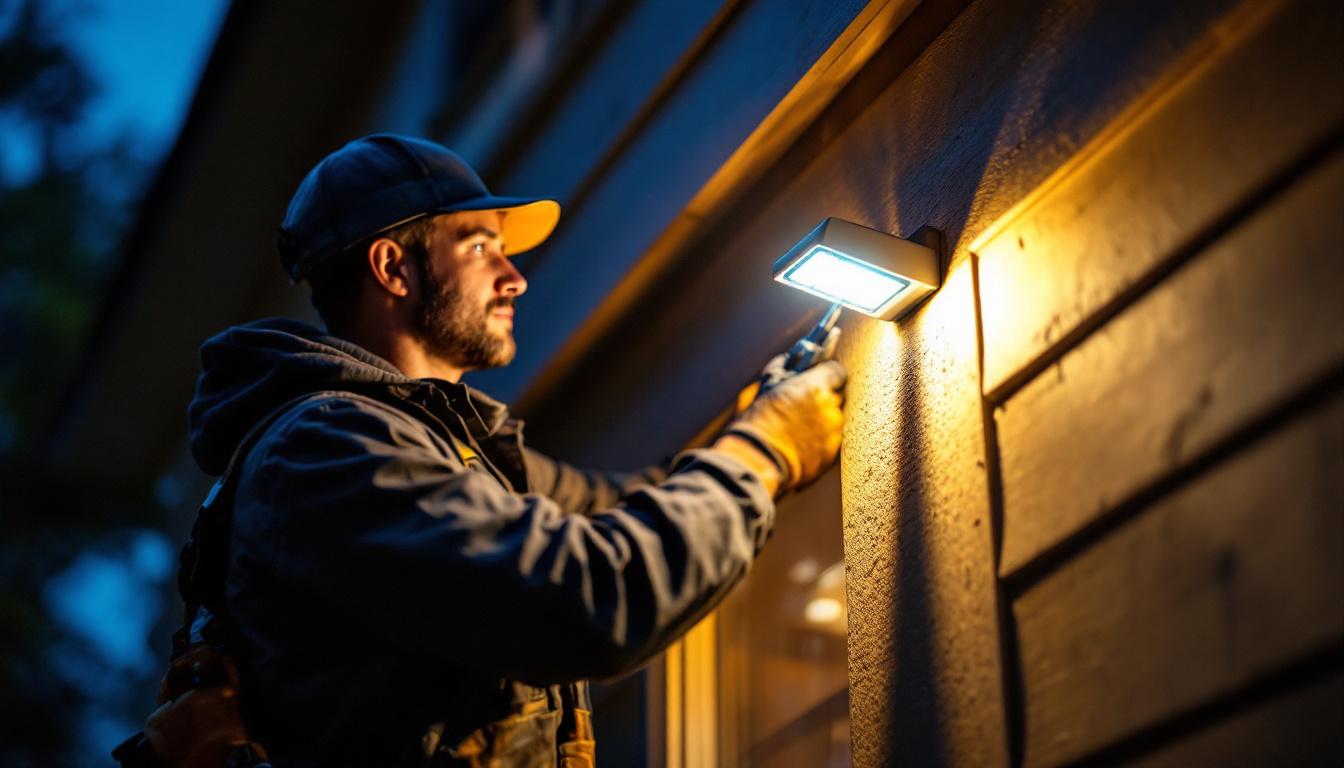
Electrical safety is paramount when working with outdoor lighting. Contractors should ensure that all wiring is rated for outdoor use and that connections are secure and weatherproof. It is also crucial to follow local electrical codes and regulations to avoid any safety hazards. Proper grounding and the use of GFCI (Ground Fault Circuit Interrupter) outlets can further enhance safety in outdoor installations.
Testing and Adjusting
After installation, testing the lighting system is essential. Contractors should check that all fixtures are functioning correctly and make any necessary adjustments to the angle or intensity of the lights. This step ensures that clients are satisfied with the final result and that the lighting effectively meets their needs.
Maintenance and Upkeep
Once the patio lighting is installed, ongoing maintenance is necessary to keep the system functioning optimally. Contractors should educate clients on the best practices for maintaining their outdoor lighting systems to ensure longevity and performance.
Regular Cleaning
Outdoor fixtures are exposed to various elements, including dust, dirt, and moisture. Regular cleaning is essential to maintain their appearance and functionality. Contractors can recommend specific cleaning methods and products that are safe for the materials used in the fixtures. For instance, using a soft cloth and mild soap can help remove grime without damaging the finish.
Inspecting for Damage
Periodic inspections of the lighting system can help identify any potential issues before they escalate. Contractors should advise clients to check for signs of wear, such as frayed wires or cracked fixtures. Addressing these issues promptly can prevent more significant problems and ensure the safety of the outdoor space.
Upgrading Components
As technology advances, upgrading components of the lighting system may become necessary. Contractors should stay informed about the latest LED products and trends, allowing them to recommend upgrades that enhance energy efficiency or improve functionality. Clients will appreciate the proactive approach to maintaining their outdoor lighting systems.
Enhancing Outdoor Aesthetics
Beyond functionality, patio lighting plays a crucial role in enhancing the overall aesthetics of outdoor spaces. Lighting contractors have the opportunity to create stunning visual effects that transform patios into inviting retreats.
Using Color and Texture
LED lights are available in a wide range of colors, allowing contractors to create unique atmospheres tailored to the client’s preferences. For example, warm white lights can create a cozy and intimate setting, while cooler colors can evoke a modern and sleek vibe. Additionally, using fixtures with different textures and finishes can add depth and interest to the design.
Incorporating Smart Technology
Smart lighting technology has gained traction in recent years, offering homeowners greater control over their outdoor lighting systems. Contractors should consider incorporating smart controls that allow clients to adjust brightness, color, and even scheduling through mobile apps or voice commands. This feature not only enhances convenience but also adds a modern touch to the outdoor space.
Highlighting Landscaping Features
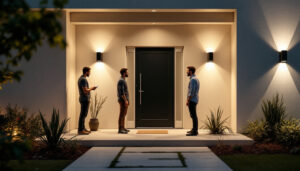
Strategically placing lights to highlight landscaping features can significantly enhance the visual appeal of a patio. Uplighting trees, downlighting pathways, or spotlighting garden sculptures can create dramatic effects that draw attention to the beauty of the outdoor environment. Contractors should work closely with clients to identify key features that they wish to showcase.
Client Education and Communication
Effective communication and education are vital components of a successful lighting project. Lighting contractors should prioritize keeping clients informed throughout the process, from the initial consultation to the final installation.
Setting Realistic Expectations
During the initial consultation, it is essential to set realistic expectations regarding the project timeline, budget, and potential challenges. By being transparent about these factors, contractors can build trust with clients and avoid misunderstandings later in the process.
Providing Maintenance Guidance
Educating clients on maintenance practices can empower them to take an active role in caring for their outdoor lighting systems. Providing written guidelines or scheduling follow-up consultations can help clients feel more confident in managing their lighting. This ongoing support can also lead to repeat business and referrals.
Soliciting Feedback
After the project is completed, soliciting feedback from clients can provide valuable insights into their satisfaction and areas for improvement. This feedback can help contractors refine their processes and better meet the needs of future clients. Additionally, positive testimonials can serve as powerful marketing tools for attracting new business.
Conclusion
Patio LED lighting presents an exciting opportunity for lighting contractors to enhance outdoor living spaces. By understanding LED technology, adhering to best practices in design and installation, and prioritizing client education, contractors can deliver exceptional results that meet and exceed client expectations. As outdoor spaces continue to evolve, staying informed about the latest trends and technologies will ensure that contractors remain at the forefront of the industry.
Ultimately, the goal is to create beautiful, functional, and safe outdoor environments that clients can enjoy for years to come. By following the best practices outlined in this article, lighting contractors can position themselves as trusted experts in patio LED lighting, paving the way for successful projects and satisfied clients.
Illuminate Your Projects with LumenWholesale
Ready to elevate your patio lighting projects with the best LED technology on the market? Look no further than LumenWholesale, where we provide lighting contractors with spec-grade lighting products at unbeatable wholesale prices. Our extensive selection is designed to meet the highest industry standards, ensuring you deliver reliable and high-performance lighting solutions to your clients. With free shipping on bulk orders, you can stock up on premium lighting without the worry of hidden fees or compromises. Make your next project shine by choosing LumenWholesale for quality, affordability, and convenience. Discover the perfect lighting for your needs at the best value by visiting Wholesale Lighting at the Best Value.