Understanding the Unique Challenges of Barn Outdoor Lighting
Lighting professionals tasked with illuminating barn exteriors face a distinctive set of challenges that differ significantly from residential or commercial outdoor lighting projects. Barns, often situated in rural or agricultural settings, require lighting solutions that balance functionality, durability, and aesthetics while addressing the specific needs of farm operations.
One of the primary considerations is the environment. Barns are frequently exposed to harsh weather conditions—rain, snow, dust, and extreme temperature fluctuations. Lighting fixtures must be robust and weather-resistant to ensure longevity and consistent performance. Additionally, barns often operate around the clock, especially during planting or harvest seasons, making reliable illumination crucial for safety and productivity.
Another challenge is the architectural diversity of barns. From traditional wooden structures to modern metal-sided buildings, the lighting design must complement the barn’s style while providing adequate coverage. This requires a nuanced understanding of light distribution, mounting options, and the impact of shadows on work areas.
Key Environmental Factors to Consider
Moisture and dust ingress are significant concerns in barn environments. Lighting fixtures with at least an IP65 rating are recommended to withstand water jets and dust penetration. Additionally, corrosion-resistant materials such as stainless steel or powder-coated aluminum extend fixture lifespan in humid or chemically exposed areas.
Temperature extremes can affect both the fixture and the light source. LED technology, known for its resilience and energy efficiency, performs well in cold environments, maintaining brightness and longevity where traditional bulbs might fail. Furthermore, the use of smart lighting systems can enhance functionality by allowing for programmable settings that adjust brightness based on time of day or activity levels, thus optimizing energy consumption while ensuring that the barn remains well-lit when needed.
Another critical factor to consider is the safety of both workers and livestock. Proper lighting not only facilitates visibility but also helps prevent accidents during nighttime operations. This is particularly important in areas where heavy machinery is used or where animals are housed. Strategic placement of lights can minimize dark spots and ensure that pathways, entrances, and exits are illuminated, reducing the risk of slips, trips, and falls. Moreover, incorporating motion sensors can provide additional safety by activating lights only when movement is detected, thereby conserving energy while still maintaining a secure environment.
Essential Lighting Objectives for Barn Exteriors
Before selecting fixtures and designing the layout, lighting professionals must clearly define the objectives of barn outdoor lighting. These objectives typically include:
- Safety and Security: Preventing accidents and deterring unauthorized access.
- Operational Efficiency: Providing sufficient light for nighttime tasks such as equipment maintenance, animal care, and loading operations.
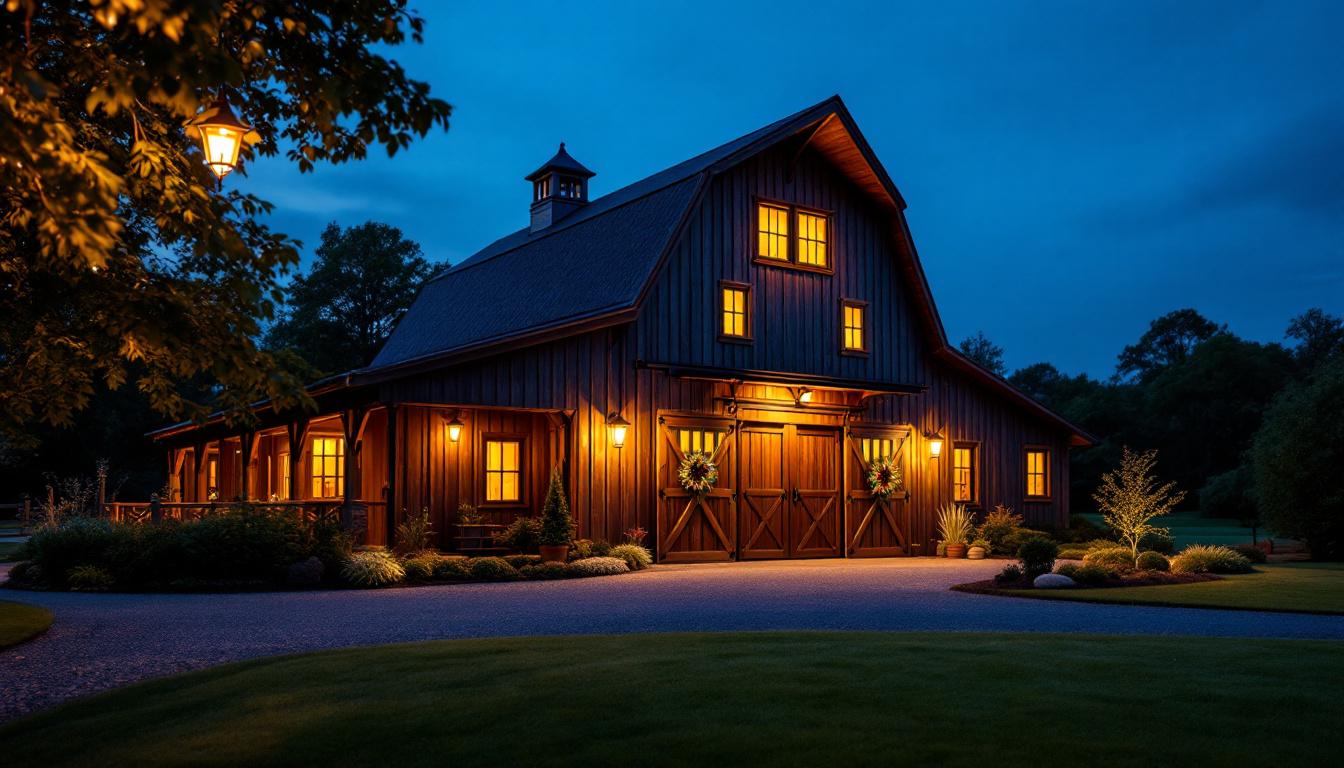
- Aesthetic Appeal: Enhancing the barn’s visual presence, especially for agritourism or event venues.
Each objective influences fixture choice, placement, and control strategies, making it essential to prioritize based on the barn owner’s needs.
Safety and Security Lighting
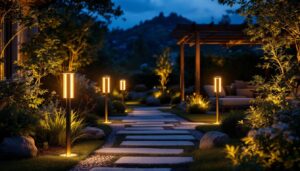
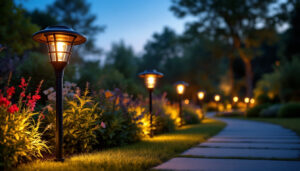
Illuminating pathways, entrances, and perimeters helps reduce trip hazards and improves visibility for workers and visitors. Motion-activated floodlights and strategically placed bollard lights can enhance security while conserving energy.
Consider integrating lighting with security cameras and alarm systems for a comprehensive safety solution. Warm white lighting (2700K–3000K) is often preferred for outdoor security as it reduces glare and light pollution while maintaining clear visibility.
Operational Lighting Needs
Work areas such as loading docks, feed storage zones, and animal pens require bright, uniform lighting to support detailed tasks. High lumen output fixtures with wide beam angles ensure broad coverage and minimize shadows that could obscure hazards.
Durability and ease of maintenance are critical here. Fixtures with quick-release mechanisms and easily replaceable LEDs reduce downtime during repairs or upgrades.
Aesthetic Considerations
For barns used as event spaces or agritourism destinations, aesthetic lighting enhances architectural features and creates inviting atmospheres. Accent lighting, uplighting, and string lights can highlight textures and structural elements without overwhelming the functional lighting.
Color temperature and fixture design play key roles in achieving the desired ambiance. Dimmable fixtures offer flexibility to adjust lighting levels according to event requirements.
Comprehensive Checklist for Barn Outdoor Lighting Professionals
To ensure a successful barn outdoor lighting installation, lighting contractors should follow a detailed checklist that covers every critical aspect of the project. This checklist serves as a guide from initial assessment through final commissioning.
1. Site Assessment and Planning
- Evaluate barn architecture and materials: Identify mounting surfaces and potential obstructions.
- Analyze environmental conditions: Document exposure to moisture, dust, temperature extremes, and chemicals.
- Determine operational hours and lighting schedules: Understand when and how the lighting will be used.
- Identify safety and security risks: Pinpoint areas requiring enhanced illumination.
- Consult with barn owners or managers: Clarify lighting objectives and budget constraints.
2. Fixture Selection
- Choose weatherproof and durable fixtures: Opt for IP65 or higher ratings and corrosion-resistant materials.
- Select appropriate light sources: LEDs are preferred for energy efficiency, longevity, and cold-weather performance.
- Consider beam angle and lumen output: Match fixture specifications to coverage requirements and mounting height.
- Incorporate controls and sensors: Use motion sensors, photocells, and timers to optimize energy use.
- Ensure compatibility with existing electrical infrastructure: Verify voltage and wiring standards.
3. Layout and Installation
- Design lighting layout: Create a plan that balances uniformity and targeted illumination.
- Position fixtures to minimize glare and shadows: Adjust angles and heights accordingly.
- Install fixtures securely: Use appropriate mounting hardware and follow manufacturer guidelines.
- Implement wiring and conduit protection: Protect against physical damage and environmental exposure.
- Test all controls and sensors: Confirm proper operation and adjust sensitivity settings.
4. Energy Efficiency and Sustainability
Energy consumption is a significant consideration for barn owners, especially those operating on tight budgets or with sustainability goals. Lighting professionals should recommend energy-efficient solutions that reduce operational costs without compromising performance.
- Advocate for LED technology: LEDs consume up to 75% less energy than incandescent bulbs and have longer lifespans.
- Incorporate smart controls: Automated dimming, occupancy sensors, and daylight harvesting can significantly reduce unnecessary lighting.
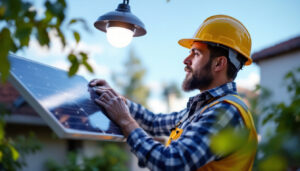
- Consider renewable energy integration: Solar-powered fixtures or systems can be viable in remote locations lacking easy grid access.
5. Maintenance Planning
Regular maintenance is essential to ensure the longevity and effectiveness of barn outdoor lighting. Lighting professionals should provide clients with a maintenance plan that includes:
- Routine cleaning: Removing dirt, dust, and debris from fixtures to maintain light output.
- Inspection schedules: Checking for corrosion, damage, or loose connections.
- Replacement timelines: Planning for LED module replacements or fixture upgrades as technology advances.
- Emergency procedures: Guidelines for addressing lighting failures during critical operational periods.
Case Studies: Successful Barn Lighting Projects
Examining real-world examples provides valuable insights into effective barn outdoor lighting strategies. Two case studies highlight different approaches tailored to distinct barn uses and environments.
Case Study 1: Agricultural Production Barn in the Midwest
A large dairy farm required robust exterior lighting to support 24-hour operations. The lighting contractor implemented high-output LED floodlights with wide beam angles to cover loading zones and animal access points. Motion sensors were installed to activate lights only when activity was detected, reducing energy consumption by approximately 40% compared to previous installations.
Fixtures with IP67 ratings ensured performance despite frequent washdowns and exposure to manure chemicals. The lighting design minimized shadows, enhancing worker safety during nighttime feedings and equipment maintenance.
Case Study 2: Event Barn in the Pacific Northwest
An event barn used for weddings and community gatherings needed a lighting solution that combined functionality with ambiance. The contractor installed dimmable LED wall sconces and uplighting to accentuate the barn’s timber frame and stone foundation. String lights with warm color temperatures were added to outdoor seating areas to create a cozy atmosphere.
All fixtures were selected for weather resistance due to the region’s high rainfall. The lighting system included a centralized control panel allowing easy adjustment of lighting scenes for different event types, enhancing the barn’s versatility and appeal.
Best Practices and Emerging Trends in Barn Outdoor Lighting
Lighting professionals stay ahead by adopting best practices and embracing new technologies that improve barn lighting outcomes. Some current trends include:
Integration of Smart Lighting Systems
Smart lighting platforms enable remote monitoring and control, allowing barn owners to adjust lighting schedules and respond to maintenance needs proactively. Integration with farm management systems can optimize lighting based on real-time activity data.
Use of Solar and Off-Grid Solutions
Remote barns without reliable grid access benefit from solar-powered lighting systems paired with energy-efficient LEDs and battery storage. These solutions reduce dependence on fossil fuels and lower operational costs.
Focus on Animal Welfare
Research shows that lighting color temperature and intensity can impact livestock behavior and health. Lighting professionals are increasingly specifying fixtures that provide appropriate light spectra and minimize stress for animals, contributing to better productivity and welfare.
Enhanced Durability and Modular Designs
Modular lighting systems allow easy upgrades and repairs, reducing downtime and lifecycle costs. Advances in materials science have led to fixtures that better resist corrosion, impact, and UV degradation.
Conclusion: Delivering Excellence in Barn Outdoor Lighting
For lighting contractors, barn outdoor lighting projects demand a comprehensive approach that addresses environmental challenges, operational needs, and client objectives. By following a detailed checklist—from site assessment to maintenance planning—and leveraging modern technologies, professionals can deliver lighting solutions that enhance safety, efficiency, and aesthetics.
Success in this niche requires technical expertise, attention to detail, and a commitment to sustainability. As barns continue to evolve in function and design, lighting professionals who stay informed and adaptable will be best positioned to meet the unique demands of these essential agricultural and community structures.
Illuminate Your Barn Projects with LumenWholesale
Ready to elevate your barn outdoor lighting projects with the best in spec-grade lighting? Look no further than LumenWholesale. Our commitment to empowering contractors like you with top-quality lighting products at wholesale prices means you can achieve excellence in every installation. With our extensive selection, free shipping on bulk orders, and no middleman markups, you’ll find the perfect lighting solutions that meet the highest industry standards. For reliable, high-performance lighting that blends quality, affordability, and convenience, explore our collection at LumenWholesale and secure the best value for your lighting needs.