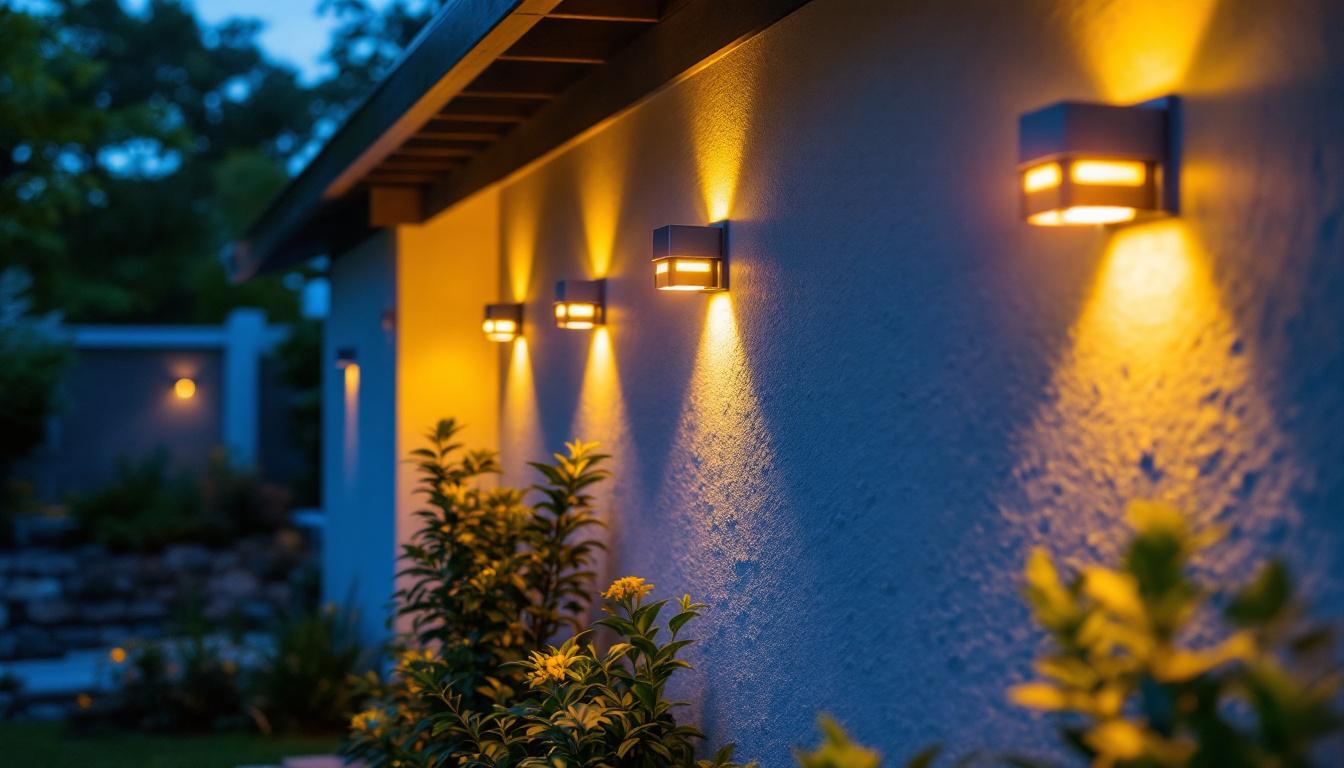
As the demand for sustainable energy solutions continues to grow, solar sconce lighting has emerged as a popular choice for both residential and commercial outdoor spaces. However, while the benefits of solar lighting are clear, many lighting contractors make common mistakes that can compromise the effectiveness and longevity of these systems. This guide aims to help contractors navigate the complexities of solar sconce lighting and avoid pitfalls that could impact their projects.
Understanding Solar Sconce Lighting
Solar sconce lights are outdoor fixtures that harness solar energy to illuminate pathways, walls, and other outdoor areas. They are typically mounted on walls or fences and are designed to provide ambient lighting without the need for electrical wiring. Understanding the components and functionality of solar sconce lights is crucial for successful installation and maintenance.
Components of Solar Sconce Lights
Solar sconce lights generally consist of a solar panel, LED bulbs, a rechargeable battery, and a light sensor. The solar panel collects sunlight during the day, converting it into electrical energy, which is stored in the battery. At dusk, the light sensor activates the LED bulbs, providing illumination throughout the night.
Familiarity with these components allows contractors to select the right products for their projects and anticipate potential issues that may arise during installation or operation. Additionally, understanding the quality of the solar panel and battery is essential, as these elements significantly affect the efficiency and longevity of the lighting system. High-quality solar panels can absorb more sunlight, while robust batteries ensure longer illumination periods, even on cloudy days.
Benefits of Solar Sconce Lighting
One of the most significant advantages of solar sconce lighting is its energy efficiency. By relying on solar power, these fixtures reduce electricity costs and minimize environmental impact. Additionally, they are relatively easy to install, requiring no complex wiring or electrical work.
Moreover, solar sconce lights can enhance the aesthetic appeal of outdoor spaces. They come in various styles and designs, making it easy to find options that complement the architecture of a home or business. From traditional lantern styles to sleek, modern designs, there is a solar sconce light to suit every taste and outdoor decor. Furthermore, many models are equipped with features such as adjustable brightness settings or color-changing LEDs, allowing homeowners to customize their outdoor lighting experience to match different occasions or moods.
Another notable benefit of solar sconce lighting is its low maintenance requirements. Since these lights operate on solar energy, there are no wires to check or replace, and the LED bulbs have a long lifespan, often lasting for years without needing replacement. This makes them an ideal choice for busy homeowners or property managers who want to maintain a beautiful outdoor space without the hassle of frequent upkeep. Additionally, many solar sconce lights are designed to withstand various weather conditions, ensuring reliable performance throughout the seasons.
Common Mistakes to Avoid
While solar sconce lighting offers numerous benefits, several common mistakes can hinder performance and satisfaction. Recognizing these pitfalls is essential for lighting contractors aiming to deliver high-quality installations.
1. Neglecting Site Assessment
One of the most critical steps in any lighting project is a thorough site assessment. Failing to evaluate the location where solar sconces will be installed can lead to inadequate lighting and poor performance. Factors such as shade from trees, nearby structures, and the orientation of the solar panels should be carefully considered.
Contractors should take the time to assess the amount of sunlight the installation area receives throughout the day. Areas that are heavily shaded will not provide sufficient solar energy, resulting in dim or non-functional lights at night.
2. Choosing Inadequate Products
Not all solar sconce lights are created equal. Contractors must be diligent in selecting high-quality products that meet the specific needs of their projects. This includes considering the brightness of the LED bulbs, the capacity of the rechargeable battery, and the efficiency of the solar panel.
Opting for cheaper, low-quality products may save money upfront but can lead to frequent replacements and dissatisfied clients in the long run. Investing in reputable brands with proven performance can ensure longevity and reliability.
3. Poor Installation Practices
Installation is a critical phase in the process of setting up solar sconce lighting. Many contractors overlook the importance of following manufacturer guidelines, which can lead to improper function. For instance, if the solar panel is not positioned correctly to receive maximum sunlight, the entire system’s performance can be compromised.
Additionally, ensuring that the fixtures are securely mounted and at the appropriate height can prevent issues such as water damage or instability. Taking the time to follow best practices during installation can save time and resources in the future.
Optimizing Solar Sconce Lighting Performance
Once the installation is complete, ensuring optimal performance is key to client satisfaction. There are several strategies contractors can employ to maximize the efficiency and longevity of solar sconce lighting systems.
Regular Maintenance
Regular maintenance is essential for keeping solar sconce lights in good working condition. This includes cleaning the solar panels to ensure they can effectively absorb sunlight. Dust, dirt, and debris can accumulate over time, reducing the efficiency of the solar panel and diminishing the light output.
Contractors should also check the battery and LED bulbs periodically. Replacing batteries and bulbs as needed will help maintain consistent lighting performance and prevent unexpected outages.
Educating Clients
Educating clients about the operation and maintenance of solar sconce lighting can foster a better understanding of the system’s capabilities. Providing guidance on how to care for the lights, such as cleaning the panels and understanding the importance of sunlight exposure, can enhance the overall user experience.
Additionally, informing clients about the expected performance during different seasons can help manage their expectations. For example, during winter months, shorter days may affect the amount of light produced.
Design Considerations for Solar Sconce Lighting
When planning a solar sconce lighting project, design considerations play a crucial role in achieving both functionality and aesthetic appeal. Thoughtful design can enhance the overall atmosphere of outdoor spaces while ensuring adequate illumination.
Light Placement
Strategic placement of solar sconces is vital for effective lighting. Contractors should consider the purpose of the lighting—whether it is to illuminate walkways, highlight architectural features, or create ambiance. Proper placement can enhance safety and security while also adding visual interest.
Additionally, spacing the fixtures appropriately will ensure even distribution of light. Overcrowding sconces can lead to excessive brightness in certain areas while leaving others inadequately lit.
Style and Aesthetic Integration
Solar sconces come in a variety of styles, from modern designs to traditional lanterns. Selecting fixtures that complement the existing architecture and landscaping can create a cohesive look. Contractors should consider the overall theme of the outdoor space and choose lighting that enhances its character.
Incorporating different styles and finishes can also add depth and interest to the lighting design. Mixing and matching fixtures can create a unique and personalized outdoor environment.
Addressing Client Concerns
Clients may have various concerns regarding solar sconce lighting, from performance to aesthetics. Addressing these concerns proactively can help build trust and ensure a successful project outcome.
Performance Expectations
Clients often want to know how well solar sconce lights will perform, especially in areas with limited sunlight. It is essential for contractors to explain the factors that can influence performance, such as geographic location, seasonal changes, and the quality of the products used.
Providing examples of similar installations and their performance can help clients visualize the potential outcomes. Additionally, discussing the importance of regular maintenance can reassure clients about the longevity of their investment.
Cost Considerations
Cost is always a significant factor in any lighting project. Contractors should provide clients with a clear breakdown of the costs associated with solar sconce lighting, including product selection, installation, and potential maintenance expenses.
Highlighting the long-term savings associated with solar energy can help justify the initial investment. Emphasizing the reduced electricity costs and the minimal maintenance required can make solar sconce lighting an attractive option for clients.
Future Trends in Solar Sconce Lighting
The landscape of solar sconce lighting is continually evolving, with new technologies and design trends emerging. Staying informed about these developments can help contractors remain competitive and offer the best solutions to their clients.
Smart Technology Integration
As smart home technology becomes increasingly popular, integrating smart features into solar sconce lighting is a growing trend. This may include remote control capabilities, motion sensors, and even integration with home automation systems.
Contractors who are knowledgeable about these advancements can provide clients with cutting-edge solutions that enhance convenience and security. Offering smart solar sconce lights can set a contractor apart in a competitive market.
Enhanced Aesthetics
Design trends are also shifting towards more aesthetically pleasing solar sconce options. Manufacturers are focusing on creating fixtures that not only perform well but also serve as decorative elements in outdoor spaces.
Contractors should keep an eye on emerging styles and materials, as well as the increasing demand for customizable options. This awareness can help contractors provide clients with unique solutions that reflect their personal tastes and preferences.
Conclusion
Solar sconce lighting presents a valuable opportunity for lighting contractors to offer sustainable and aesthetically pleasing solutions to their clients. By understanding common mistakes, optimizing performance, and staying informed about trends, contractors can enhance their services and ensure successful project outcomes.
By avoiding pitfalls such as inadequate site assessments, poor product choices, and improper installation, contractors can deliver high-quality solar sconce lighting that meets client expectations. Through regular maintenance, thoughtful design, and proactive communication, lighting professionals can build lasting relationships with their clients while contributing to a more sustainable future.
Ultimately, embracing the potential of solar sconce lighting not only benefits contractors but also enhances the outdoor experiences of clients, creating beautifully illuminated spaces that are both functional and environmentally friendly.
Illuminate Your Projects with LumenWholesale
Ready to elevate your lighting projects with the best solar sconce options on the market? Look no further than LumenWholesale, where we provide contractors with superior, spec-grade lighting products at unbeatable wholesale prices. Say goodbye to local distributor markups and hello to a vast selection of high-performance lighting that meets the highest industry standards. With free shipping on bulk orders, you can stock up on premium lighting solutions without worrying about hidden fees. Make your next project shine with quality, affordability, and convenience. Discover the value of wholesale lighting by visiting LumenWholesale today.