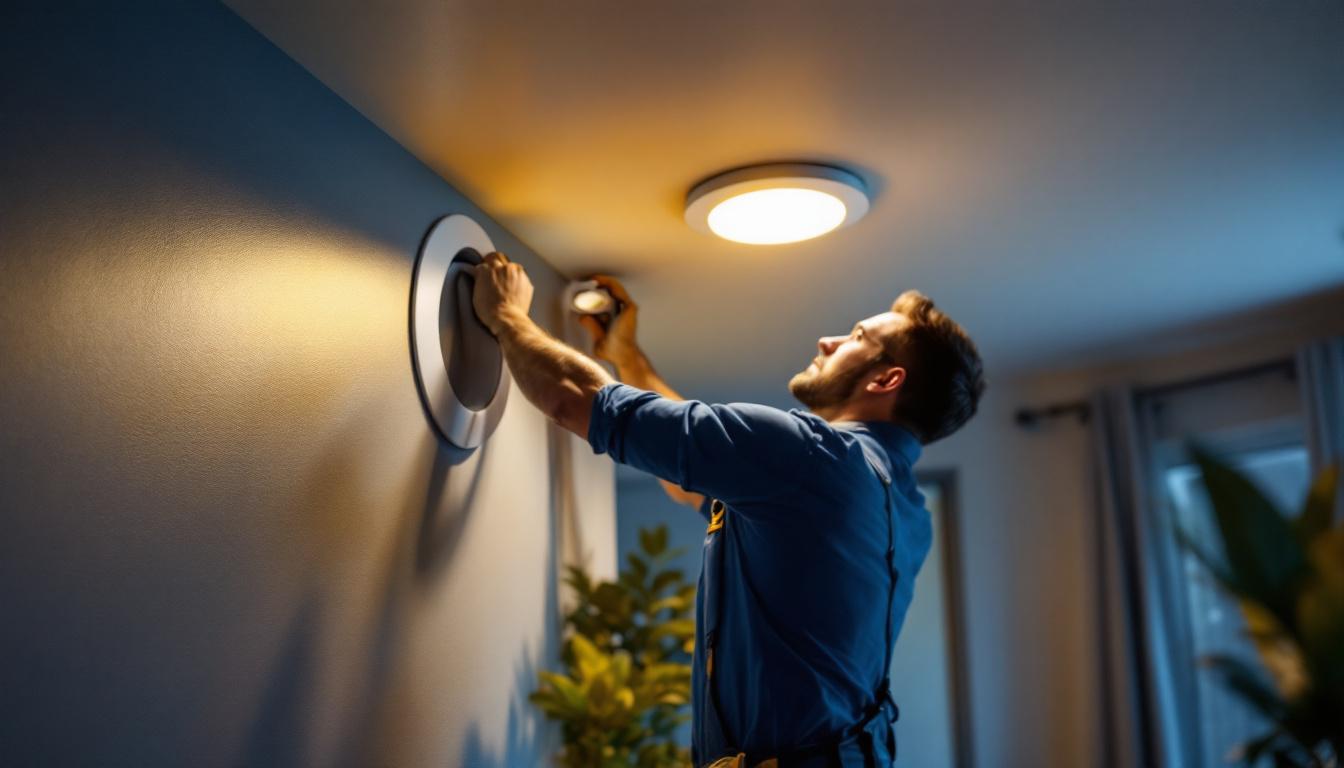
Understanding the B Base Light Bulb: A Foundation for Lighting Contractors
For lighting contractors, a thorough understanding of the components they work with is essential. The B base light bulb, often used in decorative and specialty lighting, is one such component that demands attention. Recognizable by its small, rounded shape and bayonet-style base, the B base bulb is a staple in various lighting applications, from chandeliers to accent fixtures.
Its compact design and reliable connection make it a popular choice in both residential and commercial settings. However, the specific characteristics of B base bulbs require contractors to apply best practices to ensure safety, functionality, and client satisfaction. This article outlines the critical do’s and don’ts that lighting contractors should keep in mind when working with B base light bulbs.
One of the key advantages of B base light bulbs is their versatility. They come in a variety of wattages and color temperatures, allowing contractors to tailor lighting solutions to specific environments and client preferences. For instance, a warm white B base bulb can create an inviting atmosphere in a dining room, while a cooler temperature might be more suitable for a modern office space. Additionally, many B base bulbs are now available in energy-efficient LED options, providing contractors with the opportunity to offer sustainable solutions that reduce energy consumption and lower utility bills for clients.
Moreover, understanding the installation and maintenance aspects of B base bulbs is crucial for ensuring longevity and performance. Proper handling during installation is vital, as the bayonet base requires a specific twisting motion to secure the bulb in place. Contractors should also educate clients about the importance of regular maintenance, such as cleaning the bulbs and fixtures to prevent dust buildup that can diminish light output. By being proactive in these areas, lighting contractors can enhance the overall experience for their clients and foster long-term relationships built on trust and expertise.
Do: Select the Appropriate Bulb Type and Wattage
One of the first considerations when installing or replacing B base bulbs is selecting the correct type and wattage. B base bulbs come in various types, including incandescent, LED, and halogen. Each has different energy consumption, heat output, and lifespan characteristics. Incandescent bulbs, while providing a warm and inviting glow, are known for their relatively short lifespan of around 1,000 hours and higher energy consumption. On the other hand, LED bulbs can last up to 25,000 hours and consume significantly less energy, making them a popular choice for both residential and commercial applications.
Choosing the right wattage is crucial to prevent overheating and potential fixture damage. For example, many decorative fixtures designed for B base bulbs specify a maximum wattage, often around 40 watts for incandescent bulbs. Exceeding this limit can cause premature fixture wear or even fire hazards. It’s also important to consider the lumens output, which measures brightness, as different applications may require varying levels of light intensity. For instance, a cozy reading nook may benefit from a warmer, softer light, while a kitchen may need brighter illumination for cooking tasks.
LED equivalents offer a safer and more energy-efficient alternative, often providing the same brightness at a fraction of the wattage. Lighting contractors should advise clients on these options, balancing aesthetics, energy savings, and fixture compatibility. Furthermore, the color temperature of the bulbs can significantly affect the ambiance of a space. Warmer tones (around 2700K) create a relaxed atmosphere, ideal for living rooms and bedrooms, while cooler tones (above 4000K) are better suited for workspaces where clarity and focus are paramount. Understanding these nuances allows homeowners to make informed decisions that enhance both the functionality and aesthetic appeal of their spaces.
Don’t: Neglect Fixture Compatibility and Base Type Verification
One common mistake is assuming all B base bulbs are interchangeable without verifying fixture compatibility. The B base refers specifically to the bayonet base size and shape, but variations exist in terms of voltage, bulb length, and shape (such as B10, B11, or B15). Installing an incompatible bulb can lead to poor fit, flickering, or electrical issues. These issues not only compromise the functionality of the lighting but can also pose safety risks, such as overheating or electrical shorts that could potentially damage the fixture or create fire hazards.
Contractors must carefully check the fixture’s specifications and ensure the bulb’s base and shape match. This attention to detail prevents installation problems and maintains the integrity of the lighting system. Additionally, it’s crucial to consider the wattage and lumens output of the bulbs being used, as these factors can significantly affect the overall brightness and energy efficiency of the lighting setup. For instance, using a bulb with a higher wattage than the fixture is rated for can lead to overheating, while a lower wattage bulb may not provide sufficient illumination for the intended space.
Moreover, different types of fixtures may require specific bulb types to achieve the desired aesthetic and functional outcomes. For example, recessed lighting often employs B base bulbs designed to fit snugly within the housing, while decorative fixtures may utilize more stylized shapes to enhance visual appeal. Understanding these nuances not only aids in selecting the right bulb but also enhances the overall design and effectiveness of the lighting scheme, ensuring that both form and function are harmoniously achieved.
Do: Follow Proper Installation Procedures
Installing B base bulbs correctly is vital for safety and performance. The bayonet base requires a push-and-twist motion to secure the bulb firmly into the socket. Lighting contractors should ensure that the bulb is seated properly to avoid loose connections, which can cause flickering or electrical arcing. A well-installed bulb not only enhances lighting quality but also extends the lifespan of the fixture, reducing the need for frequent replacements and maintenance.
Additionally, it’s important to power off the fixture before installation or replacement to prevent electrical shock. Using gloves or a clean cloth can protect the bulb from oils and dirt that may reduce its lifespan, especially for halogen variants. It’s also advisable to inspect the socket for any signs of wear or damage before inserting a new bulb. A damaged socket can lead to further electrical issues, potentially compromising the safety of the entire lighting system.
Moreover, understanding the wattage and voltage requirements of the fixture is crucial. Overloading a socket with a bulb that exceeds the recommended wattage can lead to overheating and even fire hazards. Always refer to the manufacturer’s specifications to ensure compatibility. Additionally, consider the type of lighting you wish to achieve; for example, LED bulbs are energy-efficient and have a longer lifespan compared to traditional incandescent bulbs, making them a popular choice for modern installations.
Finally, remember that the environment in which the bulb will be used can also affect its performance. For outdoor fixtures, ensure that the bulbs are rated for damp or wet locations to withstand weather conditions. In indoor settings, consider the color temperature of the bulb, as this can influence the ambiance of the space. Warmer tones create a cozy atmosphere, while cooler tones can enhance focus and productivity, especially in workspaces.
Don’t: Overlook Environmental and Usage Conditions
Environmental factors can significantly impact the performance and longevity of B base bulbs. For instance, bulbs used in enclosed fixtures or areas with poor ventilation may overheat if the wattage is too high. Similarly, exposure to moisture or vibration can shorten bulb life or cause failures.
Lighting contractors should assess the installation environment and recommend bulbs rated for those conditions. For outdoor or damp locations, bulbs with appropriate IP ratings or sealed designs are necessary. In high-vibration areas, selecting bulbs designed to withstand such stress ensures reliability.
Do: Advise Clients on Energy Efficiency and Maintenance
Energy efficiency is a growing concern for many clients, and lighting contractors play a key role in guiding their choices. B base LED bulbs offer significant energy savings over traditional incandescent or halogen bulbs, often reducing energy consumption by up to 80% without sacrificing light quality.
Contractors should educate clients on the benefits of upgrading to LED technology, including longer lifespan, reduced heat output, and lower electricity bills. Additionally, establishing a maintenance schedule for bulb replacement and fixture cleaning helps maintain optimal lighting performance and appearance.
Don’t: Ignore Safety Standards and Regulations
Compliance with electrical codes and safety standards is non-negotiable in professional lighting installation. Using bulbs that do not meet regulatory requirements or installing them incorrectly can lead to hazards and legal liabilities.
Lighting contractors must stay informed about relevant standards, such as UL listings and local electrical codes, ensuring that all B base bulbs and fixtures are certified and installed according to guidelines. This diligence protects both the contractor and the client from potential risks.
Do: Keep Up with Technological Advances and Market Trends
The lighting industry continually evolves, with innovations in bulb technology, smart lighting controls, and energy management. Staying current with these trends enables lighting contractors to offer cutting-edge solutions that meet client demands for efficiency, convenience, and design.
For example, smart B base LED bulbs with dimming capabilities and color temperature adjustments are increasingly popular. Familiarity with these products and their installation requirements allows contractors to expand their service offerings and enhance customer satisfaction.
Don’t: Underestimate the Importance of Proper Disposal and Recycling
Environmental responsibility is a critical aspect of modern lighting practices. Many B base bulbs, particularly those containing mercury or other hazardous materials, require special disposal methods to prevent environmental contamination.
Lighting contractors should educate clients about proper disposal and recycling options. Partnering with certified recycling programs and following local regulations ensures that used bulbs are handled safely and sustainably.
Conclusion: Mastering B Base Bulb Installation for Optimal Results
For lighting contractors, mastering the do’s and don’ts of B base light bulb installation is essential for delivering safe, efficient, and aesthetically pleasing lighting solutions. Selecting the right bulb type and wattage, verifying fixture compatibility, following proper installation procedures, and adhering to safety standards form the foundation of professional practice.
Moreover, advising clients on energy-efficient options, environmental considerations, and maintenance enhances the value of the contractor’s service. By staying informed about technological advances and market trends, contractors can continue to meet evolving client needs and industry demands.
Ultimately, attention to detail and commitment to best practices ensure that B base light bulb installations contribute positively to the overall lighting experience, reinforcing the contractor’s reputation for quality and reliability.
Illuminate Your Projects with LumenWholesale
Ready to elevate your lighting installations with the highest quality B base bulbs and spec-grade lighting products? Look no further than LumenWholesale, where we provide lighting contractors with exceptional value and convenience. Our extensive selection is designed to meet the most rigorous industry standards, ensuring that every project shines with reliability and high performance. Say goodbye to inflated markups and hello to unbeatable wholesale prices, complete with the ease of bulk buying and free shipping. Don’t compromise on quality or cost—choose LumenWholesale for your lighting needs and experience the best in quality, affordability, and convenience. Visit us now at Wholesale Lighting at the Best Value and make your next lighting project a resounding success.