Understanding the Importance of Emergency Lighting in Modern Projects
Emergency lighting plays a critical role in ensuring safety and compliance in commercial, industrial, and residential buildings. For lighting contractors, incorporating emergency lighting into projects is not just about meeting regulatory requirements; it’s about safeguarding lives during power outages or emergency situations. Properly designed and installed emergency lighting systems provide illumination that guides occupants to safety, reducing panic and facilitating orderly evacuation.
Statistics from safety organizations highlight that buildings equipped with well-maintained emergency lighting systems experience significantly fewer injuries during emergencies. This underscores the necessity for contractors to prioritize emergency lighting in their designs and installations. A comprehensive understanding of emergency lighting wiring diagrams is essential for achieving this goal.
Moreover, the integration of advanced technologies into emergency lighting systems has revolutionized their effectiveness. Modern emergency lighting can now include features such as self-testing capabilities, which allow the system to regularly check its functionality without manual intervention. This not only ensures that the lights will operate when needed but also reduces the burden on facility managers who must maintain compliance with safety regulations. Additionally, the use of LED technology in emergency lighting provides longer-lasting illumination, lower energy consumption, and improved visibility, making them a preferred choice for many new constructions.
Furthermore, the design of emergency lighting must also consider the unique layout and usage of each building. For instance, in high-traffic areas such as shopping malls or airports, emergency lighting must be strategically placed to ensure that all pathways are illuminated, guiding individuals to exits quickly and efficiently. In contrast, residential buildings may require a more tailored approach, focusing on areas like stairwells and hallways. By conducting thorough risk assessments and understanding the specific needs of each environment, contractors can create customized emergency lighting solutions that not only comply with legal standards but also enhance overall safety for all occupants.
What Is an Emergency Lighting Wiring Diagram?
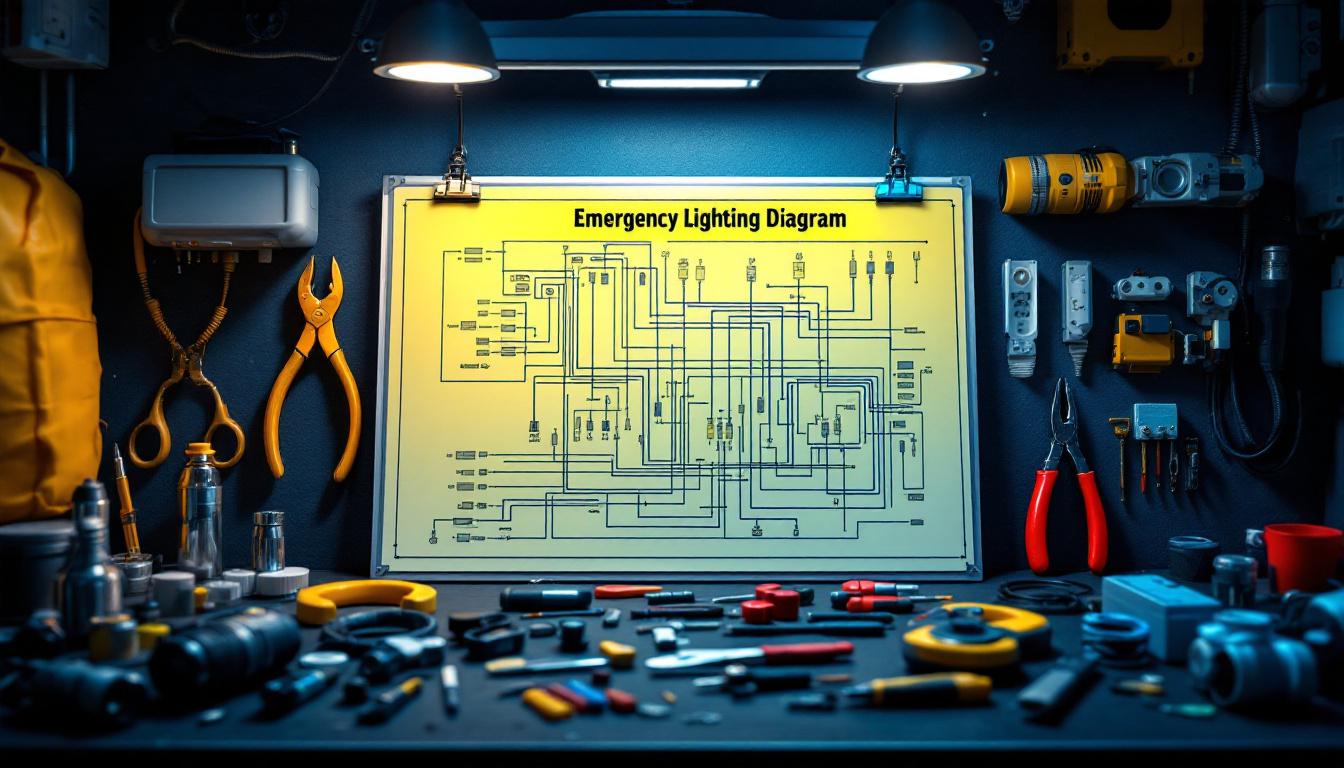
An emergency lighting wiring diagram is a detailed schematic that illustrates the electrical connections and components involved in an emergency lighting system. It serves as a blueprint for contractors, electricians, and engineers, guiding the installation and troubleshooting processes.
Unlike standard lighting circuits, emergency lighting systems often integrate backup power sources such as batteries or generators, automatic switching mechanisms, and control units. The wiring diagram clarifies how these components interconnect, ensuring the system functions seamlessly when the main power supply fails.
For lighting contractors, having access to accurate and clear wiring diagrams is indispensable. It minimizes installation errors, reduces project delays, and ensures compliance with electrical codes and safety standards.
Moreover, emergency lighting systems are crucial in various settings, including commercial buildings, hospitals, schools, and public venues. These systems not only provide illumination during power outages but also enhance safety by guiding occupants to exits in emergencies. The wiring diagram typically includes symbols and notations that represent different components such as exit signs, emergency lights, and circuit breakers, making it easier for technicians to understand the layout and functionality of the system.
In addition to aiding installation, a well-structured wiring diagram can also facilitate maintenance and upgrades. Technicians can quickly identify the location of circuits and components, allowing for efficient troubleshooting and repairs. Furthermore, as technology evolves, these diagrams can be updated to reflect new components or configurations, ensuring that the emergency lighting system remains effective and compliant with the latest safety regulations. This adaptability is essential in a world where building codes and safety standards are continually being refined to enhance public safety.
Key Components Illustrated in Emergency Lighting Wiring Diagrams
Power Supply and Backup Sources
The wiring diagram typically shows the primary power source, usually the building’s main electrical panel, alongside backup power options. These backup sources can include sealed lead-acid batteries, nickel-cadmium batteries, or even emergency generators. The diagram details how the system switches between these power sources automatically, maintaining uninterrupted illumination.
Emergency Lighting Fixtures
Emergency lighting fixtures are specially designed lamps that activate during power failures. The wiring diagram specifies their location, type (such as exit signs or corridor lights), and electrical connections. This ensures that contractors install fixtures in compliance with safety codes and illumination requirements.
Control and Monitoring Units
Modern emergency lighting systems often feature control panels that monitor battery status, test operation, and system faults. The wiring diagram includes these units, showing their connection to both power sources and lighting fixtures. This integration allows for easy maintenance and ensures the system’s reliability.
Switching Mechanisms and Sensors
Automatic switching devices, such as relays or transfer switches, are critical for switching power sources seamlessly. Additionally, some systems incorporate sensors that detect power loss and trigger the emergency lighting. The wiring diagram clarifies these components’ placement and wiring, enabling precise installation.
How to Read and Interpret Emergency Lighting Wiring Diagrams
For lighting contractors, proficiency in reading wiring diagrams is crucial. These diagrams use standardized symbols and notations to represent electrical components and connections. Familiarity with these conventions accelerates the installation process and helps identify potential issues early.
Begin by identifying the main power source and follow the flow of electricity through the backup systems, control units, and lighting fixtures. Pay close attention to the wiring paths, noting where switches, fuses, or circuit breakers are located. Understanding the sequence of connections ensures that the emergency lighting system will activate correctly during power loss.
Additionally, contractors should cross-reference the wiring diagram with project specifications, local electrical codes, and manufacturer instructions. This comprehensive approach guarantees that the installation meets all safety and performance standards.
Common Emergency Lighting Wiring Configurations
Central Battery Systems
In central battery systems, a single large battery bank powers multiple emergency lighting fixtures throughout the building. The wiring diagram for this configuration highlights the centralized control panel, battery connections, and distribution wiring to each fixture. This setup simplifies maintenance but requires precise wiring to ensure balanced power delivery.
Self-Contained Emergency Lighting
Self-contained fixtures have built-in batteries and charging circuits. The wiring diagram for these systems is less complex, showing the main power supply connection and individual fixture wiring. This configuration is popular for smaller projects or where retrofitting is necessary.
Hybrid Systems
Hybrid systems combine central battery and self-contained fixtures. The wiring diagram reflects this complexity, detailing both centralized and localized power sources. Contractors need to be meticulous in following these diagrams to avoid wiring conflicts and ensure seamless operation.
Best Practices for Installing Emergency Lighting Based on Wiring Diagrams
Successful emergency lighting installation hinges on adherence to best practices informed by the wiring diagram. First, verify that all components match the specifications outlined in the diagram and project plans. Double-check wiring colors, connection points, and polarity to prevent faults.
Next, ensure that all wiring complies with local electrical codes, including proper conduit use, grounding, and circuit protection. Proper labeling of circuits and components simplifies future maintenance and inspections.
Testing is another critical step. After installation, simulate power outages to confirm that emergency lighting activates as intended. Use the control panel’s diagnostic features, if available, to check battery health and system status. Document all tests and inspections to provide a record of compliance.
Common Challenges and Troubleshooting Tips
Despite careful planning, contractors may encounter challenges such as wiring errors, battery failures, or control unit malfunctions. Misinterpretation of wiring diagrams can lead to incorrect connections, causing emergency lights to fail during critical moments.
To mitigate these issues, contractors should:
- Conduct thorough pre-installation reviews of wiring diagrams with the project team.
- Use continuity testers and multimeters to verify wiring integrity before powering up the system.
- Keep manufacturer manuals on hand for reference during installation and troubleshooting.
- Schedule regular maintenance checks post-installation to detect and resolve issues early.
Regulatory Compliance and Industry Standards
Emergency lighting systems must comply with national and local electrical codes, as well as fire safety regulations. Standards such as the National Electrical Code (NEC) and guidelines from the National Fire Protection Association (NFPA) provide detailed requirements for emergency lighting installation and performance.
Wiring diagrams should reflect these standards, ensuring that circuits have appropriate ratings, backup power is sufficient for mandated durations, and fixtures are positioned correctly. Contractors must stay updated on evolving regulations to maintain compliance and avoid costly rework or penalties.
The Future of Emergency Lighting Wiring: Innovations and Trends
Technological advancements are transforming emergency lighting systems. Smart emergency lighting integrates with building management systems, allowing remote monitoring and automated testing. Wiring diagrams are evolving to incorporate these digital components, requiring contractors to expand their technical expertise.
Energy-efficient LED emergency fixtures and improved battery technologies are also becoming standard, reducing maintenance requirements and operational costs. Contractors who understand these innovations and how to interpret updated wiring diagrams will be better positioned to deliver cutting-edge solutions.
Conclusion: Why Every Lighting Contractor Needs a Reliable Emergency Lighting Wiring Diagram
For lighting contractors, a detailed and accurate emergency lighting wiring diagram is more than a technical document—it is a foundational tool that ensures safety, compliance, and project success. Mastery of these diagrams enables contractors to design, install, and maintain emergency lighting systems that protect building occupants and meet stringent regulatory demands.
By investing time in understanding wiring diagrams, adhering to best practices, and staying informed about industry standards and innovations, contractors can enhance their reputation, reduce liability, and contribute to safer built environments. Emergency lighting wiring diagrams are indeed a must-have for any successful lighting project.
Get Your Emergency Lighting Supplies at LumenWholesale
Ready to elevate your emergency lighting projects with the highest quality products at the best value? Look no further than LumenWholesale. Our extensive selection of spec-grade lighting products meets rigorous industry standards, ensuring you deliver reliable and high-performance emergency lighting solutions. With unbeatable wholesale prices and the convenience of free shipping on bulk orders, LumenWholesale is your go-to source for all your lighting needs. Don’t compromise on quality or price. Discover wholesale lighting at the best value today and make your lighting projects shine with excellence.