Understanding Foot Candles: The Essential Lighting Measurement
For lighting contractors, mastering the terminology and measurements used in the industry is crucial. Among these, the foot candle stands out as a fundamental unit of illuminance. But what exactly is a foot candle, and why should lighting professionals pay close attention to it?
A foot candle (fc) measures the amount of light that falls on a surface one foot away from a uniform point source of light. In more technical terms, it quantifies luminous flux per unit area, specifically one lumen per square foot. This unit helps contractors assess how much light is actually reaching a surface, which directly influences the effectiveness and quality of lighting installations.
Understanding foot candles is not just about numbers; it’s about ensuring spaces are lit appropriately for their intended use. Whether it’s a retail environment, office space, or industrial facility, knowing the recommended foot candle levels can make the difference between a successful lighting project and one that falls short of client expectations.
Moreover, different environments have varying foot candle requirements that reflect their unique functions. For instance, a typical office space may require around 30 to 50 foot candles to promote productivity and reduce eye strain, while a retail store might aim for 100 to 200 foot candles to enhance product visibility and create an inviting atmosphere. In contrast, spaces like warehouses or manufacturing facilities may need only 10 to 30 foot candles, where safety and visibility are paramount but not as critical as in customer-facing areas. Understanding these distinctions allows contractors to tailor their lighting designs to meet specific needs effectively.
Additionally, the measurement of foot candles can be influenced by several factors, including the color temperature of the light source, the reflectivity of surfaces, and the layout of the space. For example, a room with dark walls may require more foot candles to achieve the same level of brightness as a room with light-colored walls. This interplay of variables underscores the importance of conducting thorough lighting assessments and calculations before finalizing any installation. By leveraging tools such as light meters, contractors can ensure that their designs not only meet but exceed the necessary illuminance standards, ultimately leading to enhanced user experience and satisfaction.
Why Foot Candles Matter in Lighting Design and Installation
Ensuring Compliance with Industry Standards
Lighting contractors must often adhere to standards set by organizations such as the Illuminating Engineering Society (IES) and local building codes. These standards specify recommended foot candle levels for various environments to optimize visibility, safety, and energy efficiency.
For example, typical office spaces require between 30 to 50 foot candles on work surfaces, while warehouses might need around 10 to 30 foot candles depending on the tasks performed. Retail stores often aim for higher levels, sometimes exceeding 50 foot candles, to highlight merchandise effectively.
Failure to meet these standards can result in non-compliance issues, dissatisfied clients, or even costly rework. Therefore, measuring and adjusting lighting to achieve the correct foot candle levels is a critical step in any lighting project. Furthermore, understanding these standards helps lighting designers make informed decisions about fixture placement and selection, ensuring that every corner of a space is adequately illuminated without unnecessary energy expenditure.
Improving Visual Comfort and Productivity
Proper lighting directly impacts occupant comfort and productivity. Insufficient lighting can cause eye strain and fatigue, while excessive lighting can lead to glare and discomfort. By targeting the right foot candle levels, lighting contractors help create environments where people can work, shop, or relax comfortably.
Studies have shown that adequate lighting improves concentration and reduces errors in workplaces. In educational settings, appropriate foot candle levels enhance learning by ensuring students can see materials clearly. These factors underscore the importance of precise lighting measurements in every installation. Moreover, the psychological effects of lighting cannot be overlooked; well-lit spaces can elevate mood and foster creativity, making it essential for designers to consider not just the quantity of light, but also its quality and distribution across different areas.
Optimizing Energy Efficiency and Cost Savings
With growing emphasis on sustainability, energy-efficient lighting design is more important than ever. Foot candles provide a practical way to balance lighting performance with energy consumption. By measuring the actual illuminance on surfaces, contractors can avoid over-lighting spaces, which wastes energy and increases operational costs.
Modern lighting solutions, such as LED fixtures combined with dimming controls and daylight sensors, allow for fine-tuning light levels to meet recommended foot candle values without excess. This approach not only saves money but also supports green building certifications like LEED. Additionally, the integration of smart lighting systems can further enhance energy efficiency by adjusting light levels based on occupancy and natural light availability, ensuring that spaces are only illuminated when necessary. This not only contributes to lower energy bills but also promotes a more sustainable approach to building management, aligning with global efforts to reduce carbon footprints.
How to Measure Foot Candles Accurately on Site
Using a Light Meter
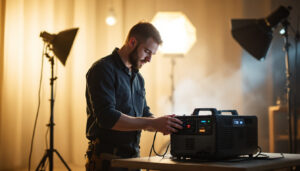
The most straightforward method for measuring foot candles is with a handheld light meter. These devices are designed to measure the illuminance on a surface and display the result in foot candles or lux (1 foot candle ≈ 10.764 lux).
When using a light meter, it’s important to place the sensor at the exact location and height where the light level needs to be assessed. For example, if measuring desk lighting, position the meter at the desktop surface. Take multiple readings across the area to account for variations and calculate an average.
Regular calibration of the light meter ensures accuracy over time. Investing in a high-quality meter with data logging capabilities can streamline the measurement process, especially for larger projects.
Interpreting Measurements in Different Environments
Lighting conditions can vary widely depending on the environment and time of day. Natural daylight, reflective surfaces, and fixture placement all influence foot candle readings. Contractors should consider these factors when conducting measurements.
For instance, in spaces with significant daylight, measurements taken at different times may vary considerably. Using daylight sensors or scheduling measurements during typical operating hours helps provide realistic data for design decisions.
Additionally, understanding the uniformity ratio—the ratio of minimum to average foot candle levels—can help contractors ensure consistent lighting without dark spots or overly bright areas.
Quick Tips for Lighting Contractors Working with Foot Candles
1. Know Your Target Foot Candle Levels
Before starting any project, familiarize yourself with the recommended foot candle levels for the specific application. The Illuminating Engineering Society’s Lighting Handbook is an excellent resource for this information. Tailoring your lighting design to these standards ensures client satisfaction and regulatory compliance.
2. Use Quality Measurement Tools
Invest in reliable light meters and keep them calibrated. Accurate measurements are the foundation of effective lighting design and troubleshooting. Avoid relying solely on manufacturer specifications or guesswork.
3. Account for Fixture Aging and Maintenance
Light output decreases over time due to fixture aging, dust accumulation, and lamp degradation. When measuring foot candles, consider these factors and plan for maintenance or over-designing slightly to maintain proper illuminance levels throughout the fixture’s lifespan.
4. Communicate Clearly with Clients
Explain the significance of foot candles and lighting levels in terms your clients can understand. Visual aids, such as comparison photos or mock-ups, can help demonstrate how different foot candle levels affect a space’s ambiance and functionality.
5. Leverage Technology for Design and Verification
Modern lighting design software often includes foot candle simulations, allowing contractors to predict lighting levels before installation. Combining these tools with on-site measurements ensures that the final outcome matches the design intent.
Common Challenges and Solutions When Working with Foot Candles
Dealing with Inconsistent Lighting Levels
One of the frequent challenges contractors face is achieving uniform lighting across a space. Variations in fixture placement, ceiling height, and surface reflectance can cause uneven foot candle distribution.
To address this, conduct a thorough lighting layout analysis during the design phase. Use reflectance values of walls, floors, and ceilings to inform fixture selection and positioning. Post-installation, adjust fixture aiming or add supplemental lighting where necessary.
Balancing Natural and Artificial Light
Integrating daylight with electric lighting can be complex. While natural light enhances energy efficiency and occupant well-being, it fluctuates throughout the day and seasons, affecting foot candle levels.
Implementing daylight harvesting systems that adjust artificial lighting based on available daylight helps maintain consistent illuminance. Additionally, using window treatments and light shelves can control glare and optimize daylight distribution.
Meeting Specialized Lighting Requirements
Certain environments, such as healthcare facilities, museums, or manufacturing plants, have unique lighting needs. For example, surgical areas require very high foot candle levels with minimal shadows, while art galleries need controlled lighting to prevent damage to exhibits.
In these cases, collaborate closely with clients and relevant experts to understand specific requirements. Customized lighting solutions, including specialized fixtures and controls, may be necessary to meet these standards effectively.
Conclusion: Mastering Foot Candles for Superior Lighting Projects
Foot candles are more than just a technical measurement; they are a vital tool that lighting contractors use to deliver safe, comfortable, and efficient lighting solutions. By understanding what foot candles represent, how to measure them accurately, and how to apply this knowledge in real-world scenarios, contractors can elevate the quality of their work and exceed client expectations.
Incorporating foot candle considerations into every stage of a lighting project—from design and installation to maintenance and verification—ensures lighting systems perform optimally throughout their lifecycle. Staying informed about industry standards and leveraging modern tools will empower contractors to tackle challenges confidently and innovate in their craft.
Ultimately, mastering foot candles is a key step toward lighting spaces that not only meet technical requirements but also enhance the experiences of those who use them.
Illuminate Your Projects with LumenWholesale
Ready to take your lighting projects to the next level? At LumenWholesale, we provide lighting contractors with the highest quality, spec-grade lighting products at prices that can’t be beaten. Say goodbye to local distributor markups and hello to a vast selection of reliable lighting solutions that meet rigorous industry standards. Plus, with free shipping on bulk orders, you can stock up on premium lighting without worrying about hidden fees. Elevate your lighting designs with the perfect combination of quality, affordability, and convenience. Discover the best value in wholesale lighting by visiting LumenWholesale today.