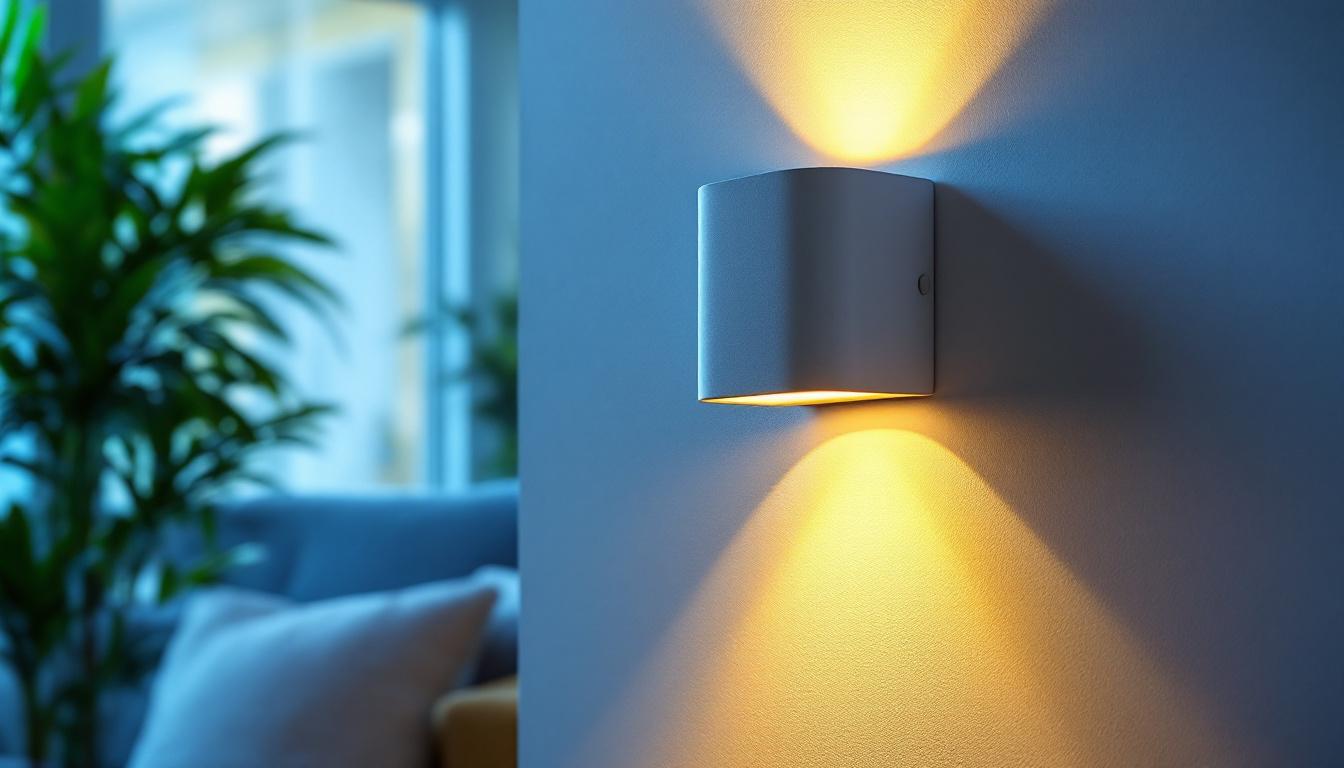
In the ever-evolving world of lighting design, LED tape track systems have emerged as a versatile solution that lighting contractors can leverage to enhance their projects. These systems not only offer aesthetic appeal but also provide functional benefits that can meet a wide range of client needs. This article explores proven methods for effectively utilizing LED tape track systems, ensuring that lighting contractors can deliver exceptional results.
Understanding LED Tape Track Systems
LED tape track systems consist of flexible strips embedded with light-emitting diodes (LEDs) that can be mounted on various surfaces. These systems are designed to provide ambient, task, or accent lighting, making them suitable for a variety of applications, from residential to commercial spaces.
One of the standout features of LED tape tracks is their adaptability. They can be cut to length, bent around corners, and installed in a multitude of configurations, allowing contractors to create custom lighting solutions tailored to specific environments. Understanding the technical specifications and installation methods is crucial for contractors aiming to maximize the potential of these systems.
Key Components of LED Tape Track Systems
To effectively utilize LED tape track systems, it is important to familiarize oneself with their key components. This includes the LED strips themselves, power supplies, connectors, and mounting hardware. Each component plays a vital role in the overall performance and installation of the lighting system.
LED strips come in various brightness levels and color temperatures, allowing contractors to select the right product for the desired ambiance. Power supplies must be chosen based on the total wattage of the LED strips to ensure optimal performance without overloading the system. Additionally, connectors and mounting hardware should be compatible with the chosen LED strips for a seamless installation process.
Another important aspect to consider is the type of adhesive backing on the LED strips, which can vary in strength and durability. High-quality adhesive is essential for ensuring that the strips remain securely in place over time, especially in areas with high humidity or temperature fluctuations. Furthermore, some LED tape systems offer options for waterproof or weather-resistant strips, making them suitable for outdoor applications or in environments where moisture is a concern.
Applications of LED Tape Track Systems
LED tape track systems can be employed in numerous applications, ranging from residential to commercial environments. In homes, they are often used for under-cabinet lighting in kitchens, highlighting architectural features, or creating mood lighting in living areas. In commercial settings, these systems can illuminate retail displays, enhance office environments, or provide ambient lighting in restaurants.
Moreover, the flexibility of LED tape tracks allows for creative installations. They can be integrated into furniture, used in coves, or even installed in ceilings to create stunning visual effects. This versatility makes them an invaluable tool for lighting contractors looking to push the boundaries of traditional lighting design.
In addition to their aesthetic benefits, LED tape track systems are also energy-efficient, consuming significantly less power than traditional lighting solutions. This efficiency not only reduces electricity costs but also contributes to a lower carbon footprint, making them an appealing choice for environmentally conscious consumers and businesses. Furthermore, the long lifespan of LED technology means that replacements are infrequent, resulting in less waste and lower maintenance costs over time.
Installation Techniques for Lighting Contractors
Proper installation is crucial for the success of any lighting project. When it comes to LED tape track systems, there are several techniques that contractors should consider to ensure a flawless installation.
Preparation and Planning
Before beginning the installation process, thorough planning is essential. This includes measuring the installation area, determining the required length of LED strips, and deciding on the placement of power supplies and connectors. Contractors should also take into account the type of surface where the LED tape will be mounted, as this can affect adhesion and overall performance.
Additionally, creating a layout plan can help visualize the final result and identify any potential obstacles. This proactive approach minimizes errors and ensures that the installation proceeds smoothly. It is also beneficial to consult with clients during this phase to understand their vision and preferences, which can lead to a more satisfying end product. Utilizing design software can further assist in creating a detailed plan that showcases lighting effects and placement, allowing for adjustments before any physical work begins.
Surface Preparation
The surface where the LED tape will be installed must be clean, dry, and free of any debris. This is critical for ensuring that the adhesive backing of the tape adheres properly. For surfaces that may not provide adequate adhesion, such as textured or porous materials, additional mounting methods, such as clips or channels, may be necessary.
Contractors should also consider the thermal management of the installation area. LED strips generate heat, and proper airflow is essential to prevent overheating. Ensuring that the strips are mounted on heat-dissipating surfaces can prolong their lifespan and maintain performance. Furthermore, using heat sinks or aluminum channels can enhance thermal regulation, allowing the LEDs to operate efficiently while reducing the risk of damage due to excessive heat. This attention to detail not only improves the functionality of the lighting system but also enhances the overall aesthetic appeal of the installation.
Wiring and Power Supply Installation
Connecting the LED tape to a power supply requires careful attention to detail. Contractors must ensure that the voltage of the LED strips matches the output of the power supply. This prevents damage to the LEDs and ensures optimal performance.
When wiring the system, it is advisable to use connectors that provide a secure and reliable connection. Soldering may also be an option for contractors looking for a more permanent solution. Properly securing the wiring and ensuring that it is not exposed to potential damage is crucial for the longevity of the installation. Additionally, contractors should consider implementing a systematic labeling method for wires and connections. This practice not only simplifies troubleshooting in the future but also aids in maintenance, making it easier to identify and replace components if necessary. Furthermore, ensuring that all electrical connections are compliant with local codes and regulations is vital for safety and reliability, reinforcing the professionalism of the installation process.
Design Considerations for LED Tape Track Systems
Designing a lighting scheme using LED tape track systems involves more than just choosing the right products. Several factors must be considered to create an effective and visually appealing lighting solution.
Color Temperature and Brightness
The choice of color temperature and brightness plays a significant role in the overall ambiance of a space. Warmer color temperatures (2700K to 3000K) are often preferred for residential applications, creating a cozy and inviting atmosphere. In contrast, cooler temperatures (4000K to 5000K) are typically used in commercial settings, promoting alertness and productivity.
Brightness levels should also be tailored to the specific application. For example, under-cabinet lighting in kitchens may require higher brightness to ensure adequate task lighting, while accent lighting may benefit from lower brightness levels to create a subtle effect.
Layering Light
Effective lighting design often involves layering different types of light to achieve a balanced and dynamic environment. LED tape track systems can be integrated with other lighting sources, such as recessed lights and pendant fixtures, to create a multi-dimensional lighting scheme.
By combining ambient, task, and accent lighting, contractors can enhance the functionality and aesthetic appeal of a space. For instance, using LED tape to highlight architectural features while providing general illumination from overhead fixtures creates a well-rounded lighting solution.
Control Options
Incorporating control options into LED tape track systems can significantly enhance their functionality. Dimming capabilities, color-changing options, and smart home integration allow for greater flexibility in adjusting the lighting to suit different moods and occasions.
Contractors should consider recommending compatible control systems to clients, empowering them to customize their lighting experience. This not only adds value to the installation but also positions the contractor as a knowledgeable professional in the field.
Maintenance and Troubleshooting
Once an LED tape track system is installed, ongoing maintenance and troubleshooting may be necessary to ensure optimal performance. Understanding common issues and their solutions can help contractors provide better service to their clients.
Regular Inspections
Regular inspections of the LED tape track system can help identify potential issues before they become significant problems. Contractors should advise clients to check for any flickering lights, discoloration, or uneven brightness, which may indicate underlying issues with the installation.
Additionally, ensuring that the power supply is functioning correctly and that all connections are secure can prevent many common problems. Educating clients on the importance of these inspections can foster a sense of responsibility for their lighting systems.
Addressing Common Issues
When issues arise, contractors should be prepared to troubleshoot effectively. Flickering lights may be caused by loose connections or an inadequate power supply. In such cases, checking and securing all connections is the first step.
Discoloration or uneven brightness may indicate overheating or poor adhesion. If overheating is suspected, contractors should assess the thermal management of the installation and make necessary adjustments. For poor adhesion, re-evaluating the mounting method or surface preparation may be required.
Conclusion
LED tape track systems offer lighting contractors a powerful tool for creating innovative and dynamic lighting solutions. By understanding the components, installation techniques, design considerations, and maintenance practices associated with these systems, contractors can elevate their projects and exceed client expectations.
As the demand for versatile and customizable lighting solutions continues to grow, embracing LED tape track systems will position contractors at the forefront of the lighting industry. With the right knowledge and skills, lighting contractors can harness the full potential of these systems, transforming spaces and enhancing the overall experience for their clients.
Illuminate Your Projects with LumenWholesale
Ready to take your lighting projects to the next level? LumenWholesale is your go-to source for the highest quality LED tape track systems and more. Our spec-grade lighting products are designed to meet the needs of the most discerning contractors, all at unbeatable wholesale prices. Say goodbye to local distributor markups and hello to superior lighting solutions that fit your budget. With free shipping on bulk orders, you can stock up on premium lighting without any hidden fees. Elevate your lighting designs today and experience the best value in wholesale lighting with LumenWholesale.