Introduction to LED Movable Lights
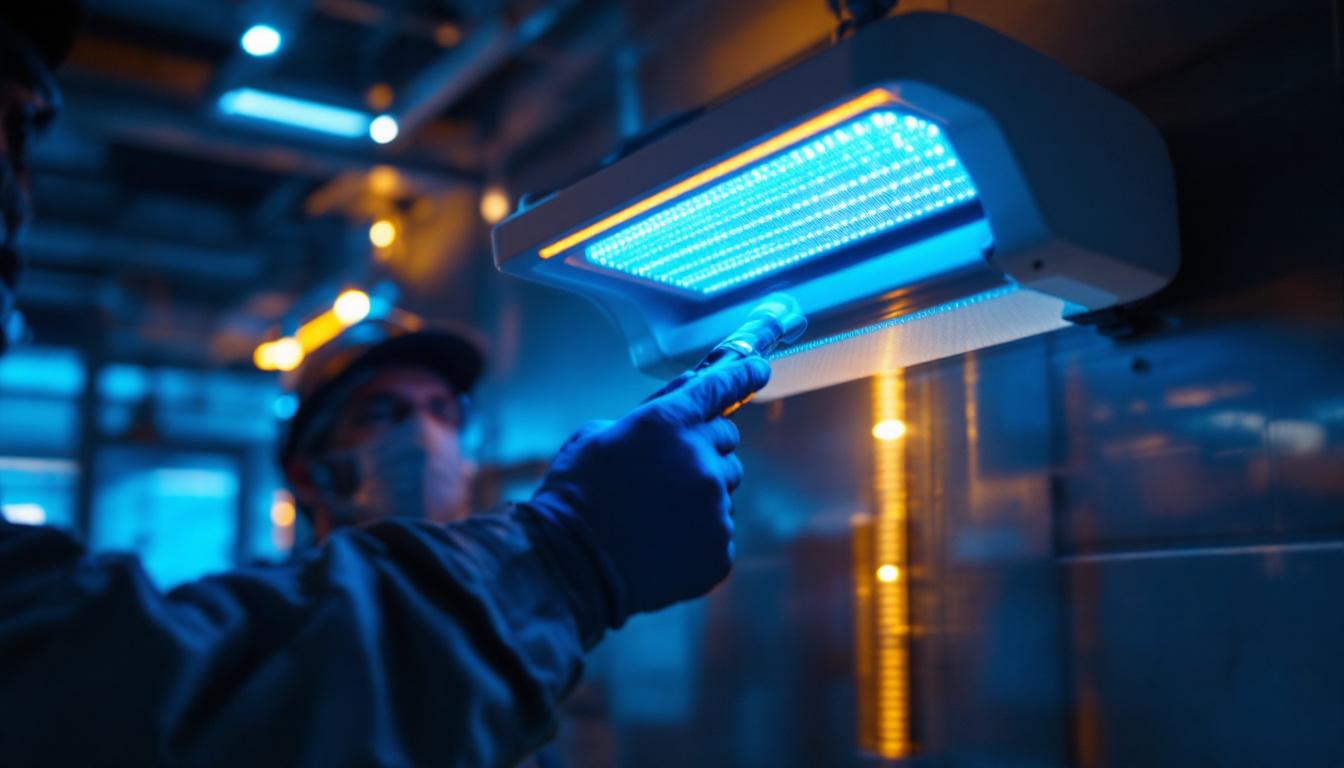
For lighting contractors, staying ahead in the industry means embracing innovations that enhance both efficiency and creative potential. LED movable lights represent a significant advancement in the world of professional lighting, offering flexibility, energy efficiency, and dynamic control that traditional fixtures simply cannot match. These lights are increasingly becoming an essential tool on job sites ranging from theatrical productions and concerts to architectural installations and event lighting.
Understanding the technology, applications, and benefits of LED movable lights equips contractors to deliver superior results to clients while optimizing installation and operational workflows. This guide delves into the core aspects of LED movable lighting, providing a comprehensive resource tailored specifically for lighting professionals.
One of the standout features of LED movable lights is their ability to produce a wide spectrum of colors and effects, allowing for unprecedented creativity in design. With the integration of advanced control systems, lighting designers can manipulate these fixtures to create dynamic scenes that evolve throughout an event. This capability is particularly valuable in theatrical settings, where mood and atmosphere are crucial to storytelling. By utilizing programmable settings, designers can seamlessly transition between different lighting states, enhancing the overall experience for the audience.
Moreover, the energy efficiency of LED technology cannot be overstated. Unlike traditional incandescent or halogen lights, LED fixtures consume significantly less power, which not only reduces operational costs but also minimizes the environmental impact of lighting installations. This is especially relevant in large-scale events or installations where multiple fixtures are used simultaneously. The longevity of LED lights further contributes to cost savings, as they require less frequent replacement and maintenance. As sustainability becomes a priority in the industry, adopting LED movable lights positions contractors as forward-thinking professionals committed to eco-friendly practices.
What Are LED Movable Lights?
Defining the Technology
LED movable lights, often referred to as moving head lights or intelligent lights, combine LED light sources with motorized mechanisms that allow the fixture to pan, tilt, and sometimes zoom or change color and pattern dynamically. Unlike fixed lighting fixtures, these devices can be remotely controlled to adjust their position and output in real time, creating complex lighting effects that adapt to the environment or performance. This flexibility makes them a favorite in various settings, from concert stages and theatrical productions to architectural lighting and corporate events.
The integration of LEDs as the light source offers several advantages over traditional incandescent or discharge lamps, including longer lifespan, reduced heat output, and lower power consumption. This shift has transformed the capabilities and practicality of movable lighting in professional settings. Moreover, the ability to produce vibrant colors and sharp beams without the need for extensive cooling systems allows for more compact designs, making LED movable lights ideal for venues with limited space.
Key Components and Features
Typical LED movable lights include:
- LED Light Source: High-efficiency LEDs capable of producing a broad color spectrum through RGB or RGBW configurations.
- Motorized Yoke: Enables precise pan and tilt movements, often with high-speed and smooth operation.
- Optical System: Lenses and prisms that control beam shape, focus, and effects such as gobos or frost filters.
- Control Interface: DMX512 or Art-Net protocols allow integration into lighting control consoles for programming complex sequences.
Advanced models may also include features like zoom lenses, iris diaphragms, and multiple color wheels, expanding creative possibilities. These enhancements enable lighting designers to craft intricate scenes that can change dramatically throughout a performance, keeping the audience engaged and enhancing the overall experience. Furthermore, some fixtures now incorporate wireless DMX capabilities, allowing for greater flexibility in setup and reducing the clutter of cables on stage, which can be particularly beneficial in dynamic environments where quick changes are necessary.
In addition to their technical components, LED movable lights are often designed with user-friendliness in mind. Many models come equipped with intuitive onboard controls and displays, making it easier for operators to make adjustments on the fly without needing extensive technical knowledge. This accessibility is crucial in fast-paced environments like live events, where every moment counts, and the ability to adapt quickly can make a significant difference in the final presentation. As technology continues to evolve, we can expect even more innovative features and capabilities to emerge, further enhancing the role of LED movable lights in the world of entertainment and beyond.
Advantages of LED Movable Lights for Contractors
Energy Efficiency and Cost Savings
One of the most compelling reasons to adopt LED movable lights is their energy efficiency. LEDs consume significantly less power than traditional discharge lamps, often reducing energy use by 50% or more. For large-scale installations or touring productions, this translates into substantial operational cost savings over time.
Moreover, LED fixtures generate less heat, which reduces cooling requirements and enhances safety on set or in enclosed spaces. Lighting contractors can leverage these efficiencies to meet client demands for sustainable and cost-effective solutions.
Durability and Maintenance Benefits
LED movable lights boast longer lifespans, typically exceeding 20,000 hours of operation, compared to the shorter life of conventional lamps. This longevity reduces the frequency of lamp replacements and associated maintenance downtime.
Additionally, the solid-state nature of LEDs makes these fixtures more resistant to shock and vibration—critical factors for touring productions or outdoor events. Contractors benefit from fewer service calls and increased reliability, improving client satisfaction and project timelines.
Enhanced Creative Control
The dynamic capabilities of LED movable lights empower lighting designers and contractors to create intricate lighting scenes with precision and flexibility. Remote control over positioning, color mixing, beam shaping, and effects enables rapid adjustments during rehearsals or live events.
This versatility supports a wide range of applications, from subtle architectural washes to dramatic concert lighting, allowing contractors to offer more innovative solutions tailored to client needs.
Applications of LED Movable Lights in Various Sectors
Entertainment and Live Events
In concerts, theater productions, and festivals, LED movable lights are indispensable for creating immersive visual experiences. Their ability to track performers, change colors instantly, and produce sharp beams or soft washes makes them ideal for dynamic stage environments.
Lighting contractors working in entertainment often rely on these fixtures for their versatility and quick setup, enabling rapid scene changes and complex cueing sequences managed through advanced lighting consoles.
Architectural and Commercial Lighting
LED movable lights are increasingly used in architectural lighting to highlight building facades, monuments, and public spaces. Their precise movement and color control allow for creative illumination that can adapt to different events or moods without the need for multiple fixed fixtures.
For commercial installations, such as retail environments or corporate events, these lights offer flexible solutions that can be reprogrammed or repositioned to suit changing branding or promotional needs.
Broadcast and Film Production
In broadcast studios and film sets, consistent and controllable lighting is critical. LED movable lights provide adjustable beam angles and color temperatures, enabling lighting technicians to shape scenes with accuracy and minimal heat generation, which is beneficial for talent comfort and equipment safety.
The ability to program lighting cues and adjust remotely also streamlines production workflows, reducing the need for physical repositioning during shoots.
Choosing the Right LED Movable Lights
Assessing Technical Specifications
Lighting contractors should evaluate several key specifications when selecting LED movable lights:
- Lumen Output: Determines brightness; essential to match the fixture to the venue size and application.
- Beam Angle and Zoom Range: Affects the spread and focus of light, influencing the fixture’s versatility.
- Color Capabilities: RGBW or full-spectrum LEDs provide richer color options and better white light quality.
- Movement Range and Speed: Pan and tilt degrees and responsiveness impact the fixture’s ability to create dynamic effects.
- Control Compatibility: Ensure the fixture supports common protocols like DMX512 or Art-Net for seamless integration.
Considering Build Quality and Support
Durability is paramount, especially for fixtures used in touring or outdoor environments. Contractors should look for robust housings, weather resistance ratings where applicable, and reliable cooling systems to prevent overheating.
Additionally, choosing products from manufacturers with strong technical support and readily available replacement parts can minimize downtime and service challenges.
Budget and Total Cost of Ownership
While LED movable lights may have a higher upfront cost compared to traditional fixtures, the long-term savings in energy, maintenance, and labor often justify the investment. Contractors should perform a total cost of ownership analysis considering purchase price, operational costs, and expected lifespan to make informed decisions.
Installation and Maintenance Best Practices
Safe and Efficient Installation
Proper installation ensures optimal performance and longevity of LED movable lights. Contractors should follow manufacturer guidelines closely, including secure mounting, adequate ventilation, and correct electrical connections.
Using professional rigging equipment and verifying load capacities is critical to safety, especially in overhead or temporary installations. Additionally, planning cable management and control signal routing helps prevent interference and simplifies troubleshooting.
Routine Maintenance and Troubleshooting
Although LED fixtures require less maintenance, regular cleaning of lenses and cooling vents is essential to maintain light quality and prevent overheating. Inspecting moving parts for wear and lubricating mechanical components can extend fixture life.
Contractors should also establish protocols for firmware updates and calibration checks to ensure consistent operation. Familiarity with common troubleshooting steps, such as verifying DMX signal integrity and power supply stability, reduces downtime during events.
Future Trends in LED Movable Lighting
Integration with Smart Technologies
The lighting industry is rapidly embracing smart technologies, and LED movable lights are no exception. Integration with wireless control systems, IoT platforms, and AI-driven automation is becoming more prevalent, enabling even greater precision and adaptability.
Lighting contractors who stay informed about these developments can offer cutting-edge solutions that enhance user experience and operational efficiency.
Advancements in LED and Optical Technology
Ongoing improvements in LED efficiency, color rendering, and miniaturization continue to expand the capabilities of movable lights. Innovations in optics, such as enhanced zoom mechanisms and advanced beam shaping, allow for more creative lighting designs.
Contractors should monitor product releases and industry trends to leverage these advancements in their projects.
Conclusion
LED movable lights have revolutionized the lighting industry by combining energy efficiency, durability, and unparalleled creative control. For lighting contractors, mastering this technology is essential to meeting the evolving demands of clients across entertainment, architectural, broadcast, and commercial sectors.
By understanding the technical features, applications, and best practices outlined in this guide, contractors can confidently select, install, and maintain LED movable lighting systems that deliver outstanding performance and value. Embracing these innovations not only enhances project outcomes but also positions contractors as leaders in a competitive and dynamic market.
Illuminate Your Projects with LumenWholesale
Ready to elevate your lighting game with the most innovative LED movable lights on the market? Look no further than LumenWholesale, where we provide contractors with high-quality, spec-grade lighting solutions at unbeatable wholesale prices. Say goodbye to local distributor markups and hello to a vast selection of industry-standard lighting that ensures your projects shine. With free shipping on bulk orders, you get the premium lighting you need at the best value — all without hidden fees or compromises. Don’t miss out on the perfect combination of quality, affordability, and convenience. Wholesale Lighting at the Best Value is just a click away. Transform your lighting capabilities with LumenWholesale today.