Understanding the Advantages of 48 LED Strip Lights in Professional Lighting Projects
LED strip lights have become an indispensable tool for lighting contractors, offering versatility, energy efficiency, and aesthetic appeal. Among the various configurations available, 48 LED strip lights stand out due to their balanced density of LEDs per meter, providing optimal brightness without excessive power consumption or heat generation.
For lighting contractors, choosing the right LED strip light density is crucial. A 48 LED per meter strip typically delivers a luminous intensity that suits both accent lighting and functional illumination. This density ensures smooth light distribution, reducing the appearance of hotspots or shadows, which is essential in professional installations where uniformity is key.
Moreover, 48 LED strips often come with advanced features such as dimmability, color temperature options, and compatibility with smart control systems. These attributes allow contractors to tailor lighting solutions to client specifications, enhancing both the visual impact and energy efficiency of the project.
In addition to their functional benefits, 48 LED strip lights also offer a wide range of color options, from warm whites that create a cozy atmosphere to cool whites that enhance productivity in workspaces. This versatility makes them suitable for various applications, including residential, commercial, and even artistic installations. For instance, in a retail environment, the ability to switch between different color temperatures can help highlight products effectively, drawing customers’ attention and enhancing their shopping experience.
Furthermore, the installation process for 48 LED strip lights is often straightforward, thanks to their flexible design and adhesive backing. This ease of installation not only saves time but also reduces labor costs, making them an attractive option for contractors working on tight schedules. Additionally, many of these strips can be cut to length, allowing for customized solutions that fit unique spaces perfectly. As a result, lighting contractors can achieve a professional finish while maintaining the flexibility to adapt to any design changes that may arise during a project.
Key Technical Considerations When Installing 48 LED Strip Lights
Power Supply and Voltage Requirements
One of the primary technical factors lighting contractors must consider is the power supply. Most 48 LED strip lights operate on 12V or 24V DC, with 24V strips offering the advantage of longer runs without significant voltage drop. Voltage drop can cause uneven brightness along the strip, which compromises the quality of the installation.
To mitigate this, contractors should calculate the total wattage of the strip run and select a power supply with at least 20% more capacity to accommodate any additional load or future expansions. Using high-quality, certified power supplies also ensures safety, reliability, and compliance with electrical codes. Furthermore, it is essential to consider the type of connectors and wiring used in the installation. Using appropriate gauge wire can help minimize voltage drop and ensure that the power supply delivers consistent energy to the LED strips. Contractors should also be aware of the potential need for multiple power supplies in larger installations, which can help distribute the load more evenly across the lighting system.
Heat Management and Installation Environment
Although LED strips generate less heat than traditional lighting, 48 LED strips can still accumulate heat during extended use, especially in enclosed spaces. Proper heat dissipation extends the lifespan of the LEDs and maintains consistent performance.
Lighting contractors should consider mounting strips on aluminum profiles or heat sinks, which facilitate thermal management. Additionally, assessing the installation environment—whether it’s a humid bathroom, a commercial kitchen, or an outdoor facade—guides the choice of IP-rated strips to ensure durability and safety. In environments where moisture or dust is a concern, selecting LED strips with higher IP ratings can prevent damage and ensure longevity. Moreover, the orientation of the strips can also affect heat dissipation; horizontal installations may allow heat to escape more efficiently than vertical ones. Understanding these nuances can greatly enhance the performance and reliability of the lighting system, making it crucial for contractors to evaluate all aspects of the installation environment before proceeding.
Design Strategies for Maximizing the Impact of 48 LED Strip Lights
Layered Lighting Techniques
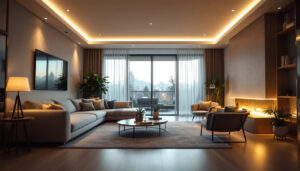
Effective lighting design often involves layering different types of light to create depth and ambiance. A 48 LED strip light is ideal for accent lighting, under-cabinet illumination, cove lighting, or highlighting architectural features. By integrating these strips with ambient and task lighting, contractors can achieve a balanced and dynamic lighting scheme.
For example, in a retail environment, installing 48 LED strips along shelving edges can draw attention to merchandise while maintaining overall store brightness. In residential settings, these strips can accentuate crown molding or provide subtle night lighting in hallways. Furthermore, layering can include the use of dimmers and smart controls, allowing users to adjust the intensity and color of the LED strips based on the time of day or specific activities. This flexibility not only enhances the aesthetic appeal but also contributes to energy savings and increased longevity of the lighting fixtures.
Moreover, combining LED strips with other light sources, such as pendant lights or floor lamps, can create a more inviting atmosphere. For instance, in a dining area, using LED strips to highlight a feature wall while pairing them with warm pendant lighting over the table can create a cozy yet functional space for gatherings. The interplay of different light sources can transform an ordinary room into an extraordinary one, showcasing the versatility of layered lighting techniques.
Color Temperature and Color Rendering Index (CRI)
Choosing the appropriate color temperature is vital for the intended atmosphere. 48 LED strip lights are available in a range of color temperatures, typically from warm white (2700K) to daylight (6500K). Warm whites create cozy, inviting spaces, while cooler temperatures are suitable for workspaces and commercial areas requiring high visibility.
Additionally, the CRI of the LEDs affects how accurately colors are rendered under the light. For projects where color fidelity is important—such as art galleries or retail—selecting strips with a CRI above 90 is recommended. This ensures that colors appear natural and vibrant, enhancing the overall quality of the lighting installation. Furthermore, understanding the psychological effects of color temperature can help designers create spaces that evoke specific emotions. For instance, warmer tones can promote relaxation and comfort, making them ideal for bedrooms and living areas, while cooler tones can enhance focus and alertness, perfect for offices or study areas.
It’s also worth considering the use of tunable white LED strips, which allow users to adjust the color temperature throughout the day. This adaptability can mimic natural daylight patterns, supporting circadian rhythms and improving overall well-being. By incorporating such innovative lighting solutions, designers can not only enhance the aesthetic appeal of their spaces but also contribute to the health and productivity of the occupants.
Installation Best Practices for Lighting Contractors
Surface Preparation and Mounting Techniques
Successful installation begins with proper surface preparation. The mounting surface must be clean, dry, and smooth to ensure the adhesive backing of the LED strip adheres effectively. In cases where the surface is uneven or porous, mechanical fasteners or mounting brackets can provide additional security. It’s also advisable to inspect the surface for any potential contaminants such as dust, grease, or old paint, as these can hinder adhesion. A thorough cleaning with isopropyl alcohol can often remedy these issues, creating an ideal surface for installation.
Lighting contractors should also plan the layout carefully, considering the location of power sources and controllers. Cutting the strips at designated points allows for customization of length, but care must be taken to follow manufacturer guidelines to avoid damaging the circuitry. Additionally, it is beneficial to visualize the final design by using mock-ups or sketches, which can help in determining the best angles and placements to achieve optimal light distribution. This foresight not only enhances aesthetics but also maximizes the efficiency of the lighting system.
Wiring and Control Integration
Integrating 48 LED strip lights with control systems enhances functionality. Whether it’s a simple dimmer or a sophisticated smart home system, ensuring compatibility is essential. Contractors should use appropriate connectors and waterproof junction boxes where necessary to maintain safety and reliability. Furthermore, the use of wireless control options can simplify installation and provide users with greater flexibility in managing their lighting environments, allowing for adjustments from mobile devices or voice-activated systems.
Proper wiring techniques, including the use of correct gauge wires and secure connections, prevent voltage drops and signal interference. Testing the system before finalizing the installation helps identify any issues early, saving time and reducing callbacks. It is also wise to document the wiring layout and control configurations, as this can be invaluable for future maintenance or upgrades. By keeping a detailed record, contractors can ensure that any troubleshooting is efficient and effective, ultimately leading to a more satisfied client and a smoother operational experience.
Maintenance and Troubleshooting Tips for Long-Term Performance
Maintaining the performance of 48 LED strip lights involves regular inspection and cleaning. Dust and grime can accumulate on the surface, diminishing light output and potentially causing overheating. Using a soft cloth and non-abrasive cleaner helps preserve the strip’s integrity.
In cases of flickering or dimming, contractors should check for loose connections, power supply issues, or damaged sections of the strip. Replacing faulty components promptly prevents further damage and maintains client satisfaction.
Additionally, staying updated with the latest LED technology and installation techniques allows contractors to offer improved solutions and maintain a competitive edge in the market.
Conclusion: Leveraging 48 LED Strip Lights for Professional Success
For lighting contractors, 48 LED strip lights represent a versatile and efficient option that balances brightness, energy consumption, and aesthetic flexibility. By understanding the technical specifications, design principles, and installation best practices, contractors can deliver high-quality lighting solutions that meet diverse client needs.
Investing time in planning, selecting the right components, and executing meticulous installations ensures long-term performance and client satisfaction. As LED technology continues to evolve, embracing proven methods with 48 LED strip lights will remain a cornerstone of professional lighting projects.
Get Your Premium 48 LED Strip Lights at LumenWholesale
Ready to elevate your lighting projects with the best 48 LED strip lights on the market? Look no further than LumenWholesale, where we provide lighting contractors with superior, spec-grade lighting solutions at unbeatable wholesale prices. Say goodbye to local distributor markups and hello to our extensive selection that meets the highest industry standards. With free shipping on bulk orders, you can trust that you’re getting premium lighting at the best value — without any hidden fees. Make your next project shine with the quality, affordability, and convenience of Wholesale Lighting at the Best Value from LumenWholesale.