Understanding the Role of a 400 Watt Lamp in Professional Lighting
Lighting contractors often face the challenge of balancing brightness, energy consumption, and durability when selecting lamps for various projects. The 400 watt lamp stands out as a versatile option that meets these demands effectively. Its power output is significant enough to illuminate large spaces, yet manageable in terms of installation and maintenance.
Unlike lower wattage lamps that may require multiple units to achieve desired brightness, a single 400 watt lamp can often provide sufficient illumination. This reduces complexity on job sites and streamlines wiring and fixture requirements. For contractors, this means faster installations and fewer points of failure.
Additionally, the 400 watt lamp is compatible with a wide range of fixtures, from industrial high bays to outdoor floodlights. This adaptability makes it a staple in the toolkit of lighting professionals who need reliable, high-performance lighting solutions across diverse environments.
Moreover, the 400 watt lamp is particularly favored in settings where consistent, high-quality light is essential. For example, in warehouses and manufacturing facilities, the ability to maintain visibility across expansive areas can enhance safety and productivity. Workers are less likely to experience fatigue or accidents when they are well-lit, and the 400 watt lamp provides a bright, even distribution of light that minimizes shadows and dark spots.
In addition to its practical applications, the 400 watt lamp also offers energy efficiency benefits, especially when compared to older lighting technologies. Many modern 400 watt lamps utilize advanced technologies such as LED or metal halide, which can significantly reduce energy consumption while providing the same level of brightness. This not only lowers electricity bills but also contributes to a more sustainable approach to lighting, aligning with the growing emphasis on eco-friendly practices in the construction and design industries.
Energy Efficiency and Cost-Effectiveness
Balancing Power and Consumption
One of the primary concerns for lighting contractors is energy efficiency. While a 400 watt lamp consumes more power than lower wattage alternatives, it often delivers a better lumen output per watt ratio. This means that the energy used translates more directly into usable light, reducing waste.
For large-scale installations such as warehouses, sports arenas, or parking lots, this efficiency can translate into substantial savings on electricity bills. Contractors who specify 400 watt lamps can offer clients lighting solutions that are both powerful and economical over the long term. Moreover, the use of such high-efficiency lamps can enhance visibility and safety in large spaces, which is critical for operations that run around the clock. Enhanced lighting can reduce accidents and improve the overall working environment, leading to increased productivity and employee satisfaction.
Long-Term Financial Benefits
Initial costs for 400 watt lamps may be higher than smaller wattage options, but their longevity and performance often justify the investment. Many 400 watt lamps are designed with advanced materials and technology that extend their operational life. This reduces replacement frequency and associated labor costs.
Lighting contractors who prioritize these lamps can help clients avoid frequent maintenance disruptions and reduce total cost of ownership. This is especially valuable in commercial and industrial settings where downtime can be costly. Additionally, many of these lamps are compatible with smart lighting systems that allow for further energy savings through automation and real-time monitoring. By integrating smart technology, contractors can provide clients with the ability to adjust lighting levels based on occupancy or time of day, maximizing energy savings and enhancing user experience. This forward-thinking approach not only meets current energy efficiency standards but also positions businesses as environmentally responsible, appealing to a growing consumer base that values sustainability.
Applications Where 400 Watt Lamps Excel
Industrial and Commercial Lighting
Large factories, manufacturing plants, and warehouses require intense, consistent lighting to ensure safety and productivity. The 400 watt lamp provides the brightness necessary to illuminate expansive areas without creating harsh shadows or uneven lighting.
Its robust design also withstands the demanding conditions often found in industrial environments, such as dust, vibration, and temperature fluctuations. This reliability is crucial for contractors tasked with delivering durable lighting solutions that perform day after day. Additionally, the energy efficiency of 400 watt lamps contributes to lower operational costs, making them an economically viable choice for businesses looking to reduce overhead expenses while maintaining optimal working conditions. With advancements in LED technology, these lamps can now offer even longer lifespans and reduced energy consumption, further enhancing their appeal in industrial settings.
Outdoor and Security Lighting
Outdoor applications benefit greatly from the power of 400 watt lamps. Parking lots, sports fields, and building exteriors demand high-intensity lighting to enhance visibility and security. The lamp’s strong output ensures that large areas are well-lit, deterring criminal activity and improving safety for pedestrians and drivers.
For lighting contractors, specifying 400 watt lamps in these contexts means fewer fixtures are needed to cover the same area, simplifying installation and reducing overall costs. Moreover, the ability to adjust the angle and direction of these lamps allows for customized lighting solutions tailored to specific environments, ensuring that every corner is adequately illuminated. This adaptability is particularly beneficial in dynamic settings like sports fields, where lighting needs may change based on the time of day or type of event. As municipalities and organizations invest in smart lighting technologies, integrating 400 watt lamps with sensors and timers can further enhance efficiency, providing bright illumination only when and where it is needed, thus promoting energy conservation and sustainability in outdoor lighting practices.
Technical Considerations for Lighting Contractors
Compatibility and Fixture Selection
Choosing the right fixture to pair with a 400 watt lamp is critical. Fixtures must be rated to handle the lamp’s wattage and heat output to prevent damage and ensure safety. Contractors should verify that ballasts and sockets are compatible and meet industry standards. An incorrect pairing can lead to premature failure of the lamp or fixture, resulting in costly replacements and downtime. Additionally, understanding the specific application of the lighting—whether for commercial, industrial, or outdoor use—can influence the selection process, as different environments may require unique features such as weatherproofing or enhanced durability.
Proper fixture selection also impacts light distribution and efficiency. Reflectors and lenses designed for 400 watt lamps can optimize beam angles and minimize glare, enhancing the quality of illumination. It’s essential to consider the intended use of the space; for example, a warehouse may benefit from high bay fixtures that maximize vertical illumination, while a retail environment might require fixtures that enhance color rendering to showcase products effectively. Furthermore, energy efficiency ratings should be evaluated, as selecting fixtures that are compatible with energy-saving technologies, such as LED retrofits, can lead to significant long-term savings on energy costs.
Heat Management and Safety
Higher wattage lamps generate considerable heat, which can affect both fixture longevity and safety. Lighting contractors must assess ventilation and heat dissipation strategies when designing installations involving 400 watt lamps. The positioning of fixtures in relation to other structures or materials is crucial; ensuring adequate space for airflow can significantly extend the life of the lighting system. Additionally, contractors should be aware of local building codes and regulations regarding heat management to ensure compliance and safety in their installations.
Using fixtures with adequate heat sinks or integrating cooling systems can prevent overheating. This not only protects the equipment but also reduces fire hazards and improves overall system reliability. In some cases, implementing thermal sensors that monitor the temperature of the fixtures can provide real-time data, allowing for proactive adjustments or alerts if overheating occurs. Moreover, educating clients on the importance of regular maintenance checks can help sustain optimal performance, as dust and debris can accumulate and hinder heat dissipation, leading to potential failures. By prioritizing heat management, contractors can enhance the safety and efficiency of their lighting installations, ultimately benefiting both the client and the environment.
Emerging Trends and Innovations
Integration with LED Technology
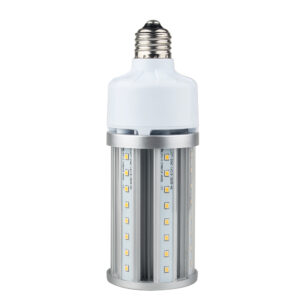
While traditional 400 watt lamps, such as metal halide or high-pressure sodium, remain popular, LED alternatives are rapidly gaining ground. LED lamps labeled as 400 watt equivalents offer similar brightness with significantly lower energy consumption and heat output.
Lighting contractors should stay informed about these advancements to provide clients with modern, sustainable options. LED technology also offers benefits like instant-on capabilities, longer lifespans, and improved color rendering, which enhance the quality of lighting installations.
Smart Lighting Controls
Incorporating smart controls with 400 watt lamps can further optimize energy use and functionality. Dimmers, motion sensors, and automated scheduling allow lighting systems to adapt to actual usage patterns, reducing waste and extending lamp life.
Contractors who integrate these technologies demonstrate added value, offering clients lighting solutions that are not only powerful but also intelligent and responsive.
Conclusion: The Strategic Value of the 400 Watt Lamp
For lighting contractors, the 400 watt lamp represents a balance of power, efficiency, and versatility. Its ability to illuminate large spaces effectively makes it indispensable across industrial, commercial, and outdoor applications. Understanding the technical requirements and potential innovations associated with these lamps enables contractors to design lighting systems that meet client needs while optimizing performance and cost.
Choosing the right 400 watt lamp and pairing it with compatible fixtures and controls ensures installations that are safe, durable, and energy-efficient. As lighting technology continues to evolve, contractors who master the use of 400 watt lamps and their modern equivalents will be well-positioned to deliver superior lighting solutions that stand the test of time.
Illuminate Your Projects with LumenWholesale
Ready to harness the strategic value of the 400 watt lamp for your next project? Look no further than LumenWholesale, where we provide lighting contractors with the highest quality spec-grade lighting products at unbeatable wholesale prices. Say goodbye to inflated markups and hello to a vast selection of reliable, high-performance lighting that meets the most rigorous industry standards. With LumenWholesale, bulk buying is a breeze, thanks to our hassle-free process and free shipping. Elevate your lighting solutions today and experience the perfect blend of quality, affordability, and convenience. Wholesale Lighting at the Best Value is just a click away.