What Is a Can Light Cap and Why Does It Matter?
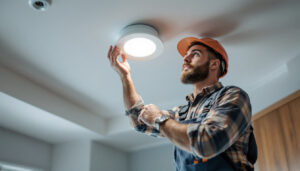
When working with recessed lighting, the term “can light cap” often comes up, but it’s easy to overlook its importance. A can light cap is essentially a cover or trim piece that fits over the recessed housing—commonly called the “can.” It’s more than just a cosmetic finish. This small component plays a crucial role in protecting the fixture, ensuring safety, and maintaining the overall integrity of the lighting installation.
For lighting contractors, understanding can light caps isn’t just about aesthetics. It’s about meeting code requirements, preventing heat buildup, and avoiding costly callbacks. The cap acts as a barrier, sealing off the housing from dust, debris, and even pests, while also helping to direct light properly. Without the right cap, the fixture can overheat or fail prematurely, which can lead to safety hazards or warranty issues.
In addition to these practical benefits, can light caps come in various styles and finishes, allowing for customization that can enhance the overall design of a space. From sleek, modern designs to more traditional options, the right cap can complement the decor of a room while providing functional benefits. Moreover, some caps are designed with energy efficiency in mind, incorporating features that help to reduce energy consumption by optimizing light distribution and minimizing heat loss.
Another important aspect of can light caps is their role in the installation process. Properly selecting and installing the right cap can simplify the setup for contractors, saving time and effort during installation. Many caps are designed to fit specific types of recessed fixtures, ensuring a snug fit that can help prevent issues down the line. Additionally, some caps come with built-in insulation or thermal barriers, which can further enhance energy efficiency and safety by reducing the risk of overheating and fire hazards. This attention to detail not only improves the performance of the lighting system but also contributes to the longevity of the installation.
Types of Can Light Caps and Their Applications
Standard Metal Caps
Most recessed housings come with a metal cap, usually made from aluminum or steel. These caps are durable, heat-resistant, and designed to fit snugly over the can. They’re ideal for general residential and commercial applications where the fixture is installed in a ceiling cavity with proper clearance and insulation.
Metal caps are favored because they can withstand high temperatures generated by traditional incandescent or halogen bulbs. They also provide a solid mounting surface for trims and lenses, ensuring the fixture stays secure over time. Additionally, the reflective properties of metal caps can enhance the overall lighting quality by directing light more effectively into the room, reducing the need for multiple fixtures in larger spaces. This can lead to significant cost savings on both installation and energy bills.
Insulation Contact (IC) Rated Caps
When installing recessed lights in ceilings with insulation, IC-rated caps are a must. These caps are specially designed to allow insulation to come into direct contact with the housing without creating a fire hazard. They often feature additional heat shields or insulation barriers built into the cap itself.
Using a non-IC rated cap in an insulated ceiling can lead to overheating, which is a serious fire risk and a common cause of failed inspections. Lighting contractors should always verify the fixture’s rating and use the appropriate cap to comply with local building codes. Moreover, the installation of IC-rated caps can significantly enhance the longevity of the lighting fixtures, as they are less likely to suffer from heat-related damage. This not only ensures safety but also minimizes the frequency of replacements, making them a cost-effective choice in the long run.
Air-Tight (AT) Caps
Air-tight can light caps are designed to prevent air leakage between conditioned and unconditioned spaces. This is critical for energy efficiency, especially in commercial buildings or homes with strict energy codes. These caps incorporate gaskets or seals that block drafts and help maintain HVAC system performance.
For contractors, specifying air-tight caps can reduce energy costs for clients and contribute to LEED certification or other green building standards. It’s a small detail that makes a big difference in overall building performance. Furthermore, air-tight caps can also help in maintaining indoor air quality by minimizing the infiltration of outdoor pollutants and allergens. This is particularly beneficial in urban environments where air quality can be a concern. By investing in air-tight solutions, homeowners and businesses alike can enjoy a more comfortable and healthier living or working environment.
How to Choose the Right Can Light Cap for Your Project
Assess the Ceiling Environment
Start by evaluating the ceiling type and conditions where the recessed light will be installed. Is there insulation? What kind? Is the space above conditioned or unconditioned? These factors determine whether you need an IC-rated, air-tight, or standard cap.
For example, in a cathedral ceiling with no insulation, a standard metal cap might suffice. But in a residential attic packed with fiberglass or spray foam insulation, an IC-rated cap is non-negotiable. Additionally, consider the overall climate of your area; regions with extreme temperature fluctuations may necessitate more robust insulation and sealing solutions to maintain energy efficiency and comfort levels within the home.
Furthermore, the aesthetic and functional aspects of the ceiling should not be overlooked. If the ceiling features intricate designs or is part of a historic renovation, the choice of light cap should complement the overall visual appeal while ensuring safety and compliance with building standards.
Consider the Fixture’s Heat Output
The type of bulb or LED module used impacts the cap selection. Traditional incandescent bulbs produce more heat and require caps that can handle higher temperatures. LED fixtures generate less heat but still require proper ventilation and sealing.
Using a cap not rated for the fixture’s heat output can cause damage to the housing or surrounding materials, leading to premature failure or even fire hazards. In addition, consider the wattage of the bulbs you plan to use; higher wattage bulbs will naturally generate more heat, necessitating a cap that can accommodate this increased output. It’s also wise to explore energy-efficient options that not only reduce heat output but also lower electricity costs, making your lighting solution both safe and economical.
Check Local Codes and Manufacturer Guidelines
Building codes vary by region, but most require IC-rated caps in insulated ceilings and air-tight caps in energy-efficient buildings. Always consult local regulations and the manufacturer’s installation instructions before finalizing your choice.
Ignoring these requirements can lead to failed inspections, costly rework, and liability issues for contractors. Additionally, staying informed about the latest building codes can provide insights into emerging trends in energy efficiency and safety standards, which may influence your choice of lighting fixtures and caps. Engaging with local building authorities or lighting professionals can also offer valuable guidance, ensuring that your project not only meets legal requirements but also stands the test of time in terms of performance and safety.
Installation Tips for Can Light Caps
Ensure a Secure Fit
The cap must fit snugly over the recessed housing without gaps. Loose caps can allow dust and insects to enter the fixture, and may cause the trim to sit unevenly. Use manufacturer-provided clips or screws to secure the cap firmly.
Double-check the alignment before installing the trim to avoid misalignment that can affect the light distribution and aesthetics.
Maintain Clearance for Heat Dissipation
Even with IC-rated caps, maintaining proper clearance around the housing is essential. Make sure insulation is evenly distributed and not packed tightly against the cap unless the fixture is specifically designed for direct contact.
Proper clearance prevents heat buildup, which extends the life of the fixture and reduces fire risk.
Seal for Air-Tightness When Required
If the cap is air-tight rated, ensure the gasket or seal is intact and properly seated. Use additional caulking or foam sealant around the cap edges if necessary to eliminate drafts.
This step is especially important in commercial projects or energy-efficient homes where air leakage can undermine HVAC performance.
Common Mistakes to Avoid with Can Light Caps
Using the Wrong Cap for the Application
One of the most frequent errors is installing a non-IC rated cap in an insulated ceiling. This oversight can lead to overheating and fire hazards. Similarly, skipping air-tight caps in energy-sensitive projects wastes energy and can cause condensation problems.
Always match the cap type to the installation environment and fixture specifications.
Ignoring Manufacturer Instructions
Each recessed lighting manufacturer designs their housings and caps with specific tolerances and features. Using generic or mismatched caps can void warranties and cause installation issues.
Follow the instructions carefully to ensure compatibility and optimal performance.
Failing to Inspect After Installation
A quick post-installation inspection can catch loose caps, missing seals, or improper clearances. Neglecting this step can lead to callbacks and dissatisfied clients.
Make it a standard part of your installation checklist to verify the cap’s fit and seal before closing up the ceiling.
Why Can Light Caps Are a Contractor’s Best Friend
Properly selected and installed can light caps protect your work, ensure safety, and help maintain client satisfaction. They minimize the risk of heat damage, improve energy efficiency, and contribute to a polished final look.
For lighting contractors, investing time in understanding and correctly applying can light caps pays off in fewer callbacks, smoother inspections, and a reputation for quality workmanship. It’s a small component with a big impact-one that should never be overlooked.
Get Your Can Light Caps at LumenWholesale
Ready to enhance your lighting projects with the best can light caps on the market? Look no further than LumenWholesale, where we provide lighting contractors with the highest quality, spec-grade lighting products at unbeatable wholesale prices. Say goodbye to local distributor markups and hello to superior lighting solutions that meet the highest industry standards. With our hassle-free bulk buying and free shipping, you can stock up on reliable, high-performance can light caps and more, ensuring every installation shines with excellence. Don’t compromise on quality or value — discover wholesale lighting at the best value today and elevate your lighting game with LumenWholesale.