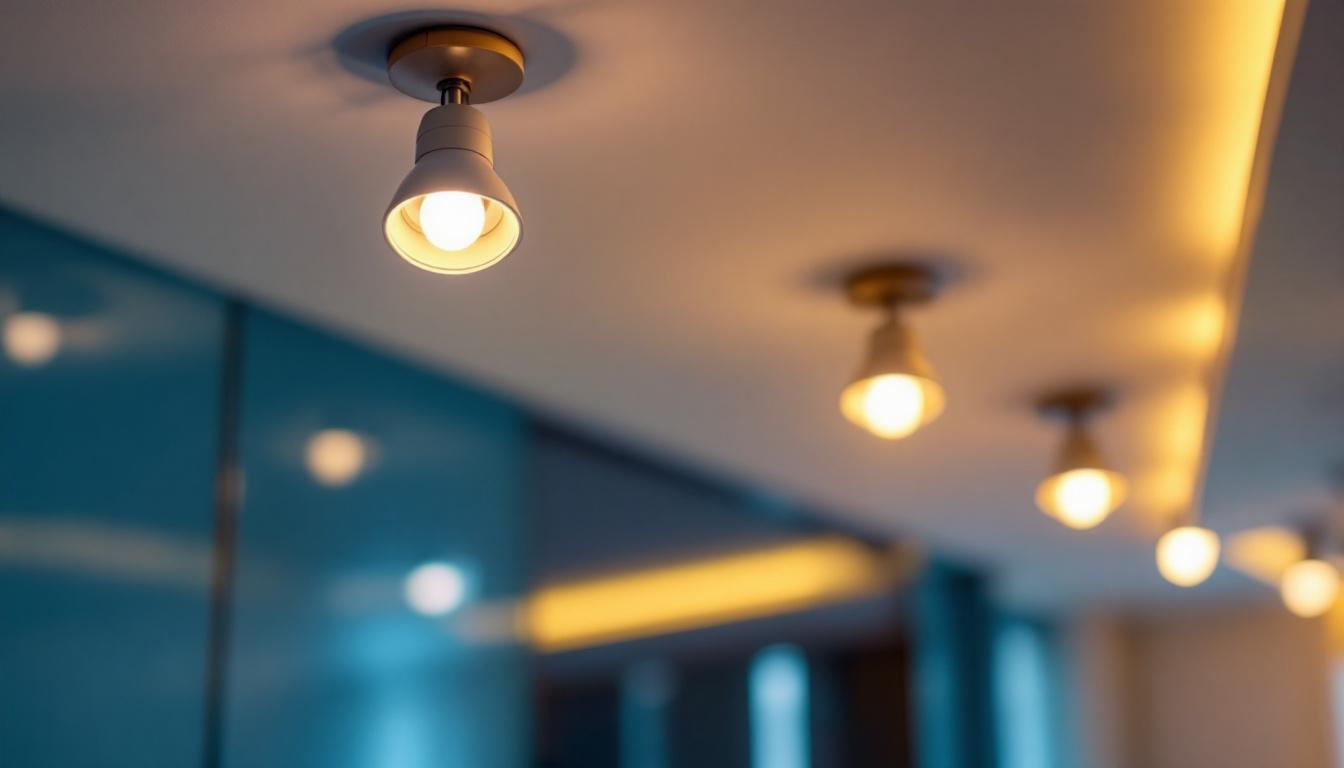
Recessed lighting has become a popular choice for both residential and commercial spaces, offering a sleek, modern aesthetic while providing ample illumination. However, achieving optimal performance and energy efficiency requires more than just selecting the right fixtures; it also involves understanding the critical role of recessed lighting brackets. This article delves into why these brackets are essential for energy-efficient lighting and how they can enhance the overall effectiveness of recessed lighting installations.
Understanding Recessed Lighting Brackets
Recessed lighting brackets are specialized components used to secure and support recessed light fixtures within ceilings. They provide structural integrity and ensure that the fixtures are properly positioned for optimal light distribution. Without these brackets, recessed lights may not function effectively, leading to uneven lighting and increased energy consumption. The importance of these brackets cannot be overstated, as they play a pivotal role in the overall aesthetics and functionality of a space, allowing homeowners and designers to create a seamless look while maximizing illumination.
Types of Recessed Lighting Brackets
There are various types of recessed lighting brackets available, each designed for specific applications. Some of the most common types include adjustable brackets, fixed brackets, and remodel brackets. Adjustable brackets allow for flexibility in positioning the light fixtures, making them ideal for spaces with varying ceiling heights. Fixed brackets, on the other hand, provide a stable mount for fixtures in new construction projects. Remodel brackets are designed for retrofitting existing spaces, allowing for easy installation without extensive renovations. Additionally, some brackets come with built-in features such as cable management systems, which help keep wiring organized and out of sight, further enhancing the clean look of recessed lighting installations.
The Importance of Proper Installation
Proper installation of recessed lighting brackets is crucial for achieving energy efficiency. When brackets are installed incorrectly, it can lead to misaligned fixtures, resulting in wasted energy and poor lighting quality. Ensuring that brackets are securely fastened and positioned correctly will help maintain the intended light distribution and reduce the risk of overheating, which can further impact energy consumption. Moreover, a well-executed installation not only enhances the performance of the lighting but also extends the lifespan of the fixtures, as they are less likely to be subjected to stress or damage from improper support.
Materials and Durability
Recessed lighting brackets are typically made from durable materials such as metal or high-quality plastic. Metal brackets offer strength and stability, making them suitable for heavy fixtures, while plastic options are lightweight and resistant to corrosion. Choosing the right material is essential for ensuring the longevity and reliability of the installation, which ultimately contributes to energy efficiency. Furthermore, some manufacturers are now producing eco-friendly brackets made from recycled materials, catering to environmentally conscious consumers who wish to reduce their carbon footprint while still achieving high-quality lighting solutions. The choice of material can also influence the overall cost of the project, so it’s important to weigh the benefits against the budget when selecting the appropriate brackets for your needs.
Energy Efficiency and Recessed Lighting
Energy efficiency is a primary concern for both contractors and homeowners. Recessed lighting, when installed correctly, can significantly reduce energy consumption compared to traditional lighting solutions. However, the effectiveness of recessed lighting largely depends on the quality of the installation and the components used, including brackets.
How Brackets Contribute to Energy Efficiency
Recessed lighting brackets play a vital role in ensuring that fixtures operate at peak efficiency. By providing a secure and stable mounting point, brackets help maintain the correct angle and position of the light fixture, which is essential for directing light where it is needed most. This targeted illumination minimizes wasted energy and enhances the overall effectiveness of the lighting system. Additionally, high-quality brackets can improve the thermal management of the fixtures, preventing overheating and prolonging the lifespan of the bulbs, which in turn contributes to further energy savings over time.
Choosing Energy-Efficient Fixtures
In addition to using proper brackets, selecting energy-efficient light fixtures is crucial for maximizing energy savings. LED recessed lights are an excellent choice, as they consume significantly less energy than traditional incandescent bulbs and have a longer lifespan. These fixtures not only reduce electricity bills but also emit less heat, making them safer and more comfortable for indoor environments. Pairing energy-efficient fixtures with high-quality brackets ensures that the entire lighting system operates efficiently, reducing both energy costs and environmental impact. Furthermore, the availability of smart LED options allows homeowners to control their lighting remotely, adjusting brightness and scheduling to further enhance energy efficiency.
Compliance with Energy Codes
Many regions have established energy codes that dictate the minimum efficiency standards for lighting installations. Understanding these codes is essential for contractors to ensure compliance and avoid potential penalties. Properly installed recessed lighting brackets can help meet these standards by facilitating the use of energy-efficient fixtures and promoting optimal light distribution. Additionally, staying informed about updates to energy codes can help contractors recommend the latest technologies and practices to their clients, ensuring that installations not only comply with current regulations but also incorporate innovations that enhance energy efficiency. This proactive approach can lead to more sustainable building practices and contribute to a greener future.
Installation Tips for Recessed Lighting Brackets
Installing recessed lighting brackets may seem straightforward, but attention to detail is crucial for achieving the best results. Here are some essential tips to consider during the installation process:
Plan the Layout
Before installation, it is essential to plan the layout of the recessed lighting. Consider the purpose of the space, the desired ambiance, and the specific areas that require illumination. Proper planning will help determine the number of fixtures needed and their ideal placement, ensuring that the brackets are installed in the right locations.
Use the Right Tools
Having the appropriate tools on hand can make the installation process smoother and more efficient. Common tools required for installing recessed lighting brackets include a drill, screwdriver, measuring tape, and level. Using high-quality tools will ensure that brackets are securely fastened and properly aligned, contributing to the overall success of the installation.
Follow Manufacturer Instructions
Each recessed lighting bracket may come with specific installation instructions provided by the manufacturer. It is vital to follow these guidelines closely to ensure proper installation and avoid any potential issues. Adhering to the manufacturer’s recommendations will also help maintain warranty coverage and ensure the longevity of the fixtures.
Common Challenges and Solutions
While installing recessed lighting brackets can be relatively straightforward, several common challenges may arise. Understanding these challenges and their solutions can help contractors navigate the installation process more effectively.
Dealing with Ceiling Joists
One of the most common challenges when installing recessed lighting brackets is encountering ceiling joists. These structural components can limit the placement of fixtures and brackets. To overcome this challenge, it may be necessary to use adjustable brackets that can accommodate varying distances between joists. Additionally, using a stud finder can help identify the location of joists, allowing for more accurate bracket placement.
Managing Electrical Wiring
Another challenge is managing electrical wiring during installation. Ensuring that wiring is safely routed and does not interfere with bracket placement is essential for both safety and functionality. Using wire connectors and electrical boxes can help keep wiring organized and secure. It is also important to adhere to local electrical codes to ensure compliance and safety.
Addressing Heat Issues
Heat buildup can be a concern with recessed lighting, particularly if fixtures are not installed correctly or if incompatible bulbs are used. To mitigate this issue, ensure that brackets allow for adequate airflow around the fixtures. Additionally, using LED bulbs, which generate less heat than traditional incandescent bulbs, can help reduce the risk of overheating and improve energy efficiency.
Maintenance and Longevity of Recessed Lighting Systems
Once the recessed lighting brackets and fixtures are installed, ongoing maintenance is essential for ensuring optimal performance and energy efficiency. Regular inspections and maintenance can help identify any issues before they become significant problems.
Regular Inspections
Conducting regular inspections of recessed lighting systems can help identify any signs of wear or damage. Check for loose brackets, flickering lights, or any unusual sounds coming from the fixtures. Addressing these issues promptly can prevent further damage and maintain the efficiency of the lighting system.
Cleaning Fixtures and Brackets
Dust and debris can accumulate on recessed lighting fixtures and brackets, impacting their performance and appearance. Regular cleaning using a soft cloth or duster can help maintain the aesthetic appeal of the lighting while ensuring that fixtures operate efficiently. It is essential to turn off the power before cleaning to ensure safety.
Upgrading Components
As technology advances, newer and more energy-efficient lighting options become available. Upgrading recessed lighting fixtures or brackets can enhance the overall performance of the lighting system. Consider replacing older fixtures with newer LED options or upgrading brackets to accommodate more advanced technologies.
Conclusion: The Importance of Recessed Lighting Brackets
Recessed lighting brackets are an essential component of any energy-efficient lighting installation. By understanding their role, selecting the right types, and ensuring proper installation, contractors can significantly enhance the performance and efficiency of recessed lighting systems. As the demand for energy-efficient solutions continues to grow, staying informed about the latest trends and best practices in recessed lighting will be crucial for success in the industry.
Investing time and resources into understanding and utilizing recessed lighting brackets will not only improve the quality of installations but also contribute to a more sustainable future. By prioritizing energy efficiency and effective lighting solutions, contractors can meet the evolving needs of their clients while making a positive impact on the environment.
Get Your Premium Recessed Lighting Brackets from LumenWholesale
Ready to elevate your lighting installations with the best recessed lighting brackets on the market? Look no further than LumenWholesale, where we provide contractors with exceptional, spec-grade lighting products at unbeatable wholesale prices. Our extensive selection is designed to meet the highest industry standards, ensuring you get reliable, high-performance lighting for every project. Plus, with free shipping on bulk orders, you can secure premium lighting solutions at the best value — all without hidden fees or compromises. Enhance your energy-efficient lighting installations today by visiting LumenWholesale for Wholesale Lighting at the Best Value.