The evolution of lighting technology has been nothing short of remarkable. Among the most significant advancements in recent years is the development of LED (Light Emitting Diode) technology. As lighting contractors, understanding the implications of this shift is crucial for staying ahead in the industry. This article explores the future of lighting design and installation, focusing on the transformative role of LEDs.
The Rise of LED Technology
LED technology has rapidly gained popularity due to its energy efficiency, longevity, and versatility. Unlike traditional incandescent or fluorescent bulbs, LEDs consume significantly less power while providing the same or even greater levels of brightness. This efficiency not only reduces energy costs but also minimizes the environmental impact of lighting.
Furthermore, LEDs have a lifespan that can exceed 25,000 hours, compared to the mere 1,000 hours of incandescent bulbs. This longevity translates to less frequent replacements and reduced maintenance costs, making them an attractive option for both residential and commercial applications. As a result, businesses are increasingly turning to LED solutions to not only cut costs but also to enhance their operational efficiency.
Energy Efficiency and Sustainability
As the world increasingly prioritizes sustainability, LED lighting stands out as a beacon of hope. The reduced energy consumption associated with LEDs translates to lower greenhouse gas emissions. This is particularly important in an era where energy conservation is paramount. Lighting contractors have the opportunity to contribute to a greener planet by promoting LED solutions to their clients.
Moreover, many governments and organizations are incentivizing the adoption of energy-efficient technologies through rebates and tax credits. This not only makes LEDs more financially appealing but also aligns with global sustainability goals. In addition, the shift towards LED technology is often accompanied by a broader commitment to sustainable practices, such as the use of recyclable materials in manufacturing and the reduction of hazardous substances, further enhancing the appeal of LEDs in eco-conscious markets.
Versatility in Design
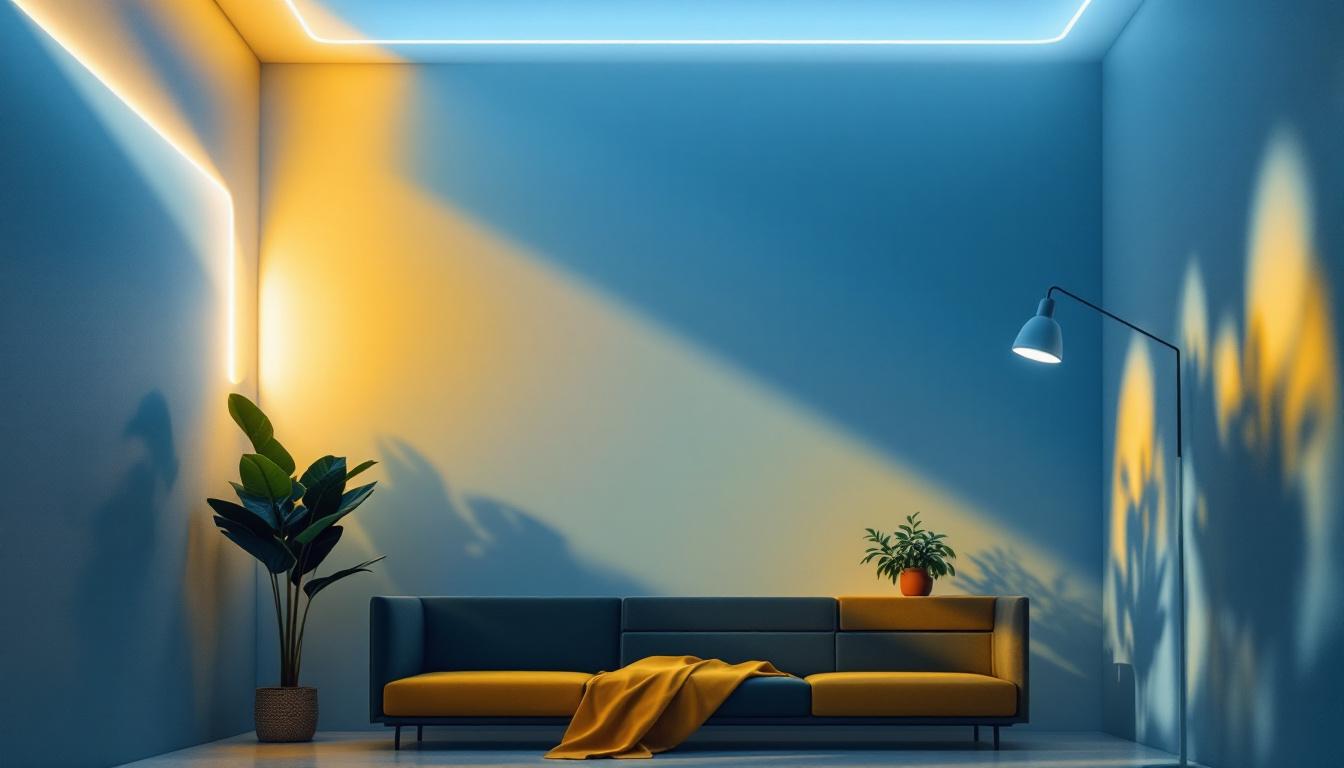
LEDs offer unparalleled versatility in lighting design. They come in various shapes, sizes, and colors, allowing for creative applications that were previously unimaginable. Whether it’s accent lighting, task lighting, or ambient lighting, LEDs can be seamlessly integrated into any design scheme.
Additionally, advancements in smart LED technology are paving the way for innovative lighting solutions. With the ability to control brightness, color temperature, and even patterns through smart devices, lighting contractors can provide clients with customized experiences that enhance the functionality and aesthetics of their spaces. The integration of LEDs with smart home systems not only elevates the user experience but also contributes to energy savings by allowing users to manage their lighting more effectively. This trend is particularly popular in modern homes and commercial spaces, where ambiance and energy efficiency are key considerations.
Furthermore, the ability to incorporate LEDs into architectural features, such as coves, ceilings, and even furniture, showcases their adaptability. Designers are increasingly leveraging this technology to create dynamic environments that can change mood and functionality at the touch of a button. This level of customization is transforming how spaces are perceived and utilized, making LED technology an essential component of contemporary design practices.
Innovative Applications of LEDs
The applications of LED technology extend far beyond traditional lighting. From architectural lighting to horticultural applications, the versatility of LEDs is reshaping various industries. Understanding these innovative uses can help lighting contractors expand their service offerings and meet diverse client needs.
Architectural Lighting
Architectural lighting has evolved significantly with the advent of LEDs. Their compact size and flexibility allow for creative installations that highlight the unique features of buildings. LEDs can be integrated into facades, pathways, and even ceilings, providing both functional and aesthetic benefits.
Moreover, the ability to change colors and intensities can dramatically alter the mood of a space. Lighting contractors can work closely with architects and designers to create dynamic environments that respond to the needs of the occupants. For instance, programmable LED systems can be employed to adjust lighting based on the time of day or specific events, enhancing both the visual appeal and energy efficiency of the structure. Additionally, the use of LEDs in outdoor architectural lighting can improve safety and security, illuminating pathways and entryways while adding a layer of sophistication to the exterior design.
Horticultural Lighting
In the realm of agriculture, LED technology is revolutionizing how plants are grown. Horticultural LEDs are designed to emit specific wavelengths of light that promote photosynthesis, leading to healthier plants and increased yields. This application is particularly beneficial for indoor farming and greenhouses, where natural light may be limited.
Lighting contractors can play a crucial role in this sector by providing tailored lighting solutions that meet the specific needs of various crops. As the demand for locally sourced and sustainable produce grows, the importance of effective horticultural lighting will only increase. Furthermore, advancements in LED technology have led to the development of full-spectrum lights that mimic natural sunlight, allowing growers to cultivate a wider variety of plants year-round. This not only boosts productivity but also opens up new markets for specialty crops, making it an exciting time for agricultural innovation.
Smart Lighting Solutions
The rise of smart technology has also influenced the lighting industry. Smart LEDs can communicate with other devices, allowing for automated and customizable lighting systems. This integration enhances energy savings and improves user experience.
For lighting contractors, understanding how to install and configure smart lighting systems is becoming increasingly important. Clients are looking for solutions that not only save energy but also offer convenience and control over their environments. With the integration of IoT (Internet of Things) technology, smart lighting can adapt to user preferences, adjusting brightness and color temperature based on individual activities or time of day. Additionally, these systems can be programmed to sync with security features, providing enhanced safety measures by automatically illuminating areas when motion is detected. As smart homes and buildings continue to gain popularity, the demand for knowledgeable contractors who can implement these systems effectively will undoubtedly rise.
The Challenges of LED Adoption
Despite the numerous advantages of LED technology, there are challenges that lighting contractors must navigate. Understanding these hurdles can better prepare professionals to address client concerns and ensure successful installations.
Initial Costs vs. Long-Term Savings
One of the most significant barriers to LED adoption is the initial cost. While LEDs may be more expensive upfront compared to traditional lighting options, the long-term savings in energy and maintenance costs often outweigh this initial investment. Educating clients about these benefits is essential for overcoming their reluctance.
Lighting contractors can provide detailed cost-benefit analyses that demonstrate the potential savings over time. By presenting clear data and case studies, contractors can help clients make informed decisions that align with their financial goals.
Compatibility with Existing Systems
Another challenge arises when integrating LEDs into existing lighting systems. Compatibility issues can lead to performance problems and increased costs. It is crucial for lighting contractors to assess existing infrastructures and determine the best approach for incorporating LED technology.
Conducting thorough evaluations and offering tailored solutions can help mitigate these challenges. By ensuring that clients understand the importance of proper installation and compatibility, contractors can foster trust and confidence in their services.
The Future of Lighting Design and Installation
The future of lighting design and installation is bright, thanks to the ongoing advancements in LED technology. As the industry continues to evolve, lighting contractors must stay informed about emerging trends and innovations to remain competitive.
Continued Innovation in LED Technology
As research and development in LED technology progresses, new applications and improvements will emerge. From enhanced color rendering to increased energy efficiency, the potential for innovation is vast. Lighting contractors should keep abreast of these developments to offer clients the latest solutions.
Additionally, staying informed about industry standards and regulations will be crucial for ensuring compliance and maintaining credibility. Engaging in professional development opportunities, such as workshops and seminars, can help contractors stay ahead of the curve.
Emphasis on User Experience
The focus on user experience is likely to intensify in the coming years. As consumers become more aware of the impact of lighting on their well-being, the demand for tailored lighting solutions will grow. Lighting contractors can capitalize on this trend by offering personalized consultations and customized designs that cater to individual preferences.
Moreover, incorporating feedback mechanisms into lighting installations can help contractors refine their offerings and improve customer satisfaction. By prioritizing user experience, contractors can build long-lasting relationships with clients and foster loyalty.
Integration of Renewable Energy Sources
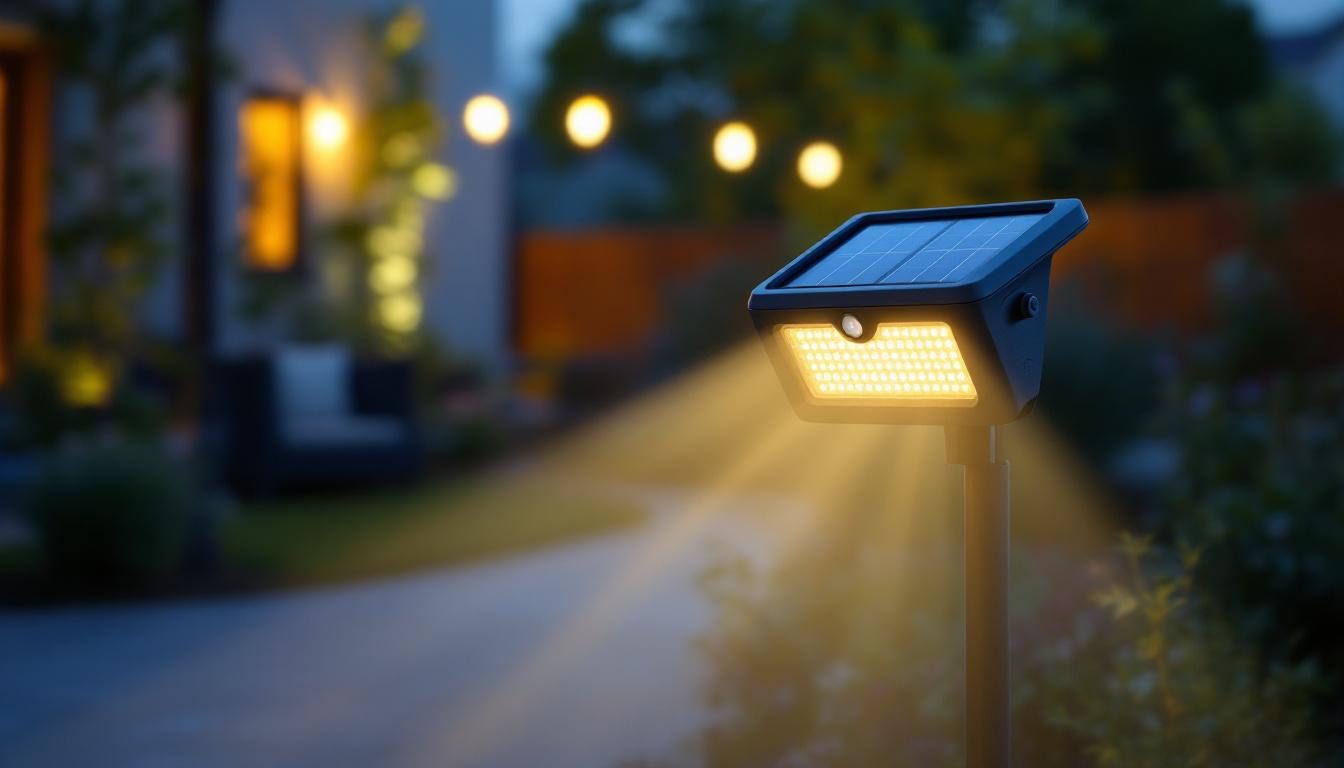
As the push for renewable energy sources continues, integrating LED lighting with solar and wind energy systems will become increasingly common. This combination not only enhances energy efficiency but also promotes sustainability.
Lighting contractors who understand how to design and install systems that leverage renewable energy will be well-positioned to meet the needs of environmentally conscious clients. This expertise can set contractors apart in a competitive market.
Conclusion
The future of lighting design and installation is undeniably intertwined with the advancements in LED technology. As lighting contractors navigate this evolving landscape, embracing the benefits of LEDs while addressing the challenges will be key to success. By staying informed, prioritizing user experience, and integrating innovative solutions, contractors can thrive in an industry that is poised for growth.
Ultimately, the shift towards LED technology represents not just a change in lighting but a transformation in how spaces are experienced and utilized. Lighting contractors have the opportunity to lead this change, creating environments that are not only functional but also enhance the quality of life for their clients.
Illuminate Your Projects with LumenWholesale
Ready to embrace the future of lighting with LEDs and elevate your installations? At LumenWholesale, we provide lighting contractors like you with the highest quality, spec-grade lighting products at prices that can’t be beaten. Say goodbye to local distributor markups and hello to our extensive selection that meets rigorous industry standards. With free shipping on bulk orders, you’ll enjoy the best value without any hidden fees. Transform your lighting projects with the perfect combination of quality, affordability, and convenience. Discover wholesale lighting at the best value today and lead the way in innovative lighting design and installation.