Why Riding Arena Dimensions Matter for Lighting Contractors
When bidding on lighting contracts for riding arenas, the size and layout of the arena are more than just numbers on a blueprint—they’re the foundation for a successful lighting design. Understanding the precise dimensions influences fixture placement, lighting levels, energy consumption, and ultimately, client satisfaction.
Many lighting contractors overlook the importance of arena size during the initial assessment, leading to underpowered or inefficient lighting systems. This oversight can cause costly revisions, unhappy clients, and lost future business. Knowing the standard and custom sizes of riding arenas allows contractors to propose accurate, tailored lighting solutions that meet both functional and budgetary requirements.
Moreover, the type of activities conducted within the arena can also dictate specific lighting needs. For instance, a dressage arena may require different lighting specifications compared to a jumping arena, as the focus on precision and visibility varies significantly. Additionally, factors such as the height of the arena ceilings and the presence of obstacles can further complicate the lighting design process. By taking these variables into account, contractors can ensure that their lighting solutions enhance visibility and safety, while also creating an inviting atmosphere for both riders and spectators.
Furthermore, the integration of advanced lighting technologies, such as LED systems, can greatly benefit from an understanding of arena dimensions. These systems not only offer energy efficiency but also provide the flexibility to adjust lighting levels based on the specific needs of different events. By being aware of the arena’s layout, contractors can strategically position fixtures to minimize shadows and glare, ensuring optimal lighting conditions for every performance. This level of attention to detail not only elevates the quality of the lighting design but also reinforces the contractor’s reputation as a knowledgeable and reliable partner in the equestrian community.
Common Riding Arena Sizes and Their Impact on Lighting Design
Standard Dimensions and Their Variations
Riding arenas come in various sizes, but certain dimensions are widely recognized within the equestrian community. Indoor arenas typically range from 60 feet by 120 feet to 100 feet by 200 feet. Outdoor arenas may be larger, sometimes extending beyond 150 feet by 300 feet. These standard dimensions are not just arbitrary; they are influenced by the types of activities that will take place within these spaces, whether it be dressage, jumping, or general riding practice.
These dimensions directly affect the number and type of lighting fixtures needed. For example, a 60×120-foot arena requires fewer fixtures with lower wattage compared to a 100×200-foot arena, which demands more powerful and strategically placed lights to ensure uniform illumination. Additionally, the height of the arena’s ceiling plays a critical role in how light is distributed. Higher ceilings may necessitate fixtures with a broader beam angle to cover the larger area effectively, while lower ceilings can benefit from focused lighting to enhance visibility without creating harsh shadows.
Custom Arenas and Unique Challenges
Some clients opt for custom-sized arenas to fit specific property constraints or training needs. These irregular shapes and sizes pose challenges for lighting contractors, who must adapt standard lighting layouts to avoid dark spots and glare. Custom arenas may also include features such as curved walls or varying surface materials, which can further complicate the lighting design. The interplay between different surfaces can affect how light is absorbed or reflected, necessitating a careful selection of fixtures that can accommodate these variations.
Understanding the exact measurements and any architectural features—such as overhangs, support beams, or spectator areas—is crucial for designing an effective lighting system. Contractors who can navigate these complexities demonstrate expertise and increase their chances of winning contracts. Furthermore, they must consider the time of day when the arena will be used, as natural light can significantly influence the effectiveness of artificial lighting. For instance, arenas that are frequently used during twilight hours may require dimmable fixtures to adjust to changing light conditions, ensuring that riders and horses can perform safely and effectively regardless of the time of day.
How Accurate Measurements Lead to Better Lighting Proposals
Precision in Measurement: The First Step
Accurate measurements are the cornerstone of any lighting project. Using laser distance meters or digital measuring tools ensures precise data collection, reducing guesswork during design. This accuracy helps calculate the total square footage and ceiling height, both critical for determining lighting requirements.
Additionally, knowing the ceiling height influences fixture selection. Higher ceilings typically require fixtures with higher lumen output and specialized mounting hardware, while lower ceilings allow for more compact, energy-efficient options. Furthermore, understanding the layout of the space, including any architectural features such as beams or alcoves, can significantly impact the lighting design. For example, a room with intricate ceiling designs may benefit from accent lighting that highlights these features, creating a more visually appealing environment.
Leveraging Arena Size for Energy Efficiency
Clients increasingly prioritize energy efficiency to reduce operating costs. By tailoring lighting designs to the exact arena size, contractors can avoid over-lighting, which wastes energy and inflates utility bills.
For instance, using LED fixtures with adjustable beam angles allows precise targeting of light, minimizing spill and enhancing uniformity. Properly sized lighting reduces the number of fixtures needed, lowering both installation and maintenance expenses. Additionally, incorporating smart lighting controls, such as occupancy sensors and dimmers, can further optimize energy use by ensuring lights are only on when needed. This not only extends the lifespan of the fixtures but also contributes to a more sustainable approach to lighting design, aligning with modern environmental standards and client expectations.
Design Considerations Based on Arena Size
Uniformity and Glare Control
Riding arenas require consistent illumination to ensure rider safety and horse comfort. Uneven lighting can create shadows that spook horses or obscure obstacles. Larger arenas, in particular, demand careful fixture spacing to maintain uniform light distribution. This is especially true in arenas where multiple activities take place simultaneously, such as dressage, jumping, and training sessions. In these scenarios, a well-lit environment not only enhances visibility but also promotes a sense of security for both riders and horses, allowing for better performance and focus during exercises.
Glare is another critical factor. Fixtures must be positioned and shielded appropriately, especially in arenas with spectator seating or adjacent stables. Contractors who understand how arena size influences glare control can provide safer, more comfortable environments. Additionally, the choice of light color temperature can significantly impact glare; warmer tones are often more soothing and less harsh on the eyes, which is beneficial during longer training sessions. Implementing dimmable lighting systems can also help adjust the ambiance based on the time of day or specific activities, further enhancing the overall experience for both riders and spectators.
Fixture Types and Placement Strategies
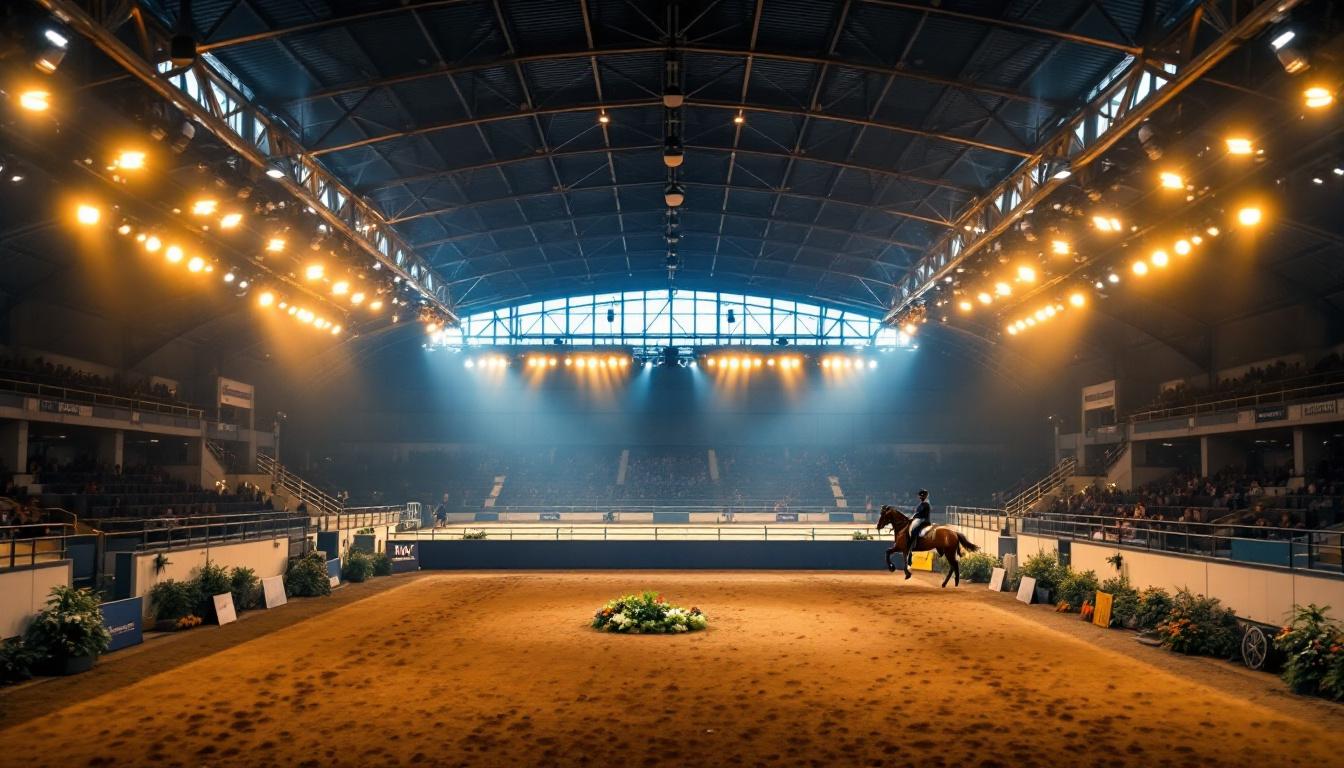
The size of the arena dictates fixture type selection—high bay LED lights are common for indoor arenas with high ceilings, while floodlights suit outdoor arenas. The mounting height and angle must be optimized based on arena dimensions to maximize coverage. In addition to the type of fixtures, the distribution of light across the arena floor is crucial. For instance, using a combination of direct and indirect lighting can create a more balanced illumination, reducing harsh contrasts that can distract both horse and rider.
For example, a 100×200-foot arena may require multiple rows of fixtures spaced evenly along the length and width, while a smaller 60×120-foot arena might only need a single row on each side. Contractors who can visualize and communicate these strategies clearly stand out in competitive bids. Furthermore, incorporating smart lighting solutions that allow for real-time adjustments based on environmental conditions, such as natural light availability or weather changes, can significantly enhance the functionality of the arena. This adaptability not only improves the usability of the space but also contributes to energy efficiency, making it a sustainable choice for modern equestrian facilities.
Case Studies: Winning Contracts Through Size-Savvy Lighting Proposals
Mid-Sized Indoor Arena: Custom Lighting for a 80×150-Foot Space
A lighting contractor secured a contract by presenting a detailed plan for an 80×150-foot indoor arena. By conducting a thorough site survey and measuring ceiling heights, the contractor proposed LED high bays with dimming controls to adjust light levels based on activity.
The proposal emphasized energy savings and uniform light distribution, supported by photometric simulations tailored to the arena’s exact size. The client appreciated the attention to detail, resulting in a successful installation and positive referrals.
Outdoor Arena Expansion: Adapting to a Growing 120×250-Foot Space
In another case, a contractor won a contract by adapting an existing lighting system to accommodate an expanded outdoor arena measuring 120×250 feet. The contractor recommended additional floodlights with adjustable mounts to cover the new area without disrupting existing lighting zones.
This approach minimized costs and downtime while ensuring consistent illumination. The understanding of arena size changes and their impact on lighting needs impressed the client and secured repeat business.
Tools and Techniques for Measuring and Planning Arena Lighting
Digital Measurement Tools
Laser distance meters and 3D scanning devices provide fast, accurate measurements of arena dimensions and features. These tools reduce human error and speed up the initial assessment phase, allowing contractors to produce precise lighting layouts quickly.
Some contractors also use drone technology for outdoor arenas, capturing aerial views and measurements that inform fixture placement and wiring routes.
Lighting Design Software
Photometric software enables contractors to simulate lighting conditions based on arena size and fixture specifications. This technology helps visualize light distribution, identify dark spots, and optimize fixture placement before installation.
Sharing these simulations with clients builds trust and demonstrates professionalism, often tipping the scales in competitive bidding situations.
Final Thoughts: Arena Size as a Competitive Advantage
Mastering the nuances of riding arena sizes transforms lighting contractors from mere installers into trusted advisors. Clients value contractors who understand how arena dimensions affect lighting quality, energy use, and safety.
Investing time in accurate measurements, tailored designs, and clear communication about how arena size impacts lighting solutions can unlock new business opportunities. In a competitive market, this knowledge is a key differentiator that leads to winning more contracts and building lasting client relationships.
Illuminate Your Projects with LumenWholesale
Ready to elevate your lighting game and become the go-to contractor for riding arenas? At LumenWholesale, we’re here to support your journey with premium, spec-grade lighting products at unbeatable wholesale prices. Say goodbye to local distributor markups and hello to a vast selection of industry-standard lighting solutions that promise reliability and high performance. With free shipping on bulk orders, we ensure that you get the best value without any hidden fees. Make your next project shine and explore our wholesale lighting options today. Your clients, and their horses, will thank you.