Understanding the Role of 4 Foot Light Covers in Commercial Lighting
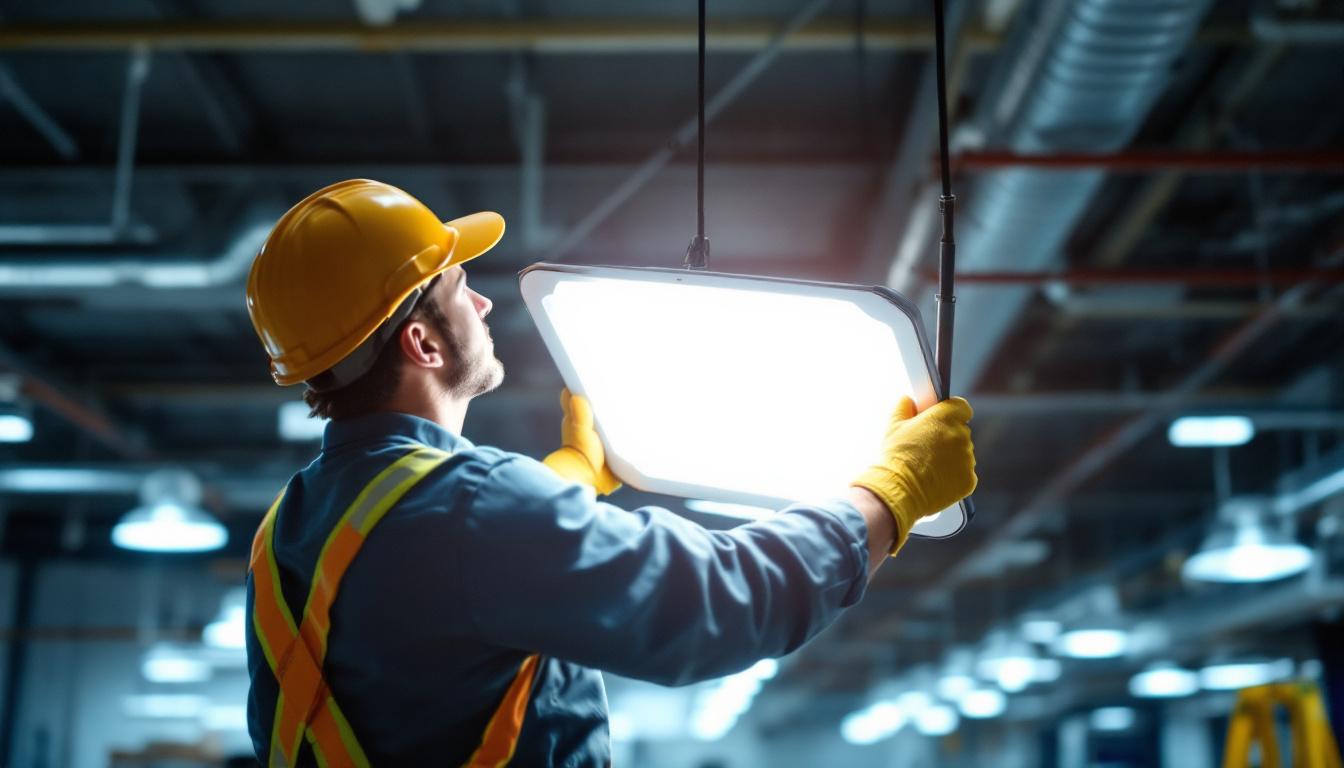
Light covers for 4-foot fixtures are more than just aesthetic accessories. They play a crucial role in protecting the lighting elements, enhancing light distribution, and improving energy efficiency. For lighting contractors, selecting and installing the right covers can significantly impact the performance and longevity of lighting systems.
These covers are commonly used in commercial and industrial settings, including offices, warehouses, retail spaces, and schools. The 4-foot designation refers to the length of the fluorescent or LED tube that the cover is designed to fit, which is a standard size in many lighting applications.
Choosing the appropriate cover involves understanding the material, design, and compatibility with the existing fixture. Polycarbonate and acrylic are popular materials due to their durability and light transmission properties. Additionally, covers can be clear, frosted, or prismatic, each affecting the quality and spread of light differently.
In addition to their functional benefits, 4-foot light covers can also contribute to the overall design aesthetic of a space. For instance, prismatic covers can create a visually appealing light effect while effectively diffusing harsh glare, making them ideal for environments where comfort and visibility are paramount. Moreover, the choice of cover can influence the ambiance of a room; frosted covers tend to soften the light, creating a warm and inviting atmosphere, while clear covers can enhance brightness, making them suitable for task-oriented areas like workshops or design studios.
Furthermore, the installation of these covers can also have implications for maintenance and energy consumption. Covers that are easy to clean and replace can reduce downtime and maintenance costs, which is particularly important in high-traffic commercial environments. Additionally, energy-efficient covers can help in reducing overall energy costs by maximizing the output of the lighting fixtures they encase. This is especially relevant in today’s eco-conscious market, where businesses are increasingly looking for ways to minimize their carbon footprint while maintaining effective lighting solutions.
Material Selection: Balancing Durability and Light Quality
Polycarbonate vs. Acrylic
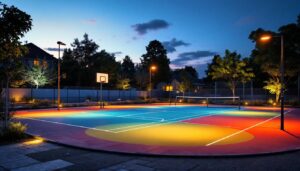
Polycarbonate covers are known for their impact resistance, making them ideal for environments where fixtures may be exposed to physical stress or vandalism. They resist cracking and yellowing over time, which helps maintain consistent light quality and fixture appearance. Additionally, polycarbonate’s ability to withstand extreme temperatures further enhances its versatility, allowing it to perform well in both hot and cold climates. This makes it a preferred choice for outdoor applications, such as street lighting and sports facilities, where durability and reliability are paramount.
Acrylic covers, while less impact-resistant, offer excellent optical clarity and are often preferred in settings where light quality and aesthetics are paramount. They tend to be more cost-effective but may require more frequent replacement in high-traffic areas. However, advancements in acrylic technology have led to the development of UV-resistant formulations that help mitigate the effects of sun exposure, extending the lifespan of these covers. This makes acrylic a viable option in sunlit environments like atriums or conservatories, where maintaining a bright and inviting atmosphere is essential.
Light Transmission and Diffusion
The choice between clear, frosted, or prismatic covers affects how light is distributed. Clear covers allow maximum light output but can cause glare and uneven illumination. Frosted covers diffuse light, softening shadows and reducing glare, which is beneficial in office environments to reduce eye strain. In addition to their aesthetic appeal, frosted covers can also enhance the comfort of employees by creating a more inviting workspace, which can lead to increased productivity and overall satisfaction.
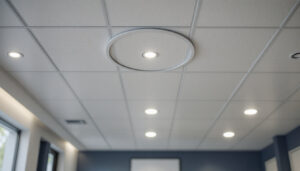
Prismatic covers use geometric patterns to redirect light, enhancing uniformity and efficiency. This design is particularly useful in large spaces like warehouses or retail stores where even lighting is critical for safety and product presentation. Furthermore, prismatic covers can help in energy conservation by maximizing the effectiveness of the light source, allowing for lower wattage fixtures to achieve the same brightness levels. This not only reduces operational costs but also contributes to sustainability efforts, making prismatic options an attractive choice for environmentally-conscious businesses.
Installation Best Practices for Lighting Contractors
Ensuring Proper Fit and Secure Attachment
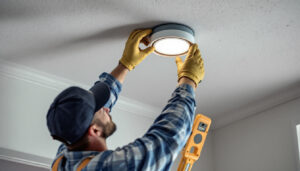
One of the most common issues contractors face is improper fitment of light covers. A cover that is too loose can rattle, collect dust, or even fall, posing safety risks. Conversely, a cover that is too tight may crack during installation. This not only compromises the aesthetic appeal of the lighting fixture but can also lead to costly replacements and repairs.
Measuring the fixture accurately and selecting covers designed specifically for the fixture model is essential. Many manufacturers provide detailed specifications and installation guides, which should be followed meticulously. Additionally, utilizing tools such as calipers and laser measuring devices can enhance precision, ensuring that every aspect of the installation is executed flawlessly. By investing time in the initial fitment, contractors can save themselves and their clients from future headaches related to poor installation.
Sealing and Maintenance Considerations
In environments prone to dust, moisture, or chemical exposure, sealing the edges of the light cover can prevent contaminants from entering the fixture. Using appropriate gaskets or weatherstripping materials extends the life of the lighting system and reduces maintenance frequency. Furthermore, selecting the right sealant is crucial; silicone-based sealants, for example, offer excellent flexibility and durability, making them ideal for various applications.
Regular inspection and cleaning of light covers are part of best practices. Dust and grime buildup can reduce light output by up to 30%, affecting energy efficiency and visibility. Contractors should advise clients on maintenance schedules and provide guidance on safe cleaning methods. It’s also beneficial to educate clients about the importance of using non-abrasive cleaners and microfiber cloths to avoid scratching the surface of the light covers. In addition to routine cleaning, contractors may suggest implementing a monitoring system that alerts clients when maintenance is due, ensuring that the lighting remains in optimal condition and continues to perform effectively over time.
Energy Efficiency and Compliance Factors
Optimizing Light Output and Energy Use
Light covers influence the efficiency of lighting systems. Covers that diffuse light excessively or are made from low-transmission materials can force higher wattage bulbs to compensate for lost brightness, increasing energy consumption.
Contractors should recommend covers that maintain high light transmission while meeting the client’s needs for glare control and aesthetics. LED-compatible covers are increasingly important as LED lighting becomes the standard, ensuring that covers do not interfere with the fixture’s thermal management or light distribution. Additionally, the choice of cover materials can play a significant role in energy efficiency. For instance, polycarbonate and acrylic covers are lightweight yet durable options that can enhance light output while providing excellent thermal insulation properties. This not only helps in maintaining optimal temperatures for LED fixtures but also contributes to overall energy savings by reducing the need for additional cooling systems in commercial spaces.
Meeting Code and Safety Standards
Lighting contractors must ensure that all covers comply with local building codes and safety standards. This includes fire resistance ratings, impact resistance, and electrical safety certifications. Using covers that meet these standards protects contractors from liability and ensures client safety.
For example, in healthcare or educational facilities, covers might need to meet specific antimicrobial or cleanability requirements. Staying informed about these regulations helps contractors provide solutions that are both compliant and functional. Furthermore, the integration of smart lighting systems is becoming increasingly prevalent, necessitating that covers not only adhere to traditional safety standards but also accommodate advanced technologies. This includes ensuring compatibility with wireless controls and sensors that can optimize energy use based on occupancy and daylight availability. By prioritizing these considerations, contractors can offer innovative solutions that enhance safety while also promoting sustainability in their projects.
Common Challenges and How to Overcome Them
Dealing with Retrofitting Older Fixtures
Many commercial buildings have older lighting fixtures that may not be compatible with modern covers. Contractors often face the challenge of finding covers that fit or deciding whether to recommend fixture replacement. This issue is particularly prevalent in historic buildings, where preserving the original aesthetics is crucial, yet modern efficiency standards must also be met.
Custom covers or adjustable mounting options can sometimes solve fitment issues, but contractors should assess the cost-benefit of retrofitting versus upgrading. New fixtures with integrated covers often provide better performance and long-term savings. Moreover, retrofitting can sometimes lead to unforeseen complications, such as electrical incompatibilities or structural limitations, which can further complicate the project. Therefore, a thorough evaluation of the existing infrastructure is essential before proceeding with any modifications.
Addressing Client Expectations and Budget Constraints
Clients may prioritize cost savings over quality or vice versa. Lighting contractors must balance these expectations by presenting options that clarify the trade-offs between upfront costs, durability, maintenance, and energy savings. This balancing act requires not only technical knowledge but also strong communication skills to effectively convey the long-term benefits of various solutions.
Providing detailed comparisons and case studies can help clients make informed decisions. For instance, investing in higher-quality polycarbonate covers might have a higher initial cost but reduce replacement frequency and maintenance expenses. Additionally, showcasing energy-efficient solutions can appeal to clients’ desire for sustainability, as many are increasingly aware of their environmental impact and are looking for ways to reduce their carbon footprint. By emphasizing the long-term savings associated with energy-efficient lighting, contractors can help clients see the value in making a more substantial initial investment.
Conclusion: Elevating Lighting Projects with the Right 4 Foot Light Covers
Mastering the selection and installation of 4-foot light covers is a key skill for lighting contractors aiming to deliver durable, efficient, and visually pleasing lighting solutions. Understanding material properties, installation techniques, and regulatory requirements ensures that contractors can meet diverse client needs confidently.
Practical knowledge combined with attention to detail not only enhances the functionality and lifespan of lighting systems but also strengthens client trust and satisfaction. In a competitive market, these best practices distinguish expert contractors from the rest.
Get Your Premium 4 Foot Light Covers at LumenWholesale
Ready to elevate your lighting projects with the best 4-foot light covers on the market? Look no further than LumenWholesale for a vast selection of spec-grade lighting products at unbeatable wholesale prices. We provide contractors with the high-quality, reliable lighting solutions they need, without the inflated markups. With LumenWholesale, you can expect top performance, durability, and compliance with industry standards, all while enjoying free shipping on your bulk orders. Make the smart choice for your lighting needs and experience the ideal combination of quality, affordability, and convenience today!