Understanding Drop Ceiling Clearance and Its Impact on Lighting
Drop ceilings, also known as suspended ceilings, are a staple in commercial and residential construction. They provide easy access to plumbing, wiring, and HVAC systems, while also offering aesthetic appeal and soundproofing benefits. However, one critical aspect often overlooked by lighting contractors is the minimum clearance required beneath the drop ceiling grid to achieve optimal lighting efficiency.
Clearance directly affects the type of lighting fixtures you can install, their performance, and the overall energy consumption of the space. Insufficient clearance can lead to overheating, poor light distribution, and increased maintenance costs. On the other hand, excessive clearance might waste valuable vertical space, impacting room height and aesthetics.
Why Clearance Matters for Lighting Efficiency
Lighting fixtures, especially recessed and troffer lights, need adequate space above the ceiling tile to accommodate their housing, wiring, and heat dissipation. Without proper clearance, fixtures may not fit correctly, or worse, generate heat buildup that shortens bulb lifespan and reduces performance. Additionally, clearance influences the type of lighting technologies you can deploy, such as LED panels, fluorescent tubes, or integrated smart lighting systems.
From an energy efficiency standpoint, optimizing clearance helps ensure that light is distributed evenly without unnecessary shadows or glare. This enhances occupant comfort and reduces the need for additional lighting, which can drive up energy costs.
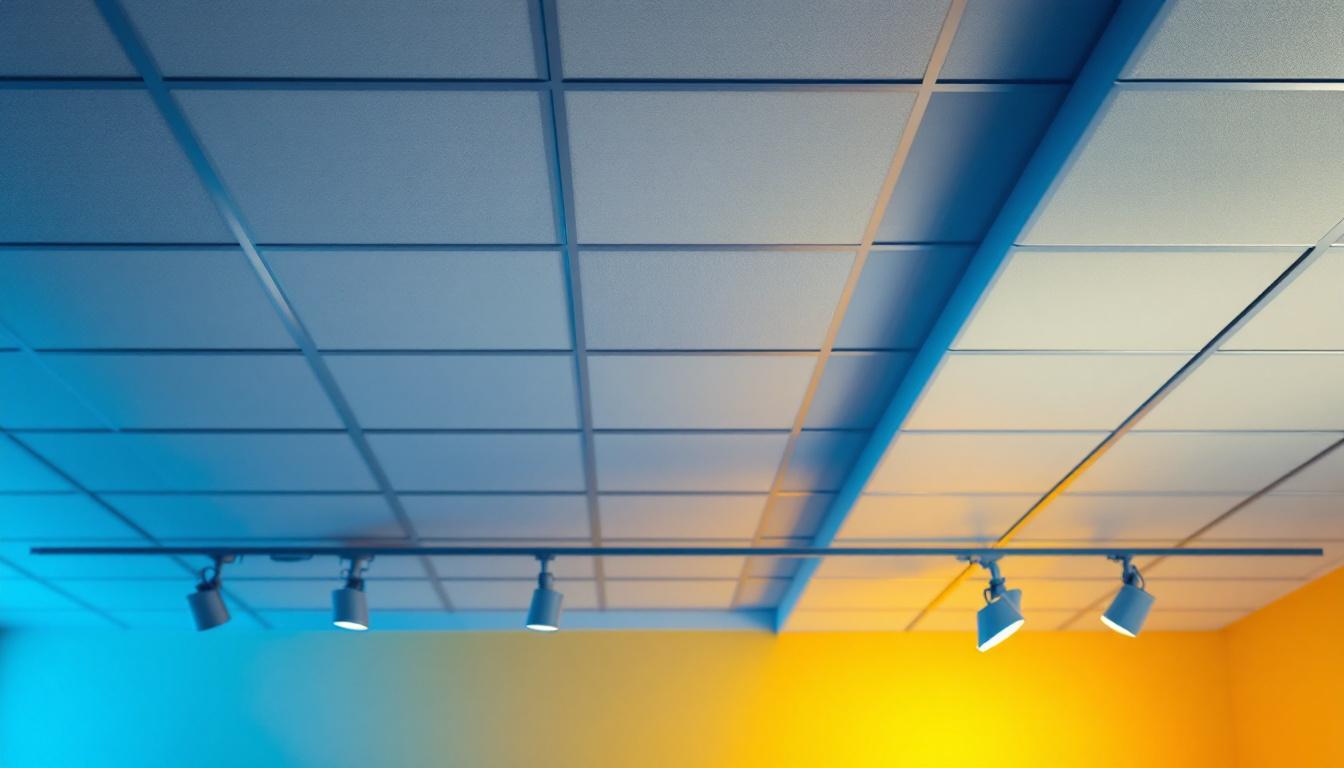
Moreover, the aesthetic aspect of lighting should not be underestimated. The right clearance allows for creative lighting designs that can transform a space. For example, pendant lights can be hung at varying heights to create a dynamic visual effect, while track lighting can be adjusted to highlight specific areas or features within a room. This flexibility in design not only contributes to the functionality of the space but also enhances its overall ambiance, making it more inviting and engaging for occupants.
Additionally, understanding the relationship between drop ceiling clearance and lighting can lead to better compliance with building codes and safety regulations. Many jurisdictions have specific requirements regarding the installation of lighting fixtures in relation to ceiling height and clearance. By adhering to these guidelines, contractors can avoid costly fines and ensure that the lighting setup is safe and effective, ultimately benefiting both the contractor and the end user.
Determining the Minimum Clearance for Drop Ceilings
There is no one-size-fits-all answer to the minimum clearance for drop ceilings because it depends on several factors, including the type of lighting fixture, ceiling grid design, and building codes. However, some general guidelines can help contractors plan effectively.
Standard Clearance Recommendations
Typically, a minimum clearance of 6 to 12 inches above the ceiling tile is recommended to accommodate most standard lighting fixtures. This range allows enough room for fixture housing, wiring, and air circulation. For LED panels, which are often slimmer, the clearance can be closer to the lower end of this range, while fluorescent troffers or fixtures with ballast may require more space.
In spaces where HVAC ducts, sprinkler systems, or other utilities are present above the ceiling, additional clearance may be necessary to avoid conflicts and ensure safety compliance. It’s also worth noting that the type of ceiling tiles chosen can influence the overall height; for instance, heavier tiles might necessitate a sturdier grid system, which could affect the required clearance. Additionally, aesthetic considerations may lead designers to opt for a higher ceiling to create a more open and spacious feel, particularly in commercial environments.
Building Code and Safety Considerations
Local building codes often dictate minimum clearances for fire safety, electrical installations, and accessibility. For example, the National Electrical Code (NEC) requires specific clearances around electrical fixtures to prevent overheating and allow for maintenance access. Fire codes may also require spacing to accommodate sprinkler heads or smoke detectors without obstruction. Furthermore, certain jurisdictions may have unique regulations that address the installation of drop ceilings in specific types of buildings, such as schools or healthcare facilities, where additional safety measures are paramount.
Contractors must consult relevant codes and coordinate with other trades to ensure the drop ceiling clearance meets all safety and functional requirements. This coordination is crucial not only for compliance but also for the overall efficiency of the installation process. Engaging with electrical, plumbing, and HVAC professionals early in the design phase can help identify potential conflicts and streamline the project timeline. Moreover, understanding the implications of clearance on acoustics and soundproofing can lead to better design choices, enhancing the comfort and functionality of the space.
Optimizing Clearance for Different Lighting Types
Each lighting technology has unique space requirements and performance characteristics. Understanding these differences is key to optimizing clearance and maximizing efficiency.
Recessed Lighting Fixtures
Recessed lights, or can lights, are installed above the ceiling grid and require sufficient clearance for the housing and heat dissipation. Standard recessed fixtures often need 6 to 8 inches of clearance, but this varies based on the fixture’s design and insulation contact (IC) rating.
IC-rated fixtures can be installed in direct contact with insulation, which may reduce clearance needs. However, non-IC fixtures require a minimum gap to prevent overheating. Contractors should verify the fixture specifications and local codes before installation.
LED Troffer and Panel Lights
LED troffers and panel lights are popular for their slim profiles and energy efficiency. Many LED panels are designed to fit within a standard 2×2 or 2×4 ceiling tile space and require minimal clearance, sometimes as little as 2 to 3 inches above the ceiling tile.
This low clearance requirement allows for more flexible ceiling designs and can help maintain higher ceiling heights, improving room openness and occupant comfort. However, even with slim panels, adequate space for wiring and ventilation must be maintained.
Fluorescent Fixtures
Fluorescent lighting fixtures generally require more clearance than LED options due to their ballast and tube length. A minimum of 8 to 12 inches is often necessary to accommodate these components and ensure proper heat dissipation.
Given the trend toward LED retrofits, many contractors are replacing fluorescent fixtures with LED equivalents to reduce clearance needs and improve energy efficiency.
Practical Tips for Contractors to Optimize Drop Ceiling Clearance
Lighting contractors face the challenge of balancing clearance requirements with architectural constraints and client expectations. The following strategies can help optimize drop ceiling clearance for maximum lighting efficiency.
Coordinate Early with Architects and Other Trades
Early collaboration with architects, HVAC installers, electrical engineers, and fire safety professionals can prevent clearance conflicts. Understanding the overall ceiling space allocation allows contractors to select appropriate fixtures and plan wiring routes that fit within the available clearance.
For example, coordinating ductwork placement can free up ceiling space for lighting fixtures, reducing the need for deeper housings or complex installations.
Choose Slim and Integrated Lighting Solutions
Advancements in LED technology have produced ultra-thin panels and integrated fixtures that minimize clearance requirements. Selecting these modern options can preserve ceiling height and simplify installation.
Additionally, integrated smart lighting systems often combine sensors and controls within the fixture, reducing the need for separate devices that consume ceiling space.
Account for Maintenance Access
Clearance isn’t just about fitting fixtures; it’s also about ensuring safe and easy access for maintenance. Lighting fixtures should be installed with enough space to allow bulb replacement, cleaning, and repairs without dismantling large sections of the ceiling.
Designing with maintenance in mind reduces downtime and long-term costs, which clients greatly appreciate.
Utilize Reflective Ceiling Tiles
Using high-reflectance ceiling tiles can enhance lighting efficiency by bouncing light deeper into the room. This approach can compensate for lower fixture wattage or fewer fixtures, allowing contractors to optimize fixture placement and clearance without compromising illumination levels.
Case Studies: Clearance Optimization in Real-World Projects
Examining actual projects highlights how clearance considerations impact lighting performance and client satisfaction.
Office Renovation with LED Panels
In a mid-sized office renovation, the contractor faced a ceiling height limitation of 9 feet. By selecting ultra-thin LED panel lights requiring only 3 inches of clearance, the team preserved ceiling height and improved lighting uniformity. Coordination with HVAC installers ensured ductwork was rerouted to maintain clearance, resulting in a bright, comfortable workspace with reduced energy costs.
Healthcare Facility with Recessed Lighting
A healthcare facility required recessed lighting with strict fire code compliance. The contractor specified IC-rated recessed fixtures with 6 inches of clearance, allowing installation directly above the ceiling tiles in insulated spaces. Early coordination with fire safety engineers ensured sprinkler heads were unobstructed, maintaining safety and functionality without sacrificing lighting quality.
Retail Space Using Reflective Tiles and Fluorescent Fixtures
In a retail environment with limited ceiling height, fluorescent fixtures were initially planned. However, the contractor recommended switching to LED troffers with reflective ceiling tiles, reducing clearance needs and improving light distribution. This change enhanced product visibility and customer experience while lowering energy consumption.
Summary: Balancing Clearance, Efficiency, and Practicality
Minimum clearance for drop ceilings is a critical factor in lighting design that impacts fixture choice, energy efficiency, safety, and maintenance. Lighting contractors must carefully evaluate fixture specifications, building codes, and site conditions to determine the appropriate clearance.
Optimizing clearance involves selecting slim, efficient lighting technologies, coordinating with other trades, and considering long-term maintenance needs. Employing reflective ceiling materials further enhances lighting performance and can reduce the number of fixtures required.
Ultimately, thoughtful clearance planning leads to better lighting quality, satisfied clients, and efficient, cost-effective installations. Contractors who master this balance position themselves as trusted experts capable of delivering superior lighting solutions in diverse environments.
Get Your Premium Lighting Supplies at LumenWholesale
Ready to elevate your lighting installations with the right clearance and the best products? Look no further than LumenWholesale for all your lighting needs. Our extensive range of spec-grade lighting products ensures that you have access to the highest quality options for any project, big or small. With unbeatable wholesale prices and the convenience of free shipping on bulk orders, you can trust that you’re getting the best value without any hidden costs. Don’t compromise on quality or price. Wholesale Lighting at the Best Value is just a click away. Make the smart choice and partner with LumenWholesale today for a seamless and cost-effective lighting solution.