Understanding Lumens and Watts: The Basics Every Contractor Should Know
When selecting lighting fixtures or bulbs, the terms lumens and watts often come up, but they represent fundamentally different concepts. Lumens measure the amount of visible light emitted by a source, essentially the brightness. Watts, on the other hand, measure the amount of electrical power consumed. For lighting contractors, understanding this distinction is crucial for making informed recommendations and ensuring client satisfaction.
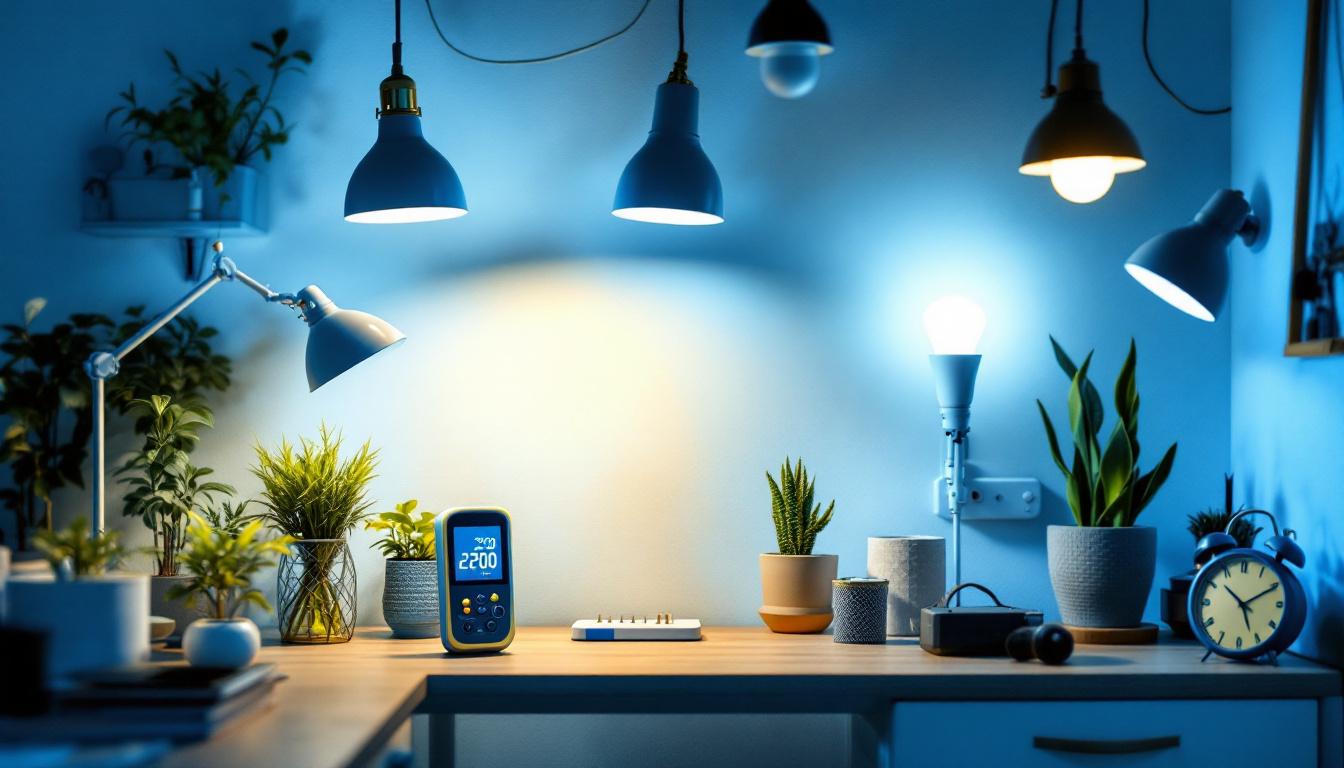
Historically, watts were used as a proxy for brightness because incandescent bulbs had a relatively fixed relationship between power consumption and light output. However, with the rise of energy-efficient technologies like LEDs and CFLs, this relationship has become less straightforward. A 2200-lumen LED bulb may consume just 20 to 30 watts, whereas an incandescent bulb producing the same brightness could require 150 watts or more.
This shift means contractors can no longer rely on wattage alone to gauge brightness. Instead, lumens have become the industry standard for assessing light output, making it essential to convert lumens to watts accurately based on the lighting technology in use.
Moreover, the understanding of lumens and watts extends beyond mere calculations; it also influences the overall design and functionality of lighting in various environments. For instance, in commercial spaces such as offices or retail stores, the right balance of lumens can enhance productivity and create an inviting atmosphere. Contractors must consider not only the quantity of light but also the quality, which includes color temperature and color rendering index (CRI). A well-lit space can significantly impact employee morale and customer experience, making it imperative for contractors to stay informed about the latest advancements in lighting technology.
Additionally, the transition to energy-efficient lighting solutions has led to a growing emphasis on sustainability within the industry. As clients become increasingly conscious of their environmental footprint, contractors are tasked with recommending products that not only meet their lighting needs but also align with eco-friendly practices. This includes understanding the lifecycle of lighting products, from manufacturing to disposal, and advocating for options that minimize waste and energy consumption. By being knowledgeable about lumens and watts, contractors can play a pivotal role in promoting sustainable lighting solutions that benefit both their clients and the planet.
Why 2200 Lumens? Context and Typical Applications
2200 lumens is a common brightness level that suits a variety of residential and commercial lighting needs. For example, a 2200-lumen bulb can effectively illuminate a medium-sized living room, kitchen, or office space. It offers enough brightness for detailed tasks without overwhelming the environment. This level of brightness is particularly advantageous in spaces where activities such as reading, cooking, or working on projects take place, as it strikes a balance between functionality and comfort, ensuring that the light is neither too harsh nor too dim.
In commercial settings, such as retail stores or healthcare facilities, 2200 lumens can provide focused task lighting or ambient illumination depending on fixture placement. Lighting contractors often encounter this brightness level when specifying fixtures for general-purpose lighting or accent lighting. For instance, in a retail environment, strategically placed 2200-lumen fixtures can highlight merchandise displays, drawing customers’ attention while maintaining an inviting atmosphere. Similarly, in healthcare settings, this brightness can aid in creating a calm yet functional environment, essential for both patient comfort and staff efficiency.
Understanding the wattage equivalent of 2200 lumens allows contractors to select energy-efficient options that meet client requirements while optimizing electrical load and minimizing operational costs. With advancements in LED technology, achieving 2200 lumens can be done with significantly lower wattage compared to traditional incandescent bulbs, which not only reduces energy consumption but also extends the lifespan of the lighting fixtures. This shift not only benefits the environment but also aligns with the growing demand for sustainable practices in both residential and commercial sectors.
Moreover, the versatility of 2200 lumens extends to outdoor applications as well. For instance, in outdoor patios or garden spaces, this brightness can create a warm and inviting atmosphere for evening gatherings. Landscape lighting fixtures that emit 2200 lumens can effectively illuminate pathways and highlight architectural features, enhancing both safety and aesthetics. As outdoor living spaces become increasingly popular, understanding how to utilize this brightness level can significantly enhance the functionality and enjoyment of these areas.
Converting 2200 Lumens to Watts: What Lighting Contractors Need to Consider
Lighting Technology Matters
The wattage required to produce 2200 lumens varies significantly depending on the bulb type. Here’s a breakdown of typical wattage ranges for different technologies:
- Incandescent bulbs: Around 150 watts
- Halogen bulbs: Approximately 100-120 watts
- Compact Fluorescent Lamps (CFLs): Roughly 30-40 watts
- Light Emitting Diodes (LEDs): Typically 20-30 watts
LEDs are the most energy-efficient, delivering the same lumen output at a fraction of the power consumption of traditional bulbs. This efficiency translates to lower energy bills and reduced heat output, factors that contractors must weigh when advising clients.
Calculating Wattage Based on Efficacy
Light efficacy, measured in lumens per watt (lm/W), is a useful metric for converting lumens to watts. The formula is simple:
Watts = Lumens ÷ Lumens per Watt
For example, if an LED bulb has an efficacy of 100 lm/W, the wattage for 2200 lumens would be:
2200 ÷ 100 = 22 watts
In contrast, an incandescent bulb with an efficacy of about 15 lm/W would require:
2200 ÷ 15 ≈ 147 watts
Knowing the typical efficacy values for different technologies helps contractors estimate power consumption accurately, even when exact specifications are unavailable.
Practical Considerations When Choosing Lighting for 2200 Lumens
Energy Efficiency and Cost Savings
Energy efficiency is a top priority for most clients. Switching from incandescent or halogen bulbs to LED technology can reduce energy consumption by up to 85% for the same light output. Over the lifespan of a bulb, this translates to significant cost savings on electricity bills.
Contractors should also consider the total cost of ownership, including initial purchase price, installation, maintenance, and replacement frequency. LEDs typically have a higher upfront cost but last much longer-often 25,000 to 50,000 hours compared to 1,000 hours for incandescent bulbs.
Heat Output and Environmental Impact
Lower wattage bulbs produce less heat, which can be a critical factor in enclosed fixtures or heat-sensitive environments. Excess heat can degrade fixture components and increase cooling costs in climate-controlled spaces.
Additionally, energy-efficient lighting reduces greenhouse gas emissions by lowering electricity demand. Clients increasingly expect environmentally responsible solutions, making LEDs the preferred choice for new installations and retrofits.
Color Temperature and Quality of Light
While lumens measure brightness, color temperature affects how the light appears. Measured in Kelvins (K), color temperature ranges from warm (2700K) to cool (5000K+). For a 2200-lumen light source, contractors should consider the intended atmosphere and task requirements.
Warm light (2700K-3000K) creates a cozy, inviting environment suitable for residential and hospitality settings. Cooler light (4000K-5000K) enhances visibility and focus, ideal for offices, retail, and industrial spaces.
Color rendering index (CRI) is another important factor. A high CRI (above 80) ensures colors appear natural and vibrant, which is essential for retail displays, art galleries, and healthcare facilities.
Common Mistakes to Avoid When Specifying 2200 Lumen Lighting
Relying Solely on Wattage
One of the most frequent errors is specifying bulbs based on wattage without considering lumens. This approach can lead to under- or over-lighting spaces, negatively impacting comfort and functionality.
Contractors should always prioritize lumens when determining brightness requirements and then select the appropriate wattage based on the technology chosen.
Ignoring Fixture Compatibility
Not all fixtures are compatible with every bulb type. For example, some LED bulbs may not fit certain recessed cans or dimmer switches. Failing to verify compatibility can result in flickering, reduced bulb life, or even electrical hazards.
Contractors must check manufacturer specifications and, when possible, test samples before finalizing installations.
Overlooking Dimming and Control Options
Dimming capability is increasingly important for energy savings and ambiance control. Not all bulbs labeled as dimmable perform well with every dimmer model, especially LEDs.
Ensuring that 2200-lumen bulbs are compatible with existing or planned control systems prevents costly replacements and client dissatisfaction.
Case Study: Upgrading a Commercial Office to 2200 Lumen LED Lighting
A mid-sized office sought to retrofit its lighting to improve energy efficiency and employee comfort. The existing setup used 150-watt incandescent bulbs producing roughly 2200 lumens each, resulting in high energy costs and excessive heat.
The contractor recommended switching to 22-watt LED bulbs with the same 2200-lumen output. This change reduced energy consumption by over 85%, lowered cooling loads, and improved light quality with a neutral 4000K color temperature and CRI of 90.
The client reported improved employee satisfaction and a noticeable reduction in monthly electricity bills. The longer lifespan of LEDs also decreased maintenance costs and downtime.
Tools and Resources for Lighting Contractors
Several tools can assist contractors in converting lumens to watts and selecting the right bulbs:
- Online lumen-to-watt calculators: These provide quick estimates based on bulb type and efficacy.
- Manufacturer specification sheets: Detailed data on lumens, watts, color temperature, and CRI.
- Lighting design software: Enables simulation of lighting layouts to optimize brightness and energy usage.
Staying current with industry standards and product innovations ensures contractors deliver solutions that meet client expectations and regulatory requirements.
Summary: Making the Right Choice for 2200 Lumens
For lighting contractors, converting 2200 lumens to watts is not a one-size-fits-all calculation. It depends heavily on the technology used, the application, and client priorities like energy efficiency, light quality, and cost.
LED technology stands out as the most efficient and versatile option, offering significant savings and performance benefits. However, understanding efficacy, color temperature, and compatibility issues is essential to avoid pitfalls.
By focusing on lumens as the primary measure of brightness and carefully selecting bulbs that align with project goals, contractors can ensure optimal lighting solutions that satisfy both functional and aesthetic demands.
Get Your 2200 Lumen Lighting Solutions at LumenWholesale
Ready to apply the insights from this guide and choose the right 2200 lumen lighting for your next project? Look no further than LumenWholesale for an unbeatable selection of high-quality, spec-grade lighting products at wholesale prices. We provide the value and convenience you need, with free shipping on bulk orders and no hidden fees. Elevate your lighting game with the efficiency, affordability, and quality that only LumenWholesale can offer. Wholesale Lighting at the Best Value is just a click away. Make the smart choice and partner with us for your lighting needs today.