Understanding the Value of Room Occupancy Sensors
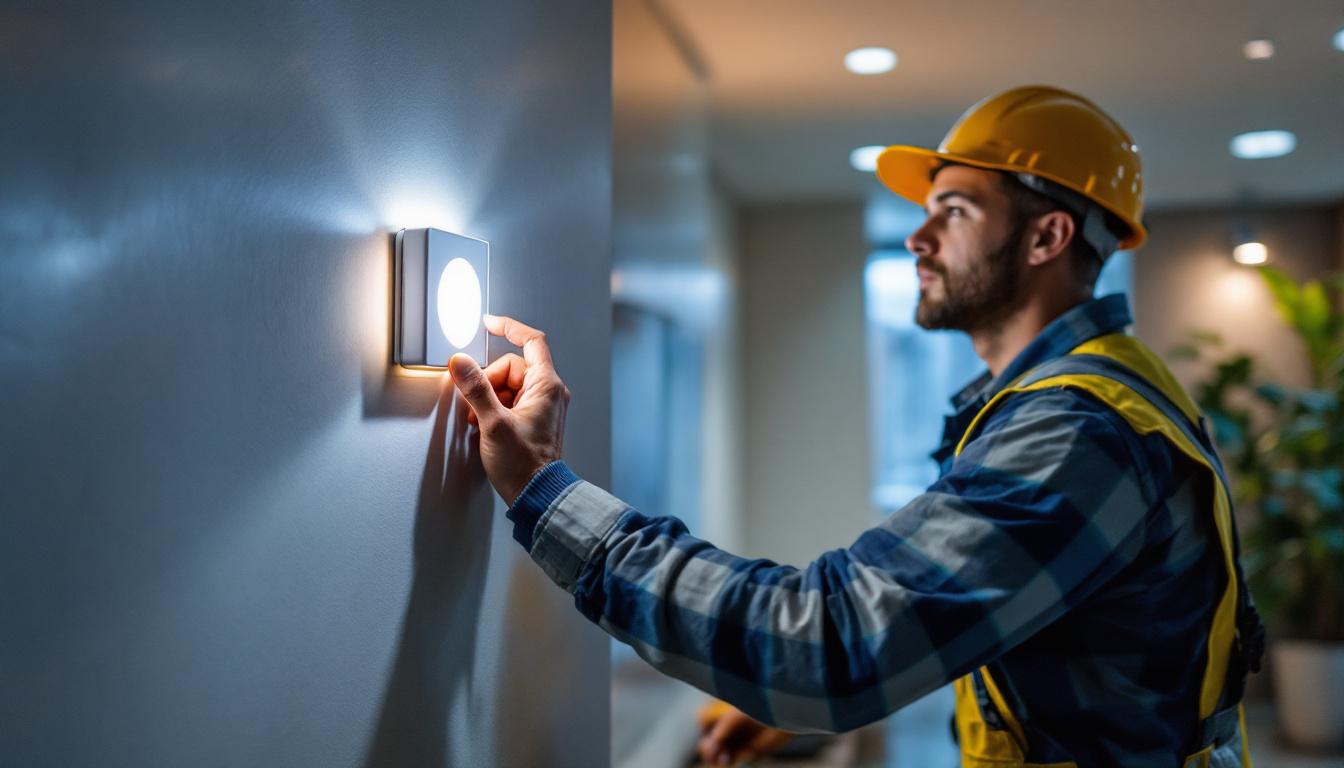
Room occupancy sensors are more than just a trendy add-on for modern lighting systems. They play a crucial role in energy management, occupant comfort, and operational efficiency. For lighting contractors, mastering the integration and optimization of these sensors can set a project apart, delivering measurable benefits to clients.
Energy consumption in commercial buildings can often be reduced by up to 30% through the strategic use of occupancy sensors. This is significant not only for reducing utility costs but also for meeting increasingly stringent building codes and sustainability goals. Recognizing this potential early on helps contractors position themselves as experts in energy-efficient lighting solutions.
But the value of occupancy sensors extends beyond energy savings. They contribute to enhanced occupant experience by ensuring lights are on only when needed, eliminating the frustration of manual switches or poorly timed lighting. This balance of efficiency and convenience is what clients expect from modern lighting installations.
Moreover, the integration of occupancy sensors can also lead to improved safety and security within a space. By ensuring that areas are well-lit when occupied, these sensors can deter potential intruders and create a more welcoming environment for employees and visitors alike. In spaces such as hallways, restrooms, and conference rooms, the automatic adjustment of lighting not only enhances visibility but also fosters a sense of well-being among occupants, promoting productivity and satisfaction.
Additionally, the advent of smart technology has further amplified the capabilities of occupancy sensors. Many modern systems can now be integrated with building management systems (BMS), allowing for real-time data analysis and monitoring. This integration enables facility managers to track usage patterns, optimize energy consumption, and even predict maintenance needs before they become critical. As the demand for smart buildings continues to rise, lighting contractors who are well-versed in these advanced technologies will find themselves at the forefront of the industry, providing clients with innovative solutions that align with the future of sustainable building practices.
Choosing the Right Type of Occupancy Sensor
Passive Infrared (PIR) Sensors
PIR sensors detect heat emitted by occupants, making them highly effective in spaces where movement is consistent and predictable. They are commonly used in offices, conference rooms, and restrooms. One advantage of PIR sensors is their low cost and reliability, but they can struggle in spaces where occupants remain still for long periods.
Lighting contractors should consider the sensor’s field of view and placement carefully to avoid dead zones where movement might not be detected. Ceiling-mounted PIR sensors often provide the best coverage, but wall-mounted options can be useful in smaller or uniquely shaped rooms. Additionally, the sensitivity settings on PIR sensors can often be adjusted to accommodate different room sizes and occupant behaviors, ensuring optimal performance in various environments. Understanding the thermal characteristics of the space can also enhance the effectiveness of these sensors, as factors like heating vents or large windows can influence detection.
Ultrasonic Sensors
Ultrasonic sensors emit high-frequency sound waves and detect changes in the reflected waves caused by movement. These sensors are more sensitive to minor motions, making them suitable for areas where occupants may be stationary for extended times, like private offices or classrooms.
However, ultrasonic sensors can be prone to false triggers from vibrations or air movement, so proper installation and calibration are essential. Combining ultrasonic sensors with PIR sensors in dual-technology models can mitigate individual weaknesses, offering more reliable occupancy detection. Furthermore, ultrasonic sensors can cover larger areas than PIR sensors, making them ideal for open spaces or large conference rooms where multiple occupants may be present at once. The ability to adjust the sensitivity and range of these sensors allows for greater customization, ensuring that they perform optimally in various settings.
Dual-Technology Sensors
Dual-technology sensors combine PIR and ultrasonic technologies to leverage the strengths of both. They reduce false positives and negatives, providing more accurate occupancy detection. For lighting contractors, these sensors offer a versatile solution adaptable to a wide range of environments.
While dual-technology sensors tend to be more expensive, their improved performance often justifies the investment, especially in high-traffic or multi-use spaces. Contractors should evaluate the client’s specific needs and budget to recommend the most appropriate sensor type. Additionally, dual-technology sensors can be programmed to operate in different modes, such as energy-saving or occupancy-based lighting, allowing for further customization based on the specific usage patterns of the space. This flexibility not only enhances user comfort but can also lead to significant energy savings over time, making them an attractive option for environmentally-conscious clients looking to reduce their carbon footprint.
Best Installation Practices for Reliable Performance
Optimal Sensor Placement
Placement is critical. Sensors must cover the entire room without blind spots. For example, in rectangular rooms, placing sensors near entry points and in corners can maximize coverage. Avoid positioning sensors near heat sources, vents, or windows to prevent false readings triggered by temperature fluctuations or sunlight.
Lighting contractors should also consider the height at which sensors are installed. Ceiling-mounted sensors typically cover a wider area but may miss subtle movements close to the floor. Wall-mounted sensors can complement ceiling units by detecting motion at lower levels. Additionally, it is important to evaluate the room’s layout and furniture placement, as obstacles can impede sensor effectiveness. For instance, large furniture pieces can block the line of sight, leading to areas that remain unmonitored. Therefore, a thorough assessment of the space before installation can ensure optimal sensor performance.
Calibration and Sensitivity Settings
Each space has unique characteristics that affect sensor performance. Adjusting sensitivity settings ensures the sensor responds appropriately to occupant presence without triggering unnecessarily. For instance, in a quiet office, a sensor set too sensitive might switch lights off while occupants are still present but sitting still.
Contractors should test sensors after installation, simulating typical room usage to fine-tune settings. Many modern sensors offer adjustable time delays and sensitivity controls, allowing customization to match the client’s operational patterns. Furthermore, it’s beneficial to educate clients on how these settings can be adjusted over time as their needs change, ensuring that the system remains effective and efficient. Regular maintenance checks can also help in recalibrating sensors to adapt to any changes in the room’s layout or usage patterns, thereby maintaining optimal performance.
Integration with Lighting Controls
Occupancy sensors are most effective when integrated seamlessly with lighting control systems. This integration enables features like daylight harvesting, dimming, and scheduling, which further enhance energy savings and occupant comfort.
Contractors should ensure compatibility between sensors and lighting control panels, verifying communication protocols and power requirements. Proper integration also simplifies maintenance and troubleshooting by centralizing control and monitoring. Additionally, integrating sensors with building management systems can provide valuable data analytics, allowing facility managers to track energy usage trends and optimize performance further. This data can inform decisions on future upgrades or expansions, ensuring that the lighting system evolves alongside the building’s needs. By leveraging technology, contractors can provide clients with a comprehensive solution that not only meets current requirements but also anticipates future demands.
Addressing Common Challenges and Troubleshooting
False Triggers and Non-Detection
False triggers can frustrate occupants and waste energy, while non-detection can leave spaces unlit when occupied. Common causes include improper placement, incorrect sensitivity settings, and environmental factors like drafts or reflective surfaces.
Lighting contractors should conduct thorough site assessments to identify potential sources of interference. Using dual-technology sensors can reduce false triggers, but sometimes physical adjustments, such as repositioning the sensor or shielding it from direct sunlight, are necessary.
Maintenance and Longevity
Regular maintenance ensures sensors continue to perform optimally. Dust accumulation, paint, or physical damage can degrade sensor function over time. Contractors should educate clients on simple upkeep tasks and recommend periodic professional inspections.
Replacing batteries in wireless sensors or updating firmware in smart sensors also contributes to longevity. Establishing a maintenance schedule as part of the project handover can prevent performance issues and extend the system’s useful life.
Maximizing Client Satisfaction and Project Success
Educating Clients on Sensor Benefits
Clients often appreciate understanding how occupancy sensors contribute to energy savings and comfort. Lighting contractors who explain the technology’s advantages clearly can build trust and justify investment in higher-quality sensors or more complex control systems.
Providing data or case studies demonstrating energy reductions and return on investment can be persuasive. Additionally, highlighting compliance with energy codes and green building certifications adds value to the installation.
Customization and Flexibility
Every project has unique requirements. Offering customizable sensor solutions-such as adjustable sensitivity, multiple detection zones, or integration with building management systems-allows contractors to tailor installations precisely to client needs.
Flexibility also means planning for future upgrades. Selecting sensors and control systems that support firmware updates or modular expansion can protect the client’s investment and simplify future enhancements.
Documentation and Support
Providing comprehensive documentation, including sensor locations, settings, and maintenance recommendations, empowers clients to manage their lighting systems effectively. Clear instructions reduce service calls and enhance user satisfaction.
Contractors should also offer ongoing support options, whether through service contracts or remote monitoring. This proactive approach can identify issues early and maintain system performance over time.
Conclusion: Elevating Lighting Installations with Occupancy Sensors
Room occupancy sensors are a powerful tool in the lighting contractor’s arsenal. When selected, installed, and maintained correctly, they deliver tangible benefits in energy efficiency, occupant comfort, and operational reliability. Understanding the nuances of sensor technologies, mastering installation best practices, and prioritizing client education are key to successful projects.
Lighting contractors who embrace these best practices not only enhance their technical expertise but also build stronger client relationships and secure a competitive edge in the market. Occupancy sensors are more than components-they are integral to smarter, more sustainable lighting solutions.
Discover Unmatched Value with LumenWholesale
Ready to elevate your lighting installations with the most efficient room occupancy sensors on the market? At LumenWholesale, we provide lighting contractors with the highest quality, spec-grade lighting products at prices that can’t be beaten. Say goodbye to unnecessary markups and hello to a vast selection of reliable, high-performance lighting solutions that meet the most rigorous industry standards. Plus, with free shipping on bulk orders, you can stock up on premium lighting without worrying about hidden fees. Make your next project a shining example of energy efficiency and occupant comfort. Wholesale Lighting at the Best Value is just a click away. Experience the LumenWholesale difference today!