Understanding the Impact of Storefront Lighting
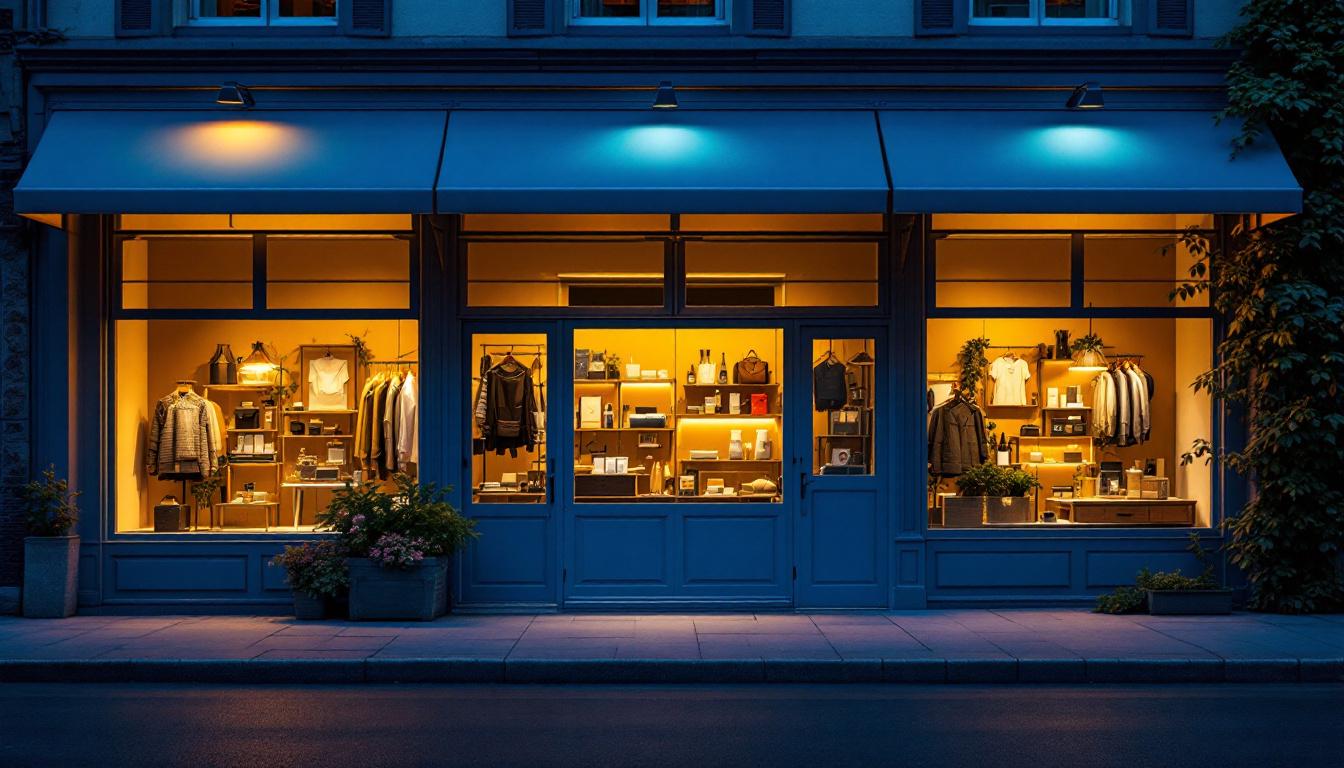
Storefront lighting is more than just illumination; it’s a powerful tool that shapes customer perception and drives foot traffic. A well-lit storefront invites curiosity, highlights merchandise, and enhances brand identity. On the other hand, poor lighting can deter customers, waste energy, and inflate costs. For lighting contractors, the challenge lies in balancing aesthetics, functionality, and efficiency without overshooting budgets or compromising quality.
Many costly mistakes stem from underestimating the complexity of storefront lighting. It’s not just about putting up lights; it’s about crafting an experience. The right lighting can extend shopping hours, improve safety, and even reduce maintenance expenses. Understanding these factors upfront saves time and money in the long run.
Moreover, the choice of lighting can significantly influence the mood and atmosphere of a retail space. Warm, inviting tones may encourage customers to linger longer, while cooler, brighter lights can create a sense of urgency, prompting quicker purchasing decisions. Additionally, the strategic placement of lights can draw attention to specific products or areas within the store, effectively guiding customer flow and enhancing the shopping experience. Retailers must consider the psychological effects of different lighting styles and colors, as they can evoke emotions and influence buying behavior.
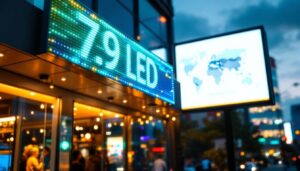
Another critical aspect is the integration of energy-efficient lighting solutions, such as LED technology, which not only reduces utility costs but also aligns with growing consumer preferences for sustainability. Many shoppers today are more environmentally conscious and are likely to support businesses that demonstrate a commitment to eco-friendly practices. By investing in energy-efficient lighting, retailers can not only save money but also enhance their brand image, making them more appealing to a broader audience. The combination of aesthetic appeal, functionality, and sustainability in storefront lighting ultimately creates a compelling narrative that resonates with customers and fosters loyalty.
Common Pitfalls in Storefront Lighting Projects
Ignoring the Store’s Brand and Architecture
One of the biggest errors is neglecting the unique style and architecture of the building. Storefront lighting should complement and enhance the structure, not clash with it. For example, a modern minimalist store requires different lighting techniques than a historic brick façade. Overly bright or mismatched lighting can confuse customers and dilute brand messaging.
Lighting contractors must collaborate closely with architects and designers to ensure the lighting scheme aligns with the store’s identity. This collaboration prevents costly redesigns and ensures the final installation feels cohesive and intentional. Additionally, the choice of fixtures should reflect the brand’s ethos; a luxury retailer may opt for elegant, understated fixtures, while a playful, trendy shop might choose bold, artistic designs. The interplay of light and shadow can also highlight architectural features, drawing attention to the store’s unique characteristics and inviting customers to explore further.
Overlooking the Importance of Color Temperature
Color temperature plays a crucial role in how a storefront is perceived. Lights that are too cool (blueish) may feel harsh and uninviting, while overly warm lights can distort colors and reduce visibility. The wrong choice can make merchandise look unappealing or create an uncomfortable atmosphere.
Choosing the right color temperature requires understanding the store’s target audience and the type of products sold. For instance, a clothing boutique benefits from neutral white lighting that accurately renders colors, whereas a café might opt for warmer tones to create a cozy ambiance. Furthermore, it’s essential to consider how different lighting conditions can affect customer behavior; studies have shown that the right color temperature can enhance mood and encourage longer shopping durations. Retailers should also experiment with adjustable lighting systems that allow them to change color temperatures throughout the day, aligning with natural light variations and optimizing the shopping experience.
Failing to Plan for Energy Efficiency
Energy costs can quickly spiral out of control if efficiency is not prioritized. Using outdated or inappropriate lighting fixtures leads to excessive power consumption and frequent replacements. This mistake is not just costly upfront but burdens operational budgets for years.
LED technology has revolutionized storefront lighting by offering high efficiency, long lifespan, and superior light quality. Contractors should recommend LED solutions whenever possible and incorporate smart controls like dimmers, timers, and motion sensors to optimize energy use. Additionally, integrating energy-efficient lighting systems can enhance a store’s sustainability profile, appealing to environmentally conscious consumers. Retailers should also consider the potential for tax incentives or rebates for implementing energy-efficient technologies, which can further offset initial costs while contributing to a greener future. Regular maintenance and upgrades to lighting systems can ensure that energy efficiency is maintained over time, keeping operational costs low and performance high.
Key Strategies to Avoid Costly Mistakes
Conduct a Thorough Site Assessment
Before any installation, a detailed site assessment is essential. This includes analyzing the building’s exterior, surrounding environment, and existing electrical infrastructure. Understanding these factors helps identify potential challenges such as glare issues, shadows, or wiring limitations.
Site assessments also reveal opportunities for creative lighting placements that enhance visibility and appeal. For example, highlighting architectural details or signage can make a storefront stand out after dark.
Develop a Comprehensive Lighting Plan
A robust lighting plan outlines the types of fixtures, placement, power requirements, and control systems. It acts as a blueprint that guides the entire project and ensures consistency. Skipping this step often leads to mismatched components, installation delays, and budget overruns.
Include detailed drawings and specifications in the plan, and review them with the client and other stakeholders. This collaborative approach minimizes misunderstandings and ensures everyone shares the same vision.
Select Fixtures Based on Performance and Durability
Not all lighting fixtures are created equal. Choosing cheap or inappropriate fixtures can result in frequent failures, poor light quality, and increased maintenance costs. For storefronts exposed to weather, durability is paramount.
Opt for fixtures rated for outdoor use with appropriate ingress protection (IP) ratings. Fixtures should withstand rain, dust, temperature fluctuations, and potential vandalism. Investing in quality upfront reduces long-term headaches and replacement expenses.
Incorporate Smart Lighting Controls
Smart controls offer flexibility and cost savings. Timers ensure lights operate only during business hours, while dimmers adjust brightness based on ambient light or time of day. Motion sensors can activate lighting only when movement is detected, reducing unnecessary energy use.
Integrating these controls into the lighting system enhances efficiency and extends fixture lifespan. Contractors should educate clients on the benefits and usability of these technologies to encourage adoption.
Installation Best Practices
Proper Wiring and Electrical Safety
Electrical safety cannot be compromised. Faulty wiring or improper grounding not only risks equipment damage but also endangers people. Contractors must adhere to local codes and standards, ensuring all connections are secure and protected against moisture.
Using weatherproof junction boxes and conduit protects wiring from environmental hazards. Regular inspections during installation catch potential issues early, preventing costly rework.
Focus on Uniformity and Glare Control
Uneven lighting or excessive glare can create uncomfortable environments and reduce the effectiveness of the lighting. Fixtures should be positioned to distribute light evenly across the storefront, avoiding dark spots or overly bright areas.
Glare control techniques, such as using shields, louvers, or diffusers, improve visual comfort and enhance the storefront’s appearance. Proper aiming and angling of fixtures are critical to achieving this balance.
Test and Adjust After Installation
Once installed, it’s essential to test the lighting system under real conditions. Observe how the light interacts with the storefront at night and make adjustments as needed. Minor tweaks in fixture angles or brightness levels can significantly improve the overall effect.
Documenting these adjustments helps create a reference for future maintenance and ensures the client is satisfied with the final result.
Maintenance and Long-Term Considerations
Establish a Routine Maintenance Schedule
Regular maintenance keeps storefront lighting performing at its best. Cleaning fixtures, checking for damage, and replacing bulbs or components proactively prevent failures that disrupt business operations.
Contractors should provide clients with a maintenance plan tailored to the specific lighting system. This plan might include seasonal inspections and prompt responses to any issues.
Plan for Upgrades and Scalability
Technology evolves quickly, and lighting systems should be adaptable to future improvements. Designing with scalability in mind allows clients to upgrade components or expand lighting coverage without starting from scratch.
Modular fixtures, compatible control systems, and accessible wiring facilitate upgrades. Discussing these options upfront positions contractors as forward-thinking partners.
Case Study: Avoiding Mistakes in a Retail Storefront Project
A lighting contractor was tasked with illuminating a high-end fashion boutique located in a historic district. The initial plan involved installing bright, cool-white floodlights to maximize visibility. However, after a thorough site assessment, the contractor identified several issues:
- The cool-white lights clashed with the warm tones of the brick façade.
- Floodlights caused glare on the large display windows, obscuring merchandise.
- The electrical system was outdated and incapable of supporting high-power fixtures efficiently.
By revising the plan, the contractor chose warm-white LED accent lighting with adjustable beam angles to highlight architectural details and merchandise displays. Smart controls were installed to dim lights during off-hours, reducing energy consumption. The electrical system was upgraded to meet current standards, ensuring safety and reliability.
The result was a visually stunning storefront that attracted more customers and lowered operational costs. This project underscores the importance of thorough planning and attention to detail in avoiding costly mistakes.
Final Thoughts
Storefront lighting is a critical element that influences customer engagement and operational efficiency. Avoiding common mistakes requires a strategic approach that considers the store’s brand, architectural features, energy efficiency, and long-term maintenance. Lighting contractors who prioritize thorough assessments, quality fixtures, smart controls, and professional installation set themselves apart and deliver lasting value to their clients.
Investing time and expertise upfront prevents costly errors and ensures storefront lighting projects shine brightly for years to come.
Illuminate Your Projects with LumenWholesale
Ready to elevate your storefront lighting projects with the perfect balance of quality and value? At LumenWholesale, we provide contractors with exceptional, spec-grade lighting products that transform any space while keeping your budget in check. Say goodbye to inflated markups and hello to a vast selection of industry-standard lighting solutions, all with the convenience of free shipping on bulk orders. Don’t let costly mistakes dim your project’s potential. Choose LumenWholesale for lighting that shines in performance and price. Discover our unbeatable wholesale deals and make your next lighting project a dazzling success by visiting Wholesale Lighting at the Best Value.