Understanding the Unique Challenges of Exterior Apartment Lighting
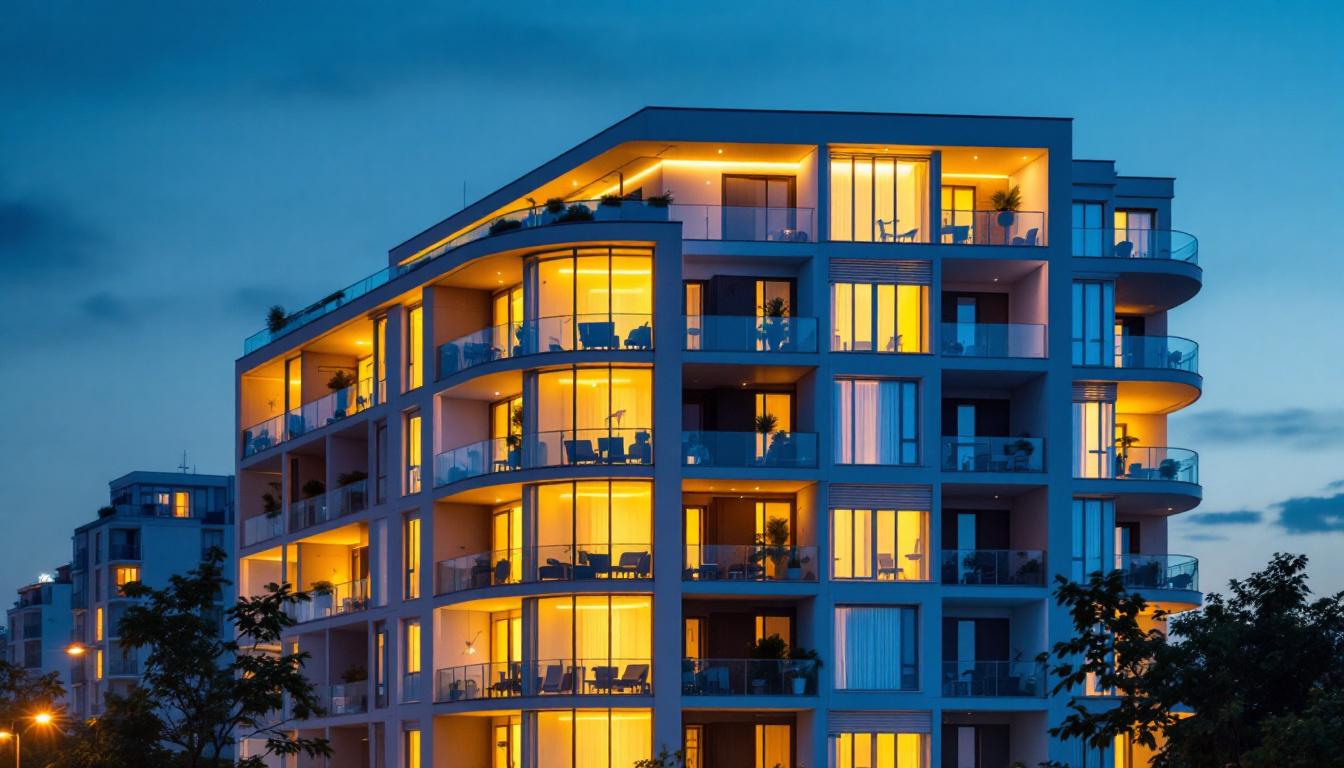
Lighting contractors face a distinct set of challenges when working on exterior apartment buildings. Unlike single-family homes or commercial properties, apartment complexes require a balance between safety, aesthetics, and energy efficiency. These buildings often have multiple entry points, walkways, parking areas, and communal spaces that all need appropriate illumination.
One of the biggest hurdles is managing the scale. Exterior apartment buildings can span large areas with varying lighting needs, from dimly lit corridors to brightly illuminated parking lots. This diversity demands a strategic approach to lighting design and installation, ensuring every area is adequately lit without wasting resources. For instance, using smart lighting technology can help contractors adjust brightness levels based on the time of day or occupancy, thus optimizing energy consumption while maintaining safety and comfort for residents.
Additionally, contractors must consider the preferences and safety concerns of residents, property managers, and local regulations. Lighting that is too harsh or poorly placed can lead to complaints or even violations. Conversely, insufficient lighting can create safety hazards and increase liability risks. Furthermore, the aesthetic aspect cannot be overlooked; the lighting design should complement the architectural style of the building and enhance the overall ambiance of the community. Thoughtful integration of decorative fixtures can elevate the visual appeal while still serving functional purposes, such as illuminating pathways and entrances.
Moreover, environmental considerations play a significant role in modern lighting design. With the growing emphasis on sustainability, contractors are increasingly opting for LED fixtures that not only consume less energy but also have a longer lifespan compared to traditional bulbs. This shift not only reduces operational costs for property managers but also aligns with the eco-friendly values many residents prioritize. Additionally, the use of solar-powered lights in outdoor areas can be a viable option, especially in regions with ample sunlight, further minimizing the carbon footprint of the apartment complex.
Finally, the integration of smart technology into exterior lighting systems is becoming more prevalent. Features such as motion sensors, timers, and remote control capabilities allow for greater flexibility and responsiveness to the needs of the residents. These advancements not only enhance security by ensuring that lights are activated in response to movement but also contribute to energy savings by ensuring lights are only on when necessary. As these technologies evolve, they present new opportunities for contractors to create innovative lighting solutions that meet the demands of modern apartment living.
Energy Efficiency: The Key to Long-Term Savings
Leveraging LED Technology
LED lighting has revolutionized exterior lighting for apartment buildings. These fixtures consume significantly less energy than traditional incandescent or fluorescent bulbs, while offering longer lifespans and superior durability. For lighting contractors, specifying LED solutions can dramatically reduce energy costs for property owners and minimize maintenance calls.
Modern LED fixtures also come with advanced features such as dimming capabilities, motion sensors, and smart controls. These allow lighting to adapt based on occupancy or ambient light levels, ensuring lights are only on when needed. For example, walkways can remain dim during late-night hours but brighten when motion is detected, enhancing safety without wasting electricity. Additionally, the color temperature of LEDs can be adjusted to create a more inviting atmosphere, which can be particularly beneficial in communal areas where residents gather, fostering a sense of community and well-being.
Smart Controls and Automation
Incorporating smart lighting controls is another effective way to boost efficiency. Systems that integrate timers, photocells, and occupancy sensors enable automated operation, reducing the need for manual intervention. This not only saves energy but also extends the lifespan of fixtures by preventing unnecessary use.
Some contractors have started implementing centralized control platforms that allow property managers to monitor and adjust lighting remotely. This capability is especially useful for large apartment complexes where physical checks can be time-consuming and costly. Furthermore, these smart systems can provide valuable data analytics, allowing property managers to track energy usage patterns and identify areas for further improvement. By analyzing this data, managers can make informed decisions on when to upgrade fixtures or adjust settings, ultimately leading to even greater energy savings and enhanced tenant satisfaction.
Design Considerations for Optimal Lighting Performance
Balancing Brightness and Glare
Effective exterior lighting must provide sufficient brightness without causing glare. Glare can be uncomfortable for residents and passersby, and it may even reduce visibility by creating harsh contrasts. Lighting contractors should select fixtures with appropriate shielding and beam angles to direct light precisely where it’s needed.
Using fixtures with adjustable heads or lenses can help tailor the lighting to specific areas, such as entrances, stairwells, or parking spots. This customization ensures that each zone receives the right amount of light, improving both safety and energy efficiency. Additionally, incorporating dimmable fixtures allows for further control over brightness levels, enabling adjustments based on time of day or specific events. This flexibility not only enhances the functionality of the space but also contributes to energy conservation by reducing unnecessary illumination during off-peak hours.
Color Temperature and Aesthetics
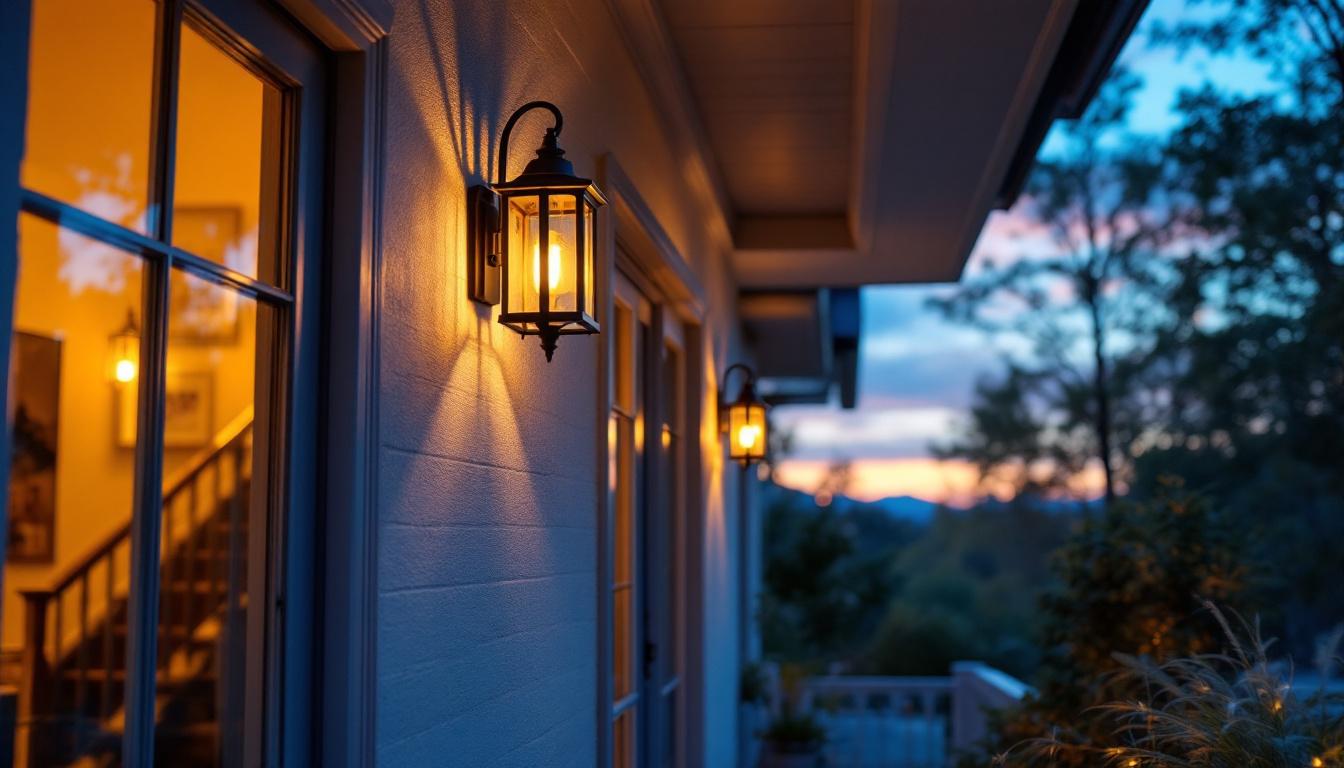
Color temperature plays a crucial role in setting the mood and appearance of exterior spaces. Cooler temperatures (4000K to 5000K) tend to mimic daylight and improve visibility, making them suitable for security lighting. Warmer temperatures (2700K to 3000K) create a welcoming, cozy atmosphere, ideal for entrances and communal areas.
Lighting contractors should work closely with property managers to select color temperatures that complement the building’s architectural style and meet residents’ preferences. Consistency in color temperature across fixtures also contributes to a cohesive look. Furthermore, the choice of color temperature can influence the perception of safety and comfort in outdoor environments. For instance, a well-lit pathway with a cooler color temperature can enhance visibility and deter unwanted activity, while warmer lighting in social spaces can encourage interaction and relaxation. The strategic use of color temperature not only enhances aesthetics but also plays a pivotal role in shaping the overall experience of the space.
Installation Best Practices to Enhance Efficiency
Planning and Site Assessment
Before installation, a thorough site assessment is essential. Contractors should evaluate existing infrastructure, identify potential obstacles, and understand the specific lighting requirements of each area. Mapping out the project in detail helps avoid costly mistakes and ensures the installation proceeds smoothly.
Documenting power sources, conduit paths, and mounting points allows for efficient material procurement and minimizes on-site adjustments. This preparation also helps in estimating labor hours accurately, which benefits both contractors and clients. Additionally, engaging with stakeholders during this phase can provide valuable insights into user preferences and operational needs, ensuring that the final installation aligns with expectations and enhances user satisfaction.
Furthermore, utilizing advanced tools such as drones or 3D mapping software can significantly enhance the assessment process. These technologies allow for a more comprehensive analysis of the site, enabling contractors to visualize potential challenges from various angles and plan accordingly. By investing time in this initial phase, teams can set a solid foundation for a successful installation, ultimately leading to improved efficiency and reduced downtime during the project.
Using Modular and Pre-Assembled Components
To speed up installation and reduce errors, many contractors now rely on modular lighting systems and pre-assembled components. These solutions simplify wiring and mounting, allowing teams to complete projects faster without sacrificing quality.
Pre-assembled fixtures often come with integrated sensors and controls, reducing the need for additional wiring and programming. This approach not only cuts down labor costs but also minimizes the chances of installation defects that could impact performance. Moreover, the use of modular components allows for greater flexibility in design, enabling contractors to easily adapt to changes in project scope or client preferences without significant delays.
Additionally, these modular systems are often designed with future upgrades in mind. As technology evolves, having a lighting system that can be easily modified or expanded without extensive rework is a significant advantage. This adaptability not only extends the lifespan of the installation but also provides clients with peace of mind, knowing that their investment can evolve alongside advancements in lighting technology and energy efficiency standards.
Maintenance Strategies That Save Time and Money
Routine Inspections and Preventive Care
Regular maintenance is vital for sustaining lighting efficiency over time. Contractors can offer maintenance plans that include routine inspections, cleaning, and timely replacement of components. Preventive care helps catch issues before they escalate, reducing downtime and emergency repairs.
For apartment complexes, scheduling maintenance during off-peak hours minimizes disruption to residents. Clear communication about maintenance activities also fosters trust and satisfaction among property managers and tenants.
Utilizing Diagnostic Tools
Advancements in diagnostic technology enable contractors to monitor lighting systems remotely and identify faults quickly. Tools such as thermal imaging cameras and smart sensors can detect overheating, wiring problems, or fixture failures early on.
By leveraging these tools, contractors can provide proactive service, enhancing the reliability of exterior lighting and extending the lifespan of installations. This proactive approach ultimately benefits all stakeholders by reducing costs and improving safety.
Case Study: Efficient Lighting Upgrade in a Mid-Sized Apartment Complex
A recent project involved upgrading the exterior lighting of a 150-unit apartment complex. The existing system relied on outdated metal halide fixtures that consumed excessive power and required frequent maintenance. The contractor proposed a comprehensive LED retrofit combined with smart controls.
Installation was completed in phases to minimize disruption. The new LED fixtures reduced energy consumption by over 60%, and the addition of motion sensors and timers further optimized usage. Property managers reported fewer maintenance calls and positive feedback from residents regarding improved lighting quality and safety.
This project highlights how thoughtful design and modern technology can deliver significant efficiency gains and enhance tenant satisfaction.
Conclusion: Elevating Your Lighting Projects with Efficiency and Expertise
Exterior apartment building lighting presents unique challenges that require a strategic and knowledgeable approach. Lighting contractors who embrace energy-efficient technologies, smart controls, and thoughtful design can deliver superior results that benefit property owners, residents, and their own bottom line.
Efficiency is not just about cutting costs; it’s about creating safer, more attractive environments that stand the test of time. By adopting best practices in planning, installation, and maintenance, contractors position themselves as trusted partners in the evolving landscape of exterior lighting.
Illuminate Your Projects with LumenWholesale
Ready to elevate your lighting projects with efficiency and expertise? At LumenWholesale, we support your goals by providing top-quality, spec-grade lighting products at unbeatable wholesale prices. Say goodbye to inflated markups and hello to a vast selection of industry-standard, reliable lighting solutions that will make your exterior apartment building projects shine. Plus, with free shipping on bulk orders, you can trust that you’re getting premium lighting at the best value — without any hidden fees. Make the smart choice for your business and explore our wholesale lighting options today to create safer, more attractive environments effortlessly.