Understanding Exterior Light Sconces
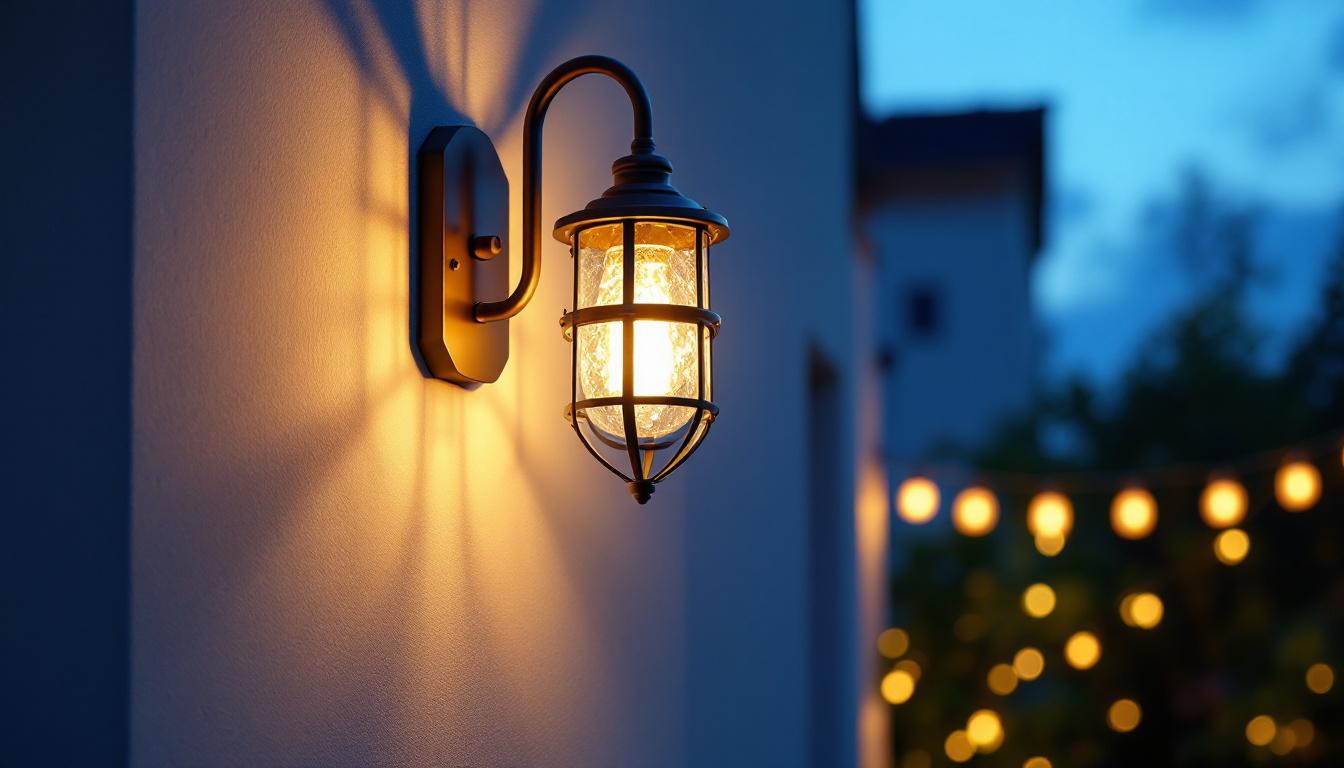
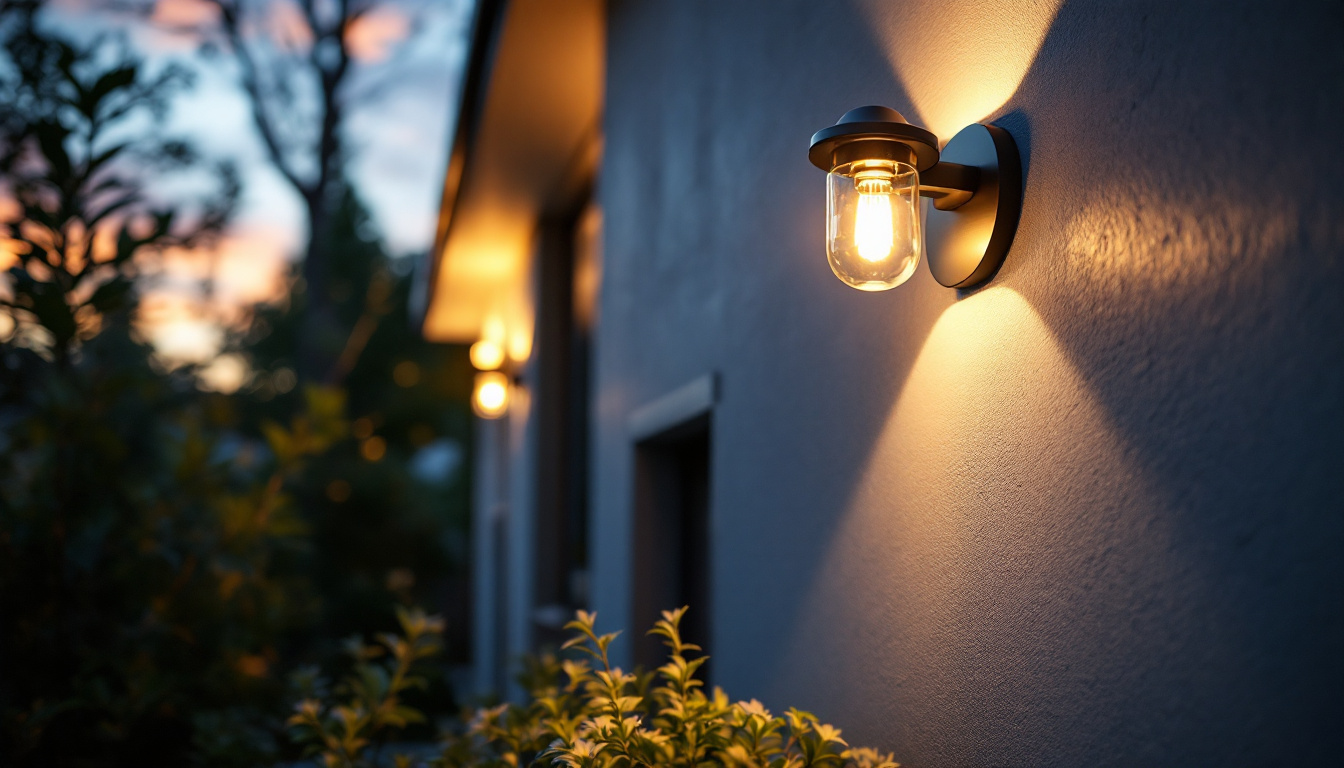
Exterior light sconces are an essential component in outdoor lighting design, serving both functional and aesthetic purposes. These fixtures are typically mounted on walls and can illuminate pathways, entrances, and outdoor living spaces. Their design can range from traditional to contemporary, making them versatile enough to complement various architectural styles.
For lighting contractors, selecting the right type of exterior light sconce is crucial. Not only do these fixtures enhance the visual appeal of a property, but they also contribute to safety and security. The right choice can transform an outdoor space, making it inviting and usable after dark. Additionally, well-placed sconces can highlight architectural features, creating a more dynamic and visually interesting environment. By strategically positioning these fixtures, contractors can guide guests along pathways or draw attention to landscaping elements, further enhancing the overall outdoor experience.
Types of Exterior Light Sconces
When considering exterior light sconces, it is important to understand the different types available. Wall-mounted sconces generally fall into several categories, including traditional, modern, and decorative styles. Each type serves a unique purpose and can significantly impact the overall look of a space.
Traditional sconces often feature ornate designs and materials such as wrought iron or brass, lending a classic feel to a home. Modern sconces, on the other hand, tend to have sleek lines and minimalist designs, appealing to contemporary tastes. Decorative sconces can incorporate artistic elements, making them a focal point in outdoor areas. Furthermore, some sconces are designed with adjustable heads, allowing homeowners to direct light where it is needed most, whether for safety or ambiance. This adaptability can be particularly beneficial in spaces that serve multiple functions, such as patios or decks.
Key Features to Consider
When selecting exterior light sconces, lighting contractors should consider several key features. First, the material of the fixture is important; options like aluminum, stainless steel, and glass offer varying levels of durability and aesthetic appeal. Additionally, the finish of the sconce can affect its resistance to weather elements, which is crucial for outdoor installations.
Another vital consideration is the type of bulb used in the fixture. LED bulbs are increasingly popular due to their energy efficiency and longevity. Contractors should also evaluate the brightness and color temperature of the light, as these factors can significantly influence the ambiance of the outdoor space. Moreover, many modern sconces come equipped with smart technology, allowing homeowners to control lighting remotely or set schedules for when the lights should turn on and off. This feature not only enhances convenience but also contributes to energy savings, making it an attractive option for eco-conscious consumers.
Comparing Alternatives to Sconces
While exterior light sconces are a popular choice for outdoor lighting, there are several alternatives that contractors may consider. Each option has its own set of advantages and disadvantages, making it essential to evaluate them based on the specific needs of the project.
Post Lights
Post lights are a common alternative to wall-mounted sconces. These fixtures are typically installed on posts or columns and can illuminate larger areas, such as driveways or gardens. They provide a different aesthetic than sconces, often giving a more open and expansive feel to outdoor spaces.
One of the main advantages of post lights is their height, which allows for broader illumination. However, they may not be suitable for all areas, especially smaller or more confined spaces where wall-mounted options could be more effective. Additionally, post lights come in a variety of styles and finishes, allowing homeowners to choose designs that complement their exterior decor, from traditional lantern styles to sleek modern designs, enhancing the overall curb appeal of the property.
Recessed Lighting
Recessed lighting is another alternative that can provide a sleek and modern look. These fixtures are installed directly into the ceiling or wall, creating a clean and unobtrusive appearance. Recessed lighting can be particularly effective in covered outdoor areas, such as patios or porches, where they can provide ambient light without taking up visual space.
However, contractors should consider the installation requirements for recessed lighting, as they may involve more complex electrical work compared to sconces. Additionally, recessed lights may not provide the same level of directional lighting that sconces can offer. It’s also worth noting that the choice of bulb can significantly influence the quality of light produced; using warm LED bulbs can create a cozy atmosphere, while cooler tones can enhance visibility and safety in darker areas.
String Lights
String lights have gained popularity as a flexible and festive lighting option for outdoor spaces. They can be draped across patios, hung from trees, or used to outline walkways. This alternative offers a casual and inviting atmosphere, making them ideal for social gatherings or relaxed outdoor settings.
While string lights can create a charming ambiance, they may not provide adequate illumination for safety and security purposes. Contractors should assess the specific needs of the space to determine if string lights can be effectively integrated with other lighting options. Furthermore, the versatility of string lights allows for creative installations; they can be intertwined with foliage for a magical effect or arranged in geometric patterns for a more contemporary look. With the advent of solar-powered string lights, homeowners can also enjoy energy-efficient options that reduce electricity costs while still achieving that enchanting outdoor glow.
Evaluating the Best Choice for Your Project
Choosing the right lighting solution for a project involves careful evaluation of various factors. Lighting contractors must consider the specific requirements of the space, the desired aesthetic, and the functional needs of the property. This evaluation process can help ensure that the final lighting design is both practical and visually appealing.
Assessing the Space
Before making a decision, contractors should conduct a thorough assessment of the outdoor space. This includes evaluating the size of the area, the existing architecture, and the intended use of the space after dark. For instance, a large patio may benefit from a combination of sconces and post lights, while a narrow walkway may only require wall-mounted fixtures.
Additionally, contractors should consider any existing landscaping elements that may influence the lighting design. Trees, shrubs, and other features can create shadows or block light, so it’s essential to factor these elements into the planning process. Furthermore, the orientation of the space in relation to the sun can impact how natural light interacts with artificial lighting. Spaces that receive ample sunlight during the day may require different lighting strategies than those that remain shaded, ensuring that the nighttime ambiance is both functional and inviting.
Understanding Client Preferences
Client preferences play a significant role in the selection of exterior lighting. Contractors should engage in open discussions with clients to understand their vision and requirements. This dialogue can help identify the desired style, brightness, and functionality of the lighting fixtures.
Moreover, understanding the client’s lifestyle can provide insights into their specific needs. For example, a family with children may prioritize safety and security, while a couple who enjoys entertaining may focus on creating an inviting atmosphere. It can also be beneficial to explore the client’s favorite colors and materials, as these elements can influence the choice of fixtures and the overall color temperature of the lighting. By aligning the lighting design with the client’s personal tastes, contractors can create a cohesive look that enhances the property’s character and charm.
Additionally, discussing energy efficiency and sustainability options with clients can open up new avenues for design. Many homeowners are increasingly interested in eco-friendly solutions, such as LED fixtures or solar-powered lights, which not only reduce energy consumption but also lower long-term costs. Educating clients about these options can lead to more informed decisions and a lighting design that reflects their values while meeting their practical needs.
Installation Considerations
Once the appropriate lighting solutions have been selected, the installation process becomes a critical factor in ensuring the success of the project. Proper installation not only enhances the effectiveness of the lighting but also ensures safety and compliance with local regulations.
Electrical Requirements
Lighting contractors must be well-versed in the electrical requirements for outdoor lighting installations. This includes understanding voltage ratings, wiring methods, and the necessary permits. Properly installed fixtures will not only function efficiently but will also reduce the risk of electrical hazards.
In addition, contractors should consider the placement of fixtures to optimize their effectiveness. For instance, sconces should be positioned at a height that provides adequate illumination without creating glare. Similarly, post lights should be spaced appropriately to ensure even coverage across the area.
Weatherproofing and Maintenance
Outdoor lighting fixtures must be designed to withstand various weather conditions. Contractors should choose products that are rated for outdoor use and consider additional weatherproofing measures during installation. This may include using weather-resistant materials and ensuring proper sealing around electrical connections.
Maintenance is another crucial aspect of outdoor lighting. Contractors should inform clients about the importance of regular upkeep, including cleaning fixtures and replacing bulbs as needed. A well-maintained lighting system will not only look better but will also function more efficiently over time.
Conclusion: Making the Right Choice
In conclusion, the choice between exterior light sconces and their alternatives ultimately depends on the specific needs of the project and the preferences of the client. Lighting contractors must take into account the characteristics of the space, the desired aesthetic, and the functional requirements to make an informed decision.
By understanding the various options available and evaluating them based on the unique context of each project, contractors can create effective and beautiful outdoor lighting designs. Whether opting for sconces, post lights, recessed lighting, or string lights, the right choice can significantly enhance the usability and appeal of outdoor spaces.
Ultimately, the goal is to create a well-lit environment that not only meets safety and security needs but also enhances the overall enjoyment of outdoor living spaces. With careful consideration and expert installation, lighting contractors can deliver exceptional results that exceed client expectations.
Illuminate Your Projects with LumenWholesale
Ready to elevate your outdoor lighting projects with superior quality and value? Look no further than LumenWholesale. Our extensive selection of spec-grade lighting products is designed to meet the highest industry standards, ensuring you deliver reliable and high-performance lighting solutions to your clients. With unbeatable wholesale prices and the convenience of bulk buying without hidden fees, LumenWholesale is your go-to source for all your lighting needs. Say goodbye to inflated markups and enjoy free shipping on your orders. Make the smart choice for your next project and experience the perfect blend of quality, affordability, and convenience. Discover the best in wholesale lighting by visiting Wholesale Lighting at the Best Value today.