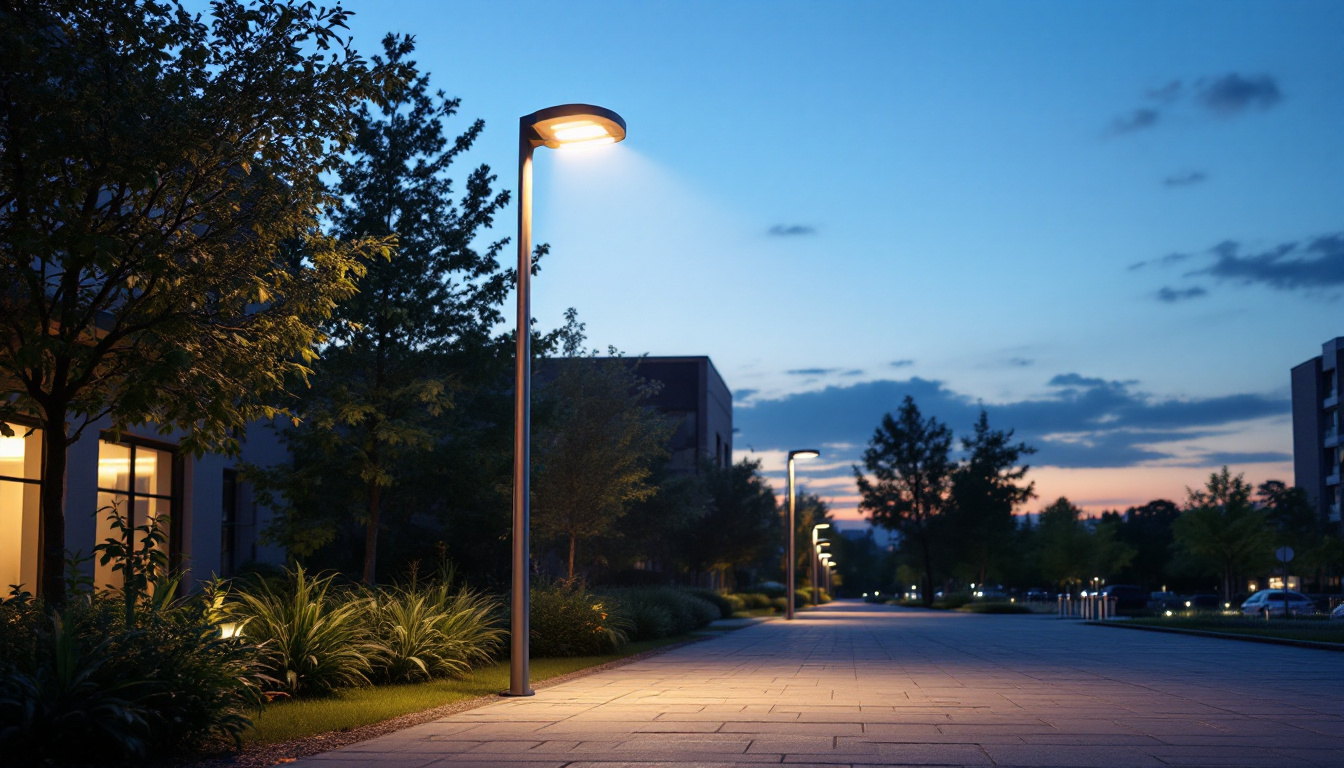
Understanding the Power of Solar Outdoor Uplighting
Outdoor uplighting has long been a favorite technique for enhancing architectural features, landscaping, and outdoor spaces. Traditionally, these lighting installations relied heavily on wired electrical systems, which often meant higher installation costs, complex wiring, and ongoing energy expenses. Solar outdoor uplighting changes the game by offering a sustainable, cost-effective alternative that integrates seamlessly into various environments.
Solar uplights harness sunlight through photovoltaic panels, converting it into electrical energy stored in rechargeable batteries. This stored energy powers LED lights after dusk, illuminating pathways, trees, walls, and other focal points without the need for external power sources. For lighting contractors, this technology opens doors to innovative design possibilities and client solutions that prioritize efficiency and environmental responsibility.
In addition to their eco-friendly benefits, solar outdoor uplights come in a variety of styles and intensities, making them suitable for a wide range of applications. From soft ambient lighting that creates a warm and inviting atmosphere to brighter options that enhance security, these lights can be tailored to meet specific aesthetic and functional needs. Moreover, many modern solar uplights are equipped with motion sensors and timers, allowing for greater control over energy consumption and light output. This adaptability not only enhances the user experience but also ensures that these installations can evolve alongside changing outdoor spaces.
The installation process for solar uplighting is also notably simpler compared to traditional wired systems. Without the need for extensive electrical work, homeowners and contractors can save both time and labor costs. Many solar uplights are designed for easy setup, often requiring just a few simple steps to place the fixtures in optimal positions for sunlight exposure. This ease of installation makes solar uplighting an attractive option for DIY enthusiasts looking to enhance their outdoor spaces without the hassle of professional installation. Furthermore, with advancements in technology, the durability and efficiency of solar uplights continue to improve, making them a reliable choice for long-term outdoor illumination.
Key Benefits of Solar Uplighting for Lighting Contractors
Cost Efficiency and Simplified Installation
One of the most compelling advantages of solar uplighting is the reduction in installation complexity. Without the need for trenching, conduit runs, or electrical wiring, contractors can complete projects faster and with fewer resources. This translates into lower labor costs and minimized disruption to the client’s property.
Additionally, solar uplights eliminate electricity bills associated with outdoor lighting. Clients appreciate the long-term savings and the minimal maintenance required, which often involves just occasional cleaning of solar panels and battery replacements every few years.
Flexibility in Placement and Design
Because solar uplights operate independently of electrical outlets, they can be placed virtually anywhere with adequate sunlight exposure. This flexibility allows lighting contractors to design creative and dynamic lighting schemes that might be impractical with traditional wired systems.
For example, uplights can highlight isolated trees in large gardens, illuminate remote signage, or accentuate architectural details on buildings where running power lines would be prohibitively expensive or disruptive.
Environmental Impact and Client Appeal
Solar lighting aligns with growing consumer demand for green solutions. Many clients are actively seeking ways to reduce their carbon footprint and energy consumption. Offering solar uplighting not only meets this demand but also positions contractors as forward-thinking professionals committed to sustainable practices.
Beyond environmental benefits, solar uplighting can contribute to LEED certification points or other green building standards, adding value to the contractor’s portfolio and appeal to environmentally conscious clients.
Choosing the Right Solar Uplighting Products
Evaluating Solar Panel Efficiency and Battery Capacity
Not all solar uplights are created equal. The efficiency of the solar panel directly impacts how quickly and effectively the batteries charge during daylight hours. Lighting contractors should prioritize products with high-efficiency monocrystalline panels, which perform better in low-light conditions and maximize energy capture.
Battery capacity is equally important. Lithium-ion batteries are preferred for their longer lifespan and better performance compared to traditional nickel-metal hydride or lead-acid batteries. A reliable battery ensures consistent illumination throughout the night, even during overcast days.
LED Quality and Light Output
The core function of any uplight is to provide adequate illumination. High-quality LEDs offer bright, uniform light with excellent color rendering, enhancing the visual appeal of the illuminated objects. Look for uplights with adjustable brightness levels and beam angles to tailor the lighting effect precisely.
Warm white LEDs (2700K to 3000K) are typically favored for outdoor uplighting because they create a welcoming ambiance and highlight natural textures effectively.
Durability and Weather Resistance
Outdoor lighting fixtures must withstand exposure to rain, wind, dust, and temperature fluctuations. Solar uplights should have robust housing materials like aluminum or high-grade plastic with IP65 or higher ratings for water and dust resistance.
UV-resistant finishes prevent color fading and material degradation over time, ensuring the fixtures maintain their aesthetic appeal and functionality.
Design Strategies for Effective Solar Uplighting
Maximizing Sunlight Exposure for Optimal Performance
Proper placement of solar uplights is critical. Panels require direct sunlight for several hours daily to fully charge batteries. Lighting contractors should assess the site carefully, avoiding shaded areas caused by trees, buildings, or other obstructions.
In some cases, repositioning plants or trimming branches may be necessary to enhance sunlight exposure. Educating clients about the importance of unobstructed sunlight can prevent performance issues and dissatisfaction.
Layering Light for Depth and Dimension
Effective outdoor lighting involves more than just illuminating a single feature. Combining solar uplights with other solar or low-voltage fixtures creates layers of light that add depth and dimension to the landscape.
For instance, uplighting a tree trunk while also using path lights and accent lights on nearby shrubs creates a cohesive and inviting environment. Lighting contractors should design with the overall scene in mind, balancing brightness and shadows to avoid harsh contrasts.
Incorporating Smart Controls and Sensors
Modern solar uplighting systems increasingly integrate smart technology. Motion sensors, dusk-to-dawn timers, and remote controls enhance functionality and energy efficiency. Sensors can activate lights only when movement is detected, extending battery life and adding security benefits.
Contractors can offer clients these advanced features as part of a premium package, differentiating their services and providing added value.
Overcoming Common Challenges in Solar Uplighting Projects
Dealing with Limited Sunlight or Shaded Areas
Not every site offers ideal sunlight conditions. In heavily shaded landscapes or northern exposures, solar uplights may struggle to maintain charge. Lighting contractors should conduct thorough site evaluations and consider hybrid solutions where solar is supplemented by low-voltage wiring in challenging spots.
Alternatively, selecting solar uplights with larger panels or higher battery capacities can mitigate some limitations, but setting realistic client expectations is essential.
Ensuring Consistent Light Levels Throughout the Night
Battery depletion can cause lights to dim prematurely. To avoid this, contractors should specify uplights with efficient power management and recommend regular maintenance checks. Seasonal variations in sunlight should also be considered during the design phase.
Clients should be informed about the potential for reduced performance during extended cloudy periods and the importance of keeping solar panels clean.
Addressing Aesthetic Concerns and Fixture Placement
Solar uplights often have bulkier designs compared to wired fixtures due to integrated panels and batteries. Strategically hiding or integrating fixtures into the landscape helps maintain visual appeal.
Using stakes, mounting brackets, or custom enclosures can improve fixture stability and aesthetics. Lighting contractors should collaborate with landscape designers to ensure uplights complement the overall design without becoming intrusive.
Case Studies: Successful Solar Uplighting Applications
Residential Garden Enhancement
A lighting contractor transformed a suburban garden by installing solar uplights to highlight mature trees and a stone water feature. The client wanted a low-maintenance, eco-friendly solution without trenching through established flower beds. The solar uplights were positioned to maximize sunlight exposure and equipped with warm white LEDs to create a cozy atmosphere.
The project was completed swiftly, with minimal disruption. The client reported significant energy savings and praised the natural glow that enhanced evening outdoor enjoyment.
Commercial Signage Illumination
For a retail plaza, solar uplighting was chosen to illuminate signage and landscaping along the perimeter. The site had limited access to power outlets, making traditional wiring costly. The contractor selected high-capacity solar uplights with motion sensors to conserve battery life during low-traffic hours.
This approach not only reduced installation expenses but also improved security by providing motion-activated lighting. The plaza owner appreciated the modern, sustainable image conveyed by the solar lighting.
Historic Building Accent Lighting
A historic preservation project required subtle exterior lighting to highlight architectural details without altering the building’s facade. Solar uplights were ideal because they avoided invasive wiring and preserved the structure’s integrity.
The contractor used low-profile fixtures with adjustable beams to focus light precisely on cornices and columns. The solar panels were discreetly placed in sunny locations nearby. The result was a tasteful illumination that respected the building’s heritage and met preservation guidelines.
Best Practices for Maintenance and Longevity
Routine Cleaning and Inspection
Solar panels accumulate dust, leaves, and debris that can reduce charging efficiency. Regular cleaning with a soft cloth and mild detergent helps maintain optimal performance. Contractors should advise clients to schedule inspections at least twice a year.
Checking for corrosion, loose connections, and battery health during these inspections prevents unexpected failures and extends fixture lifespan.
Battery Replacement and Upgrades
Batteries have finite lifespans, typically lasting several years depending on usage and environmental conditions. Proactive replacement ensures consistent illumination and avoids downtime.
Lighting contractors should keep clients informed about battery health and offer upgrade options to newer, more efficient battery technologies as they become available.
Seasonal Adjustments and Troubleshooting
Seasonal changes affect sunlight availability and lighting needs. Adjusting fixture angles or repositioning solar panels can improve charging during winter months. Troubleshooting dimming or flickering lights often involves checking panel cleanliness and battery condition.
Providing clients with clear guidance on these adjustments enhances satisfaction and reduces service calls.
Conclusion: Elevating Outdoor Spaces with Solar Uplighting
Solar outdoor uplighting presents lighting contractors with a versatile, sustainable tool to deliver impactful lighting solutions. By understanding the technology, selecting quality products, and applying thoughtful design principles, contractors can overcome challenges and exceed client expectations.
Embracing solar uplighting not only reduces installation complexity and operational costs but also aligns with growing environmental priorities. This combination of practicality and innovation makes solar uplighting a valuable addition to any lighting contractor’s portfolio.
Illuminate Your Projects with LumenWholesale
Ready to elevate your lighting projects with the sustainable brilliance of solar uplighting? At LumenWholesale, we provide lighting contractors with the highest quality, spec-grade solar lighting solutions at unbeatable wholesale prices. Say goodbye to middleman markups and hello to a vast selection of reliable, high-performance lighting that meets the strictest industry standards. With free shipping on bulk orders, LumenWholesale ensures you get the premium lighting you need at the best value — without hidden fees or compromises. Make your next project shine by choosing Wholesale Lighting at the Best Value with LumenWholesale.