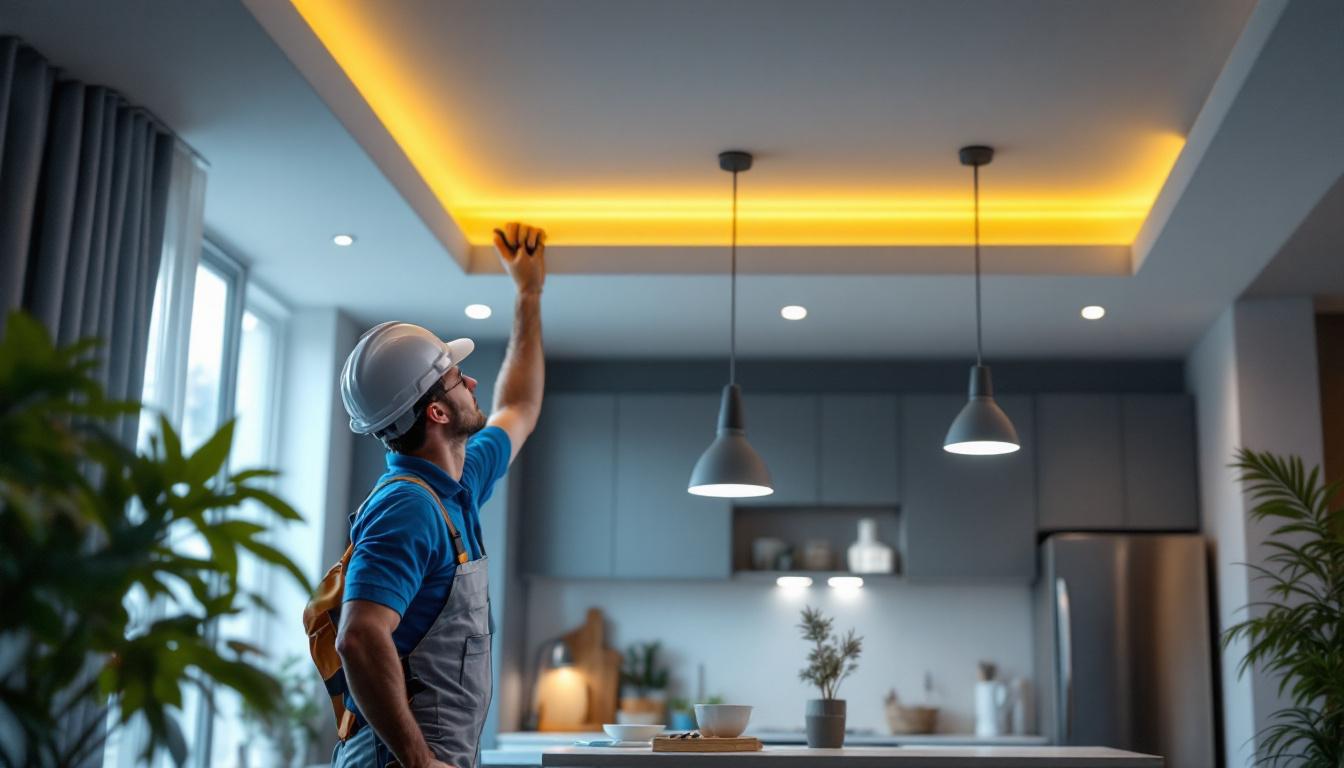
In the ever-evolving world of lighting, LED flat panel lights have become a popular choice for both commercial and residential applications. Their sleek design, energy efficiency, and versatility make them an attractive option for contractors. However, even seasoned professionals can stumble when it comes to installation and selection. This article delves into the common mistakes lighting contractors make when working with 2×2 LED flat panels and offers insights on how to avoid them.
Understanding the Basics of LED Flat Panels
Before diving into the common pitfalls, it’s essential to grasp what LED flat panel lights are and their advantages. These fixtures provide a modern alternative to traditional fluorescent lights, offering a slim profile that fits seamlessly into various ceiling types. Their even light distribution and low energy consumption make them ideal for offices, schools, and retail spaces. Moreover, the aesthetic appeal of LED flat panels cannot be overlooked; they offer a sleek, contemporary look that enhances the overall ambiance of any room, making them a preferred choice for architects and interior designers alike.
Energy Efficiency and Longevity
One of the most significant advantages of LED flat panels is their energy efficiency. They typically consume less power compared to traditional lighting solutions, which translates to lower utility bills for clients. Additionally, LEDs have a longer lifespan, often exceeding 50,000 hours. This longevity reduces the frequency of replacements, which can save contractors time and money in the long run. Furthermore, the reduced heat output of LED lights not only contributes to energy savings but also minimizes the load on HVAC systems, leading to further cost reductions in climate control and maintenance.
Design Flexibility
LED flat panels come in various sizes and color temperatures, allowing contractors to customize lighting solutions that meet specific client needs. Whether it’s a warm white for a cozy environment or a cooler tone for a more clinical setting, the flexibility in design makes these panels a favorite in many projects. Additionally, some LED flat panels are equipped with dimming capabilities and smart technology integration, enabling users to adjust brightness levels and create dynamic lighting scenes that can enhance productivity or set the mood for special events. This adaptability not only meets the functional requirements of different spaces but also aligns with the growing trend of smart building technologies, where lighting can be controlled remotely for added convenience and energy management.
Common Mistakes in Selection and Installation
Despite their advantages, many contractors make critical errors that can impact the overall effectiveness of LED flat panel installations. Understanding these mistakes is vital for ensuring successful projects and satisfied clients.
Overlooking the Importance of Lumens
One of the most common mistakes is neglecting to consider the lumen output of the LED flat panels. Lumens measure the amount of light emitted by a fixture, and selecting panels with inadequate lumens can lead to poorly lit spaces. Contractors should assess the specific lighting needs of each project and choose panels that provide the appropriate brightness for the intended use. Additionally, it’s important to consider the layout of the space; for instance, an open office area may require higher lumen output to ensure even distribution of light across the entire room, while a smaller, more intimate setting may benefit from softer lighting. By conducting a thorough lighting analysis, contractors can avoid the pitfalls of inadequate illumination and create a more functional environment.
Ignoring Color Temperature
Color temperature is another critical factor often overlooked. Measured in Kelvin (K), the color temperature affects the ambiance of a space. For example, a warm white (2700K-3000K) is suitable for residential settings, while cooler temperatures (4000K-5000K) are better for commercial environments. Failing to match the color temperature with the client’s expectations can lead to dissatisfaction and costly rework. Moreover, different tasks may require different color temperatures; for instance, a kitchen might benefit from a brighter, cooler light to enhance visibility while cooking, whereas a living room might be better suited to warmer tones that promote relaxation. Understanding the psychological effects of color temperature can significantly enhance the overall user experience in any setting.
Neglecting Dimming Capabilities
Dimming capabilities are essential for creating versatile lighting environments. Many LED flat panels come with built-in dimming features, but not all installations take advantage of this functionality. Contractors should discuss dimming options with clients, ensuring that the selected panels and controls are compatible. This oversight can limit the flexibility of the lighting design and reduce client satisfaction. Furthermore, incorporating dimming solutions can lead to energy savings and extend the lifespan of the LED fixtures, as they operate more efficiently at lower brightness levels. It’s also worth noting that smart lighting systems can offer advanced dimming options, allowing users to adjust lighting through mobile apps or voice commands, thus providing an added layer of convenience and modernity to the installation.
Installation Challenges
Installation of LED flat panels requires careful planning and execution. Mistakes during this phase can lead to significant issues down the line, affecting both functionality and aesthetics.
Improper Mounting Techniques
One frequent mistake is improper mounting. LED flat panels must be installed securely to avoid flickering or falling. Contractors should ensure that the mounting brackets are correctly positioned and that the panels are level. This attention to detail not only enhances the appearance but also ensures safety and functionality. Additionally, the choice of mounting surface plays a critical role; for instance, drywall may not provide the same level of support as a concrete ceiling. Therefore, it’s essential to assess the structural integrity of the installation site and use appropriate anchors or supports that can handle the weight and dimensions of the panels.
Inadequate Wiring Practices
Wiring is another area where mistakes can occur. Inadequate wiring can lead to power issues or even electrical hazards. It’s crucial to follow the manufacturer’s specifications and local electrical codes during installation. Contractors should double-check all connections and ensure that the wiring can handle the load of the LED panels to prevent future complications. Furthermore, using the correct gauge of wire is essential, as undersized wiring can lead to overheating and potential fire risks. Implementing a systematic approach to wiring, such as labeling circuits and documenting connections, can also facilitate easier troubleshooting in the future.
Failing to Test Before Finalizing Installation
Testing the installation before finalizing it is often overlooked. Contractors should always power on the panels to verify that they function correctly and meet the desired brightness and color temperature. This step can prevent the need for costly adjustments after the job is completed. Moreover, it’s advisable to conduct a thorough inspection of the light distribution across the area to ensure uniformity and to identify any potential dark spots that may require additional lighting solutions. Utilizing a light meter during this phase can provide precise readings, allowing for adjustments that enhance the overall effectiveness of the lighting design.
Client Communication and Education
Effective communication with clients is paramount in any lighting project. However, many contractors fail to educate their clients about the benefits and limitations of LED flat panels.
Setting Realistic Expectations
Contractors should set realistic expectations regarding the performance of LED flat panels. While they offer many advantages, they also have limitations, such as potential color shifting over time or sensitivity to temperature changes. By discussing these factors upfront, contractors can avoid misunderstandings and build trust with their clients.
Providing Maintenance Guidance
Another critical aspect of client communication is providing maintenance guidance. LED flat panels require minimal maintenance, but clients should be informed about how to care for their fixtures. This includes cleaning methods and when to seek professional help for any issues. Educating clients can lead to longer-lasting installations and increased satisfaction.
Choosing the Right Products
Selecting the right products is crucial for successful installations. However, many contractors make the mistake of prioritizing cost over quality, which can lead to subpar results.
Compromising on Quality
While budget constraints are a reality in many projects, compromising on the quality of LED flat panels can result in poor performance and dissatisfaction. Cheaper products may not provide the same level of brightness or longevity as higher-quality options. Contractors should prioritize quality to ensure that their installations meet client expectations and stand the test of time.
Not Considering Future Needs
When selecting LED flat panels, it’s essential to consider not only the current needs of the client but also potential future requirements. As spaces evolve, lighting needs may change. Contractors should discuss the possibility of future upgrades or expansions with clients and recommend products that can accommodate these changes.
Staying Updated with Industry Trends
The lighting industry is constantly evolving, with new technologies and trends emerging regularly. Contractors who fail to stay updated may miss out on valuable opportunities to improve their services.
Embracing New Technologies
New technologies, such as smart lighting systems, are gaining popularity in the market. These systems offer enhanced control and customization options for clients. Contractors should familiarize themselves with these advancements and consider how they can integrate them into their projects. Staying informed can lead to more innovative solutions and satisfied clients.
Networking and Learning Opportunities
Participating in industry events, workshops, and training sessions can provide valuable insights into the latest trends and best practices. Networking with other professionals can also lead to new partnerships and opportunities. Contractors should make a point to engage with the community to stay ahead of the curve.
Conclusion
LED flat panel lights offer numerous benefits for both contractors and clients, but common mistakes can hinder their effectiveness. By understanding the importance of lumens, color temperature, and proper installation techniques, contractors can avoid pitfalls that lead to dissatisfaction. Effective communication with clients and a commitment to quality will enhance project outcomes and foster long-term relationships.
As the lighting industry continues to evolve, staying updated with the latest trends and technologies is crucial for success. By embracing innovation and prioritizing client education, contractors can position themselves as trusted experts in the field. Ultimately, avoiding these common mistakes will not only improve project outcomes but also enhance the overall client experience.
Illuminate Your Projects with LumenWholesale
Don’t let common mistakes dim the potential of your lighting projects. At LumenWholesale, we provide lighting contractors with the high-quality, spec-grade LED flat panels you need to shine bright in the competitive market. Take advantage of our unbeatable wholesale prices and free shipping on bulk orders to elevate your installations without the burden of inflated costs. Wholesale Lighting at the Best Value is just a click away. Partner with us and experience the difference that quality and value can make in your lighting solutions.