Understanding the Basics of Fixture Fluorescent T8 Lighting
Fluorescent T8 fixtures have long been a staple in commercial and industrial lighting due to their balance of efficiency, brightness, and cost-effectiveness. For lighting contractors, a deep understanding of T8 technology is essential when advising clients on energy-efficient lighting solutions that meet modern standards. As businesses increasingly seek to lower their energy costs and carbon footprints, T8 fixtures provide an attractive option that aligns with sustainability goals while maintaining high-quality illumination.
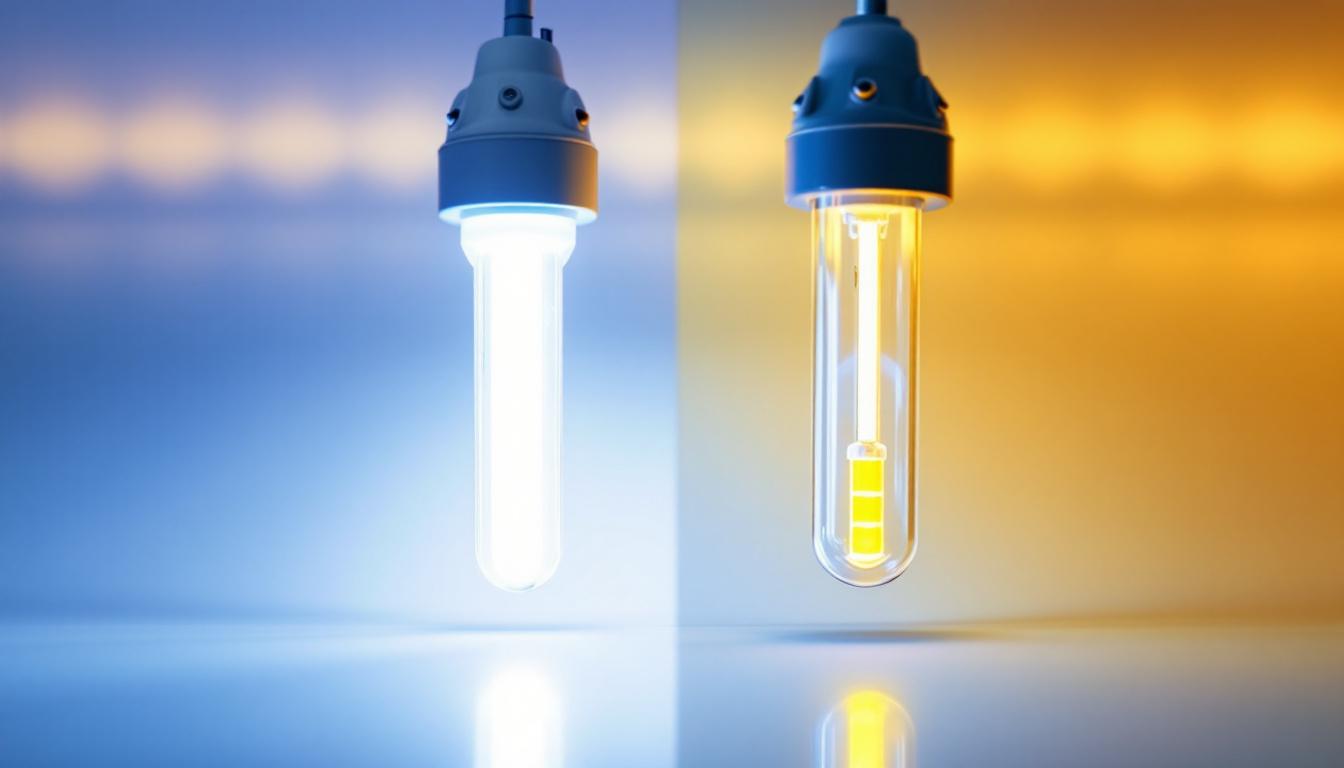
The term “T8” refers to the diameter of the fluorescent tube, which measures one inch (8 eighths of an inch). These tubes are an evolution from the older T12 models, offering improved luminous efficacy and reduced energy consumption. The T8 fixture typically consists of a tubular fluorescent lamp, a ballast to regulate current, and the fixture housing. With advancements in technology, T8 lamps are now available in various color temperatures, allowing for greater flexibility in creating the desired ambiance in different environments, from warm and inviting to bright and energizing.
How T8 Fluorescent Fixtures Work
Fluorescent lighting operates by passing an electric current through mercury vapor inside the tube, which emits ultraviolet light. This UV light then excites the phosphor coating on the inside of the tube, producing visible light. The T8 tube’s design optimizes this process, resulting in higher efficiency compared to its predecessors. The ability to produce a high lumen output while consuming less energy makes T8 fixtures particularly appealing for large spaces such as warehouses, offices, and retail environments where consistent lighting is crucial.
Modern T8 fixtures often utilize electronic ballasts instead of magnetic ballasts, which not only reduce flicker and noise but also improve energy efficiency and extend lamp life. Understanding these technical distinctions is crucial for contractors when selecting or retrofitting lighting systems. Additionally, the integration of smart technology into T8 fixtures is becoming increasingly common, allowing for features such as dimming, motion sensing, and remote control, which can further enhance energy savings and user convenience. As the lighting industry continues to evolve, staying informed about these innovations will empower contractors to offer the best solutions tailored to their clients’ needs.
Energy Efficiency Advantages of T8 Fixtures
Energy efficiency is a primary concern for many clients, especially in commercial and industrial settings where lighting can account for a significant portion of electricity consumption. T8 fixtures offer several advantages that make them a preferred choice for energy-conscious projects.
Improved Luminous Efficacy
T8 fluorescent tubes typically deliver between 90 to 100 lumens per watt, which is a considerable improvement over older T12 tubes that often range between 60 to 70 lumens per watt. This means more light output for the same amount of energy consumed, translating directly to lower operating costs.
For contractors, this efficiency gain allows for fewer fixtures or lower wattage lamps to achieve the desired illumination levels, which can reduce both upfront and ongoing expenses. Moreover, the enhanced luminous efficacy of T8 fixtures contributes to a brighter and more inviting atmosphere in workspaces, which can improve employee productivity and morale. In environments such as warehouses or manufacturing facilities, where visibility is crucial, the superior light quality of T8 fixtures can enhance safety and reduce the risk of accidents.
Reduced Energy Consumption with Electronic Ballasts
Electronic ballasts used in T8 fixtures consume less power and generate less heat compared to magnetic ballasts. This not only enhances the overall energy efficiency but also reduces cooling loads in climate-controlled environments, further lowering energy bills.
Additionally, electronic ballasts provide instant start or programmed start options, which can extend lamp life and reduce maintenance frequency—an important consideration for facilities aiming to minimize downtime. The longevity of T8 fixtures, often exceeding 20,000 hours, means that businesses can enjoy a longer replacement cycle, which translates into fewer disruptions and lower labor costs associated with changing out bulbs. Furthermore, the compatibility of T8 fixtures with dimming systems allows for even greater energy savings, as lighting levels can be adjusted based on occupancy or natural light availability, optimizing energy use throughout the day.
Applications and Benefits for Lighting Contractors
Lighting contractors play a pivotal role in specifying, installing, and maintaining lighting systems that meet client needs while optimizing energy use. T8 fluorescent fixtures offer versatility and reliability across various applications.
Commercial and Office Spaces
T8 fixtures are widely used in office buildings, retail stores, and educational institutions due to their ability to provide uniform, glare-free illumination. The color rendering index (CRI) of T8 lamps typically ranges from 80 to 85, which ensures colors appear natural and vibrant—an important factor for work environments.
Contractors can recommend T8 fixtures as part of retrofitting projects to improve lighting quality and reduce energy consumption without significant modifications to existing infrastructure. In addition, the energy efficiency of T8 lamps can lead to substantial cost savings over time, making them an attractive option for businesses looking to lower operational expenses. The ability to easily integrate T8 fixtures with advanced lighting controls, such as dimmers and occupancy sensors, further enhances their appeal, allowing for tailored lighting solutions that adapt to the specific needs of different spaces throughout the day.
Industrial and Warehouse Environments
In industrial settings, durability and efficiency are paramount. T8 fixtures withstand the demands of warehouses and manufacturing plants, offering bright, consistent lighting that enhances safety and productivity.
Moreover, the longer lifespan of T8 lamps—often up to 20,000 hours—reduces maintenance costs and labor associated with frequent replacements, which is a critical advantage in large-scale facilities. The robust design of T8 fixtures also means they can endure the harsher conditions often found in industrial environments, such as dust, vibrations, and temperature fluctuations. This resilience not only ensures continuous operation but also minimizes downtime, allowing businesses to maintain optimal workflow. Furthermore, the ability to use T8 fixtures in conjunction with high-bay lighting solutions makes them ideal for illuminating expansive spaces, ensuring that every corner is well-lit and safe for employees to navigate. As a result, contractors can confidently recommend T8 fixtures as a reliable choice for enhancing both safety and efficiency in industrial applications.
Installation Considerations and Best Practices
Successful implementation of T8 fluorescent fixtures depends on careful planning and adherence to best practices during installation. Lighting contractors must evaluate several factors to maximize performance and client satisfaction.
Compatibility and Retrofit Options
When upgrading from older T12 fixtures, contractors should assess whether to replace the entire fixture or retrofit existing housings. Many T8 lamps are designed to be compatible with existing fixtures if paired with the appropriate electronic ballast, which can significantly reduce installation costs.
However, it is essential to verify ballast compatibility and ensure that wiring meets current electrical codes. Using incompatible components can result in reduced lamp life, flickering, or failure to meet energy efficiency standards.
Lighting Controls Integration
Incorporating lighting controls such as occupancy sensors, daylight harvesting, and dimming systems can further enhance energy savings with T8 fixtures. These controls allow lighting to adjust dynamically based on occupancy or available natural light, reducing unnecessary energy use.
Contractors should consider the integration of compatible controls during the design phase to provide clients with a comprehensive energy-efficient lighting solution.
Environmental and Economic Impact
Beyond immediate energy savings, T8 fluorescent fixtures contribute to broader environmental and economic benefits that align with sustainability goals increasingly prioritized by businesses and governments.
Reduction in Carbon Footprint
By consuming less electricity, T8 fixtures help reduce greenhouse gas emissions associated with power generation. For commercial buildings, lighting can represent up to 30% of total energy use, so upgrading to efficient T8 systems can significantly lower carbon footprints.
Lighting contractors can leverage these environmental benefits when advising clients on green building certifications and corporate sustainability initiatives.
Cost Savings Over Time
While the initial investment in T8 fixtures and electronic ballasts may be higher than older technologies, the return on investment is realized through lower energy bills and reduced maintenance costs. Over the lifespan of the fixture, these savings often outweigh upfront expenses.
Contractors should present clients with detailed lifecycle cost analyses to demonstrate the financial advantages of choosing T8 fluorescent lighting.
Future Trends and Considerations
Although T8 fluorescent fixtures remain popular, the lighting industry is evolving rapidly with the rise of LED technology. Understanding how T8 fits within this changing landscape is important for contractors planning long-term solutions.
Comparing T8 Fluorescent and LED Alternatives
LED tubes designed to replace T8 fluorescents offer even greater energy efficiency, longer lifespans, and improved dimming capabilities. However, T8 fixtures still hold advantages in terms of lower upfront costs and established infrastructure compatibility.
Contractors must weigh these factors based on client priorities, budget constraints, and project timelines to recommend the most appropriate technology.
Hybrid and Smart Lighting Systems
The integration of T8 fixtures with smart lighting controls and building management systems is becoming more common. These systems enable real-time monitoring, predictive maintenance, and adaptive lighting strategies that optimize energy use and occupant comfort.
Staying informed about advancements in lighting controls and communication protocols will empower contractors to offer cutting-edge solutions that enhance the value of T8 installations.
Conclusion: Why Lighting Contractors Should Master Fixture Fluorescent T8
For lighting contractors, expertise in fixture fluorescent T8 technology is indispensable when delivering energy-efficient, cost-effective, and reliable lighting solutions. The balance of performance, efficiency, and versatility offered by T8 fixtures makes them a foundational element in many commercial and industrial lighting projects.
By understanding the technical aspects, installation best practices, and evolving market trends, contractors can confidently guide clients toward lighting choices that meet both operational and sustainability goals. Whether specifying new installations or retrofitting existing systems, the knowledge of T8 fluorescent fixtures remains a valuable asset in the contractor’s toolkit.
Illuminate Your Projects with LumenWholesale
Ready to elevate your lighting projects with the efficiency and cost-effectiveness of Fixture Fluorescent T8? LumenWholesale is your go-to source for premium, spec-grade lighting products at the best wholesale prices. Say goodbye to local distributor markups and hello to a vast selection of high-quality lighting solutions that meet the most rigorous industry standards. Plus, enjoy the convenience of free shipping on bulk orders, ensuring you get the most value without any hidden costs. Take the first step towards a brighter, more sustainable future and explore our wholesale lighting options today.