Introduction to Lighting Technologies for Contractors
Lighting contractors face a critical decision when selecting the appropriate lighting technology for their projects. The choice between metal halide, LED, and other alternatives impacts not only the quality of illumination but also energy efficiency, maintenance costs, and client satisfaction. Understanding the differences, advantages, and limitations of each option is essential for making informed recommendations and delivering optimal lighting solutions.
This article delves into the comparative analysis of metal halide and LED lighting, explores other emerging alternatives, and provides guidance tailored to the needs of lighting contractors. By examining performance metrics, cost implications, and practical considerations, contractors can confidently choose the best lighting technology for various applications.
Metal halide lighting, known for its high-intensity output and excellent color rendering, has been a staple in commercial and industrial settings for years. However, it comes with significant drawbacks, including longer warm-up times and higher energy consumption. As energy regulations become stricter, contractors must weigh the benefits of this traditional option against the growing popularity of LED technology. LEDs not only offer instant illumination and lower energy usage but also boast a longer lifespan, reducing the frequency of replacements and associated labor costs. This shift towards LEDs is not just a trend; it’s a response to the increasing demand for sustainable and cost-effective lighting solutions.
Moreover, the landscape of lighting technology is continually evolving, with innovations such as smart lighting systems and tunable white LEDs gaining traction. These advanced options allow for greater control over lighting environments, enabling contractors to create customized solutions that enhance both functionality and aesthetics. Understanding these emerging technologies is crucial for contractors who wish to stay ahead of the curve and meet the diverse needs of their clients. By integrating smart controls and energy-efficient designs, contractors can not only improve the overall quality of their projects but also contribute to a more sustainable future in the built environment.
Overview of Metal Halide Lighting
What Are Metal Halide Lamps?
Metal halide lamps are a type of high-intensity discharge (HID) lighting that produces light by passing an electric arc through vaporized mercury and metal halides. These lamps are known for their bright, white light and have been widely used in commercial, industrial, and outdoor lighting applications such as stadiums, parking lots, and warehouses. The unique combination of gases within the lamp allows for a spectrum of light that closely resembles natural daylight, making it particularly appealing for environments where accurate color representation is crucial.
The technology offers a relatively high luminous efficacy compared to older incandescent and fluorescent lamps, making it a popular choice for high-bay lighting and large-area illumination. Furthermore, the versatility of metal halide lamps extends beyond just their application; they are available in various wattages and configurations, allowing users to select the appropriate type for their specific needs. This adaptability has contributed to their enduring presence in the lighting industry, even as newer technologies emerge.
Performance Characteristics
Metal halide lamps provide excellent color rendering, typically with a Color Rendering Index (CRI) of 65 to 90, which means colors appear more natural and vibrant under their light. This characteristic is particularly beneficial in settings such as art galleries, retail spaces, and manufacturing facilities where color accuracy is paramount. Additionally, the light produced by metal halide lamps has a high color temperature, often ranging from 3,000K to 4,200K, which can enhance visibility and create an inviting atmosphere in large open areas.
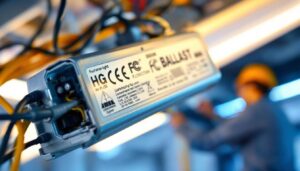
They also have a warm-up period, often taking several minutes to reach full brightness, and a limited lifespan, generally ranging from 6,000 to 15,000 hours depending on usage and lamp quality. This warm-up time can be a consideration for applications requiring immediate illumination, such as emergency lighting or security systems. One notable downside is the gradual lumen depreciation over time, requiring periodic lamp replacement to maintain consistent lighting levels. Additionally, metal halide lamps generate significant heat and require compatible fixtures with proper heat management. This heat production not only affects energy efficiency but also necessitates careful consideration of fixture design to prevent overheating and ensure longevity.
The Rise of LED Lighting
LED Technology Fundamentals
Light Emitting Diodes (LEDs) have revolutionized the lighting industry by offering energy-efficient, long-lasting, and versatile solutions. LEDs produce light through electroluminescence, where electrons recombine with electron holes within a semiconductor material, releasing energy in the form of photons.
Unlike metal halide lamps, LEDs emit light instantly without warm-up time and are available in a broad spectrum of color temperatures and intensities, making them adaptable to a wide range of environments.
Advantages of LEDs for Contractors
LEDs boast a significantly longer lifespan, typically between 50,000 and 100,000 hours, reducing maintenance frequency and associated labor costs. Their energy efficiency is markedly superior, with LEDs consuming up to 75% less energy than metal halide lamps for equivalent light output.
Additionally, LEDs produce less heat, enhancing safety and reducing cooling loads in indoor environments. Their robust construction makes them resistant to shock and vibration, ideal for industrial and outdoor settings.
Comparing Metal Halide and LED Lighting
Energy Efficiency and Cost Implications
Energy consumption is a primary concern for lighting contractors and their clients. Metal halide lamps, while more efficient than older technologies, still lag behind LEDs in energy savings. LEDs convert a higher percentage of electrical energy into visible light, resulting in lower utility bills and reduced environmental impact.
Although the upfront cost of LED fixtures can be higher, the total cost of ownership often favors LEDs due to lower energy usage and reduced maintenance. Lighting contractors should present clients with life-cycle cost analyses to justify the initial investment in LEDs.
Light Quality and Application Suitability
Both metal halide and LED lighting offer high-quality illumination, but LEDs provide greater flexibility in color temperature and beam control. For applications requiring precise lighting design, such as retail spaces or architectural highlights, LEDs allow for tailored solutions that enhance aesthetics and functionality.
Metal halide lamps remain effective in certain large-scale outdoor applications where initial cost sensitivity is high and fixture replacement cycles are well-established. However, the superior color rendering and instant-on capability of LEDs make them increasingly preferable in most scenarios.
Maintenance and Longevity Considerations
Maintenance is a significant factor in lighting system management. Metal halide lamps require frequent replacement and can suffer from lumen depreciation, leading to inconsistent lighting levels over time. LEDs, with their extended lifespan and stable light output, reduce maintenance demands and operational disruptions.
For contractors, recommending LED systems can enhance client satisfaction by minimizing downtime and maintenance expenses, especially in hard-to-access installations.
Exploring Alternative Lighting Technologies
High-Pressure Sodium (HPS) Lamps
High-pressure sodium lamps have been a staple in street and industrial lighting due to their high efficacy and long life. However, their characteristic yellow-orange light and poor color rendering limit their appeal in applications where color accuracy is important.
While HPS lamps are energy-efficient, they are increasingly being replaced by LEDs that offer better color quality and comparable or superior energy savings.
Fluorescent Lighting
Fluorescent lamps, including compact fluorescent lamps (CFLs), have been widely used for indoor lighting. They offer good energy efficiency and color rendering but contain mercury, posing environmental and disposal challenges.
With the advent of LED technology, fluorescent lighting is gradually being phased out in favor of more durable, efficient, and environmentally friendly options.
Induction Lighting
Induction lamps use electromagnetic fields to excite gases and produce light, offering long life and good efficiency. However, their higher initial cost and limited availability have restricted widespread adoption.
While they can be suitable for certain industrial applications, LEDs generally provide a more versatile and cost-effective solution.
Key Factors for Lighting Contractors to Consider
Project Requirements and Client Expectations
Lighting contractors must carefully assess the specific needs of each project, including the desired lighting quality, energy efficiency goals, budget constraints, and maintenance capabilities. Understanding client priorities enables contractors to recommend solutions that balance performance with cost-effectiveness.
For example, facilities prioritizing sustainability and long-term savings will benefit from LED installations, whereas projects with tight upfront budgets might initially lean toward metal halide or other alternatives, provided clients are informed about future costs.
Regulatory and Environmental Considerations
Increasingly stringent energy codes and environmental regulations influence lighting choices. Many jurisdictions encourage or mandate the use of energy-efficient lighting technologies, often providing incentives for LED adoption.
Contractors should stay informed about local regulations and rebate programs to help clients maximize financial benefits and ensure compliance.
Installation and Retrofit Challenges
Retrofitting existing metal halide fixtures with LED technology can present challenges related to compatibility, wiring, and physical space. Contractors must evaluate the feasibility of retrofits versus full fixture replacements and communicate potential trade-offs to clients.
Proper installation practices are critical to achieving optimal performance and longevity, emphasizing the importance of skilled workmanship and adherence to manufacturer guidelines.
Conclusion: Making the Right Choice
For lighting contractors, the decision between metal halide, LED, and alternative lighting technologies hinges on a comprehensive understanding of each option’s strengths and limitations. LEDs have emerged as the superior choice in most applications due to their energy efficiency, longevity, and versatility, despite higher initial costs.
Metal halide lamps may still be appropriate in specific contexts, particularly where budget constraints or existing infrastructure favor their use. However, the trend toward sustainable, low-maintenance lighting solutions strongly favors LEDs.
By staying informed about technological advancements, regulatory changes, and client needs, lighting contractors can deliver solutions that optimize performance, reduce costs, and enhance satisfaction across diverse projects.
Illuminate Your Projects with LumenWholesale
Ready to elevate your lighting solutions with the best value in the industry? Look no further than LumenWholesale for all your lighting needs. Our spec-grade lighting products are designed to meet the demands of any project, offering unmatched quality at wholesale prices that defy local distributor markups. Whether you’re transitioning to energy-efficient LEDs or need specific lighting technologies, our extensive selection has you covered. Plus, with free shipping on bulk orders, you can trust that you’re getting premium lighting without hidden fees. Make the smart choice for your next project and experience the best in wholesale lighting with LumenWholesale.