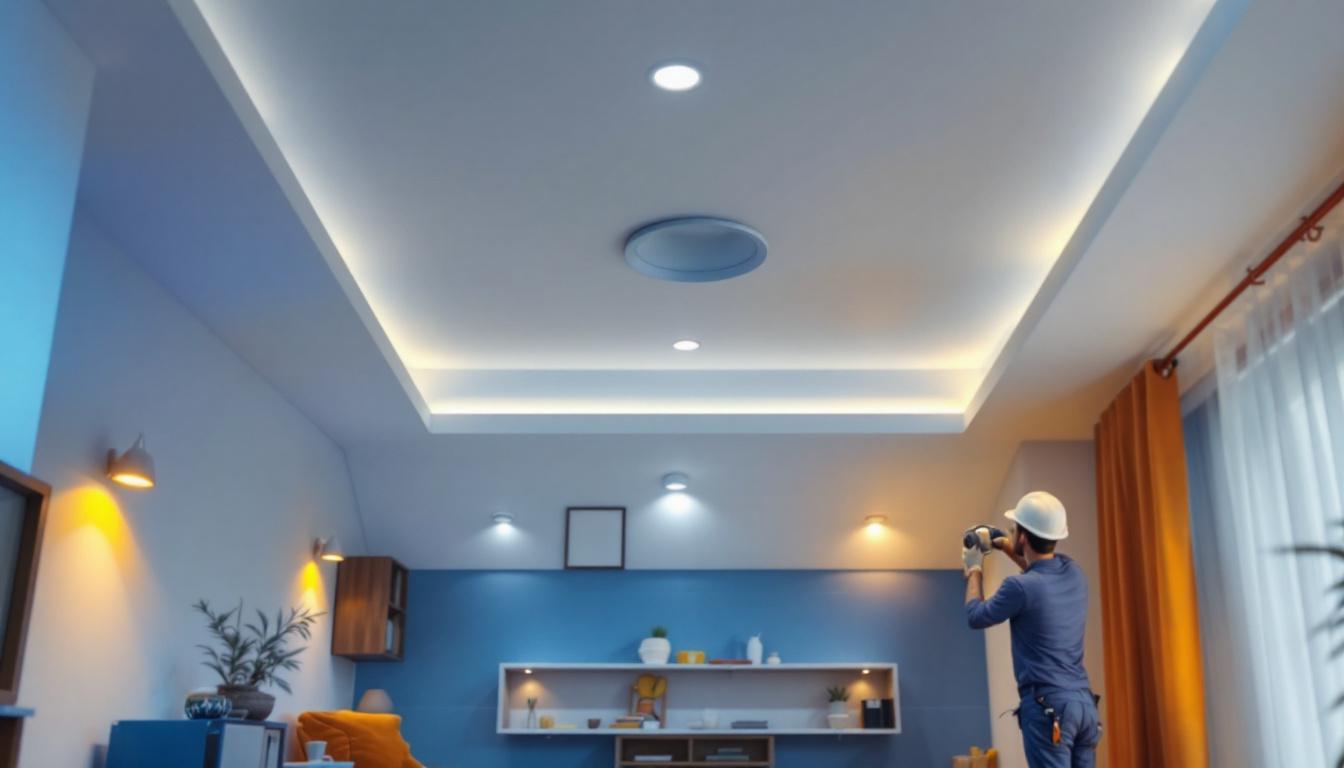
Understanding the Power of Smart Lighting Solutions
Lighting contractors are no longer just installers; they are becoming trusted advisors in creating intelligent lighting environments. The shift toward smart lighting systems is undeniable, with businesses and homeowners seeking energy-efficient, customizable, and integrated solutions.
Smart lighting offers more than just illumination. It provides control, convenience, and savings. For contractors, mastering these technologies means tapping into a growing market that demands expertise beyond traditional wiring and fixtures.
Consider this: studies show that smart lighting can reduce energy consumption by up to 60%. This is a compelling selling point when discussing projects with clients focused on sustainability or operational cost savings.
Why Smart Lighting Matters to Contractors
Clients expect lighting contractors to recommend solutions that align with modern standards. Smart lighting systems often integrate with building management systems, security, and even voice assistants. This convergence creates opportunities for contractors to expand their service offerings and increase project value.
Additionally, smart lighting can enhance user experience through features like automated scheduling, motion detection, and scene setting. These benefits translate into satisfied clients who are more likely to provide referrals and repeat business.
Moreover, the integration of smart lighting with IoT (Internet of Things) devices opens up new avenues for innovation. For instance, contractors can now offer systems that adjust lighting based on natural daylight levels, ensuring optimal brightness while minimizing energy use. This not only enhances the aesthetic appeal of a space but also contributes to the well-being of occupants by aligning with circadian rhythms. Such advanced features can set contractors apart in a competitive market, showcasing their commitment to cutting-edge solutions.
Furthermore, the ability to control lighting remotely via smartphone apps or voice commands adds a layer of convenience that modern clients crave. Imagine a homeowner arriving home to a well-lit entryway, or a business adjusting its lighting for a special event with just a few taps on their device. This level of personalization and ease of use is what today’s consumers expect, and contractors who can deliver these experiences will likely see increased demand for their services.
Streamlining Project Management with Digital Tools
Managing lighting projects efficiently is critical for profitability. From initial design to installation and maintenance, every phase benefits from digital tools tailored for contractors.
Project management software designed for contractors can track timelines, budgets, and inventory in real time. This reduces costly delays and miscommunications that often plague complex lighting installations. By providing a centralized platform for communication, these tools facilitate collaboration among team members, ensuring that everyone is on the same page and that tasks are completed on schedule.
Leveraging Design Software for Precision
Lighting design software helps contractors visualize projects before breaking ground. Accurate renderings allow clients to see how different fixtures and lighting effects will look, making decision-making easier and reducing costly changes during installation.
These tools also assist in calculating lighting levels, energy usage, and compliance with local codes. By presenting data-backed designs, contractors build trust and demonstrate professionalism. Moreover, advanced design software often includes features that simulate various lighting scenarios, enabling clients to experience the ambiance of their spaces under different conditions, such as daylight or evening settings. This immersive approach not only enhances client satisfaction but also encourages informed choices that align with their vision and budget.
Inventory and Supply Chain Management
Keeping track of fixtures, bulbs, and components can be challenging. Digital inventory systems help contractors monitor stock levels, reorder supplies automatically, and avoid project delays due to missing parts.
Integrating supply chain management with project schedules ensures materials arrive just in time, reducing storage costs and minimizing waste. Additionally, some systems offer analytics that provide insights into purchasing trends and supplier performance, allowing contractors to negotiate better terms and optimize their supply chain. By leveraging these insights, contractors can make strategic decisions that enhance efficiency and reduce overhead costs, ultimately contributing to a more streamlined project execution process.
Building Client Relationships Through Education and Transparency
Successful lighting contractors understand that educating clients is as important as the installation itself. Clear communication about options, costs, and benefits fosters trust and positions contractors as experts. By taking the time to explain the nuances of different lighting technologies, such as incandescent, fluorescent, and LED, contractors can help clients appreciate the value of their choices. This not only empowers clients but also encourages them to ask questions, leading to a more collaborative and satisfying experience.
Providing clients with detailed proposals, including energy savings projections and maintenance plans, helps set realistic expectations and reduces the likelihood of disputes. A well-structured proposal can also serve as a valuable reference point throughout the project, allowing both parties to stay aligned on goals and deliverables. Additionally, incorporating visual aids, such as diagrams or charts, can further enhance understanding and engagement.
Demonstrating ROI with Energy Efficiency
Clients often hesitate when faced with higher upfront costs for energy-efficient lighting. Contractors who can articulate the long-term savings and environmental impact help clients make informed decisions. By breaking down the total cost of ownership and comparing it to traditional lighting options, contractors can effectively highlight the financial benefits over time. This approach not only addresses immediate concerns but also aligns with the growing trend of sustainability, appealing to environmentally conscious clients.
For example, LED lighting, although pricier initially, typically pays for itself within a few years through reduced electricity bills and lower maintenance costs. Sharing case studies or testimonials can reinforce these points. Presenting real-life examples of similar projects can illustrate the tangible benefits of energy-efficient lighting, making the case more compelling. Furthermore, providing a projection of potential savings over a decade can help clients visualize the long-term impact of their investment.
Offering Maintenance and Support Services
Lighting systems require upkeep to maintain performance and safety. Contractors who offer ongoing maintenance contracts create recurring revenue streams and deepen client relationships. By establishing a routine maintenance schedule, contractors can proactively address potential issues before they escalate, ensuring that clients enjoy uninterrupted service and optimal lighting conditions. This proactive approach not only enhances client satisfaction but also positions contractors as reliable partners in their clients’ ongoing operations.
Regular check-ups, bulb replacements, and system updates ensure lighting continues to meet client needs and reduces the risk of emergency repairs. In addition, offering educational workshops or resources on best practices for lighting usage can further empower clients, allowing them to maximize the efficiency and lifespan of their systems. By fostering a culture of continuous learning and support, contractors can solidify their role as trusted advisors, ultimately leading to long-term partnerships and referrals.
Expanding Business Through Strategic Partnerships
Lighting contractors can grow their businesses by collaborating with architects, interior designers, and electrical engineers. These partnerships open doors to larger projects and integrated solutions. By working together from the outset, these professionals can create cohesive designs that not only meet aesthetic goals but also adhere to functional and regulatory requirements. This collaborative approach ensures that lighting is not an afterthought but an integral part of the overall design, enhancing both the beauty and utility of the space.
Being involved early in the design phase allows contractors to influence lighting choices and ensure feasibility, which can lead to more successful outcomes and satisfied clients. Additionally, early involvement enables contractors to offer insights on energy efficiency and sustainability, which are increasingly important to clients. By presenting innovative lighting solutions that utilize energy-efficient technologies, contractors can position themselves as forward-thinking partners who prioritize both performance and environmental responsibility.
Partnering with Manufacturers and Suppliers
Strong relationships with manufacturers provide access to the latest products, training, and technical support. Contractors who stay current with innovations can offer cutting-edge solutions that differentiate them from competitors. This not only enhances their service offerings but also builds a reputation for quality and reliability, which is crucial in a competitive market. Manufacturers often provide exclusive previews of new products, allowing contractors to be the first to introduce these innovations to their clients, thereby solidifying their status as industry leaders.
Exclusive deals or bulk purchasing agreements can also improve margins and allow contractors to pass savings onto clients. Furthermore, these partnerships can lead to co-marketing opportunities, where contractors and manufacturers collaborate on promotional efforts, increasing visibility and attracting new clients. By leveraging the strengths of their suppliers, contractors can create a more robust business model that benefits all parties involved.
Networking Within Industry Associations
Joining professional organizations dedicated to lighting and electrical contracting offers valuable networking opportunities. These groups often provide educational resources, certification programs, and industry updates. Engaging with peers in the industry fosters a sense of community and support, allowing contractors to share best practices and learn from one another’s experiences. Additionally, many associations host trade shows and conferences, where contractors can showcase their work, meet potential clients, and discover emerging trends in lighting technology.
Participation enhances credibility and keeps contractors informed about regulatory changes and emerging technologies. Being an active member of these associations can also lead to leadership opportunities, such as serving on committees or speaking at events, which can further elevate a contractor’s profile in the industry. This visibility not only attracts new clients but also strengthens existing relationships, as clients often prefer working with recognized experts who are committed to ongoing professional development and industry engagement.
Embracing Sustainability and Energy Codes
Energy codes and sustainability standards are becoming increasingly stringent. Lighting contractors who understand and comply with these regulations avoid costly penalties and position themselves as responsible professionals.
Many jurisdictions require lighting installations to meet specific efficiency standards or include controls like occupancy sensors. Contractors who proactively incorporate these elements into their designs reduce approval delays and client frustration.
Promoting Green Building Certifications
Green building certifications such as LEED or WELL often include lighting criteria. Contractors familiar with these programs can help clients achieve certification, adding value to projects.
Highlighting a commitment to sustainability can attract environmentally conscious clients and open up new market segments.
Reducing Environmental Impact Through Technology
Beyond compliance, contractors can advocate for technologies that minimize environmental impact. This includes using recyclable materials, reducing light pollution, and optimizing daylight integration.
Such practices not only benefit the planet but also enhance occupant comfort and productivity, appealing to commercial clients.
Conclusion: Positioning for Long-Term Success
Lighting contractors who embrace smart technologies, leverage digital tools, and build strong client relationships are well-positioned to thrive. Expanding partnerships and prioritizing sustainability further differentiate their services in a competitive market.
Success in this field requires continuous learning and adaptation. Contractors who stay informed and proactive will not only meet client expectations but exceed them, securing a steady pipeline of projects and referrals.
Illuminate Your Projects with LumenWholesale
Ready to elevate your lighting projects and outshine the competition? Discover the power of LumenWholesale, where we provide contractors with superior, spec-grade lighting products at unbeatable wholesale prices. Say goodbye to middleman markups and hello to a vast selection of industry-standard lighting solutions that promise reliability and high performance. With the convenience of bulk buying, free shipping, and no hidden fees, LumenWholesale is your go-to source for quality and affordability. Don’t compromise on your lighting needs. Wholesale Lighting at the Best Value is just a click away. Enhance your service offerings and project success with LumenWholesale today.