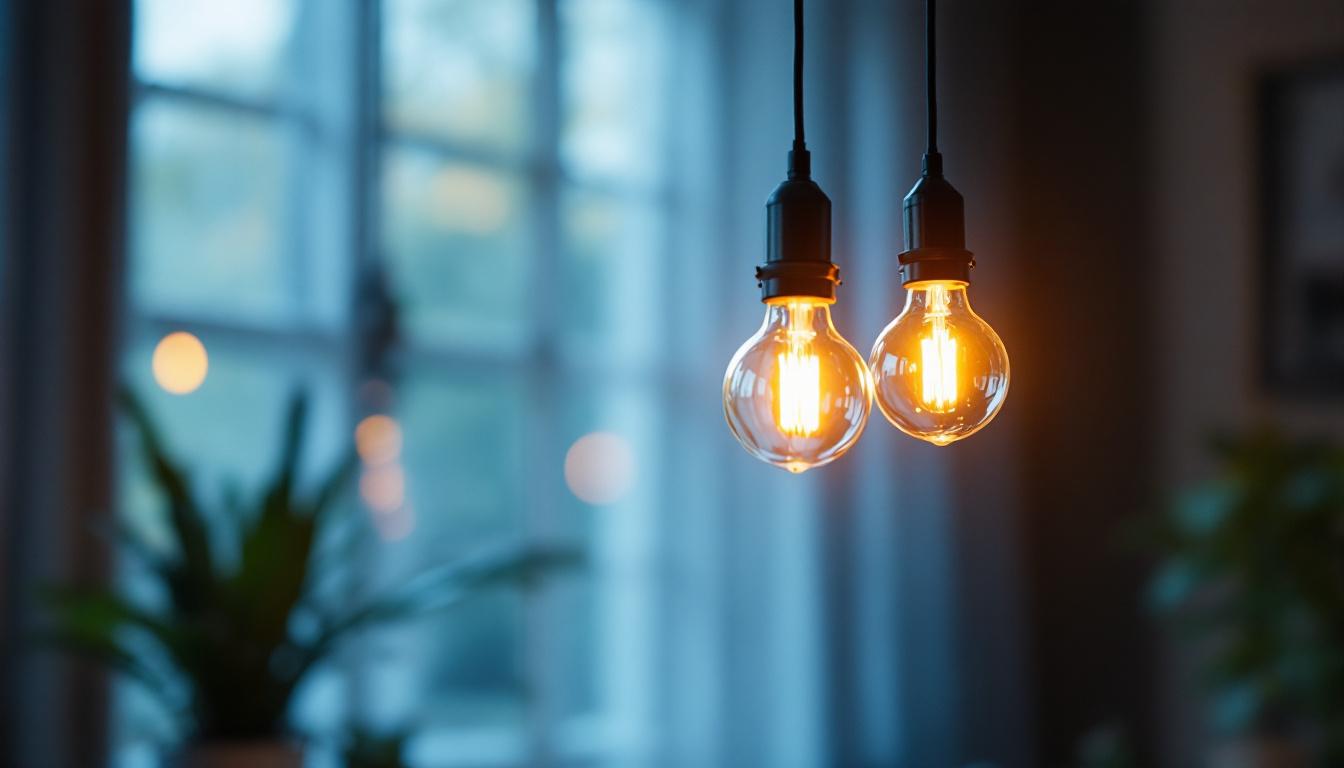
Choosing the Right LED Bulbs for Pendant Lights
Pendant lights are a staple in both residential and commercial lighting design. They offer focused illumination and aesthetic appeal, making them a favorite among designers and clients alike. However, the choice of LED bulbs for these fixtures isn’t as straightforward as picking any bulb off the shelf. Lighting contractors must consider several factors to ensure optimal performance and client satisfaction.
First, the size and shape of the LED bulb are crucial. Pendant fixtures often have limited space, and bulbs that are too large can look awkward or even fail to fit properly. Contractors should select bulbs that complement the fixture’s design while providing adequate light output. For instance, globe-shaped LEDs work well in open pendant fixtures, whereas tubular bulbs might be better suited for narrow or enclosed designs.
Another important consideration is the bulb’s base type. Pendant lights commonly use E26 or E27 bases, but some designs may require candelabra or GU10 bases. Confirming the socket type before ordering LED bulbs prevents installation issues and ensures compatibility.
Light Output and Color Temperature
Brightness is measured in lumens, and selecting the right lumen output depends on the pendant’s location and purpose. For task lighting over kitchen islands or workspaces, a higher lumen count—around 800 to 1,100 lumens—is advisable. In contrast, decorative pendants in dining or living areas may require softer light, around 400 to 600 lumens, to create ambiance.
Color temperature significantly influences the mood created by pendant lighting. Warm white (2700K to 3000K) is preferred for cozy, inviting spaces, while neutral white (3500K to 4100K) suits work environments or modern interiors. Contractors should discuss these options with clients to align lighting choices with the room’s function and style.
Moreover, the energy efficiency of LED bulbs is another critical factor. Unlike traditional incandescent bulbs, LEDs consume significantly less energy while providing the same or even greater light output. This not only reduces electricity bills but also contributes to a more sustainable environment. When advising clients, contractors should highlight the long lifespan of LED bulbs, which can last up to 25,000 hours, making them a cost-effective choice in the long run.
Lastly, dimmability is an essential feature to consider, especially in spaces where mood lighting is desired. Many modern LED bulbs are compatible with dimmer switches, allowing users to adjust the brightness according to their needs. This flexibility can enhance the functionality of pendant lights, making them suitable for various occasions—from bright task lighting during dinner prep to a soft glow for an intimate gathering. Ensuring that the chosen LED bulbs are dimmable and compatible with existing dimmer switches will provide clients with a versatile lighting solution that adapts to their lifestyle.
Ensuring Energy Efficiency and Longevity
LED bulbs are renowned for their energy efficiency and long lifespan, but not all LEDs are created equal. Lighting contractors must prioritize bulbs with verified energy ratings and reliable performance records. Choosing ENERGY STAR-certified LED bulbs is a good starting point, as these products meet strict efficiency and quality standards. Additionally, contractors should consider the color temperature of the bulbs, as this can significantly affect the ambiance of a space. Warmer color temperatures (around 2700K to 3000K) create a cozy atmosphere, ideal for residential settings, while cooler temperatures (4000K to 5000K) are better suited for workspaces where clarity and focus are essential.
Longevity is another critical factor. High-quality LED bulbs can last upwards of 25,000 to 50,000 hours, significantly reducing maintenance costs and replacement frequency. This is especially important in commercial settings where pendant lights are installed in hard-to-reach areas or high ceilings. Furthermore, the durability of LED technology means they are less prone to breakage compared to traditional incandescent or fluorescent bulbs, making them a safer option in environments with high foot traffic or where fixtures may be subject to vibration.
Heat dissipation is often overlooked but essential for LED longevity. Pendant fixtures that enclose bulbs tightly can trap heat, shortening the bulb’s life. Contractors should select LEDs designed for enclosed fixtures or ensure the pendant’s design allows adequate airflow. Additionally, using fixtures made from materials that conduct heat away from the bulb can further enhance performance. This is particularly relevant in settings where lights are used for extended periods, as excessive heat can lead to premature failure and reduced efficiency.
Compatibility with Dimmers and Controls
Many pendant lights are paired with dimmers to adjust light levels throughout the day or set the mood. Not all LED bulbs are dimmable, and using non-dimmable LEDs with dimmer switches can cause flickering, buzzing, or even damage. Contractors should verify dimmer compatibility before installation. It’s also beneficial to educate clients on the different types of dimmers available, such as trailing-edge and leading-edge dimmers, as these can affect the performance of LED bulbs differently. Choosing the right dimmer can enhance the overall user experience and ensure smooth operation.
Modern LED bulbs often support advanced controls, including smart dimming and integration with home automation systems. For clients interested in smart lighting, recommending bulbs compatible with platforms like Zigbee or Wi-Fi can add value and future-proof the installation. These smart systems not only allow for remote control of lighting but can also enable features such as scheduling, scene setting, and even voice activation through smart home devices. This level of customization can significantly enhance the convenience and functionality of lighting in both residential and commercial spaces, making it an attractive option for tech-savvy clients.
Installation Best Practices for Lighting Contractors
Proper installation is as important as selecting the right LED bulb. Pendant lights often involve wiring at ceiling height, making safety and precision paramount. Contractors should always follow local electrical codes and manufacturer guidelines. Additionally, it is advisable to use a voltage tester to ensure that the power is off before beginning any installation work. This simple step can prevent accidents and ensure a safer working environment, allowing contractors to focus on the quality of their installation without the worry of electrical hazards.
Before installing LED bulbs, check the fixture’s maximum wattage rating. Although LEDs consume less power, exceeding the fixture’s wattage limit can lead to overheating. Use bulbs that stay within these limits to maintain safety and fixture integrity. Moreover, it is beneficial to consider the thermal management of the fixture itself. Some fixtures are designed with heat sinks to dissipate heat effectively, which can enhance the longevity of both the fixture and the bulbs used. Understanding these aspects can help contractors make informed decisions that contribute to the overall performance of the lighting system.
When installing multiple pendant lights in a series or cluster, ensure uniformity in bulb type, color temperature, and brightness. This consistency avoids uneven lighting and maintains a cohesive design. Furthermore, it is essential to consider the layout and spacing of the pendants to create an inviting atmosphere. For instance, varying the heights of the pendants can add visual interest while ensuring that the light distribution remains effective for the intended space. Taking the time to plan the arrangement can greatly enhance the overall aesthetic appeal of the installation.
Addressing Common Installation Challenges
One frequent challenge is glare from pendant lights, especially when using high-lumen LEDs. Contractors can mitigate this by selecting bulbs with frosted or diffused finishes or by adding shades or diffusers to the fixture. Additionally, positioning the fixtures at appropriate heights can help reduce glare, particularly in dining or living areas where direct light can be distracting. It’s also worth considering the angle at which the light is cast, as this can significantly influence the comfort level of the space.
Another issue is flickering, often caused by incompatible dimmers or poor wiring connections. Testing bulbs with the existing dimmer before full installation can save time and prevent callbacks. In some cases, upgrading to a compatible dimmer specifically designed for LED technology can resolve flickering issues and enhance the overall user experience. Furthermore, ensuring that all connections are secure and that the wiring is up to code can prevent future complications, allowing for a smoother installation process and greater customer satisfaction.
Maintenance and Client Education
Even with long-lasting LED bulbs, maintenance remains a key part of lighting management. Contractors should advise clients on cleaning pendant fixtures regularly to prevent dust buildup, which can reduce light output and affect bulb performance.
Providing clients with information on bulb replacement schedules and how to identify early signs of failure, such as flickering or dimming, helps maintain lighting quality over time. Offering post-installation support or maintenance contracts can also enhance client relationships.
Environmental Considerations
LED bulbs are more environmentally friendly than traditional incandescent or halogen bulbs due to lower energy consumption and longer life. Lighting contractors can emphasize these benefits to clients interested in sustainability.
Proper disposal of old bulbs is another responsibility. While LEDs contain no hazardous mercury, recycling programs for electronic waste should be followed to minimize environmental impact.
Conclusion: Maximizing the Potential of LED Bulbs in Pendant Lighting
Choosing and installing LED bulbs for pendant lights requires a blend of technical knowledge, attention to detail, and client communication. By selecting the right bulb size, brightness, and color temperature, ensuring compatibility with dimmers, and following best installation practices, lighting contractors can deliver superior results that satisfy both aesthetic and functional demands.
Energy efficiency and longevity make LED bulbs a smart choice, but their benefits are fully realized only when paired with appropriate fixtures and careful installation. Educating clients on maintenance and environmental considerations further enhances the value provided by professional lighting contractors.
Ultimately, mastering these best practices empowers contractors to create lighting solutions that are beautiful, efficient, and reliable-qualities every client appreciates.
Illuminate Your Projects with LumenWholesale
Ready to elevate your lighting installations with the best LED bulbs on the market? Look no further than LumenWholesale for all your pendant lighting needs. Our extensive selection of spec-grade lighting products is designed to meet the highest industry standards, ensuring you deliver not just beauty and efficiency, but also the reliability your clients demand. With unbeatable wholesale prices and the convenience of free shipping on bulk orders, LumenWholesale is your go-to source for premium lighting without the premium price tag. Don’t compromise on quality or value—explore our collection and make your next project shine with LumenWholesale.