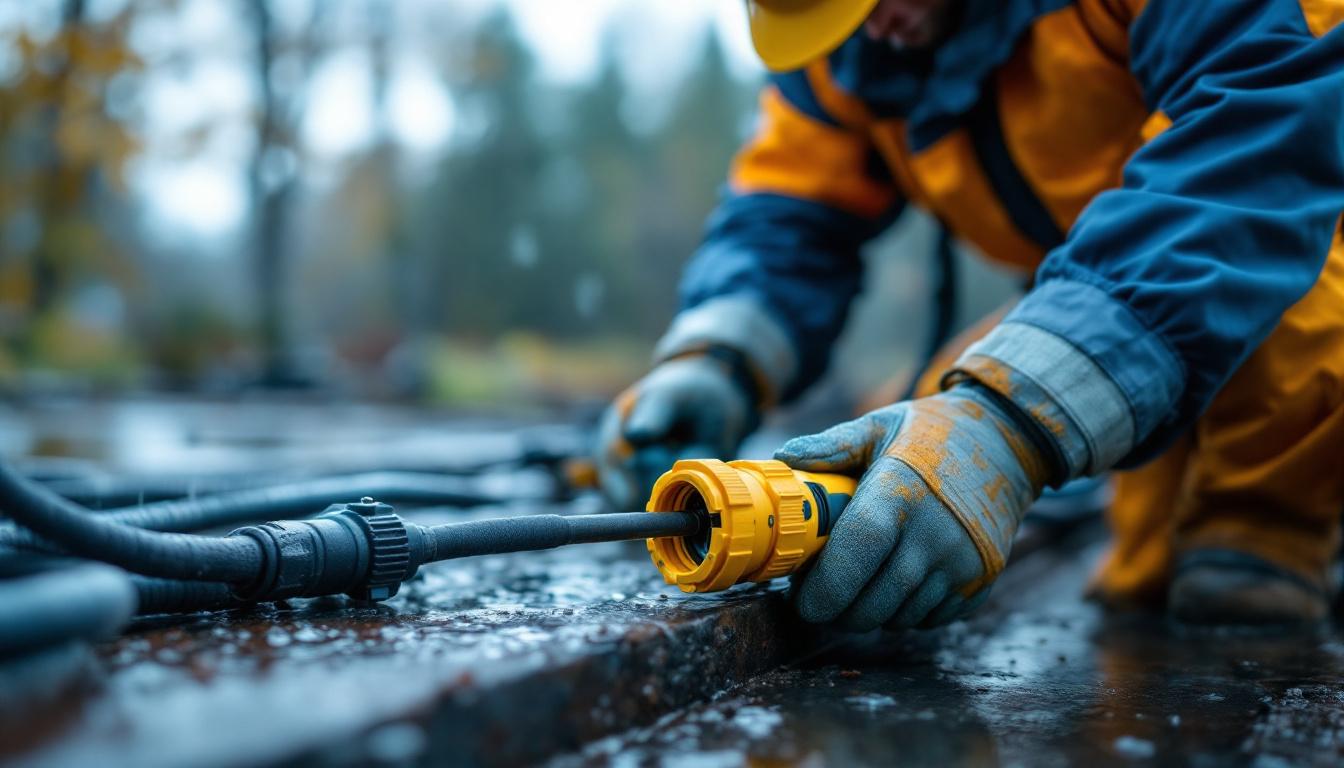
Why Waterproof Bulkhead Connectors Matter in Lighting Installations
Lighting contractors often face the challenge of installing electrical components in environments exposed to moisture, dust, and other harsh conditions. Whether it’s outdoor landscape lighting, architectural illumination, or industrial lighting projects, the integrity of electrical connections is paramount. Waterproof bulkhead electrical connectors are designed to provide a reliable seal that prevents water ingress and environmental damage.
Failing to use the right connectors can lead to corrosion, short circuits, and ultimately, system failures. These issues not only increase maintenance costs but also pose safety hazards. Understanding the role and proper selection of waterproof bulkhead connectors is essential for contractors aiming to deliver durable, code-compliant installations.
Moreover, the design of waterproof bulkhead connectors often includes features such as strain relief and locking mechanisms, which enhance the overall durability and reliability of the connection. Strain relief helps to prevent mechanical stress on the wires, which can occur due to movement or vibration in the installation environment. This is particularly important in outdoor settings where wind and weather can exert forces on the cables. Additionally, the locking mechanisms ensure that connections remain secure over time, reducing the risk of accidental disconnections that could lead to power outages or safety issues.
Another critical aspect of waterproof bulkhead connectors is their versatility in application. These connectors come in various sizes and configurations, allowing for compatibility with a wide range of lighting systems and electrical components. Whether dealing with low-voltage landscape lights or high-powered industrial fixtures, there are waterproof bulkhead connectors specifically designed to meet the unique demands of each application. This adaptability not only simplifies the installation process but also enhances the overall performance and longevity of the lighting systems, making them a smart investment for any contractor focused on quality and reliability.
Understanding Bulkhead Connectors and Their Waterproofing Mechanisms
What Are Bulkhead Connectors?
Bulkhead connectors are specialized electrical connectors designed to pass wiring through a panel or enclosure wall. They provide a secure and often sealed interface between two sides, maintaining the enclosure’s integrity while allowing electrical connections.
In lighting applications, bulkhead connectors enable easy access for wiring and maintenance without compromising the enclosure’s protection against external elements. Their robust design supports repeated connections and disconnections, which is especially useful in modular lighting systems. This modularity allows for flexibility in design and installation, making it easier to adapt to changing requirements or upgrades in technology. Furthermore, bulkhead connectors are often employed in marine and automotive applications where exposure to harsh environments is a concern, showcasing their versatility across various industries.
How Waterproofing Is Achieved
Waterproof bulkhead connectors incorporate several design features to ensure a tight seal. These include rubber gaskets, O-rings, and compression fittings that prevent water and dust from entering the enclosure. The materials used—such as high-grade plastics, stainless steel, or brass with corrosion-resistant coatings—also contribute to their durability in wet environments. The choice of materials is critical, as they must withstand not only moisture but also potential chemical exposure, particularly in industrial settings where harsh substances may be present.
IP ratings (Ingress Protection) provide a standardized measure of the connector’s resistance to dust and water. For lighting contractors, selecting connectors with an IP67 rating or higher is often recommended, as these can withstand immersion in water and heavy dust exposure. Additionally, many manufacturers provide testing data to back their claims, ensuring that users can trust the performance of these connectors in real-world applications. This level of assurance is vital for projects that require long-term reliability, particularly in outdoor or high-humidity environments where failure could lead to significant operational disruptions.
Common Problems Lighting Contractors Face with Waterproof Bulkhead Connectors
Improper Installation Leading to Leaks
Even the best waterproof connectors can fail if not installed correctly. Over-tightening or under-tightening the connector can compromise the seal. For example, overtightening may deform the gasket, while insufficient torque can leave gaps for water ingress.
Contractors must follow manufacturer torque specifications and installation procedures meticulously. Using the right tools, such as calibrated torque wrenches, helps ensure consistent and reliable sealing. Additionally, it is critical for contractors to inspect the installation site for any debris or contaminants that could interfere with the connector’s effectiveness. A clean installation area not only promotes a better seal but also extends the lifespan of the connector by reducing the risk of corrosion or other environmental damage.
Using the Wrong Connector for the Application
Not all waterproof bulkhead connectors are created equal. Some are designed for low-voltage applications, while others handle higher voltages or specific environmental conditions. Choosing a connector without considering voltage, current, or environmental exposure can lead to premature failure.
For instance, outdoor architectural lighting often requires connectors that resist UV degradation and extreme temperature fluctuations. Indoor or sheltered installations might not need such stringent specifications, but water resistance remains critical. Moreover, understanding the specific requirements of the lighting system, including the potential for vibration or movement, can influence the choice of connector. In applications where connectors may be subject to mechanical stress, selecting a robust design that can withstand such conditions is essential for long-term reliability.
Material Degradation Over Time
Exposure to UV rays, salt spray (in coastal areas), and chemicals can degrade connector materials. Plastic components may become brittle, and metal parts can corrode if not properly protected. This degradation compromises the waterproof seal and electrical safety.
Lighting contractors should specify connectors made from materials rated for the specific environment. For coastal or industrial sites, stainless steel or specialized polymer connectors offer enhanced longevity. Furthermore, regular maintenance checks can help identify early signs of wear or degradation. By implementing a proactive maintenance schedule, contractors can replace or repair connectors before they fail, ensuring that the lighting systems remain operational and safe throughout their intended lifespan. This approach not only enhances the reliability of the installation but also fosters trust and satisfaction among clients who rely on consistent lighting performance.
Best Practices for Selecting and Installing Waterproof Bulkhead Connectors
Evaluate Environmental Conditions Thoroughly
Before selecting a connector, assess the installation environment. Consider moisture levels, temperature ranges, exposure to chemicals or UV light, and mechanical stresses. This assessment guides the choice of IP rating, materials, and connector type.
For example, a connector used in a swimming pool lighting system must withstand constant water immersion and chlorine exposure, while a connector for a parking garage lighting fixture may face dust and occasional water spray. Additionally, factors such as the presence of saltwater in coastal areas can significantly impact connector longevity, as salt can accelerate corrosion. Understanding the specific environmental challenges allows for a more informed selection process, ensuring that the chosen connectors will perform reliably over time.
Match Electrical Specifications Carefully
Ensure the connector’s voltage and current ratings exceed the maximum expected load. Overloading connectors can cause overheating and failure. Also, verify compatibility with the cable gauge and type used in the lighting system.
Consulting datasheets and technical specifications is critical. When in doubt, opting for connectors with higher ratings provides a safety margin without significant cost increases. Furthermore, it is wise to consider the potential for future upgrades or changes in the electrical load. By selecting connectors that can accommodate higher capacities, you can avoid the hassle of replacing them later, thus saving time and resources in the long run.
Follow Manufacturer Installation Guidelines
Each connector model comes with specific installation instructions. These cover torque settings, sealing procedures, and recommended tools. Adhering strictly to these guidelines prevents common issues such as leaks and mechanical failures.
Training installation teams on these procedures can reduce errors. Additionally, documenting installation details helps with future maintenance and troubleshooting. It is also beneficial to conduct periodic reviews of these guidelines, as manufacturers may update their recommendations based on new findings or advancements in technology. Keeping abreast of these changes ensures that installations remain compliant with best practices and safety standards.
Test Connections After Installation
Performing water ingress tests or pressure tests after installation verifies the waterproof integrity. Simple methods include spraying water or using a damp cloth around the connection point while the system is energized to check for shorts or faults.
Advanced testing might involve using specialized equipment to simulate environmental conditions. Early detection of leaks prevents costly repairs and downtime. Moreover, implementing a routine maintenance schedule that includes regular inspections of these connections can greatly enhance the reliability of the system. This proactive approach not only identifies potential issues before they escalate but also extends the overall lifespan of the connectors and associated equipment, ensuring optimal performance throughout their operational life.
Innovations and Trends in Waterproof Bulkhead Connectors for Lighting
Smart Connectors with Diagnostic Capabilities
Newer waterproof bulkhead connectors integrate sensors that monitor connection integrity, temperature, and moisture levels. These smart connectors can alert contractors or facility managers to potential issues before failure occurs.
Such technology enhances preventive maintenance and reduces unexpected outages, especially in critical lighting installations like emergency or security lighting.
Eco-Friendly and Sustainable Materials
As sustainability becomes a priority, manufacturers are developing connectors using recyclable materials and low-impact production processes. These connectors maintain durability and waterproofing standards while reducing environmental footprints.
Lighting contractors can leverage these options to meet green building certifications and client sustainability goals.
Modular and Tool-Free Designs
To improve installation speed and reduce errors, some waterproof bulkhead connectors now feature modular designs with tool-free locking mechanisms. These connectors simplify wiring changes and maintenance, especially in complex lighting systems.
However, it remains essential to ensure that these designs meet the required IP ratings and electrical specifications for the application.
Conclusion: Avoiding Issues with Waterproof Bulkhead Connectors
Waterproof bulkhead electrical connectors are critical components in ensuring the longevity and safety of lighting installations exposed to harsh environments. Lighting contractors who invest time in selecting the right connectors, following proper installation practices, and conducting thorough testing can avoid common pitfalls such as leaks, corrosion, and electrical failures.
Staying informed about the latest connector technologies and materials also helps contractors deliver high-quality, durable lighting solutions that satisfy client expectations and regulatory requirements. Ultimately, attention to detail in connector selection and installation translates to fewer callbacks, safer installations, and enhanced reputation in the lighting industry.
Get Your Premium Lighting Supplies at LumenWholesale
Ready to enhance your lighting installations with the highest quality waterproof bulkhead connectors? Look no further than LumenWholesale. Our commitment to providing spec-grade lighting products at unbeatable wholesale prices ensures that you can tackle any project with confidence. Say goodbye to local distributor markups and hello to a vast selection of reliable, high-performance lighting essentials. With free shipping on bulk orders, LumenWholesale is your go-to source for premium lighting solutions that combine quality, affordability, and convenience. Don’t compromise on your installations; choose LumenWholesale for the best value in lighting. Wholesale Lighting at the Best Value.