Understanding the Unique Challenges of Flat Landscape Lighting
Flat landscapes present a distinct set of challenges for lighting contractors. Unlike hilly or terraced terrain where elevation changes can naturally create depth and shadow, flat landscapes often feel one-dimensional and can lack visual interest when illuminated improperly. The absence of natural contours means lighting must compensate by creating layers, focal points, and texture through careful placement and fixture selection.
Contractors need to think beyond simply placing lights along pathways or near plants. The goal is to transform a flat expanse into a dynamic, inviting space after dark. This requires a strategic approach that balances functional illumination with aesthetic appeal. For instance, incorporating elements like uplighting on trees or architectural features can draw the eye upward, creating a sense of height and grandeur that counters the flatness of the terrain. Additionally, the use of color-changing LEDs can introduce a playful element, allowing for seasonal or event-based transformations that keep the landscape feeling fresh and engaging.
Why Flat Landscapes Require Specialized Lighting Techniques
Flat terrain tends to reflect light differently compared to uneven ground. Without natural slopes or elevations to break up light beams, illumination can appear harsh or washed out. This makes it harder to create shadows or highlights that add dimension. Additionally, flat landscapes are often expansive, increasing the risk of over-lighting or creating glare if fixtures are too powerful or poorly positioned.
Lighting contractors must carefully select fixtures with appropriate beam angles and lumen outputs to avoid these pitfalls. Low-profile fixtures with adjustable heads can help direct light precisely where it’s needed, preventing light pollution and enhancing the overall effect. Moreover, integrating smart lighting technology can further enhance the adaptability of flat landscape lighting. By utilizing motion sensors and programmable settings, contractors can ensure that the lighting dynamically responds to the environment, providing safety and security while also enhancing the ambiance. This not only optimizes energy usage but also allows for a more tailored approach to lighting that can evolve with the changing seasons and activities taking place in the space.
Choosing the Right Fixtures for Flat Landscape Lighting
Fixture selection is critical when working with flat landscapes. The goal is to use lighting that enhances texture, defines spaces, and creates visual interest without overwhelming the scene.
Low-Profile and Adjustable Fixtures
Low-profile fixtures blend seamlessly into flat terrain, minimizing visual clutter during the day while providing effective illumination at night. Adjustable heads allow contractors to fine-tune beam direction, which is essential for creating layered lighting effects on a flat plane.
For example, using adjustable spotlights to highlight architectural features or specimen plants can add depth and focal points. Meanwhile, well-placed path lights can safely guide movement without dominating the landscape.
Wide Beam vs. Narrow Beam Options
Understanding beam spread is crucial. Wide beam fixtures flood an area with soft, even light, ideal for general illumination across flat surfaces. Narrow beam fixtures concentrate light into tight spots, perfect for accentuating specific elements like trees, sculptures, or water features.
Combining these beam types within a single project allows contractors to create a balanced lighting design that feels natural and engaging rather than flat and monotonous.
LED Technology and Energy Efficiency
LED lighting has become the standard for landscape projects due to its longevity, energy efficiency, and versatility. For flat landscapes, LEDs offer precise control over color temperature and intensity, enabling contractors to tailor lighting schemes to client preferences and site requirements.
Choosing fixtures with high-quality LEDs ensures consistent color rendering and reduces maintenance costs over time. Additionally, dimmable LEDs provide flexibility to adjust lighting levels throughout the evening, enhancing ambiance and conserving energy.
Design Strategies to Enhance Flat Landscape Lighting
Successful lighting design on flat landscapes hinges on creating depth and interest through layering and contrast. This requires thoughtful planning and creative use of light and shadow.
Layered Lighting: Ambient, Task, and Accent
Layered lighting involves combining different types of illumination to serve multiple purposes. Ambient lighting provides overall visibility, task lighting focuses on functional areas like walkways or seating, and accent lighting highlights specific features.
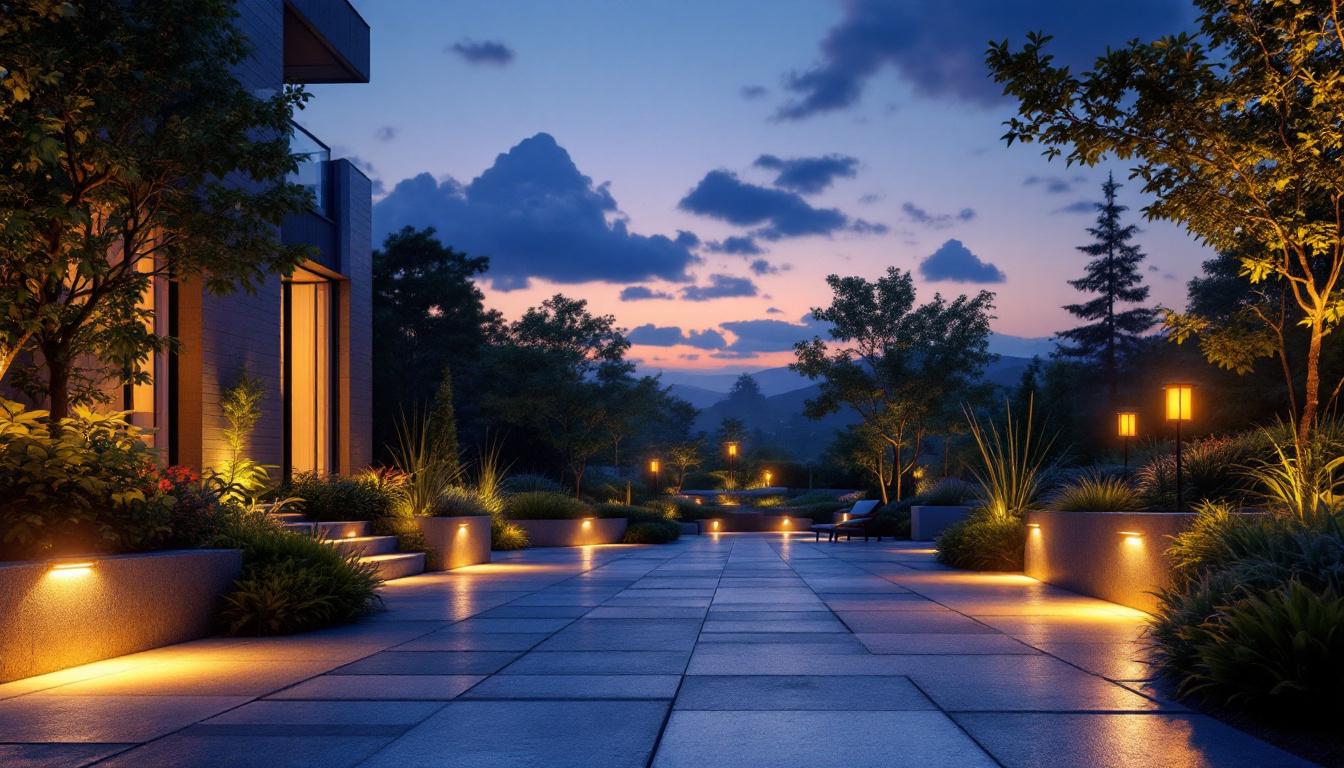
In flat landscapes, layering helps break up the visual monotony. For instance, low-level path lights can guide movement, while uplights on trees or architectural elements create vertical interest. Accent lights on garden beds or water features add texture and focal points.
Using Shadows to Create Depth
Shadows are a powerful tool for adding dimension to flat landscapes. By positioning lights at angles that cast shadows from plants, fences, or decorative elements, contractors can introduce a sense of depth and intrigue.
For example, placing an uplight at the base of a tree can create dramatic shadows on a nearby wall or lawn, transforming an otherwise flat area into a visually captivating scene.
Color Temperature and Mood
Choosing the right color temperature affects how a landscape feels after dark. Warmer tones (2700K–3000K) evoke a cozy, inviting atmosphere, while cooler tones (3500K–4000K) feel crisp and modern.
For flat landscapes, warmer light often works best to soften the environment and create a welcoming space. However, mixing temperatures can highlight different zones or features, adding complexity to the design.
Installation Best Practices for Flat Landscape Lighting
Proper installation is key to achieving the desired effect and ensuring long-term performance. Flat landscapes require particular attention to fixture placement, wiring, and environmental factors.
Spacing and Placement
Even spacing of fixtures prevents dark patches and over-lit areas. For path lighting, spacing lights approximately 6 to 8 feet apart typically provides consistent illumination without glare. Accent lights should be positioned to highlight features without creating hotspots.
Contractors should also consider sight lines from common vantage points such as patios, windows, and walkways to optimize visual impact.
Wiring and Power Considerations
Flat landscapes often cover large areas, necessitating careful planning of wiring routes and power sources. Using low-voltage systems reduces safety risks and energy consumption, but voltage drop must be accounted for to maintain consistent brightness.
Running wiring underground and protecting it with conduit or protective sleeves prevents damage from landscaping activities or weather. Additionally, incorporating timers or smart controls allows clients to automate lighting schedules and adjust settings remotely.
Weatherproofing and Durability
Fixtures installed in flat landscapes are exposed to elements such as rain, wind, and temperature fluctuations. Selecting weatherproof fixtures with appropriate IP ratings ensures longevity and reduces maintenance.
Contractors should also secure fixtures firmly to prevent shifting or tipping, which can disrupt beam angles and compromise the design.
Common Mistakes to Avoid in Flat Landscape Lighting
Even experienced contractors can fall into traps that diminish the effectiveness of flat landscape lighting. Recognizing and avoiding these mistakes can elevate the quality of any project.
Over-Illumination and Glare
Flooding a flat landscape with too much light can wash out textures and create discomfort for occupants and neighbors. Glare from improperly aimed fixtures can also reduce safety and enjoyment.
Using fixtures with shields, selecting appropriate lumen outputs, and careful aiming help mitigate these issues.
Ignoring Maintenance Access
Flat landscapes often have fixtures embedded in lawns or garden beds. Failing to plan for easy access during installation can complicate bulb replacements or repairs.
Contractors should design layouts that allow clients or maintenance personnel to reach fixtures without damaging plants or turf.
Neglecting Client Lifestyle and Preferences
Lighting should reflect how clients use their outdoor spaces. A design that looks great but doesn’t support evening activities or moods won’t satisfy the client.
Engaging clients in the design process and offering adjustable lighting controls ensures the final installation meets their needs.
Advanced Techniques and Technologies for Flat Landscape Lighting
Innovations in lighting technology and design methods offer new opportunities to enhance flat landscapes beyond traditional approaches.
Smart Lighting Controls
Integrating smart controls allows clients to customize lighting scenes, adjust brightness, and schedule operation from smartphones or voice assistants. This flexibility enhances user experience and energy efficiency.
For contractors, offering smart systems can differentiate their services and add value to projects.
Dynamic and Color-Changing Lighting
RGB or tunable white fixtures enable dynamic lighting effects that can change color or intensity throughout the evening or for special occasions. These options bring versatility to flat landscapes, allowing spaces to transform with mood or season.
Proper programming and placement are essential to avoid overwhelming the space or creating visual chaos.
Solar-Powered Fixtures
Solar landscape lights reduce wiring complexity and energy costs. While traditionally less powerful than wired LEDs, advances in solar technology have improved brightness and reliability.
Solar fixtures are ideal for remote or small flat areas where running power lines is impractical.
Case Studies: Successful Flat Landscape Lighting Projects
Examining real-world examples helps illustrate effective methods and inspire new ideas.
Residential Backyard Transformation
A lighting contractor was tasked with illuminating a large, flat backyard dominated by lawn and minimal planting. By layering low-level path lights, uplighting mature trees, and installing accent lights on a water feature, the space gained depth and warmth. Adjustable LED fixtures allowed the homeowner to dim lights for intimate gatherings or brighten for outdoor activities.
Commercial Plaza Lighting
In a flat urban plaza, the contractor used a combination of wide-beam floodlights for ambient lighting and narrow-beam spotlights to highlight sculptures and seating areas. Smart controls enabled the property manager to adjust lighting schedules based on foot traffic and events, improving safety and energy efficiency.
Public Park Walkway
A flat park walkway was enhanced using low-profile bollard lights spaced evenly to guide pedestrians. Uplights on trees created vertical interest, while subtle accent lights on benches improved usability. The design minimized light pollution, preserving the park’s natural ambiance.
Conclusion: Mastering Flat Landscape Lighting
Lighting flat landscapes requires a thoughtful blend of technical skill, creative design, and client collaboration. By selecting the right fixtures, employing layered lighting strategies, and avoiding common pitfalls, contractors can transform flat outdoor spaces into captivating environments that function beautifully after dark.
Staying current with technology and continuously refining installation techniques ensures projects not only meet but exceed client expectations. Flat landscapes may lack natural elevation, but with proven lighting methods, they can shine with depth, texture, and personality.
Illuminate Your Flat Landscapes with LumenWholesale
Ready to elevate your flat landscape lighting projects with fixtures that promise quality and affordability? Look no further than LumenWholesale, where we offer an extensive selection of spec-grade lighting products at wholesale prices that outshine the competition. Say goodbye to middleman markups and hello to high-performance lighting that fits your budget. With free shipping on bulk orders, you’ll enjoy the best value without any hidden fees. Transform your outdoor spaces into captivating environments with the reliability and efficiency of LumenWholesale. Wholesale Lighting at the Best Value is just a click away.