Understanding the Unique Lighting Needs of Island Environments
Islands present a distinct set of challenges and opportunities when it comes to lighting projects. Unlike mainland urban or suburban areas, island environments often combine natural beauty with logistical constraints that demand tailored lighting solutions. For lighting contractors, grasping these unique factors is essential to delivering successful projects that satisfy both functional and aesthetic requirements.
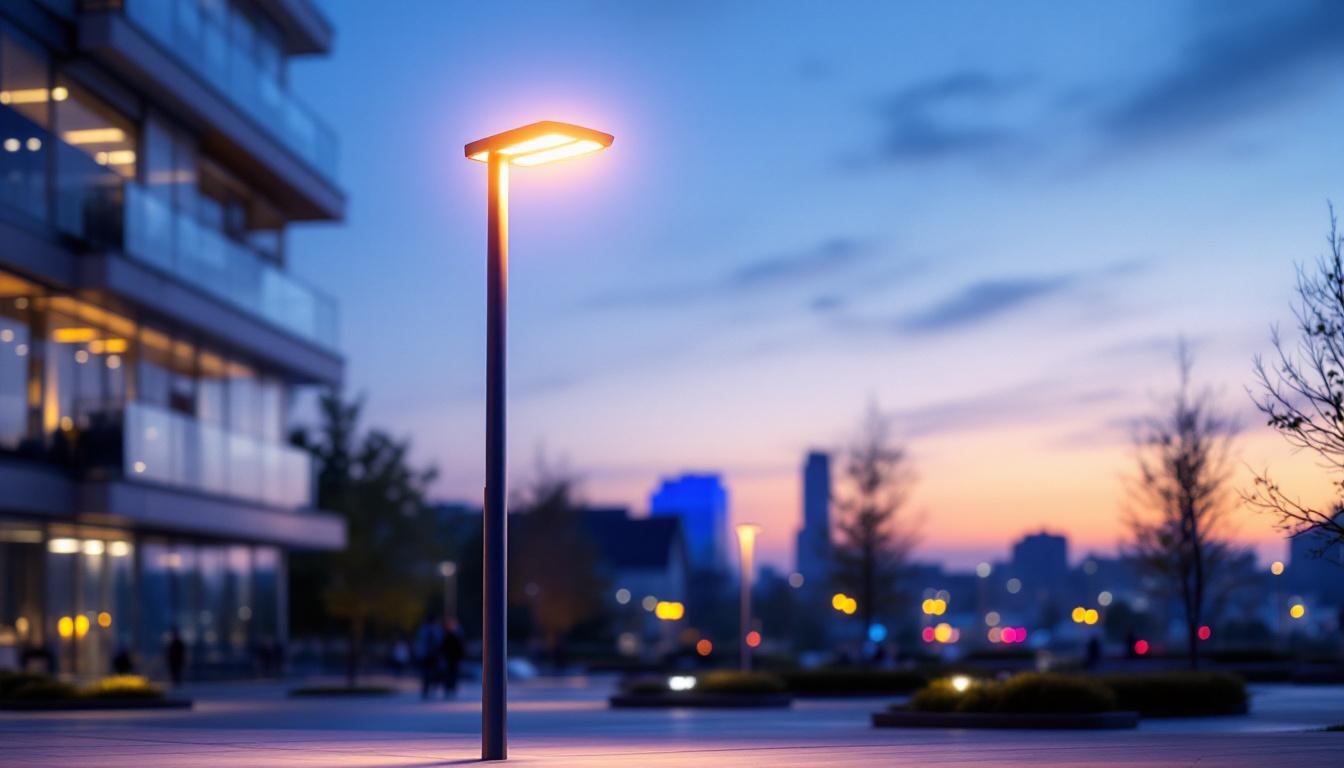
One of the most significant considerations is the interplay between natural light and artificial illumination. Islands typically enjoy abundant sunlight during the day, but the transition to evening brings a need for carefully designed lighting that complements the natural surroundings without overwhelming them. Contractors must balance brightness levels to ensure safety and visibility while preserving the island’s ambiance. This often involves using warm color temperatures that mimic the hues of sunset, creating a seamless transition from day to night and enhancing the island’s natural beauty.
Additionally, the environmental sensitivity of many island ecosystems requires lighting that minimizes ecological disruption. This means selecting fixtures and technologies that reduce light pollution, avoid disturbing wildlife, and conserve energy. For example, certain species of sea turtles are known to be affected by artificial lighting near beaches, so contractors working on coastal island projects must employ turtle-friendly lighting solutions. Moreover, the choice of materials for lighting fixtures is crucial; using corrosion-resistant materials can prolong the lifespan of installations in coastal environments where saltwater can be particularly damaging.
Beyond the ecological considerations, island communities often have unique cultural and historical elements that should be reflected in lighting design. Many islands boast rich heritages, and incorporating local architectural styles and traditional designs into lighting projects can enhance the sense of place. For instance, using lantern-style fixtures or fixtures that mimic traditional island designs can create a cohesive look that resonates with both residents and visitors. Furthermore, community engagement in the design process can foster a sense of ownership and pride among locals, ensuring that the lighting not only serves its practical purpose but also enriches the island’s cultural landscape.
Material and Equipment Considerations for Island Projects
Durability Against Harsh Environmental Conditions
Salt air, high humidity, and strong winds are common on islands, and these factors can accelerate wear and tear on lighting equipment. Lighting contractors must specify materials and fixtures that can withstand corrosion and moisture intrusion. Stainless steel, marine-grade aluminum, and specially coated finishes are often preferred to ensure longevity and reduce maintenance costs.
Sealed and weatherproof fixtures are essential, especially for outdoor and coastal installations. IP ratings (Ingress Protection) of IP65 or higher are typically recommended to guard against dust and water ingress. This level of protection helps avoid premature failures and keeps projects on schedule without costly replacements. Additionally, the use of UV-resistant materials can further enhance durability, as prolonged exposure to sunlight can degrade certain plastics and coatings over time. By investing in high-quality, resilient materials, contractors not only ensure the safety and functionality of their installations but also contribute to the overall aesthetic appeal of the island environment.
Logistical Challenges and Supply Chain Management
Transporting lighting equipment to islands can be complex and expensive. Contractors need to plan meticulously to avoid delays caused by limited shipping schedules or customs procedures. Bulk ordering and consolidating shipments can help reduce costs, but this requires accurate forecasting and close coordination with suppliers.
On-site storage space may also be limited, so contractors must carefully manage inventory to prevent damage or loss. Prefabrication and modular lighting systems can streamline installation and reduce time spent on site, which is particularly valuable in remote island locations. Furthermore, establishing strong relationships with local suppliers can provide a backup plan for unforeseen circumstances, such as equipment failure or unexpected demand. Utilizing local resources not only enhances the efficiency of the project but also supports the island’s economy, fostering goodwill among the community. Moreover, understanding the unique logistical landscape of each island can lead to innovative solutions, such as utilizing drones for small part deliveries or collaborating with local transportation services to navigate the challenges of island access more effectively.
Energy Efficiency and Sustainability in Island Lighting Projects
Leveraging Renewable Energy Sources
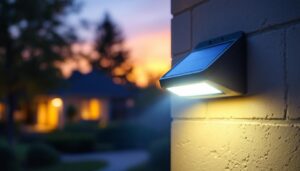
Many islands face constraints on energy supply and rely heavily on diesel generators or imported fuel, which can be costly and environmentally damaging. Lighting contractors have a critical role in integrating renewable energy solutions such as solar-powered lighting systems. These systems reduce dependency on the grid and support sustainability goals.
Solar lighting is especially effective for pathways, public spaces, and remote areas where running electrical wiring is impractical. Advances in battery technology and LED efficiency have made solar options more reliable and cost-competitive, making them a practical choice for island projects. Furthermore, the implementation of solar lighting can stimulate local economies by creating job opportunities in installation and maintenance, fostering a sense of community ownership over these sustainable initiatives. As islands increasingly prioritize eco-friendly practices, the transition to solar lighting can serve as a model for other regions grappling with similar energy challenges.
Smart Lighting Controls for Optimized Performance
Incorporating smart controls like motion sensors, dimmers, and timers can significantly reduce energy consumption. For islands with limited power infrastructure, these technologies help ensure lighting is used only when necessary. For example, streetlights equipped with adaptive controls can dim during low-traffic hours, extending battery life in solar systems and lowering electricity bills.
Smart lighting also enhances safety and convenience. Contractors can program lighting to respond dynamically to environmental conditions or occupancy, providing a tailored experience that respects both human needs and ecological balance. Additionally, the integration of smart technology can facilitate data collection on usage patterns, enabling further optimization of energy resources. This data-driven approach not only improves the efficiency of lighting systems but also empowers local authorities to make informed decisions regarding future infrastructure investments, ensuring that they align with the islands’ long-term sustainability objectives.
Design Considerations: Balancing Functionality and Aesthetics
Preserving the Island’s Character Through Lighting Design
Lighting contractors must collaborate closely with designers and clients to create solutions that highlight an island’s natural beauty and cultural heritage. This often means using warm color temperatures, subtle accent lighting, and fixtures that blend seamlessly with the environment. The choice of materials for light fixtures can also play a significant role; for instance, using weather-resistant metals or sustainably sourced wood can enhance the organic feel of the surroundings while ensuring durability against the elements.
For example, in tourist-heavy island destinations, lighting can enhance landmarks, waterfronts, and outdoor dining areas without causing glare or harsh shadows. Thoughtful placement and fixture selection contribute to a welcoming atmosphere that encourages evening activity and supports local businesses. Additionally, incorporating smart lighting technology can allow for dynamic adjustments based on time of day or occupancy, providing both energy efficiency and an adaptable ambiance that reflects the island’s vibrant culture and nightlife.
Meeting Safety and Regulatory Requirements
While aesthetics are important, safety remains paramount. Contractors need to ensure that lighting levels meet or exceed local codes for pedestrian walkways, roadways, and public spaces. On islands where emergency services may be limited, well-lit areas can reduce accidents and improve response times. Furthermore, integrating features such as motion-sensor lighting can enhance safety by illuminating pathways only when needed, thereby conserving energy and reducing light pollution.
Regulatory frameworks on islands may also include specific guidelines to protect wildlife and minimize light pollution. Contractors should be familiar with these rules and incorporate compliant solutions, such as shielded fixtures and carefully directed beams, to avoid fines and community backlash. Moreover, engaging with local environmental groups during the planning phase can foster goodwill and ensure that the lighting design not only complies with regulations but also aligns with community values, promoting a sense of stewardship for the island’s unique ecosystems.
Case Studies: Successful Island Lighting Projects
Revitalizing a Coastal Boardwalk with Sustainable Lighting
A recent project on a popular island boardwalk involved replacing outdated fixtures with energy-efficient LEDs powered by solar panels. The contractor integrated smart controls that dimmed lights during late-night hours and brightened them during peak visitor times. This approach reduced energy consumption by over 40% and enhanced the visitor experience by creating a warm, inviting glow.
The project also included turtle-friendly lighting near the beach, using amber LEDs that minimize disruption to nesting patterns. The success of this initiative demonstrated how sustainability and functionality could coexist in an island setting.
Modernizing Island Roadways with Durable and Adaptive Lighting
Another example involved upgrading the roadway lighting on an island with frequent storms and salty air. The contractor selected marine-grade fixtures with high IP ratings and corrosion-resistant finishes. Smart sensors were installed to adjust brightness based on traffic volume and weather conditions.
This project improved road safety, reduced maintenance costs, and extended the lifespan of the lighting system. The adaptive lighting also helped the island reduce its carbon footprint by lowering electricity use during off-peak hours.
Key Takeaways for Lighting Contractors Working on Island Projects
Island lighting projects demand a comprehensive approach that addresses environmental, logistical, and design challenges. Contractors who understand the nuances of island ecosystems and infrastructure can deliver solutions that are durable, energy-efficient, and visually appealing.
Prioritizing materials that withstand harsh conditions, integrating renewable energy, and employing smart controls are essential strategies. Equally important is respecting the island’s natural and cultural context through sensitive lighting design that supports safety without compromising beauty.
Successful island projects often require proactive planning and collaboration with local stakeholders, suppliers, and regulatory bodies. By anticipating challenges and leveraging innovative technologies, lighting contractors can create installations that enhance island life for residents and visitors alike.
Illuminate Your Island Projects with LumenWholesale
Ready to tackle the unique challenges of island lighting with confidence? At LumenWholesale, we provide lighting contractors with the high-quality, spec-grade lighting products you need at unbeatable wholesale prices. Say goodbye to inflated markups and hello to a vast selection of durable, energy-efficient lighting solutions that meet the highest industry standards. With free shipping on bulk orders, LumenWholesale is your go-to source for premium lighting without the hidden fees or compromises. Elevate your island lighting projects and enjoy the perfect blend of quality, affordability, and convenience. Discover wholesale lighting at the best value today and bring your vision to light with LumenWholesale.