Understanding the Role of Wire Taps in Lighting Installations
Wire taps are essential components for lighting contractors, especially when it comes to creating reliable electrical connections without cutting or stripping wires. These devices allow for quick splicing into existing circuits, making them invaluable for adding new lighting fixtures or modifying existing setups.
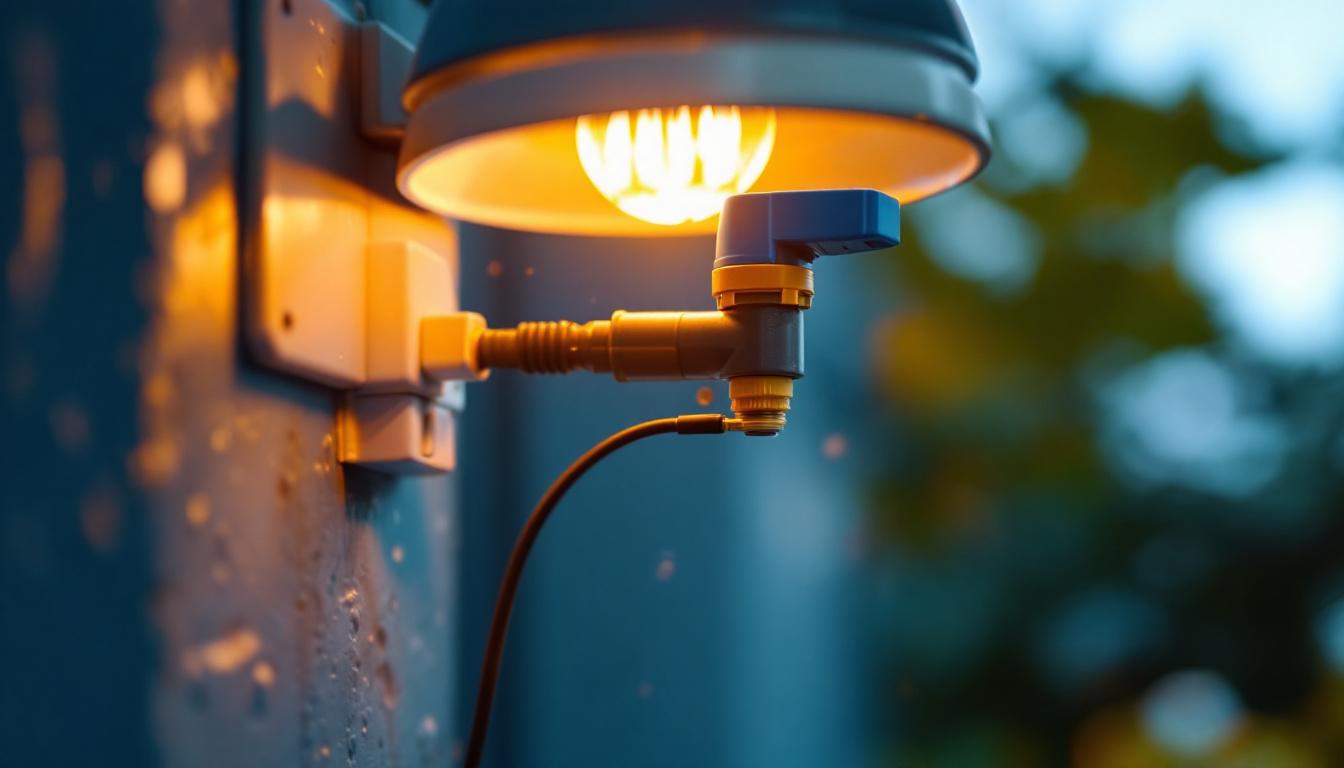
However, the environment where lighting installations occur can vary drastically. Outdoor lighting, landscape illumination, and even indoor areas prone to moisture demand a higher standard of protection. This is where waterproof wire taps come into play, offering a safeguard against the elements that could otherwise compromise electrical safety and performance.
In addition to their protective qualities, wire taps also enhance the efficiency of lighting projects. By enabling contractors to connect multiple fixtures without extensive rewiring, they facilitate a more streamlined installation process. This not only saves time but also reduces labor costs, making projects more economically viable. Furthermore, the ability to easily disconnect and reconnect fixtures can be particularly useful in temporary installations, such as event lighting or seasonal displays, where flexibility is key.
Moreover, the variety of wire taps available on the market today caters to different installation needs. From simple inline taps for basic connections to more advanced models featuring built-in fuses or circuit breakers, contractors can select the right type for their specific application. This range of options ensures that whether one is working on a small residential project or a large commercial installation, there is a suitable wire tap that meets both safety and functionality requirements. Understanding these nuances can significantly impact the overall success and longevity of a lighting installation.
Why Waterproofing Matters in Electrical Connections
Exposure to Moisture and Its Consequences
Moisture is one of the biggest enemies of electrical connections. When water seeps into a wire tap, it can cause corrosion, leading to increased resistance and potential failure of the circuit. This not only disrupts the lighting system but also poses a significant safety hazard, including the risk of short circuits and electrical fires.
Outdoor lighting installations are particularly vulnerable. Rain, dew, snow, and even humidity can penetrate poorly sealed connections, accelerating wear and tear. Waterproof wire taps prevent water ingress, ensuring the longevity and reliability of the lighting system. In addition to environmental factors, temperature fluctuations can exacerbate the effects of moisture. For instance, when water freezes within a connection, it expands, potentially causing physical damage to the wires and connectors. This cycle of freezing and thawing can lead to further degradation over time, making waterproofing not just a precaution, but a necessity for any outdoor electrical installation.
Maintaining Electrical Integrity
Waterproof wire taps maintain a secure and stable connection by sealing off the splice from environmental factors. This protection keeps electrical conductivity consistent, which is crucial for lighting systems that require steady voltage and current to function correctly. Moreover, the materials used in waterproof connections are often designed to withstand not only moisture but also UV exposure and extreme temperatures, further enhancing their durability.
For contractors, this means fewer callbacks and maintenance visits. A waterproof connection reduces the chance of intermittent faults that can be difficult to diagnose and costly to fix. Furthermore, the use of waterproof components can enhance the overall aesthetic of outdoor installations. With reliable connections, contractors can confidently design intricate lighting layouts without the fear of future failures, allowing for creative expressions that illuminate landscapes beautifully. This not only increases customer satisfaction but also boosts the contractor’s reputation for quality workmanship in the competitive electrical industry.
Key Features of Waterproof Wire Taps
Sealing Mechanism
Waterproof wire taps typically feature a robust sealing mechanism, often incorporating silicone or rubber gaskets that envelop the splice area. This seal prevents water and dust from entering the connection point.
Some models also use heat-shrink tubing or adhesive-lined sleeves that shrink tightly around the wires when heated, providing an additional layer of protection. These features are critical in environments where water exposure is frequent or unpredictable. For instance, in marine applications, where saltwater can corrode standard connections, these sealing mechanisms ensure longevity and reliability, making them indispensable for boat wiring and coastal installations.
Material Durability
The materials used in waterproof wire taps are designed to withstand harsh conditions. UV-resistant plastics and corrosion-resistant metals ensure that the tap remains functional even after prolonged exposure to sunlight, rain, and temperature fluctuations.
Durability is not just about weather resistance; it also means the wire tap can endure mechanical stresses such as vibrations or accidental pulls without compromising the connection. In industrial settings, where machinery can create significant vibrations, these durable materials help maintain a secure connection, reducing the risk of failure and the associated downtime costs. Furthermore, some manufacturers have begun to incorporate advanced composites that not only resist corrosion but also provide additional strength, making these wire taps suitable for extreme environments like deserts or high-altitude locations.
Ease of Installation
For lighting contractors, time is money. Waterproof wire taps are engineered for quick and straightforward installation. Many come with snap-on designs or simple crimping mechanisms that don’t require specialized tools.
This ease of use allows contractors to complete jobs efficiently without sacrificing quality or safety, which is especially important when working in tight or awkward spaces. Additionally, many waterproof wire taps are color-coded or labeled for easy identification, streamlining the installation process even further. This thoughtful design consideration not only enhances productivity but also minimizes the likelihood of errors during installation, ensuring that each connection is made correctly the first time. As a result, contractors can focus on delivering high-quality work rather than getting bogged down by complicated wiring processes.
Applications Where Waterproof Wire Taps Are Indispensable
Outdoor Landscape Lighting
Landscape lighting is exposed to all kinds of weather conditions. Waterproof wire taps ensure that connections in garden beds, pathways, and outdoor walls remain secure and operational year-round. This reliability enhances both the aesthetic appeal and safety of outdoor spaces.
Commercial and Residential Exterior Lighting
From parking lot illumination to porch lights, exterior lighting systems benefit greatly from waterproof wire taps. These connections help maintain consistent lighting performance and reduce maintenance costs by preventing moisture-related failures.
Marine and Wet Location Installations
Lighting installations near pools, fountains, or docks require the highest level of waterproofing. Waterproof wire taps designed for wet locations comply with strict safety standards, ensuring that electrical connections remain safe and functional despite constant exposure to water.
Choosing the Right Waterproof Wire Tap for Your Project
Assessing Environmental Conditions
Before selecting a waterproof wire tap, consider the specific environmental challenges of the installation site. Factors such as exposure to rain, humidity levels, temperature extremes, and potential physical damage should influence your choice.
For example, a wire tap used in a coastal area must resist saltwater corrosion, while one used in a shaded, damp garden might prioritize mold and mildew resistance.
Compatibility with Wire Types and Sizes
Wire taps come in various sizes to accommodate different wire gauges. Ensuring the tap matches the wire size is critical for a secure connection and proper sealing.
Additionally, some wire taps are designed for specific wire types, such as solid or stranded copper wires. Using the correct type prevents poor connections and potential electrical faults.
Compliance with Safety Standards
Always choose waterproof wire taps that meet recognized safety certifications, such as UL (Underwriters Laboratories) or CSA (Canadian Standards Association). Compliance guarantees that the product has been tested for safety and performance under specified conditions.
Best Practices for Installing Waterproof Wire Taps
Preparing the Wires
Proper wire preparation is the foundation of a reliable connection. Wires should be clean, free of corrosion, and stripped to the correct length as specified by the wire tap manufacturer.
Avoid nicking or damaging the wire strands during stripping, as this can weaken the connection and lead to failure.
Ensuring a Tight Seal
After inserting the wires into the waterproof wire tap, make sure the sealing mechanism is fully engaged. For heat-shrink models, use a heat gun evenly to activate the adhesive lining and shrink the tubing tightly around the wires.
Double-check the seal by gently tugging on the wires and inspecting for any gaps or openings where moisture could enter.
Testing the Connection
Once installed, test the electrical connection for continuity and proper voltage. This step confirms that the wire tap is functioning correctly before the lighting system is fully operational.
Regular inspections during routine maintenance can also help identify any potential issues early, preventing costly repairs.
Common Mistakes to Avoid with Waterproof Wire Taps
Using Non-Waterproof Taps in Wet Environments
One of the most frequent errors is using standard wire taps in locations exposed to moisture. While these may work temporarily, water intrusion will eventually cause corrosion and failure.
Investing in waterproof wire taps from the outset saves time, money, and safety risks down the line.
Improper Installation Techniques
Failing to follow manufacturer instructions for installation can compromise the waterproofing. For example, not applying enough heat to a heat-shrink wire tap or not fully closing a snap-on design can leave the connection vulnerable.
Ignoring Wire Size and Type Compatibility
Using a wire tap that doesn’t match the wire gauge or type can result in loose connections, increased resistance, and potential overheating. Always verify compatibility before installation.
Conclusion: Investing in Waterproof Wire Taps Pays Off
For lighting contractors, the choice to use waterproof wire taps is a critical decision that directly impacts the quality, safety, and durability of lighting installations. These specialized taps protect against moisture-related damage, reduce maintenance needs, and ensure consistent electrical performance.
Choosing the right waterproof wire tap, installing it correctly, and understanding its importance in various applications can set a contractor apart in delivering reliable, professional lighting solutions that stand the test of time.
Get Your Premium Waterproof Wire Taps at LumenWholesale
Ready to elevate your lighting installations with the highest quality waterproof wire taps? Look no further than LumenWholesale, where we offer an exceptional range of spec-grade lighting products designed to meet the rigorous demands of any project. Our commitment to affordability means you get the best value without the middleman markup, and with free shipping on bulk orders, you can stock up on the essentials without the extra costs. Don’t compromise on quality or price. Shop at LumenWholesale now for wholesale lighting that combines quality, affordability, and convenience, ensuring your projects shine above the rest.