Redefining Ambiance in Funeral Services
Lighting plays a pivotal role in shaping the atmosphere of any space, but nowhere is this more sensitive and significant than in funeral services. The right lighting can provide comfort, evoke reflection, and honor the memory of loved ones. For lighting contractors, understanding how to design and install funeral lighting that balances respect with innovation is essential.
Traditional funeral lighting often relied on soft, warm tones to create a solemn and calming environment. However, advancements in lighting technology now offer a broader palette of options that can be tailored to different cultural practices, venue architectures, and personal preferences. This evolution challenges contractors to blend technical expertise with emotional intelligence.
In addition to the aesthetic considerations, the functionality of lighting in funeral services cannot be overlooked. For instance, adjustable lighting can help accommodate various activities throughout the service, from quiet reflection to more celebratory moments. Specialized lighting techniques, such as spotlighting photographs or memorabilia, can create focal points that honor the deceased’s life story. Furthermore, the integration of smart lighting systems allows for dynamic changes in ambiance, enabling a seamless transition from a somber tone during the eulogy to a more uplifting atmosphere during a celebration of life segment.
Moreover, the growing trend of personalized memorial services has led to an increased demand for customized lighting solutions. Families are now seeking ways to express the individuality of their loved ones through unique lighting designs that reflect their passions and interests. This could include using colored lights to represent a favorite sports team or incorporating themed projections that tell a story about the person’s life. As a result, lighting contractors are encouraged to engage in meaningful conversations with families to understand their vision and translate it into a lighting design that resonates on a deeper emotional level.
Innovative Lighting Technologies Transforming Funeral Spaces
LEDs and Tunable White Lighting
LED technology has revolutionized lighting across industries, and funeral services are no exception. LEDs offer energy efficiency, longevity, and flexibility that traditional incandescent or fluorescent bulbs cannot match. More importantly, tunable white LEDs allow for dynamic adjustment of color temperature, shifting from warm amber hues to cooler whites as needed.
This capability enables lighting designers to create a progression of moods throughout a service—from soft, intimate moments to brighter, hopeful tones during eulogies or celebrations of life. For contractors, installing tunable white systems requires careful planning of control interfaces and ensuring compatibility with venue infrastructure. Moreover, the ability to adjust lighting in real-time can significantly enhance the emotional impact of the service, allowing families to feel a deeper connection to their loved ones as they navigate through their grief in a thoughtfully illuminated environment.
Additionally, the integration of tunable white lighting can also serve practical purposes beyond aesthetics. For instance, during visitation hours, warmer tones can create a more comforting atmosphere, while cooler tones can be employed during more formal ceremonies, allowing for a seamless transition that respects the emotional landscape of the attendees.
Smart Lighting Controls and Automation
Smart lighting systems are becoming increasingly prevalent in funeral homes and chapels. These systems allow for pre-programmed scenes, remote operation, and integration with audiovisual elements. For instance, lighting can be synchronized with music or video tributes, enhancing the immersive experience for attendees.
From a contractor’s perspective, installing smart controls involves understanding network requirements, user-friendly interfaces, and fail-safes to prevent disruptions during critical moments. Training facility staff on system operation is also a crucial part of the installation process. Furthermore, the ability to control lighting remotely can provide peace of mind to families, knowing that they can adjust the ambiance as needed without having to disrupt the service. This level of control can also be beneficial in accommodating varying cultural practices, where specific lighting arrangements may hold significant meaning.
Moreover, the potential for automation extends beyond just the lighting itself. With the integration of smart technology, funeral homes can create an environment that responds to the needs of the moment—dim lights during reflective moments, brightening for shared laughter, or even transitioning to softer hues as the service draws to a close, all of which can contribute to a more personalized experience.
Architectural and Accent Lighting
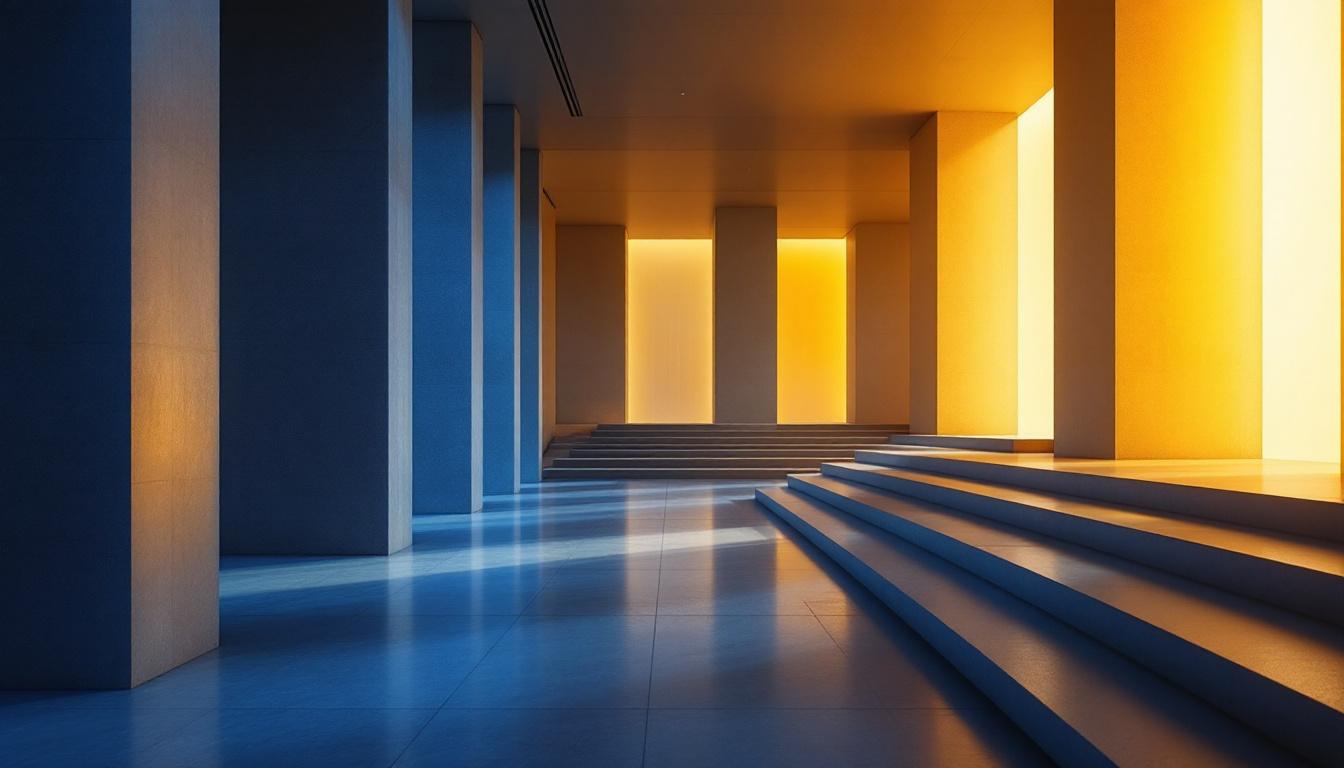
Funeral venues often feature unique architectural elements such as stained glass, vaulted ceilings, or intricate woodwork. Accent lighting highlights these features, adding depth and reverence to the space. LED strip lights, recessed fixtures, and wall washers can be strategically placed to emphasize textures and colors without overpowering the overall ambiance.
Lighting contractors must collaborate closely with architects and interior designers to ensure that accent lighting complements the venue’s aesthetics and functionality. Attention to glare control and fixture placement is vital to maintain a respectful environment. Additionally, the use of architectural lighting can help create a narrative within the space, guiding attendees through the service and subtly directing their focus to key areas, such as the casket or memorial displays.
Furthermore, the careful selection of color temperatures and intensities in accent lighting can evoke specific emotions, enhancing the overall experience. For example, cooler tones may be used to illuminate a serene garden area, promoting reflection and peace, while warmer tones can bring warmth to gathering spaces, encouraging connection among attendees. This thoughtful approach to lighting design not only honors the memory of the deceased but also supports the emotional journey of those in attendance, making the space feel both sacred and welcoming.
Design Considerations Specific to Funeral Lighting
Emotional Sensitivity and Cultural Awareness
Funeral lighting design is not merely technical; it demands an understanding of the emotional context and cultural nuances. Different cultures have varying associations with colors, brightness levels, and lighting styles. For example, some traditions favor dim, candle-like lighting, while others may embrace brighter, more celebratory illumination. In many cultures, the use of specific colors can evoke particular feelings; for instance, white often symbolizes purity and peace in some traditions, while black may represent mourning and loss in others. Understanding these associations is crucial for creating an environment that resonates with the attendees’ sentiments.
Contractors should engage with funeral directors and families to grasp these subtleties before finalizing designs. This collaboration ensures that lighting choices honor traditions and support the grieving process rather than inadvertently causing discomfort. Additionally, incorporating elements such as adjustable lighting can help families personalize the atmosphere according to their preferences, allowing them to create a space that feels authentic to their loved one’s memory. The goal is to foster a serene and respectful ambiance that encourages reflection and connection among attendees.
Flexibility and Adaptability
Funeral services can range from intimate family gatherings to large public memorials. Lighting systems must be adaptable to accommodate different scales and formats. Modular lighting designs and programmable controls allow venues to modify settings quickly without extensive reinstallation or manual adjustments. For instance, a small family service may require softer, warmer lighting to create a cozy atmosphere, while a larger memorial might benefit from brighter, more focused lighting to highlight key areas such as the casket or tribute displays.
For contractors, this means prioritizing scalable solutions and future-proofing installations. Anticipating potential changes in venue use or service styles can save time and costs down the line. Furthermore, integrating smart technology can enhance flexibility; systems that can be controlled remotely or programmed for specific events ensure that lighting can be adjusted seamlessly, catering to the unique needs of each service. This adaptability not only enhances the experience for attendees but also reflects a commitment to providing a thoughtful and personalized service.
Energy Efficiency and Sustainability
Many funeral homes are embracing sustainability as part of their operational ethos. Energy-efficient lighting not only reduces utility costs but also aligns with environmentally conscious values. LEDs, low-voltage systems, and occupancy sensors contribute to greener installations. Moreover, the longevity of LED bulbs means less frequent replacements, which can significantly reduce waste over time. This commitment to sustainability can also resonate with families who are increasingly seeking eco-friendly options for their loved ones’ final arrangements.
Contractors should recommend and implement solutions that minimize energy consumption without compromising on quality or atmosphere. Highlighting these benefits can also be a selling point when working with clients. Additionally, incorporating natural light into the design, where possible, can further enhance the space while reducing reliance on artificial lighting. This approach not only creates a more inviting environment but also reflects a growing trend toward holistic and sustainable practices in the funeral industry. By focusing on energy efficiency and environmental responsibility, contractors can help funeral homes position themselves as forward-thinking establishments that honor both the deceased and the planet.
Installation Challenges and Best Practices
Site Assessment and Customization
Each funeral venue presents unique challenges-from spatial constraints to existing electrical infrastructure. Comprehensive site assessments are critical before installation begins. Understanding ceiling heights, power availability, and architectural features helps tailor lighting systems effectively.
Custom solutions often outperform generic designs. For example, integrating lighting with existing candelabras or chandeliers can preserve tradition while upgrading functionality. Contractors should document site conditions meticulously and communicate clearly with clients about potential limitations and opportunities.
Minimizing Disruption During Installation
Funeral homes typically operate with tight schedules and require minimal downtime. Coordinating installation to avoid interfering with services or daily operations is a logistical challenge. Night or weekend work, phased installations, and clear timelines help mitigate disruptions.
Contractors should also prepare for contingencies, such as unexpected wiring issues or fixture incompatibilities, by carrying backup equipment and maintaining open communication with venue managers.
Ensuring Safety and Compliance
Safety is paramount in any lighting installation, particularly in spaces where large groups gather. Adhering to electrical codes, fire regulations, and accessibility standards is non-negotiable. Proper fixture mounting, secure wiring, and emergency lighting integration are essential components.
Contractors must stay updated on local regulations and industry best practices. Documentation and certification of compliance provide reassurance to clients and reduce liability risks.
The Role of Lighting Contractors in Shaping the Future
Lighting contractors are not just installers; they are collaborators, consultants, and innovators. As funeral lighting evolves, contractors who embrace new technologies and prioritize empathetic design will stand out in the market.
Investing in ongoing education about emerging lighting solutions, control systems, and cultural trends is crucial. Building strong relationships with funeral directors, architects, and families fosters trust and opens doors to creative projects.
Ultimately, the future of funeral lighting lies in crafting environments that honor life, comfort grief, and celebrate memories. Lighting contractors have a unique opportunity to influence these profound experiences through thoughtful design and expert installation.
Illuminate the Future with LumenWholesale
As you redefine the ambiance of funeral services and embrace the future of lighting design and installation, choose LumenWholesale as your trusted partner. We provide contractors with spec-grade lighting products that meet the highest industry standards, ensuring every project shines with respect and innovation. With our unbeatable wholesale prices and hassle-free bulk buying, you can create environments that honor life and comfort grief without the burden of inflated costs. Plus, with free shipping on all orders, you can trust that you’re getting premium lighting at the best value. Elevate your funeral lighting projects and celebrate memories with the perfect blend of quality, affordability, and convenience. Discover our extensive selection and take the next step in lighting design by visiting Wholesale Lighting at the Best Value.