Understanding the Nuances of LED Landscaping Lights
LED technology has revolutionized outdoor lighting, offering energy efficiency, long lifespan, and versatile design options. Yet, many lighting contractors find themselves facing unexpected challenges when installing LED landscaping lights. The technology is straightforward, but the application is where the complexity lies.
LEDs behave differently from traditional incandescent or halogen bulbs. Their directional light output, heat dissipation requirements, and electrical characteristics require a tailored approach. Overlooking these nuances can lead to suboptimal lighting effects, premature failures, or client dissatisfaction.
Directional Light and Beam Angles
Unlike traditional bulbs that emit light in all directions, LEDs produce light in a specific direction. This characteristic demands careful selection of fixtures and lenses to achieve the desired lighting effect. For example, illuminating a pathway requires a narrow beam angle to focus light on the walking surface without spilling onto adjacent areas.
Contractors often underestimate the importance of beam angle compatibility with the landscape design. Using a wide-angle LED fixture where a spotlight is needed can wash out the intended effect, while a narrow beam in a broad area leaves dark spots. Recognizing this early in the design phase is critical. Additionally, the color temperature of the LED can significantly influence the ambiance of the space; warmer tones can create a cozy atmosphere, while cooler tones may enhance modern aesthetics. Therefore, a thoughtful combination of beam angles and color temperatures can elevate the overall landscape design, enhancing both functionality and visual appeal.
Heat Management and Fixture Longevity
LEDs generate less heat than traditional bulbs, but they are more sensitive to heat buildup. The lifespan and performance of an LED fixture heavily depend on efficient heat dissipation. Poorly designed fixtures or improper installation in confined spaces can cause overheating, leading to early failure.
Lighting contractors must ensure that fixtures have adequate ventilation and are installed according to manufacturer guidelines. This is especially important in landscaping where fixtures may be buried or enclosed in soil or mulch, which can trap heat. Moreover, the choice of materials for fixtures plays a crucial role in heat management; aluminum housings, for instance, can help dissipate heat more effectively than plastic alternatives. Understanding the thermal dynamics of LED systems not only extends the life of the fixtures but also maintains consistent light output, ensuring that the aesthetic goals of the landscaping project are met over time. Additionally, regular maintenance checks can help identify potential overheating issues before they lead to fixture failure, allowing for timely interventions that preserve the integrity of the lighting design.
Electrical Considerations Often Missed
Electrical design is a critical component of any lighting project, yet it is frequently overlooked or underestimated in LED landscaping installations. Understanding the unique electrical demands of LEDs can prevent common pitfalls such as flickering, voltage drop, and system inefficiency.
Voltage Drop and Wire Gauge Selection
Voltage drop is a frequent issue in low-voltage LED lighting systems. Because LEDs operate at low voltages, even a small drop can significantly affect performance. Using wire gauges that are too thin or running cables over long distances without proper planning leads to dim lights or flickering.
Contractors must calculate voltage drop accurately and select appropriate wire sizes. For instance, a 12V LED system running over 100 feet requires thicker gauge wire than a shorter run. Ignoring this can result in costly callbacks and client complaints. Additionally, it’s important to consider the total wattage of the fixtures being powered. Higher wattage setups will naturally lead to greater voltage drop, necessitating even more careful planning and possibly the use of multiple power feeds to ensure consistent performance across all fixtures.
Power Supply Compatibility
LEDs require constant current or constant voltage drivers, depending on the fixture design. Using incompatible power supplies can cause flickering, reduced lifespan, or complete failure. Many contractors default to traditional transformers without verifying compatibility with LED loads.
It’s essential to match the power supply to the LED system’s specifications. This includes considering dimming capabilities, surge protection, and environmental ratings for outdoor use. Proper power supply selection enhances system reliability and client satisfaction. Furthermore, understanding the thermal management of power supplies is crucial, as overheating can lead to premature failures. Selecting drivers with built-in thermal protection or those designed for outdoor environments can mitigate these risks, ensuring a longer lifespan and more stable operation under varying weather conditions.
Design and Aesthetic Details That Make a Difference
Beyond technical specifications, the artistic side of landscaping lighting is often underestimated. The way light interacts with plants, hardscapes, and architectural features can transform an outdoor space. Overlooking these design elements can result in lighting that feels harsh, uneven, or uninviting.
Color Temperature and Light Quality
LEDs come in a range of color temperatures, from warm white to cool white. Choosing the right color temperature is vital for setting the mood and complementing the landscape. Warm white (2700K–3000K) tends to create a cozy, inviting atmosphere, while cooler temperatures can feel sterile or unnatural.
Contractors should consider the client’s preferences, the style of the home, and the types of plants when selecting color temperature. Mixing different temperatures in the same landscape can cause visual confusion and detract from the overall effect. For instance, a garden filled with vibrant, colorful flowers may benefit from warmer tones that enhance their natural hues, while a modern minimalist home might look striking with cooler, more contemporary lighting. This attention to detail not only elevates the aesthetic but also ensures that the lighting harmonizes with the surrounding elements.
Layering Light for Depth and Interest
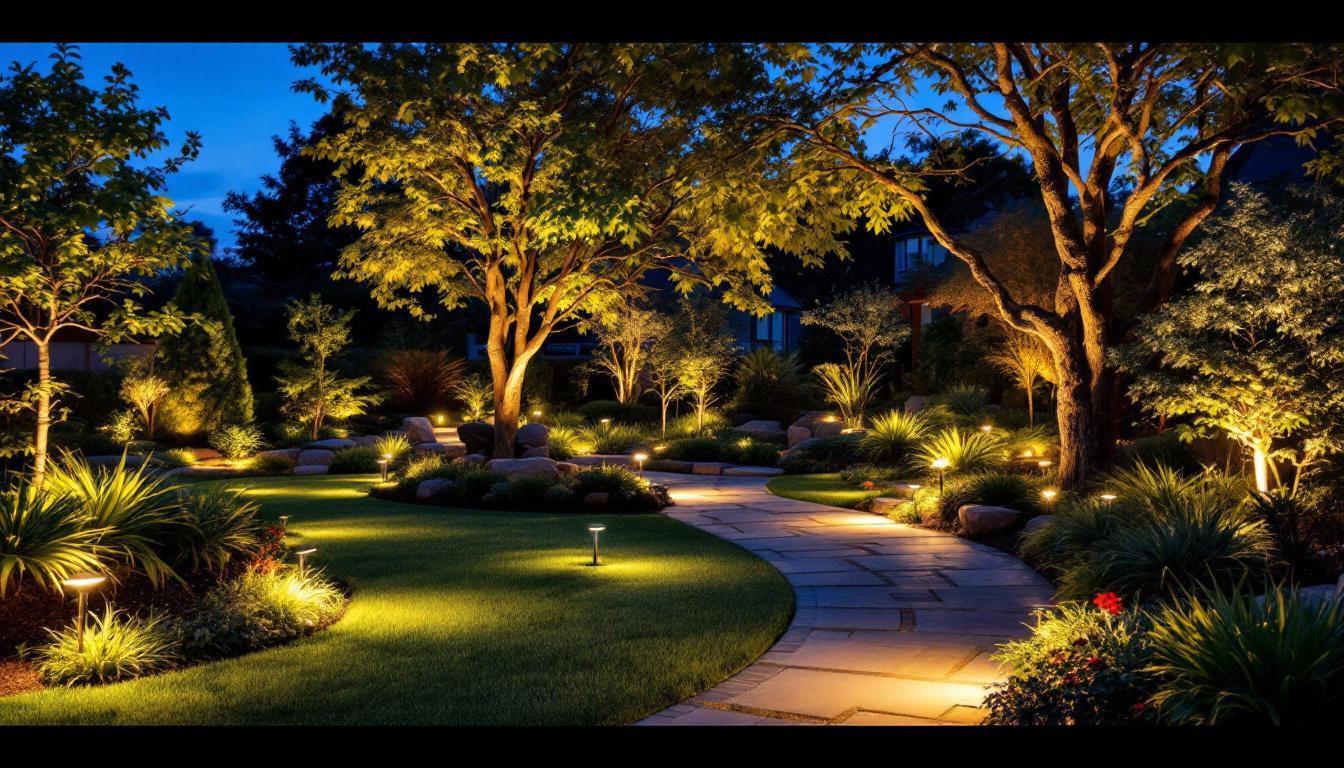
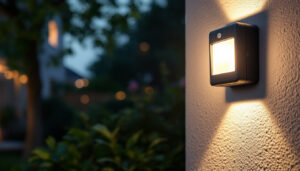
Effective landscaping lighting uses multiple layers: ambient, accent, and task lighting. Ambient lighting provides general illumination, accent lighting highlights focal points like trees or sculptures, and task lighting ensures safety on pathways and steps.
Many contractors focus solely on functional lighting, missing opportunities to add depth and drama. Thoughtful layering creates a dynamic outdoor environment that feels both safe and enchanting after dark. For example, strategically placed uplights can cast dramatic shadows on a textured wall, while downlights can mimic the gentle glow of moonlight filtering through tree branches. This interplay of light and shadow not only enhances the beauty of the landscape but also invites exploration and interaction, encouraging homeowners and guests to enjoy the space long into the evening. Additionally, incorporating dimmers and smart lighting controls allows for further customization, enabling users to adjust the ambiance based on the occasion or mood, making the outdoor area versatile and inviting at all times.
Installation Best Practices Often Ignored
Even the best design and equipment can fail if installation practices are not up to standard. Proper installation ensures system longevity, safety, and ease of maintenance. It is crucial for contractors to adhere to industry standards and guidelines, as they not only enhance the performance of the system but also safeguard the investment made by clients. A well-executed installation can lead to fewer service calls and higher customer satisfaction, creating a positive reputation for the contractor.
Waterproofing and Weather Resistance
Outdoor lighting fixtures and connections must withstand rain, humidity, and temperature fluctuations. Contractors sometimes neglect proper sealing of connections or use fixtures not rated for outdoor use, leading to corrosion and electrical failures. The choice of materials plays a significant role in the durability of outdoor installations; for instance, using corrosion-resistant metals and UV-stabilized plastics can significantly enhance the lifespan of fixtures.
Using waterproof connectors, sealing junction boxes, and selecting fixtures with appropriate IP ratings are essential steps. Regular inspection and maintenance schedules should be communicated to clients to prolong system life. Additionally, educating clients on the importance of seasonal maintenance, such as cleaning fixtures and checking for wear and tear, can help prevent costly repairs down the line. By fostering a proactive maintenance culture, contractors can ensure that their installations remain functional and aesthetically pleasing for years to come.
Concealing Wiring Without Compromising Access
While hiding wires enhances aesthetics, it should not come at the expense of accessibility for repairs or upgrades. Burying wires too deep without marking their location or using conduit can complicate future maintenance. It is essential for contractors to consider the long-term implications of their installation choices, as easy access to wiring can save time and money when repairs are needed.
Contractors should balance concealment with practicality by using conduit where necessary and documenting wiring layouts for clients. This foresight reduces future headaches and preserves the integrity of the installation. Furthermore, providing clients with a detailed schematic of the wiring layout can empower them to understand their system better and facilitate any future modifications or troubleshooting. By prioritizing both aesthetics and functionality, contractors can deliver installations that are not only visually appealing but also user-friendly and sustainable over time.
Client Education and Communication
One of the most overlooked aspects is educating clients about LED landscaping lighting. Setting realistic expectations about brightness, color, maintenance, and energy savings builds trust and reduces misunderstandings.
Explaining Energy Savings and Maintenance Needs
Clients often expect LED systems to be maintenance-free and drastically cheaper in energy costs. While LEDs are efficient, factors like the number of fixtures, run time, and system complexity affect actual savings.
Contractors should provide clear information on what clients can expect, including occasional cleaning, bulb replacements (if applicable), and potential system upgrades. This transparency enhances client satisfaction and referrals.
Demonstrations and Mock-ups
Whenever possible, showing clients a mock-up or demonstration of the lighting effect can prevent surprises. Lighting looks different during the day and at night, and subtle differences in color temperature or beam angle can be hard to visualize from plans alone.
Taking time to demonstrate helps clients make informed decisions and feel confident in the final design.
Conclusion
LED landscaping lighting offers tremendous benefits, but success depends on attention to details that are often overlooked. From understanding LED-specific technical requirements to mastering design aesthetics and installation best practices, contractors who invest in these areas deliver superior results.
By addressing these commonly missed points, lighting contractors can elevate their craft, reduce callbacks, and create outdoor spaces that delight clients long after the sun sets.
Illuminate Your Projects with LumenWholesale
Ready to bring your landscaping lighting designs to life while ensuring the best value for your business? At LumenWholesale, we provide lighting contractors with superior, spec-grade LED lighting products at unbeatable wholesale prices. Say goodbye to local distributor markups and hello to a vast selection of reliable, high-performance lighting that meets the highest industry standards. Plus, with free shipping on bulk orders, you can stock up on premium lighting without any hidden fees or compromises. Elevate your outdoor lighting projects with the quality, affordability, and convenience of LumenWholesale Lighting at the Best Value. Your clients will marvel at the difference, and you’ll appreciate the savings and simplicity.