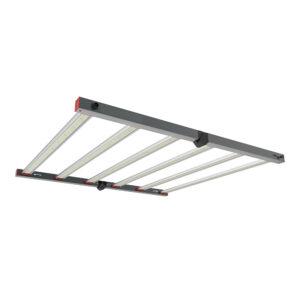
Understanding H.I.D Lighting Ballasts: The Foundation of Efficient Lighting Systems
High-Intensity Discharge (H.I.D) lighting has long been a preferred choice for commercial, industrial, and outdoor lighting applications due to its high efficiency and intense brightness. At the heart of every H.I.D lighting fixture lies the ballast—a critical component that regulates the electrical current to the lamp and ensures optimal performance.
Lighting contractors must possess a thorough understanding of H.I.D lighting ballasts to meet client expectations effectively. Clients rely on contractors not only for installation but also for expert advice on maintenance, troubleshooting, and energy optimization. A well-informed contractor can provide guidance on selecting the right ballast type, improving system longevity, and reducing operational costs.
What is an H.I.D Lighting Ballast?
An H.I.D lighting ballast is an electrical device designed to control the starting and operating current of H.I.D lamps such as metal halide, high-pressure sodium, and mercury vapor lamps. Without a ballast, these lamps would draw excessive current, leading to premature failure or unsafe operating conditions.
The ballast provides the initial high voltage needed to ignite the lamp and then regulates the current to maintain a steady light output. This regulation is crucial because H.I.D lamps have negative resistance characteristics, meaning their resistance decreases as current increases, which can cause runaway current without proper control.
Types of H.I.D Ballasts and Their Applications
There are primarily two types of H.I.D ballasts: magnetic and electronic. Each type has distinct characteristics that influence performance, efficiency, and cost.
- Magnetic Ballasts: These traditional ballasts use inductors and capacitors to regulate current. They are robust and relatively inexpensive but tend to be heavier, generate more heat, and operate at lower efficiency levels.
- Electronic Ballasts: Utilizing solid-state electronics, these ballasts offer higher efficiency, lighter weight, and reduced heat output. They also provide instant start capabilities and better power factor correction, making them a preferred choice for modern installations.
Clients expect lighting contractors to recommend the most suitable ballast type based on the application, budget, and energy efficiency goals. For instance, electronic ballasts are ideal for facilities aiming to reduce energy consumption and maintenance costs, while magnetic ballasts might still be used in retrofit projects due to compatibility and cost considerations.
Moreover, understanding the specific requirements of different environments is essential for selecting the right ballast. For example, in applications where frequent on-off cycling occurs, such as in outdoor lighting or security systems, electronic ballasts are often favored due to their ability to handle these conditions without compromising performance. Additionally, the choice of ballast can also impact the color rendering index (CRI) of the light produced, which is crucial for settings like retail spaces where accurate color representation is vital for product display.
Furthermore, advancements in technology have led to the development of smart ballasts that integrate with building management systems. These innovative solutions allow for automated control of lighting based on occupancy and daylight availability, significantly enhancing energy savings and operational efficiency. As the industry continues to evolve, staying informed about these advancements will empower contractors to provide cutting-edge solutions that meet the dynamic needs of their clients.
Client Expectations: Knowledge, Efficiency, and Compliance
Clients today are more informed and environmentally conscious, expecting lighting contractors to bring comprehensive knowledge to the table. This includes understanding energy codes, environmental regulations, and the latest technological advancements in H.I.D lighting ballasts.
Energy Efficiency and Cost Savings
Energy efficiency is a top priority for many clients, especially those managing large facilities with extensive lighting needs. H.I.D lighting ballasts significantly impact energy consumption, and selecting the right ballast can lead to substantial cost savings over the system’s lifecycle.
For example, electronic ballasts can improve energy efficiency by up to 15-20% compared to magnetic ballasts. Additionally, they reduce heat generation, which can lower cooling costs in indoor environments. Lighting contractors who can quantify these savings and present them to clients demonstrate expertise and build trust. Furthermore, clients are increasingly interested in the environmental impact of their lighting choices, and energy-efficient systems can contribute to lower carbon footprints, aligning with corporate sustainability goals. By showcasing the dual benefits of cost savings and environmental responsibility, contractors can position themselves as valuable partners in their clients’ long-term strategies.
Regulatory Compliance and Safety Standards
Clients expect contractors to be well-versed in local and national regulations governing lighting installations. This includes compliance with energy codes such as ASHRAE 90.1 and standards set by organizations like the Illuminating Engineering Society (IES) and Underwriters Laboratories (UL).
Proper ballast selection and installation ensure that lighting systems meet safety standards, minimize electrical hazards, and avoid costly code violations. Contractors must also be aware of regulations related to hazardous materials, as some older ballasts contain PCBs (polychlorinated biphenyls), which are now banned due to environmental concerns. In addition, clients may be subject to specific industry regulations, such as those in healthcare or education, which require adherence to stringent lighting quality and safety standards. By staying informed about these regulations and proactively addressing compliance issues, contractors can help clients navigate the complexities of their industry requirements, fostering a sense of security and reliability in their services.
Longevity and Reliability
Clients expect their lighting systems to be reliable with minimal downtime. Ballasts play a critical role in lamp life and system reliability. Poor-quality or incompatible ballasts can cause flickering, premature lamp failure, and increased maintenance costs.
Lighting contractors should educate clients about the importance of choosing ballasts from reputable manufacturers and performing regular maintenance checks. Offering warranties and maintenance plans can also reassure clients of long-term support and system durability. Additionally, contractors can provide insights into the latest advancements in ballast technology, such as smart ballasts that integrate with building management systems for enhanced control and monitoring. This not only improves system reliability but also allows clients to optimize their energy usage and adapt to changing lighting needs. By positioning themselves as knowledgeable advisors on both current products and future trends, contractors can further solidify their role as essential partners in their clients’ lighting strategies.
Technical Expertise: Installation, Troubleshooting, and Maintenance
Beyond theoretical knowledge, clients expect lighting contractors to demonstrate hands-on expertise in installing, troubleshooting, and maintaining H.I.D lighting ballasts. This practical competence ensures smooth project execution and ongoing system performance.
Installation Best Practices
Proper installation is essential to maximize ballast performance and lifespan. Contractors must follow manufacturer guidelines meticulously, including correct wiring, grounding, and mounting procedures.
Attention to detail during installation can prevent common issues such as ballast overheating, electrical noise interference, and premature failure. For example, ensuring adequate ventilation around the ballast prevents heat buildup, which is a leading cause of ballast degradation.
Diagnosing Common Ballast Problems
Clients often call upon contractors to diagnose lighting issues such as flickering, dimming, or lamps failing to start. Understanding the symptoms of ballast failure versus lamp failure is crucial for efficient troubleshooting.
Common ballast problems include:
- Overheating: Often caused by poor ventilation or electrical overload.
- Electrical Noise: Can interfere with other devices and indicate ballast malfunction.
- Failure to Start: May result from ballast degradation or wiring issues.
Contractors equipped with diagnostic tools such as multimeters and infrared thermometers can quickly identify and resolve these problems, minimizing client downtime.
Maintenance Strategies for Extended Ballast Life
Routine maintenance is key to extending the life of H.I.D ballasts and ensuring consistent lighting quality. This includes periodic inspections for signs of wear, cleaning to remove dust and debris, and verifying electrical connections.
Contractors should advise clients on establishing maintenance schedules tailored to their specific lighting systems and environments. For example, outdoor installations in dusty or humid areas may require more frequent inspections.
Emerging Trends and Innovations in H.I.D Ballast Technology
The lighting industry continues to evolve rapidly, with innovations that impact H.I.D ballast technology and client expectations. Staying informed about these trends allows contractors to offer cutting-edge solutions and maintain a competitive edge.
Integration with Smart Lighting Systems
Smart lighting controls are becoming increasingly popular, enabling clients to optimize energy use through dimming, scheduling, and occupancy sensing. Modern electronic ballasts often come with compatibility for digital controls and communication protocols such as DALI (Digital Addressable Lighting Interface).
Lighting contractors should be prepared to integrate H.I.D ballasts with these systems, providing clients with enhanced control and energy management capabilities.
Shift Toward LED and Hybrid Solutions
While H.I.D lighting remains prevalent, many clients are transitioning to LED technology due to its superior energy efficiency and longer lifespan. However, some applications still benefit from H.I.D lamps, leading to hybrid systems that combine both technologies.
Contractors knowledgeable about ballast compatibility with retrofit LED lamps and hybrid configurations can guide clients through these transitions smoothly, ensuring optimal performance and cost-effectiveness.
Environmental Sustainability and Recycling Programs
Environmental responsibility is a growing concern among clients. Lighting contractors are expected to support sustainable practices, including the proper disposal and recycling of old ballasts and lamps.
Many regions have regulations requiring the safe handling of ballasts containing hazardous substances. Contractors who implement recycling programs and educate clients on environmental compliance demonstrate professionalism and corporate responsibility.
Conclusion: Meeting and Exceeding Client Expectations
For lighting contractors, mastering the intricacies of H.I.D lighting ballasts is essential to delivering exceptional service and building lasting client relationships. From understanding the technical fundamentals and regulatory landscape to demonstrating practical installation and maintenance skills, contractors play a pivotal role in the success of lighting projects.
Clients expect contractors to be knowledgeable advisors who can navigate the complexities of ballast selection, energy efficiency, compliance, and emerging technologies. By staying current with industry trends and prioritizing quality and sustainability, lighting contractors can not only meet but exceed client expectations, fostering trust and securing ongoing business opportunities.
Illuminate Your Projects with LumenWholesale
Ready to elevate your lighting projects with the expertise and products that exceed client expectations? Look no further than LumenWholesale, where we provide contractors with the highest quality, spec-grade H.I.D lighting ballasts and more. Our commitment to unbeatable wholesale prices means you get the best value without the middleman markups. With our vast selection that meets rigorous industry standards, you can trust in the reliability and performance of every product. Plus, with the convenience of free shipping on bulk orders, LumenWholesale ensures you receive premium lighting solutions at the best price, hassle-free. Take the next step in optimizing your lighting projects by visiting Wholesale Lighting at the Best Value and discover the LumenWholesale difference today.