Understanding Low Voltage Lighting Systems
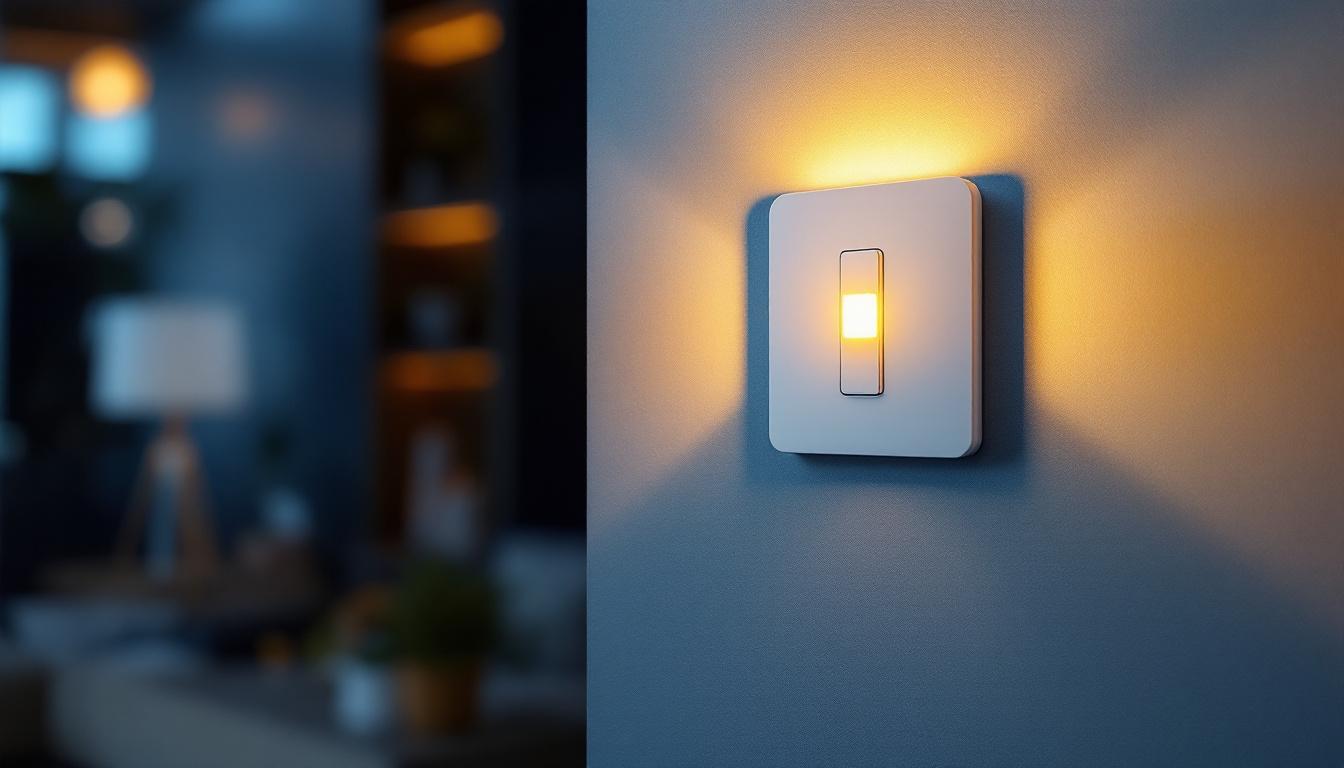
Low voltage lighting systems operate at a lower electrical potential than standard line voltage systems, typically 12 or 24 volts instead of the usual 120 or 240 volts. This difference might seem minor, but it has significant implications for safety, design flexibility, and energy consumption. For lighting contractors, grasping these distinctions is essential when selecting and installing lighting controls that optimize energy efficiency.
Unlike traditional lighting setups, low voltage systems require a transformer to step down the voltage from the main supply. This transformer not only ensures the correct voltage but also influences the overall system efficiency. Choosing the right transformer and compatible switches can reduce energy loss and improve system longevity.
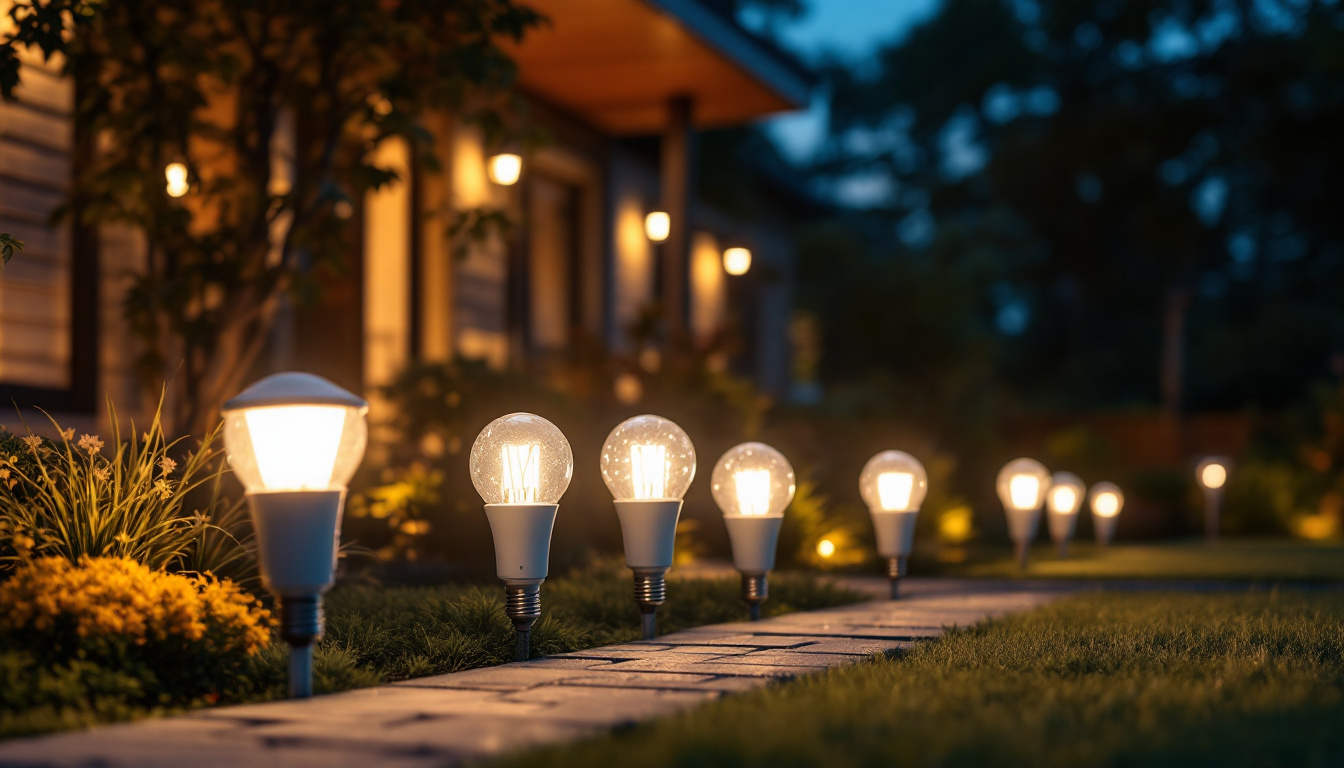
One of the most attractive features of low voltage lighting is its versatility in design. These systems can be easily integrated into various architectural styles, from modern to rustic, allowing for creative lighting solutions that enhance the aesthetic appeal of any space. Additionally, low voltage fixtures are often smaller and more compact, providing designers with the freedom to install lights in areas where traditional fixtures might be impractical. This adaptability makes them ideal for accent lighting, landscape illumination, and even task lighting in workspaces.
Moreover, low voltage lighting systems are generally more energy-efficient, consuming less power while delivering the same or even greater illumination compared to their high voltage counterparts. This efficiency not only translates into lower energy bills for homeowners and businesses but also contributes to a reduced carbon footprint. Many low voltage systems are compatible with LED technology, which further amplifies their energy-saving potential. LEDs have a longer lifespan and require less maintenance, making them a cost-effective choice in the long run. As sustainability becomes a priority for many, the adoption of low voltage lighting systems is likely to increase, paving the way for innovative lighting solutions that are both eco-friendly and economically viable.
How Low Voltage Lighting Switches Enhance Energy Efficiency
Reduced Power Consumption Through Precise Control
Low voltage lighting switches often incorporate advanced dimming capabilities and precise control mechanisms. These features allow users to adjust lighting levels to the exact needs of a space, minimizing wasted energy. For example, dimming a low voltage LED fixture can reduce power consumption by up to 70%, depending on the technology used.
Such granular control is particularly beneficial in environments where lighting needs fluctuate throughout the day, such as retail spaces or offices. By integrating low voltage switches with occupancy sensors or daylight harvesting systems, lighting contractors can create setups that automatically adapt, further driving down unnecessary energy use. This adaptability not only enhances user comfort but also promotes a more sustainable approach to energy consumption, as the system can respond in real-time to changes in occupancy or natural light availability. Additionally, these smart systems can be programmed to follow specific schedules, ensuring that lights are only on when truly needed, which can significantly lower energy bills over time.
Minimized Heat Generation and Energy Loss
Traditional line voltage switches and fixtures often generate excess heat, which represents wasted energy. Low voltage systems, by design, operate cooler and more efficiently. The switches themselves contribute to this by maintaining stable, low-resistance connections that reduce energy loss during operation.
Lower heat output not only improves energy efficiency but also extends the lifespan of lighting components. This means fewer replacements and less maintenance, translating to long-term cost savings for clients and a more sustainable lighting solution. Furthermore, the cooler operation of low voltage systems can lead to improved comfort in indoor environments, as less heat generation contributes to a more stable and pleasant temperature. In commercial settings, this can reduce the load on air conditioning systems, further enhancing overall energy savings and contributing to a greener footprint. As businesses increasingly prioritize sustainability, the adoption of low voltage lighting solutions becomes a strategic choice that aligns with both environmental goals and operational efficiency.
Choosing the Right Low Voltage Lighting Switches
Compatibility with Lighting Fixtures
Not all low voltage switches are created equal. Compatibility with the specific type of lighting fixture—whether LED, halogen, or incandescent—is critical. LED lighting, in particular, requires switches designed to handle its electronic drivers without causing flicker or premature failure. In addition, the unique characteristics of different lighting technologies mean that the switch must not only match the fixture type but also accommodate the specific voltage and current requirements.
Lighting contractors should verify that switches support the load type and wattage of the fixtures in use. Many manufacturers provide detailed specifications and compatibility charts, which can be invaluable during the selection process. Furthermore, understanding the nuances of dimming capabilities is essential, as not all switches are equipped to handle the dimming functions of various lighting technologies. For instance, some LED fixtures may require a specific type of dimmer switch to function correctly, ensuring smooth transitions and avoiding issues like buzzing or flickering.
Integration with Smart Controls
Smart lighting controls are becoming standard in modern installations. Low voltage switches that support integration with building automation systems or wireless protocols offer enhanced energy management capabilities. This integration allows for scheduling, remote control, and data-driven optimization of lighting usage. Additionally, the ability to control lighting through smartphone applications or voice-activated devices adds a layer of convenience that many homeowners and businesses now expect.
For contractors, recommending switches that can seamlessly connect to these systems adds value to their services and helps clients achieve more substantial energy savings. Moreover, the integration of low voltage switches with smart home ecosystems can facilitate advanced features such as occupancy sensing and adaptive lighting, which adjusts based on the time of day or the presence of individuals in a room. This not only enhances user experience but also contributes to sustainability goals by reducing unnecessary energy consumption, making it a win-win for both contractors and their clients.
Installation Best Practices for Energy Efficiency
Proper Transformer Selection and Placement
The transformer is the heart of any low voltage lighting system. Selecting a high-efficiency transformer that matches the total load is essential to minimize energy loss. Oversized transformers can waste energy, while undersized units may lead to voltage drops and reduced lighting performance. It’s important to consider the specific requirements of your lighting design, including the total wattage of all fixtures and any potential future expansions. By calculating the load accurately, you can ensure that the transformer operates within its optimal range, thereby maximizing energy efficiency.
Placement also matters. Transformers should be installed in well-ventilated areas to prevent overheating, which can degrade efficiency and shorten lifespan. Additionally, keeping transformers away from direct sunlight and moisture can further enhance their performance. Installing them in a location that allows for easy access not only simplifies maintenance but also ensures that any necessary adjustments can be made without significant disruption. This proactive approach can lead to longer-lasting equipment and reduced operational costs over time.
Wiring and Switch Positioning
Using appropriately gauged wiring reduces resistance and energy loss. Low voltage systems benefit from thicker wires over longer runs to maintain voltage levels and ensure consistent lighting output. Moreover, selecting high-quality, insulated wiring can help prevent energy loss due to heat dissipation, which is particularly important in extensive installations. Consider using color-coded wires for easier identification during installation and troubleshooting, which can save time and reduce the likelihood of errors.
Additionally, positioning switches in accessible yet protected locations prevents accidental damage and facilitates maintenance. It’s advantageous to install dimmer switches or smart controls that can adjust lighting levels based on the time of day or occupancy, further enhancing energy savings. Incorporating timers or motion sensors can also optimize energy use, ensuring that lights are only on when needed. Attention to these details during installation can significantly impact the overall energy efficiency and reliability of the lighting system, creating an environment that is not only functional but also sustainable.
Real-World Impact: Case Studies and Data
Consider a commercial office retrofitted with low voltage LED lighting controlled by advanced low voltage switches. The installation included occupancy sensors and daylight-responsive dimming. Over several months, energy consumption for lighting dropped by nearly 50%, with peak demand charges reduced accordingly.
Another example involves a hospitality venue that replaced traditional halogen fixtures with low voltage LED equivalents and installed compatible dimming switches. The result was a 40% reduction in lighting energy use, improved ambiance control, and lower cooling costs due to reduced heat output.
These cases underscore how low voltage lighting switches, when thoughtfully selected and installed, can drive significant energy savings and operational benefits.
Challenges and Considerations
While low voltage lighting switches offer many advantages, they also present challenges. Initial installation costs can be higher due to the need for transformers and specialized wiring. Additionally, improper matching of switches and fixtures can lead to flickering or reduced lifespan.
Contractors must balance upfront investment with long-term energy savings and client expectations. Thorough planning, product knowledge, and adherence to best practices are crucial to overcoming these hurdles.
Conclusion: Maximizing Energy Efficiency with Low Voltage Lighting Switches
Low voltage lighting switches play a pivotal role in the energy efficiency of modern lighting systems. Their ability to provide precise control, reduce energy loss, and integrate with smart technologies makes them an essential component for contractors aiming to deliver sustainable, cost-effective lighting solutions.
By focusing on compatibility, proper installation, and leveraging advanced control features, lighting professionals can help clients achieve substantial energy savings while enhancing lighting quality and system reliability.
Illuminate Your Projects with LumenWholesale
Ready to enhance your lighting installations with the energy-efficient benefits of low voltage lighting switches? At LumenWholesale, we provide lighting contractors with the highest quality, spec-grade lighting products at exceptional wholesale prices. Say goodbye to local distributor markups and hello to our premium selection that meets rigorous industry standards. With free shipping on bulk orders, you can trust that you’re getting the best value without any hidden costs. Elevate your lighting game and ensure your projects shine with reliability and performance. Wholesale Lighting at the Best Value is just a click away—experience the LumenWholesale difference today.