Understanding Contemporary Kitchen Lighting
Contemporary kitchen lighting is all about blending function with sleek, modern aesthetics. Unlike traditional fixtures that often focus on ornate details, contemporary designs emphasize clean lines, minimalist forms, and innovative materials. For contractors, this means selecting fixtures that not only illuminate effectively but also complement the kitchen’s overall design language.
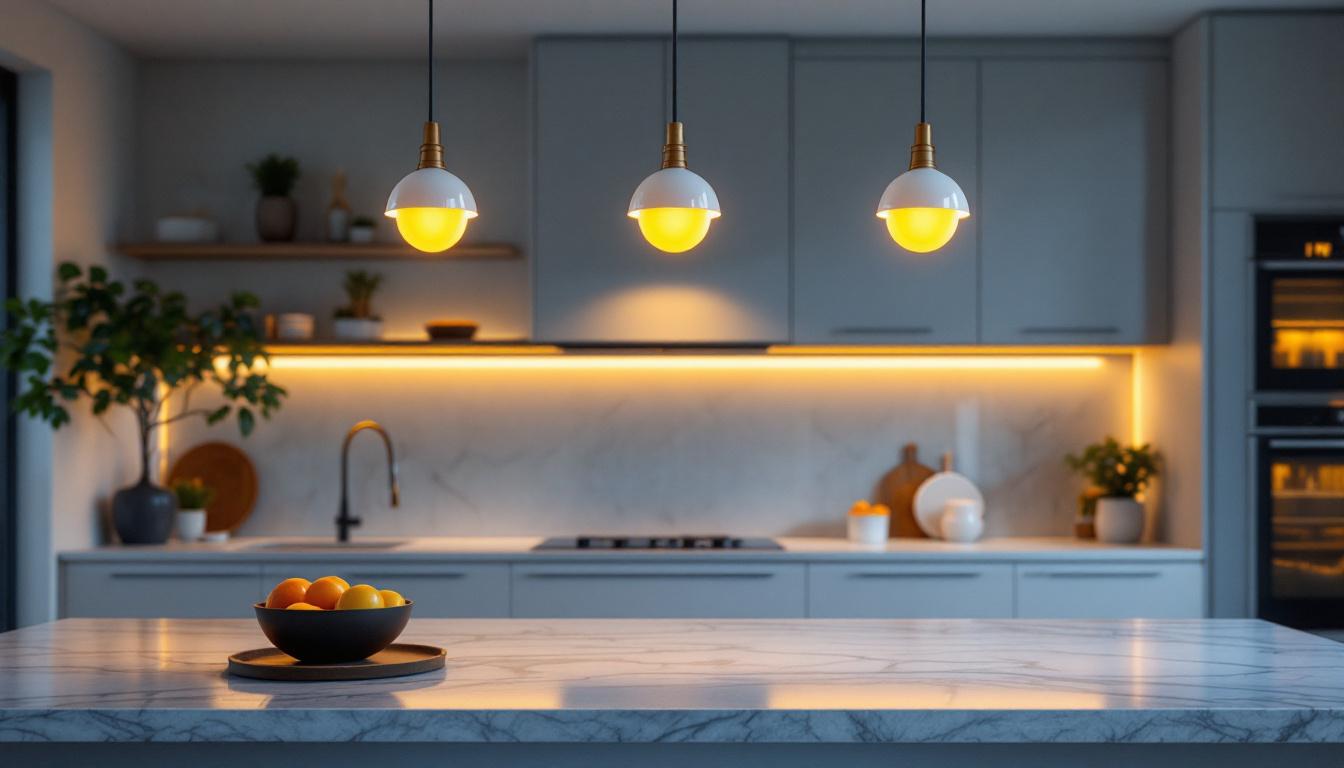
Lighting in kitchens serves multiple purposes: task lighting for food prep, ambient lighting for general visibility, and accent lighting to highlight architectural features or decor. Contemporary kitchens often incorporate a mix of these lighting types, creating layered illumination that enhances both usability and style. The strategic placement of lights can transform the kitchen into a welcoming space, making it not just a functional area for cooking, but also a social hub where families gather and entertain guests.
Why Contemporary Lighting Matters in Kitchens
Kitchens are one of the busiest spaces in any home, demanding lighting that adapts to different activities and moods. Contemporary fixtures offer versatility and energy efficiency, often integrating LED technology and smart controls. This makes them a favorite among homeowners who want modern convenience without sacrificing design. The use of dimmable lights, for instance, allows homeowners to adjust brightness levels according to the time of day or the nature of the gathering, creating an inviting atmosphere for both intimate dinners and lively celebrations.
For contractors, understanding the nuances of contemporary lighting ensures installations that meet client expectations and comply with current electrical standards. It also opens opportunities to recommend cutting-edge solutions that add value to the project. Additionally, incorporating features like under-cabinet lighting not only enhances the workspace but also adds a touch of sophistication, illuminating countertops and making food preparation safer and more enjoyable. As technology continues to evolve, the possibilities for innovative lighting solutions in contemporary kitchens are virtually limitless, allowing for customization that reflects the homeowner’s personal style while enhancing the overall functionality of the space.
Key Components of Contemporary Kitchen Lighting
Task Lighting: Precision and Clarity
Task lighting is crucial in kitchens, where chopping, cooking, and cleaning require clear visibility. Under-cabinet LED strips or puck lights are popular choices, providing focused illumination without shadows. When selecting fixtures, contractors should prioritize high CRI (Color Rendering Index) values—above 90 is ideal—to ensure colors appear natural and food looks appealing.
Adjustability is another factor. Fixtures with dimming capabilities or directional heads allow users to customize lighting intensity and angle, enhancing functionality. This adaptability not only improves visibility during intricate tasks but also creates an inviting atmosphere for casual dining or entertaining. Moreover, incorporating motion sensors can further streamline the experience, ensuring that lights turn on automatically when someone enters the kitchen, thus enhancing both convenience and energy efficiency.
Ambient Lighting: Setting the Mood
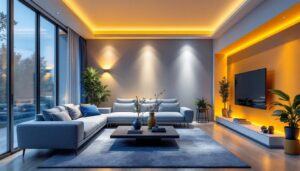
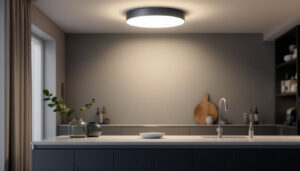
Ambient lighting creates the overall illumination in the kitchen. Recessed ceiling lights or flush mounts with diffusers are common in contemporary kitchens because they distribute light evenly and maintain a clean ceiling line. Contractors should consider the kitchen’s size and layout to determine the number and placement of these fixtures, ensuring no dark spots remain.
Energy efficiency is key here. LED fixtures with integrated drivers reduce power consumption and heat output, contributing to a more sustainable installation. Additionally, layering ambient lighting with dimmable options allows homeowners to adjust the mood for various occasions, from bright and lively family breakfasts to soft and intimate dinners. The choice of color temperature also plays a significant role; warmer tones can create a cozy environment, while cooler tones can enhance a modern aesthetic.
Accent Lighting: Highlighting Design Elements
Accent lighting adds depth and visual interest by spotlighting features like backsplashes, open shelving, or artwork. Linear LED strips above cabinets or inside glass-front cabinets can create subtle glows that elevate the kitchen’s ambiance. For contemporary kitchens, the fixtures themselves often serve as design statements—sleek metallic finishes or geometric shapes that complement the cabinetry and hardware.
In addition to enhancing aesthetics, accent lighting can also serve practical purposes, such as illuminating frequently used items on shelves or highlighting decorative pieces that reflect the homeowner’s personality. Using smart lighting solutions, homeowners can even change the color or intensity of accent lights to match their mood or the season, making the kitchen a dynamic space that evolves with their lifestyle. Furthermore, integrating accent lighting with smart home systems allows for seamless control through voice commands or mobile apps, enhancing both convenience and modernity in the kitchen design.
Materials and Finishes: Matching the Contemporary Aesthetic
Choosing the right materials and finishes is essential for achieving a cohesive contemporary look. Popular materials include brushed nickel, matte black, chrome, and even mixed metals for contrast. Glass and acrylic shades with frosted or clear finishes add a modern touch without overwhelming the space. The interplay of these materials can create a striking visual narrative, where the sleekness of metal complements the transparency of glass, enhancing the overall ambiance of the room.
Contractors should advise clients on durability and maintenance as well. Stainless steel and powder-coated finishes resist fingerprints and corrosion, which is important in a kitchen environment prone to moisture and grease. Additionally, the choice of countertops can significantly impact both aesthetics and functionality; options like quartz or concrete not only provide a contemporary edge but also offer resilience against daily wear and tear. When selecting cabinetry, matte finishes can help to minimize the appearance of scratches, while high-gloss surfaces can reflect light, making spaces feel larger and more open.
Moreover, integrating natural materials such as wood or stone can soften the starkness often associated with contemporary design. Warm wood tones can introduce an inviting element, balancing the cooler finishes of metal and glass. Textured finishes, such as a rough-hewn wood or a honed stone, can add depth and interest, creating a layered look that is both modern and timeless. It’s also worth considering the environmental impact of materials; opting for sustainably sourced wood or recycled metals can enhance the contemporary aesthetic while promoting eco-friendliness, appealing to the growing number of consumers who prioritize sustainability in their design choices.
Installation Best Practices for Contemporary Kitchen Fixtures
Planning the Layout
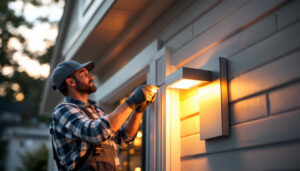
Before installation, a thorough lighting plan is indispensable. Contractors should work with kitchen designers or homeowners to map out fixture locations based on work zones-sink, stove, prep areas-and traffic flow. This ensures lighting is both functional and aesthetically balanced.
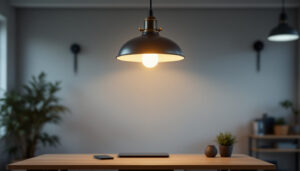
Height and spacing are critical. Pendant lights over an island, for example, should typically hang 30 to 36 inches above the countertop to avoid glare while providing sufficient light.
Electrical Considerations
Contemporary lighting often involves low-voltage LED systems or integrated fixtures that require specific drivers and dimmers. Contractors must verify compatibility with existing wiring and switches. Installing dimmer controls compatible with LED technology enhances user experience and energy savings.
Safety codes and local regulations must be strictly followed, especially in wet or damp areas near sinks. Using UL-listed fixtures and ensuring proper grounding is non-negotiable.
Smart Lighting Integration
Smart kitchen lighting is gaining traction, allowing users to control brightness, color temperature, and scheduling via apps or voice commands. Contractors should be familiar with popular smart lighting platforms and their installation requirements. This includes ensuring Wi-Fi coverage and integrating with existing home automation systems.
Common Challenges and How to Overcome Them
Balancing Brightness and Ambiance
One frequent challenge is achieving the right balance between bright task lighting and softer ambient light. Overly bright kitchens can feel sterile, while insufficient lighting hampers functionality. Layering light sources and using dimmers can solve this, giving users control over the atmosphere.
Dealing with Fixture Compatibility
Not all contemporary fixtures are compatible with every dimmer or driver. Contractors should test fixtures before installation and confirm manufacturer specifications. Using universal dimmers designed for LED loads can reduce compatibility issues.
Maintaining Aesthetic Consistency
Mixing different styles of fixtures can disrupt the contemporary look. Contractors should recommend cohesive fixture collections or coordinate finishes and shapes carefully. This attention to detail elevates the final result and satisfies design-conscious clients.
Checklist for Lighting Contractors: Ensuring a Successful Contemporary Kitchen Lighting Project
- Assess the Kitchen Layout: Identify work zones and potential fixture locations.
- Determine Lighting Needs: Specify task, ambient, and accent lighting requirements.
- Select Fixtures: Choose contemporary designs with appropriate materials and finishes.
- Check Technical Specs: Verify CRI, lumens, wattage, and dimmer compatibility.
- Plan Electrical Setup: Confirm wiring, switches, and driver compatibility.
- Coordinate with Other Trades: Align with cabinetry, plumbing, and HVAC installations.
- Prepare for Smart Integration: Ensure network coverage and system compatibility.
- Follow Safety Codes: Use UL-listed fixtures and adhere to local regulations.
- Test Fixtures Before Final Installation: Confirm functionality and aesthetics.
- Provide Client Education: Explain fixture operation, dimming, and maintenance.
Final Thoughts on Contemporary Kitchen Lighting
Contemporary kitchen lighting is more than just illumination; it’s an integral part of the kitchen’s design and functionality. For lighting contractors, mastering the balance between aesthetics, technology, and practicality is essential. By following a detailed checklist and staying informed about the latest fixtures and controls, contractors can deliver installations that impress clients and stand the test of time.
Successful projects depend on clear communication, meticulous planning, and technical expertise. Contemporary kitchens demand lighting solutions that are flexible, efficient, and visually striking-qualities that contractors can confidently provide with the right approach.
Illuminate Your Projects with LumenWholesale
Ready to elevate your contemporary kitchen lighting projects? Look no further than LumenWholesale for a vast selection of spec-grade lighting products at unbeatable wholesale prices. Say goodbye to middleman markups and hello to superior, reliable lighting that meets the highest industry standards. With free shipping on bulk orders, LumenWholesale is your go-to source for quality and affordability. Don’t compromise on your lighting solutions—choose the perfect blend of quality, convenience, and value. Visit LumenWholesale now and discover Wholesale Lighting at the Best Value for your next project.